4 Elementos is a small coffee finca in Minca, in the mountains above Santa Marta, growing organic single-origin coffee. Visitors can take farm tours and join tastings and roasting on site.
Best for Organic single-origin coffee; farm tour & tasting
Libertario Coffee Roasters sources Colombian beans through a stated regenerative-agriculture approach, selling single-origin and blended coffees. Its Paz blend anchors three coffee shops across Bogotá, Cartagena and Medellín.
Best for Libertario Coffee Roasters sources Colombian beans through a stated regenerative-agriculture approach
Libertario Coffee Roasters is the retail arm of La Palma & El Tucan, the Colombian coffee farm and export operation co-founded by Elisa Madrinan -- Libertario roasts and sells La Palma & El Tucan's coffee exclusively, rather than sourcing from outside growers, giving it a direct link from a specific farm to the cup rather than a blended supply chain. The original Chapinero shop closed temporarily so the team could build a larger space, reopening in December 2018 near Quinta Camacho with room to match the ambitions of a brand that had, by then, spent close to a decade working shoulder to shoulder with growers in Colombia and Panama to export specialty lots internationally. The Bogota shops sell whole bean coffee, single-serve drip packs, and curated tasting kits alongside espresso and filter drinks brewed from the same beans grown on the founders' own farm. That farm-to-cafe structure -- one growing operation supplying one roaster and retailer, with no intermediary blending in outside lots -- is what distinguishes Libertario from the wider run of Bogota specialty cafes sourcing more broadly across origins.
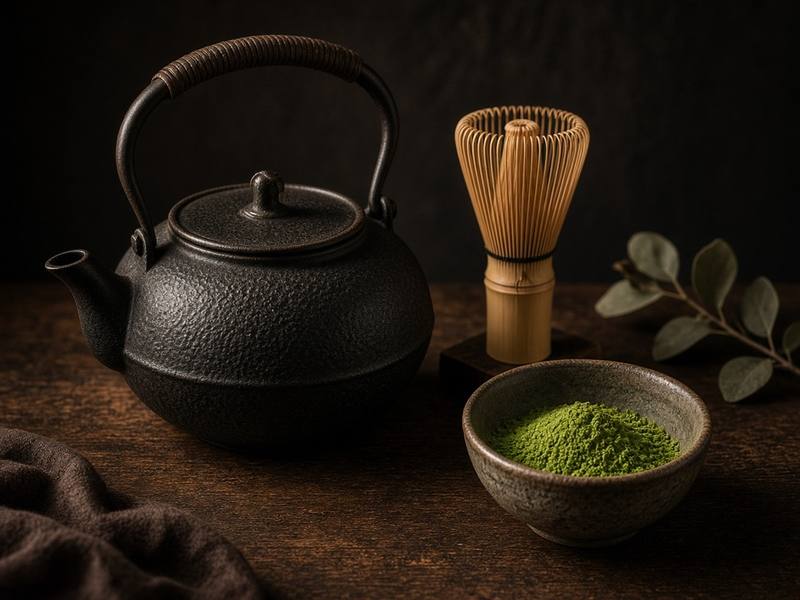
The Tea House opened in Bogotá in December 1990, built around a specific, uphill goal in a country with a deeply rooted coffee culture: introducing Colombians to tea as a category worth its own attention, not an afterthought next to the coffee counter.
Best for Loose-leaf tea from Eastern plantations and gardens
The Tea House opened in Bogotá in December 1990, built around a specific, uphill goal in a country with a deeply rooted coffee culture: introducing Colombians to tea as a category worth its own attention, not an afterthought next to the coffee counter. The company formally incorporated the following year and has operated continuously from Bogotá since, now selling through its Carrera 14 storefront and nationwide via e-commerce and WhatsApp ordering.
The house sources loose-leaf and bagged tea from what its own materials describe as the best plantations and gardens of the East, carrying black, green, white, yellow, oolong, pu-erh and herbal varieties alongside a curated line of teapots, infusers and other accessories. It positions itself explicitly against the tea retail standard set by markets with a much longer tea tradition — England, Ireland, Germany, France — treating that comparison as the bar to clear rather than an aspiration to gesture at.
More than three decades after opening in a country where drinking tea instead of coffee was itself a small act of counter-programming, The Tea House is one of Bogotá's longest-running specialized tea retailers, still built on the same premise it opened with: that a market this coffee-loyal had room for tea done properly.
Varietale mills and roasts specialty coffee sourced directly from named fincas across Huila, Cauca, and Santander, and it puts that sourcing on the label rather than behind it: each bag carries the farm it came from, the altitude it grew at, the varietal — Castillo, Bourbon, Caturra — and the processing method used to bring it to green.
Best for Single-farm lots from named fincas in Huila, Cauca, and Santander
Varietale mills and roasts specialty coffee sourced directly from named fincas across Huila, Cauca, and Santander, and it puts that sourcing on the label rather than behind it: each bag carries the farm it came from, the altitude it grew at, the varietal — Castillo, Bourbon, Caturra — and the processing method used to bring it to green.
That level of detail turns a bag of coffee into something closer to a wine label, letting a drinker track a specific lot back to a specific piece of land rather than a generic country-of-origin stamp. Running its own mill alongside its roasting operation keeps Varietale in control of the coffee at the stage where quality is most easily lost, before it ever reaches a roaster's hands elsewhere.
For a category still often sold on vague regional names, Varietale's farm-by-farm, varietal-by-varietal transparency is the more exacting standard.
Alex Griffith started Vívolo Café as a tribute to his mother, and built it into an operation that spans the full chain — roasting, exporting, and teaching — while working directly with growers scattered across Colombia's mountain regions.
Best for Reserve Select coffee, Sierra Nevada single origins and cascara infusions
Alex Griffith started Vívolo Café as a tribute to his mother, and built it into an operation that spans the full chain — roasting, exporting, and teaching — while working directly with growers scattered across Colombia's mountain regions. The house pours its sourcing discipline into two flagship lines: SCA-graded Reserve Select and a Sierra Nevada single-origin, both built around direct relationships rather than blind lots bought at auction.
Alongside the roasted bags, Vívolo sells cascara infusions made from the dried husk of the coffee cherry — the part most roasters discard — turning a byproduct into its own drink. The education side isn't an afterthought: Vívolo runs its own tasting and training courses, treating customers as students of the coffee rather than passive buyers.
It's a small but complete supply chain in miniature — grower relationship, export logistics, roast, and classroom — built around one founder's original, personal reason for starting it.
 Visit official site ↗
 Visit official site ↗
 Visit official site ↗
 Visit official site ↗
 Visit official site ↗