Galani Coffee sources and roasts single-origin Ethiopian coffee in Addis Ababa, selling both whole beans and ground coffee. Tomoca Coffee also sells packaged Ethiopian coffee alongside espresso drinks, continuing a family company established in 1953. Amsterdam's Simon Lévelt traces its coffee and tea business to the harbour shop opened by its namesake in 1826.
What makes great tea & coffee merchants?
This plate lists 646 shops in 87 countries. Paris has the most with 15, followed by Austin with 8. Among these shops, 80 sell online, going by their own descriptions.
Ask when it was harvested or roasted: freshness matters, so ask for the harvest year of a tea or the roast date of coffee.
Ask to taste or smell it: many merchants brew samples, so compare two or three before buying a full bag.
Ask how to store it: ask how long it keeps once the packet is opened and how it should be sealed.
Explore tea & coffee merchants
Use the city plates when they appear below, or open any store for its official door and related ORBIS city and craft links.
Tea & Coffee Merchants · 646 shops, the best first
Simon Lévelt traces back to 1826, when the merchant it's named for opened a small shop in Amsterdam's old harbor selling coffee and tea brought in from distant trading routes — two centuries of continuous operation, now in its sixth generation of family involvement.
Best for Dutch coffee and tea from a merchant trading since 1826
Simon Lévelt traces back to 1826, when the merchant it's named for opened a small shop in Amsterdam's old harbor selling coffee and tea brought in from distant trading routes — two centuries of continuous operation, now in its sixth generation of family involvement. The company has since centered its production in Haarlem, where it roasts coffee and packs tea, and employs a certified Q-grader on staff to evaluate quality to an internationally standardized protocol.
Today Simon Lévelt carries more than 150 tea varieties alongside some 25 coffees, sold through a network of 40 specialty stores across the Netherlands and Belgium as well as online, with same-day shipping for weekday orders placed before noon. Running coffee and tea as parallel, equally serious specialties — rather than treating one as the other's sideline — is a structure that traces directly back to the original 1826 harbor shop, which sold both from the start.
For a Dutch merchant house old enough to predate most of the countries it now sources tea from, the 40-store footprint across two countries is the modern scale of a business that has never stopped being, at its core, one small harborside shop's original two-product idea.
Zhang Yiyuan opened its first shop in 1900, in the 26th year of the Guangxu reign, when founder Zhang Changyi — a native of Dingtan Village in Anhui's She County — set up a stall named Zhang Yuyuan at Beijing's Flower Market.
Best for Jasmine tea from a Beijing house founded in 1900
Zhang Yiyuan opened its first shop in 1900, in the 26th year of the Guangxu reign, when founder Zhang Changyi — a native of Dingtan Village in Anhui's She County — set up a stall named Zhang Yuyuan at Beijing's Flower Market. He renamed it Yiyuan, borrowing the phrase from an auspicious line in the I Ching about fresh beginnings, and opened ten more shops across the following decade, building a reputation in Beijing on honest dealing and consistent quality.
In 1908 Zhang opened the flagship Zhang Yiyuan tea house at Qianmen Dashilan, one of Beijing's most prominent commercial streets, cementing the brand's position in the capital's tea trade. The house's signature has always been jasmine tea, scented using a technique now listed as part of China's national intangible cultural heritage — a designation that credits Zhang Yiyuan's method specifically, not jasmine tea in general.
Recognized today as a China Time-honored Brand and marketed as one of China's leading tea brands, Zhang Yiyuan has expanded well past its original Beijing storefronts into production bases in multiple provinces. It remains best known, more than 125 years on, for the same jasmine-scented tea that built its name at the Flower Market.
Café Younes has roasted coffee in Beirut's Hamra district since 1935 and is now run by the family's third generation. The original shop still roasts and grinds its beans on the premises, ninety years after it first opened.
Best for Single-origin and signature-blend whole beans roasted and ground on-site
Café Younes has been roasting coffee in Beirut since 1935 and is now run by the family's third generation. The original Hamra shop still roasts and grinds its coffee on the premises, a practice that has continued through the decades since the business first opened.
The shop sells single-origin and signature-blend whole beans at retail, the same roasting operation that has anchored the Hamra address for nine decades now also supplying a wider network of roughly twenty coffeeshops across Lebanon, the UAE, and Egypt. That spread has carried the Younes name well beyond Beirut while keeping the actual roasting centered at the original shop.
Ninety years of continuous roasting under one family, still centered on the same Hamra premises even as the brand has grown into a regional network, makes Café Younes one of the longest-running coffee houses in Beirut and a reference point for Lebanese coffee retail more broadly.
Trading since 1933 and run by its fourth generation, Golden Tips pairs an online shop with 10+ boutiques across India, holding Tea Board of India CTM licenses for single-region Darjeeling, Assam, Nilgiri and Sikkim teas among a 500+ product range.
Best for Fourth-generation Darjeeling tea house since 1933
Golden Tips Tea has traded since 1933, making it one of India's older tea brands, and is now run by a fourth generation of the founding family from its base in Darjeeling. The business pairs an online shop with more than ten of its own tea boutiques spread across India, an unusually large physical footprint for a house this size. Its core strength is single-region Indian tea: Golden Tips holds specific Tea Board of India CTM licenses for Darjeeling, Assam, Nilgiri and Sikkim, credentials that certify a tea as genuinely sourced from the region it claims rather than blended and relabeled, and the company markets its Darjeeling first and second flush lots alongside those regional teas under one house label. The catalogue runs wide beyond the four core regions too, with more than 500 products spanning black, green, white, oolong, chai, flavored, herbal, matcha and Earl Grey styles. That range - four generations of sourcing relationships, Tea Board-certified regional integrity, and a retail network most competitors of its age never built - is what distinguishes Golden Tips from either a single-estate specialist or a generic blender: it covers the map of Indian tea regions under one verified, family-run label.
Founded in 1931 by Nathmull Sarda and run today by grandson Madhav from The Rink Mall on Laden La Road, this Darjeeling merchant sources named-garden first, second and autumn flush lots from Darjeeling, Sikkim, Assam and the Nilgiris and ships them worldwide.
Best for Family-run since 1931, one of Darjeeling's oldest tea merchants, sourcing named-garden first
Nathmull's traces to 1931, when Nathmull Sarda, whose family had relocated from Rajasthan to Darjeeling a couple of years before, opened the business that would become one of the town's oldest tea houses. It is now run by his grandson Madhav Sarda, an experienced tea taster who has spent recent decades promoting Darjeeling tea internationally, from the same kind of shopfront the family has operated for close to a century: The Rink Mall on Laden La Road, opposite Darjeeling's general post office. The house doesn't grow its own leaf; instead it sources directly from named gardens across Darjeeling and beyond - Sikkim, Assam, the Nilgiris and other Himalayan estates - carrying first, second and autumn flush lots identified by garden rather than sold under a generic house blend. Black, white, green, oolong and chai teas round out the range. Nathmull's has operated as a direct-to-customer retailer since it opened, and today ships internationally, positioning speed from garden to customer as central to freshness. Three generations in, the business still runs on the same premise it started with: a merchant's eye for a good garden lot, sold under the family name rather than repackaged into an anonymous blend.
Founded in Dundee in 1884 by trader and shipper James Aimer, this private-label manufacturer has blended, roasted and packed coffee and tea from Faraday Street for over 125 years, supplying catering and trade customers across the UK and Europe through Fair Trade sourcing.
Best for Private-label coffee and tea manufacturer trading in Dundee since 1884, blending
Aimers, trading as James Aimer Ltd, was founded in Dundee in 1884 by trader and shipper James Aimer and has run continuously from the city for well over a century since - the company itself dates its current operation to more than 125 years of blending, roasting and packing coffee and tea. Today the business runs from Faraday Street in Dundee as a private-label manufacturer, supplying its own coffee and tea blends and packaging solutions to catering businesses and trade customers across the UK and Europe rather than selling primarily to walk-in retail. Fair Trade sourcing sits at the center of its supply chain, and the company is listed as a supplier through the Scottish Fair Trade movement, tracing its beans and leaf through to the finished, packed product for the businesses it supplies. It is a working roastery and blending house first, built for the trade side of the coffee and tea business rather than a cafe counter - closer in kind to a regional supplier that other cafes, hotels and caterers put their own name on than to a retail tea shop, with more than 140 years of continuous operation from the same city behind it.
Mokaflor was founded in 1950 by Vasco Bernini, a former accountant who moved into roasting and built a company now in its third generation of family ownership.
Best for Slow 15-20 minute discontinuous-drum roasts tuned per coffee variety
Mokaflor was founded in 1950 by Vasco Bernini, a former accountant who moved into roasting and built a company now in its third generation of family ownership. Bernini's founding choice ran against the postwar Italian trend toward thick crema and heavy Robusta content, roasting styles built for volume and a particular textural signature rather than for variety-specific flavor.
Mokaflor's alternative was a slow discontinuous-drum roast, taking 15 to 20 minutes per batch and tuned separately for each variety rather than applying one profile across the board — a far longer and more deliberate process than the fast, high-volume roasting the market was moving toward at the time. That founding decision has carried through three generations of the same family running the company, meaning the current roasting approach is a continuation of Bernini's original break from convention rather than a later rebrand.
In a city and country where dark, fast-roasted, Robusta-heavy espresso became the default, Mokaflor's 15-to-20-minute discontinuous-drum process is a seven-decade-old counter-argument still being roasted out today.
Ronnefeldt was founded in 1823 by Johann Tobias Ronnefeldt in Frankfurt, developing his knowledge of tea through travels to Rotterdam and London before starting the business at home.
Best for German loose-leaf tea trading since 1823
Ronnefeldt was founded in 1823 by Johann Tobias Ronnefeldt in Frankfurt, developing his knowledge of tea through travels to Rotterdam and London before starting the business at home. His earliest customers were the hotels around Frankfurt frequented by visiting Russian dignitaries, a connection that grew until Johann Tobias became a principal tea supplier to the Russian Tsar's court — tea trading conducted, notably, before the plantation regions of India and Sri Lanka that now dominate the world's supply had even been established.
More than two centuries later, the company still hand-picks by the traditional "two leaves and one bud" standard and runs its retail identity through the Ronnefeldt Brandshop in Frankfurt am Main, alongside a hospitality-focused Tealounge concept it has extended internationally. Its TeaAcademy trains hotel and restaurant staff directly in preparation and service, keeping education tied to the same standards the company sources by.
For a house that was already supplying imperial Russia before today's major tea-growing regions existed, the Frankfurt Brandshop is less a modern retail add-on than the current form of a two-hundred-year continuous trade.
Founded in 1635 to fund a Mevlevi dervish lodge, Tahmis Kahvesi has roasted Ottoman, Dibek and Menengiç coffee in Gaziantep for four centuries. Its Şahinbey shop also sells regional baklava styles including Midye and Sarma.
Best for Traditional Turkish, Dibek and Menengiç coffee roasted since 1635 to fund
In 1635, Türkmen Ağası and Sancak Beyi Mustafa Ağa Bin Yusuf opened a coffee house in Gaziantep with a specific purpose: its proceeds would support a Mevlevihane, a lodge for the whirling dervishes of the Mevlevi order. The name Tahmis itself describes the trade — it means the place where coffee is ground — and the business has kept to that trade for nearly four centuries from its home in the Şahinbey district, near the city's old copper bazaar. The roasting styles on offer trace the Ottoman coffee tradition in its regional variations: standard Turkish coffee, the stone-ground Dibek method, and Menengiç, the wild pistachio coffee particular to southeastern Anatolia that substitutes roasted terebinth nuts for beans. Alongside the coffee counter, Tahmis sells Gaziantep baklava in several traditional cuts — Midye (mussel-shaped), Classic, and Sarma among them — reflecting the city's parallel reputation as Turkey's baklava capital. The current operation ships nationally, with same-day dispatch for orders placed before 3 PM, extending a coffee house that started as tekke income into an online pantry business. Four centuries of continuous operation is a rare claim anywhere, and Tahmis wears it plainly: the site's own account describes a "40-year reputation extended to 400 years" through unbroken practice, not reinvention. For anyone tracing the history of Turkish coffee culture, this is one of its documented starting points.
Sin Boon Kee has roasted traditional coffee powder in Penang since 1944, running a factory and a concept store on Jalan Jelutong. The lineup runs from charcoal-style Kopi-O sachets to freshly roasted Arabica and a cold-brew Nanyang coffee the family introduced in 2023.
Best for Penang's oldest coffee factory (1944), fourth-generation family-run, over 800 kopitiam customers
Sin Boon Kee was founded in 1944 by Chan Kok Tong to supply local kopitiams in Penang, and is recognized as Northern Malaysia's oldest coffee factory, still operating from its original address at 348 Jalan Jelutong. The business remains family-run four generations later: Jonathan Chan Heng Liang, the current fourth-generation successor, joined the company and spent two years learning every stage of the roasting and grinding process before taking on a larger role. At full capacity the factory produces up to 1,000 kilograms of coffee powder a day and has supplied more than 800 kopitiams over the years, about 70% of them in Penang itself — a customer base of small, independent coffee shops rather than chains. Its product range spans traditional charcoal-style Kopi-O sachets to freshly roasted Arabica, and in 2023 the family introduced a cold-brew Nanyang coffee, extending a wartime-era traditional coffee-powder business into a modern ready-to-drink format. In 2020 the company opened the SBK Concept Store on Jalan Jelutong, pairing local fusion food with tastings of its own coffee. The company's official website is currently showing a maintenance notice, but its history and operations are independently documented through business press (thesun.my, Golden Bull Award) and its own social and product pages.
Nguyen Van Giang invented egg coffee here in 1946, whisking egg yolk and sugar into a meringue-like cloud when milk was scarce. His family still serves it at three Hanoi locations, including inside Lotte Mall Tay Ho.
Best for Original egg coffee (ca phe trung), invented here in 1946
Cafe Giang's claim to Hanoi's coffee history rests on a specific act of improvisation: in 1946, with fresh milk hard to come by, Nguyen Van Giang began whisking egg yolk and sugar into a meringue-like foam and spooning it over strong Vietnamese coffee, inventing what the city now knows as ca phe trung -- egg coffee. The recipe has stayed in his family since, served at the original shop at 39 Nguyen Huu Huan, reached down a narrow passage off the street in the Hoan Kiem district.
That single address has grown into three. Alongside the original Nguyen Huu Huan location, the family now runs a counter at 57 Trang Tien and a third inside the Lotte Mall Tay Ho shopping center -- a modern setting a long way from the original alley shop, serving the same drink. The company's own framing leans on that continuity rather than expansion for its own sake: its stated mission describes each cup as carrying 'craftsmanship, family memories, perseverance and a spirit passed down through generations.'
For a drink invented as a wartime substitute for milk, egg coffee has outlasted the shortage that created it by nearly eighty years, and Cafe Giang's three Hanoi counters are still the direct line back to Nguyen Van Giang's original recipe.
Founded in 1933 by Emmanuel I. Manos, this Heraklion company has exported Cretan dittany, mountain tea, oregano and sage for nearly a century. Its Karteraki brand packages the same herbs, plus worldwide spices, into traditional-recipe teabag blends.
Best for Cretan dittany, mountain tea and oregano, from a family herb house exporting since 1933
Manos & Co. traces to 1933, when Emmanuel I. Manos began drying and exporting Cretan aromatic plants to Europe, Asia and the Americas from Heraklion. Nearly a century later the family-run company still processes its herbs at a plant in the Finikia industrial park outside the city, combining that older export trade with modern food-safety standards. Its core range draws on plants native to Crete's mountains: dittany, an endemic species harvested wild in flowering season and dried by hand, alongside mountain tea (malotira), oregano — which the company describes as its best-selling item, distinguished by growers from the mainland variety — sage and cistus (ladania). Beyond the wild-harvested Cretan herbs, the company sources spices and aromatic plants more broadly and blends them into Karteraki, a teabag line built on traditional Cretan recipes that spans single herbs like chamomile and mint alongside three house blends — Traditional, Aromatic and Green. Products are checked mechanically to remove foreign material and screened for pesticide and heavy-metal residues before packing. The combination of a working export business older than most of its European retail customers and a modern teabag brand gives Manos & Co. a foothold in both the bulk-herb trade and the retail tea aisle.
Dammann traces its royal tea privilege to 1692, granted by Louis XIV, and was refounded as a modern tea house in 1925 by brothers Robert and Pierre Dammann — now known for its Jardin Bleu blends and wide single-origin range.
Best for French tea blends, loose-leaf tea and infusions
Dammann Frères carries two founding dates, and both matter to how the house tells its own story. The first is 1692, when King Louis XIV granted a royal privilege to a Monsieur Dammann — of Dutch origin — giving him the exclusive right to sell tea, coffee, chocolate and sorbets in France, part of the crown's practice of selling trade monopolies to raise money for war. The second is 1925, when brothers Robert and Pierre Dammann built the modern commercial maison on that inherited name, turning a centuries-old royal grant into a working tea business rather than a historical curiosity.
That house is what operates today: an extensive catalog spanning black, green, white and oolong teas, plus infusions, accessories and gift sets, sold through its own boutiques — including a newer Nantes shop — and online. Jardin Bleu is the house's signature blend line, the closest thing it has to a flagship recipe, though the broader catalog runs wide rather than narrow. What distinguishes Dammann from other old Paris tea houses isn't a single tea so much as the length of the claim behind it — a royal document from the reign of the Sun King standing behind a 20th-century family business still trading under the same name three centuries later.
Compagnie Coloniale traces its founding to 1848 at 19 Avenue de l'Opéra in Paris, positioning itself as one of France's oldest tea houses, still selling heritage-style blends packaged in its traditional tins.
Best for French tea blends, flavored teas and herbal infusions
Compagnie Coloniale's own account of its history reaches back to 1848, when the house was established at 19 Avenue de l'Opéra in central Paris — a founding date that, if accurate, would put it among the oldest tea merchants still trading in France, predating better-known Paris houses like Mariage Frères (1854) and Betjeman & Barton (1919). The name itself is a period piece: “Compagnie Coloniale” reflects the 19th-century French trade language of the era it was founded in, when tea, coffee and other goods moved through import networks into Paris grocers and specialty houses.
What survives of that history in the current business is the packaging language more than one famous blend — heritage-style tins presented as a through-line back to the house's founding, sold alongside a broader modern tea catalog. Where houses like Mariage Frères or Dammann built their public identity around a signature blend (Marco Polo, Jardin Bleu), Compagnie Coloniale leans more on the claim of seniority itself as the reason to choose it. For a visitor, that makes it a stop less about one particular tea and more about the idea of drinking from a Paris institution that predates the Second Empire.
Best for French-blended teas, tea gifts and teaware
The Mariage family traded tea from the seventeenth century — ancestors negotiated for the French East India Company — and brothers Henri and Édouard founded their wholesale house in Paris in 1854. Its transformation came in the 1980s, when the firm opened to the public and effectively invented French tea culture as a luxury category: hundreds of teas from every producing country, the black-clad tea sommeliers, the colonial-comptoir interiors of dark wood and brass scales, and blends — Marco Polo above all — whose perfumed opulence became reference points worldwide. The black canisters are as recognizable in their category as any luxury packaging in France. The Faubourg Saint-Honoré boutique concentrates the range; the historic Marais house adds a tea salon and museum. Marco Polo is the canonical first tin; the single-estate Darjeelings show the sommelier side of the house.
Smell before buying — the counters open any canister on request — and take Marco Polo home in the black tin; loose leaf, never the compromise of bags.
Founded in 1986 by François-Xavier Delmas and a group of friends, Palais des Thés built its identity on visiting tea gardens directly rather than buying through brokers, and now runs more than 150 shops worldwide.
Best for Terroir-sourced teas from François-Xavier Delmas
Palais des Thés was founded in 1986 by François-Xavier Delmas, alongside a group of around 40 friends, at a moment when the Paris tea trade was dominated by long-established family houses. Delmas's approach was to source differently rather than compete on heritage he didn't have: growing up around wine culture gave him an early feel for terroir — how a specific patch of land and its handling shape flavor — and he applied that thinking to tea by traveling directly to producing regions rather than buying through importers.
Over roughly three decades he built relationships across tea-growing areas in Asia, Africa and South America, working alongside the farmers and producers themselves to understand regional techniques and quality at the source. That direct-sourcing model, sometimes described in-house as the work of “Tea Seekers” (Chercheurs de Thé), became the company's core differentiator against older Paris houses selling through intermediaries. From a single shop in the late 1980s, Palais des Thés has grown into one of Europe's larger specialist tea retailers, with more than 150 shops worldwide. For a visitor, the pitch isn't a historic name but a traceable one — teas the house can describe by garden and grower rather than only by blend.
Historic Turkish coffee house — traditional mırra (strong Arabic-style coffee) and Turkish coffee prepared in the old way. The atmosphere is timeless.
Best for Kadıköy Bazaar institution since 1923, brewing mırra and Turkish coffee in cezve.
Fazıl Bey'in Türk Kahvesi traces to 1923, when Fazıl Tuncalı — a civil engineer by training — opened a dry goods shop in Istanbul's historic Kadıköy Bazaar. His sons later converted that shop into a coffee house in his memory, and the business has operated under the Tuncalı family name ever since; the company's registered legal name today, Tuncalı Turistik Rest. İşl. Tic. Ltd., still carries it. The house specialty is Turkish coffee brewed the traditional way, finely ground beans simmered slowly in a cezve, plus mırra, the stronger, unsweetened coffee associated with Turkey's southeast.
Every cup is served with a glass of water and a piece of Turkish delight, the standard ritual accompaniment rather than a house flourish. The beans themselves are arabica, imported from Brazil and roasted and ground on site rather than bought pre-ground. It's a century-old family operation inside one of Kadıköy's oldest commercial districts, selling the same two drinks — Turkish coffee and mırra — it always has, with the shop's own name still tied to the founder who started it as something else entirely.
Ying Kee Tea House was founded in 1881 by Chen Chao Ying in Guangzhou, more than a century before Hong Kong became its home.
Best for Pu-erh, oolong and jasmine teas from an 1881 Guangzhou house
Ying Kee Tea House was founded in 1881 by Chen Chao Ying in Guangzhou, more than a century before Hong Kong became its home. The business relocated to Hong Kong in 1950, in the wave of southward migration around the founding of the People's Republic, and has operated there continuously since — now run by the fourth generation of Chen's family, with nine shops spread across Hong Kong Island, Kowloon, and the New Territories.
Over 140 years of continuous trading has come with formal recognition alongside the reputation: Ying Kee holds Hong Kong's Top Brand Mark, ISO9001 certification, and a place in the government's Quality Tourism Services Scheme, plus a Hong Kong Quality Food Award in 2013. The house's range runs across pu-erh, oolong, jasmine, green, and white teas, selected by in-house tea masters, alongside its own teaware.
Few Hong Kong tea houses can point to a founding that predates the city's own status as a British colony's commercial hub by decades — Ying Kee's history began in Guangzhou and only became a Hong Kong story once the family moved the business south in 1950, a relocation now itself 75 years in the past.
Founded in 1871, Mehmet Efendi still roasts and grinds Turkish coffee at its historic Eminönü shop, now run by the fourth generation of the same family.
Best for Founded in 1871, Mehmet Efendi still roasts and grinds Turkish coffee
Kurukahveci Mehmet Efendi has roasted and ground Turkish coffee from the same Eminönü shop since 1871, and the company markets that continuity directly — the current storefront still operates on Tahmis Street, in a building associated with architect Zühtü Başar dating to 1932. Ownership has stayed inside the same family across three and now a fourth generation, a lineage the brand foregrounds in its own materials rather than treating as incidental history.
The product itself hasn't diversified much from the original proposition: finely ground Turkish coffee, roasted and milled to the fine, near-powder consistency Turkish brewing requires, sold from the historic Eminönü location as well as newer branches in Kadıköy and Sirkeci. The company describes itself as the most consumed Turkish coffee brand in the world, a claim built on more than a century and a half of continuous operation rather than recent expansion.
For a brand built almost entirely on unbroken tradition, the two facts that matter are the ones the company repeats most: an 1871 founding date, and a shop that has never left Eminönü in the century and a half since.
Bakoel Koffie has roasted coffee since 1878 from a colonial-era shop in Jakarta's historic Menteng district. A newer Bintaro location, designed by architect Andra Matin, adds a tropical minimalist café built around vertical greenery.
Best for Jakarta coffee roasted since 1878
Bakoel Koffie's own marketing claims 150 years of coffee-roasting expertise, which lines up with a stated 1878 founding and makes it one of the older continuously operating coffee businesses in Jakarta. The original Cikini café occupies a colonial-era shop building in the historic Menteng district, next to the Taman Ismail Marzuki performing arts center — a location that ties the business physically to Jakarta's colonial-era commercial architecture rather than a generic modern café buildout. A second, newer location in Bintaro Sektor 7, Tangerang Selatan, was designed by Andra Matin, a named Indonesian architect, around a tropical minimalist aesthetic with vertical greenery and what the company calls an "under the tree" concept — a deliberate contrast to the heritage building housing the original café. The Bintaro location also runs activity-based programming, including traditional games and yoga sessions, positioning it as a gathering space rather than a pure coffee counter. Both locations lean on the same description of the clientele: a mix of artists, writers, diplomats, students, and professionals the company calls a "melting pot." For a visitor choosing between them, the split is straightforward — colonial-era architecture and history at Cikini, or an architect-designed, activity-driven space at Bintaro — with the same roasting heritage claimed behind either counter.
Kean Guan Tea Merchants has sold Chinese tea from the same Jalan Petaling storefront since 1945, incorporating in 1978. It stocks oolong, dark, white, black and green teas alongside house blends Li Shui Kwei and Chian Li Shiang.
Best for Chinese tea and house blends since 1945
Kean Guan Tea Merchants has traded from the same address on Jalan Petaling in central Kuala Lumpur since 1945, incorporating as a private limited company in 1978 but never relocating the storefront that anchors both dates. Close to eighty years in one spot puts it among the older continuously operating tea merchants in the city, on a street that has itself been a commercial fixture of Kuala Lumpur's historic core for just as long. The shop stocks the standard spread of Chinese tea categories - oolong, dark, white, black and green - alongside two house blends developed and sold under its own name, Li Shui Kwei and Chian Li Shiang, rather than relying solely on single-estate or single-region leaf. Its stated approach, delivering quality tea at a reasonable price rather than positioning itself at the premium end of the market, matches the shop's own description of itself and fits a business built on decades of repeat local custom rather than tourist volume. There is no public record on the shop's own site of a specific founding family's name or generational handover, but the address and incorporation history alone mark it as one of Jalan Petaling's longer-standing tea counters, selling by weight in a trade increasingly dominated in Malaysia by newer packaged retail brands.
Fukujuen was founded in 1790 by Iyemon Fukui in Kamikoma, in what was then Yamashiro Province and is now Kizugawa City on Kyoto's southern edge — a location that sat directly on the trade routes linking Osaka and Kobe to the Yamato and Iga highways.
Best for Uji green tea from a 1790 trading house that pioneered
Fukujuen was founded in 1790 by Iyemon Fukui in Kamikoma, in what was then Yamashiro Province and is now Kizugawa City on Kyoto's southern edge — a location that sat directly on the trade routes linking Osaka and Kobe to the Yamato and Iga highways. That position let the young house grow into a wholesaler and trading post, exporting Uji tea out through Kobe port at a time when overseas shipping was becoming central to Japan's tea economy.
As the industry shifted toward domestic sales, Fukujuen shifted with it, supplying tea shops nationwide and pioneering mail-order sales of Ujicha through Japan's postal parcel system — an early instance of a regional tea house reaching customers it could never have served over the counter. In 2007 the company opened the Fukujuen Uji Tea Workshop specifically to teach visitors the traditions behind Uji tea culture, from cultivation through processing.
More than two centuries after Iyemon Fukui opened his trading post, Fukujuen still runs on the same underlying idea that built it: getting Uji tea to people who aren't standing in Uji, first by rail freight and post, now through a global online shop carrying the Fukujuen name.
Gion Tsujiri traces its family's Uji tea-growing ties back over 800 years, though the shop dates to 1860 and its Gion storefront to 1948. Its 1978 tea room, Saryo Tsujiri, built the Tsujiri Parfait and other matcha desserts on the same leaf.
Best for Matcha parfaits at Saryo Tsujiri
Gion Tsujiri's own account puts its family's ties to Uji tea cultivation at more than 800 years, but the retail business as it operates today dates to 1860, when Riemon Tsuji I and Tokujiro II founded a tea shop in Uji itself. The third generation opened the Gion storefront in 1948, on Shijo-dori, selling leaf grown and processed in Uji and grinding matcha in-house for both tins to take home and drinks made on site. Thirty years later, in 1978, the fifth generation added Saryo Tsujiri on the shop's second and third floors - described by the family as a tea-drinking dojo, built around the idea that Uji tea could be eaten as much as drunk. That idea became the Tsujiri Parfait, layers of matcha jelly, ice cream, shiratama rice dumplings and sweet azuki bean built around the same matcha the shop sells by the tin, alongside anmitsu, zenzai and seasonal shaved ice on the same menu. The tea room draws crowds on its own terms now, often with a wait, but the shop below still functions as it always has: a Uji tea retailer first, with the dessert operation built directly on top of it rather than run as a separate concept. Few matcha parfaits in Kyoto carry the weight of a tea-growing lineage; here, one is served plated with a spoon.
Ippodo has sold tea from the same Teramachi Street address in Kyoto since 1717, when Rihei Watanabe opened it as Omiya; it was renamed Ippodo in 1846. Its Kaboku Tearoom serves matcha, gyokuro and sencha from roughly 30 varieties sold at the counter.
Best for Matcha, gyokuro, sencha and Kyoto green tea
Ippodo traces to 1717, when Rihei Watanabe opened a shop called Omiya on Teramachi Street to sell tea and ceramics along the eastern edge of the Kyoto Imperial Palace grounds. In 1846 the shop took the name Ippodo -- "preserve one" -- at the suggestion of Prince Yamashina, a regular customer who wanted the shop to hold to a single standard of quality rather than diversify. That Teramachi Street address remains the flagship today, still selling around 30 variants of matcha, gyokuro, sencha and bancha from an old-fashioned counter where staff talk customers through the differences before a purchase. Attached to the shop is the Kaboku Tearoom, open through the afternoon and closed the second Wednesday of each month, where the same teas sold by the tin can be ordered whisked or steeped and drunk on the spot -- a rare chance to taste a grade of gyokuro or ceremonial matcha before committing to buy it loose. Three centuries of continuous operation on the same street, through a name change and the shift from an Edo-period tea-and-ceramics shop to a global specialty retailer, have kept Ippodo's reputation tied to Kyoto rather than to any single signature blend: the counter conversation and the tearoom tasting are as much the product as the tea itself.
Marukyu Koyamaen has grown and stone-milled matcha in Uji since about 1704, supplying grades from culinary to ceremonial. Its Nishinotoin flagship in central Kyoto, a renovated machiya, includes the Motoan tea house and garden.
Best for Uji matcha and Motoan tea-house tastings
Marukyu Koyamaen traces its founding to about 1704, when Kyujiro Koyama began growing and processing tea in Ogura, a district of Uji regarded since the medieval period as Japan's premier tea-growing area. Three hundred years on, the company still mills its own matcha on traditional stone mills, taking leaf through hand harvesting, steaming, drying and grinding before blending it across a full range of grades - from culinary matcha sold to confectioners and food manufacturers up to ceremonial grades supplied to tea schools. The Nishinotoin Tea Shop, the company's flagship in central Kyoto's Karasuma-Oike area, occupies a renovated machiya townhouse and sells the same lineup carried at the Uji base. Attached to it is Motoan, a tea house with seating toward the back and a small garden giving a glimpse of a chashitsu built for formal tea ceremony; the cafe menu runs through the house's own matcha, gyokuro and sencha, usually paired with a seasonal wagashi. Both shop and tea house close on Wednesdays and the third Tuesday of the month, a rhythm that reads less like retail hours and more like a workshop that happens to also serve tea. For a house this old, the offer stays narrow and specific: one region, one family's stone mills, and a grading system built for people who already know the difference between grades rather than a general audience.
Trading from 52 Old Compton Street in Soho since 1887, Algerian Coffee Stores roasts single-origin coffees from Central and South America, India, Africa and Indonesia on site, alongside house blends and specialty teas.
Best for 137 years of single-origin coffee roasting and specialty tea from the same
Algerian Coffee Stores has traded from the same address, 52 Old Compton Street in Soho, since 1887, putting it among the oldest continuously operating specialty shops on a London high street that has changed character many times over in the intervening century and a half. The current range runs through single-origin coffees from Central and South America, India, Africa and Indonesia, sold alongside the shop's own house blends, and a tea selection that stretches from everyday varieties to specialty and harder-to-find lots sourced from small growing regions. Beyond the two core categories, the shop carries specialty confectionery and cocoa products, plus domestic coffee makers and brewing accessories for anyone setting up at home. The business has stayed in the hands of the same family across multiple generations, and the roasting still happens on-site rather than through an outside supplier, which is a large part of what has kept regulars coming back to one shopfront rather than a chain with multiple branches. Now well past its 137th year in Soho, the shop runs an online store and newsletter alongside the physical counter, extending a nineteenth-century retail model - small-batch roasting, direct relationships with regulars, sourcing from small corners of the world rather than mass suppliers - into a modern retail footprint without changing the format underneath it.
Fortnum & Mason's Piccadilly store combines food halls with the Diamond Jubilee Tea Salon on an upper floor. The business traces its beginnings in Piccadilly to 1707, well before its other London and overseas branches. Food shopping and a tea-room visit serve different purposes within the building, so they can be planned separately.
Best for Food halls and tea at the Piccadilly store
Every institution should be able to name its best idea. Fortnum's can: it invented the Scotch egg. In the coaching era, when Piccadilly was a departure point and dinner had to survive a journey in a jolting carriage, the Queen's grocer devised a boiled egg wrapped in sausage meat — portable, durable, complete. Three centuries of picnics descend from that single act of practical genius, and it tells you exactly what kind of house this is: luxury, at Fortnum's, has always meant *provisioning solved beautifully*.
The store has kept that promise since 1707. The hampers — wicker arks of tea, preserves, and biscuits — are the Scotch egg's descendants at scale: journeys, solved. The tea department treats leaf-buying with the gravity other nations reserve for wine. And the whole emporium wears its signature eau-de-nil — that pale, unmistakable green — like a uniform, from the bags to the tins to the paintwork.
Above the Piccadilly entrance, the house performs its own history on the hour: the great clock opens, and the figures of Mr Fortnum and Mr Mason emerge to bow to one another — founder greeting founder, as they have for every generation of customer passing below. It is theater, but honest theater: a grocer's partnership from the reign of Queen Anne, still trading, still bowing, still at number 181. The Queen's grocer is a nickname earned across a dozen reigns, and the food hall below the clock remains what it has always been — the most ceremonious answer ever given to the question of what to eat next.
Whittard of Chelsea began in 1886, when 25-year-old Walter Whittard opened a tea and coffee shop on Fleet Street with a simple operating rule: buy the best.
Best for Loose-leaf tea and coffee from a London house founded in 1886
Whittard of Chelsea began in 1886, when 25-year-old Walter Whittard opened a tea and coffee shop on Fleet Street with a simple operating rule: buy the best. His sons Dick and Hugh took over the business after his death in 1935, and ran it through the Blitz — the original warehouse was destroyed in the December 1940 fires, forcing a move in 1941 to Fulham Road in Chelsea, the address that eventually gave the company its name.
That relocation stuck for decades, and the Chelsea identity has outlasted the original Fleet Street site by nearly a century. In 1999 Whittard opened a flagship on Covent Garden with a tea bar serving afternoon tea on-site, extending a shop that had always sold leaves and beans into a place to sit and drink them.
The company still operates stores across the UK today, still trading as Whittard of Chelsea more than 130 years after a 25-year-old bought his first shopfront on the philosophy that quality, not scale, was the thing worth building around.
Cova opened in 1817 as Caffe del Giardino beside La Scala, founded by Antonio Cova; it moved to Via Montenapoleone in 1950 after wartime bomb damage. LVMH acquired the brand in 2013 and expanded it to Hong Kong, Monte Carlo and Paris.
Best for Espresso or afternoon tea
Cova opened in 1817 as Caffe del Giardino, on a corner site -- now Via Manzoni and Via Verdi -- beside Milan's Teatro alla Scala, founded by Antonio Cova as a gathering place for the theatre crowd. Giuseppe Verdi and Giovanni Verga were both regulars, and a bronze scale cast by Bartolomeo Greppi, from the original decor by woodworker Paolo Bossi, is still kept in the shop. Bombing in 1943 damaged the original premises during the Second World War, and in 1950 the business relocated to Via Monte Napoleone 8, inside what would develop into Milan's Quadrilatero della moda fashion district -- the address that gives the shop its current name. Cova was acquired by LVMH in 2013, and has since expanded well beyond the single Milan address it held for over 130 years: a Hong Kong location opened as early as 1993, followed by Monte Carlo in 2017 and Paris in 2021, alongside further outposts in Shanghai, Dubai and Athens. The Montenapoleone flagship still trades on pralines, chocolate and its widely exported panettone, alongside an espresso counter and an afternoon tea service. Two centuries on, the shop that once drew La Scala's opera crowd now sits at the centre of Milan's fashion-week foot traffic instead, still built around the same pastry-and-coffee format.
Caffè Cagliari has roasted coffee under one family's direction since Ambrogio Cagliari's 1895 Brazil sourcing trip and its 1909 Modena shop. It roasts origins separately, selling beans, ground coffee and capsules through its own shop.
Best for It roasts origins separately, selling beans
Caffè Cagliari's history begins in 1895, when Ambrogio Cagliari traveled to Brazil to source coffee directly at origin -- a starting point the company still cites on its own site. The family opened its first Modena shop in 1909, and the business has stayed under the same family's direction ever since, now spanning more than a century of continuous ownership.
The roastery's defining technique is separating rather than blending at the point of roasting: origins are selected and roasted individually -- "selezione delle origini e la tostatura separata" -- before being combined into finished blends, a method the company treats as central to its identity rather than a footnote. That approach carries through its current range, from the professional-grade HQ (Alta Qualità) line aimed at bars and restaurants to its Miscele in Grani whole-bean blends, Capsule Sistema 10+ pods, and ground coffees formulated separately for moka pot and espresso machine preparation.
Based on Via Emilia Est in Modena, Caffè Cagliari sells directly through its own online shop alongside its wholesale bar-and-restaurant business -- the same split between professional and home markets that has defined the company since Ambrogio Cagliari's original Brazil sourcing trip.
The birthplace of bicerin — since 1763, the layered drink of espresso, chocolate, and cream that is Turin's signature contribution to global coffee culture.
Best for Since 1763, the layered drink of espresso, chocolate
Caffè al Bicerin has operated in the same spot in Piazza della Consolata, next to Turin's Basilica della Consolata, since 1763 — 263 years, by the café's own count. The house drink that gives the place its name layers espresso, drinking chocolate, and cream into a single glass; Umberto Eco, describing it in his 2010 novel "The Prague Cemetery," called the combination one of Turin's "legendary places" and wrote of its "fragrance of milk, cocoa, coffee and other aromas." The drink has a long pedigree of its own: during Lenten fasting periods it was permitted specifically because hot chocolate wasn't classified as food, letting churchgoers drink through the fast.
Count Cavour, the 19th-century Italian statesman, kept a regular table here, and Alexandre Dumas wrote about the bicerin during his travels through Turin. The café itself still looks the part — candlelight, period furnishings, cast-iron columns and capitals, wood paneling set with mirrors, marble-topped tables — and remains family-operated more than two and a half centuries after it opened, now recognized as a member of Italy's Historic Locales register. It's one of the few places anywhere that can point to an unbroken 18th-century recipe, the room it was invented in, and the statesman who used to sit in it.
TWG Tea launched in Singapore's Republic Plaza in 2008, founded by Manoj M. Murjani with tea sommelier Taha Bouqdib. Its Tea Salons pour 800+ teas from 46 regions, packed into the brand's signature yellow tins.
Best for 800-plus teas from 46 regions
TWG Tea was conceived in Singapore in 2008 by Manoj M. Murjani, working with French-Moroccan tea sommelier Taha Bouqdib and his wife Maranda Barnes Bouqdib, as a venture of The Wellbeing Group -- the initials behind the "TWG" name. The brand opened its first Tea Salon & Boutique at Republic Plaza that August, pairing a retail counter stocked with more than 800 teas sourced from 46 growing regions with a dining room serving tea-infused salads, quiches, soups, pastries and desserts. The logo's "1837" references the founding year of the Singapore Chamber of Commerce, not the tea house itself, tying the brand to the city's trading-port history rather than claiming a two-century pedigree of its own. Loose-leaf blends and single-estate teas are packed into the brand's signature bright-yellow tins, sold both at the salon counter and shipped internationally. The concept scaled fast: within a decade TWG operated more than 70 salons and boutiques across roughly 19 to 23 countries, with product distribution reaching more than 40 markets, while keeping the same tin-and-salon format that debuted in Republic Plaza. A 2014 Hong Kong trademark ruling in favor of Tsit Wing Group, which had used the TWG initials since 1932, forced the Hong Kong outposts to rebrand locally as Tea WG -- a rare crack in an otherwise tightly controlled global identity built on one Singapore address.
Wang De Chuan traces to 1862, when Wang An Shang crossed from Jinjiang in Fujian and founded the first tea house in Tainan, then the capital of Taiwan. The Taipei flagship moved to Zhongshan North Road at the end of 2012. Oolongs from Lishan, Nantou and Mu Zha sit beside raw and ripe puer from Yunnan. Teaware and gift sets are sold alongside the leaf.
Best for Named-origin Taiwanese oolong and Yunnan puer from an 1862 house.
Wang De Chuan dates itself to 1862, in the reign of the Tongzhi emperor of the Qing dynasty. Wang An Shang crossed the strait from Jinjiang county in Fujian, settled in Taiwan, and founded the first tea house in Tainan, then the capital, in the southwest of the island. The business has stayed in tea since. The Taipei flagship moved from Changchun Road to Zhongshan North Road at the end of 2012. Its design keeps the house mark of black-ink calligraphy on a red ground, and the tea is held in cabinets built to recall traditional library-card drawers. The house sets out its approach as that of the Chinese literati, with every detail researched before it is presented. Guests are given space and time to taste before choosing. The selection is drawn from named places rather than sold as types. Oolongs come from Lishan, Nantou, Mu Zha and Sanxia, and there is a charcoal-roasted Tieguanyin and a honey-fragrance black tea. Puer arrives from Lincang, Baoshan, Xishuangbanna and Yunnan, both raw and ripe. Teaware is sold alongside the leaf, and gift sets are made up in the shop. Tea specialists on the floor have travelled to the producing regions and will talk through what is in the cup. Further branches trade across Taipei and at addresses in Hong Kong and Tokyo.
Kalman Ze'ev Wissotzky founded his tea trading company in Moscow in 1849, building it within decades into the largest tea firm in the Russian Empire.
Best for Tea-based drinks and vintage-tin decor at T-LAB
Kalman Ze'ev Wissotzky founded his tea trading company in Moscow in 1849, building it within decades into the largest tea firm in the Russian Empire. The 1917 Revolution ended those operations and scattered the family; in 1936, with the situation in Europe darkening, family member Simon (Shimon) Seidler moved to Mandatory Palestine and opened a packing plant there, selling tea to British soldiers stationed in the territory — the start of what would become Wissotzky's Israeli business. His widow, Ida Seidler, later modernized the operation and, in the 1950s, bought the Tel Aviv building on Hashmonaim Street that still serves as company headquarters.
That same building now houses T-LAB, Wissotzky's flagship tea bar, its walls papered in vintage tea-box designs pulled from the company's own factory archive, serving a tea-based drinks menu — iced matcha lavender latte, an Earl Grey "Tiger Boba," a green-tea mojito — that has since expanded to a second branch at Tel Aviv's Azrieli Mall. In June 2023, Israel's Competition Authority formally declared Wissotzky a monopoly, citing over 70 percent market share in green and herbal tea sold to retailers nationally.
Now five generations from its Moscow founding, Wissotzky remains family-owned, running roughly 200 tea blends out of Tel Aviv headquarters and a Galilee factory — Israel's dominant tea house by any regulator's own measure.
Italy's oldest coffee-roasting company, founded in 1882 by Domenico Vergnano in Chieri, near Turin; his son acquired Kenya's first Italian-owned coffee farm in 1930, and the business is now led by the fourth generation.
Best for 1882 Piedmont blends, still slow-roasted through four generations of one family.
Caffè Vergnano's own site dates the company to 1882 and frames it as a family business now in its fourth generation, still headquartered in Piedmont. The company describes its method as slow, traditional roasting — 'una tostatura lenta e tradizionale' — applied to carefully selected raw materials rather than a fast industrial cycle, and positions quality as non-negotiable: 'Qualità senza compromessi.' From that Turin base, Vergnano has expanded into more than ninety countries and operates upward of two hundred branded cafés worldwide, an unusually large retail footprint for a roaster whose identity still leans on nineteenth-century Torinese tradition. The brand also runs Women in Coffee, a social-sustainability program launched in 2018 that supports women in coffee-growing regions — a rare instance of an Italian heritage roaster attaching itself formally to origin-side development work rather than only marketing its blends. The throughline on the site is ritual: coffee framed less as a commodity than as, in the company's words, a special moment worth generations of continuity. For a shopper, that translates into blends built around consistency across a century and a half rather than single-origin novelty — the reliable, familiar Torinese espresso rather than an experimental one.
Horii Shichimeien's roots reach back to the Muromachi period, when the third shogun Ashikaga Yoshimitsu formally recognized seven tea gardens in Uji known as the Uji Shichimeien.
Best for Matcha grown on Okunoyama
Horii Shichimeien's roots reach back to the Muromachi period, when the third shogun Ashikaga Yoshimitsu formally recognized seven tea gardens in Uji known as the Uji Shichimeien. The company's own documented history begins in 1879, when its second-generation owner, Fusakichi Horii, entered a tea called Matsukaze at Japan's first Tea Manufacturing Competitive Exhibition in Yokohama — the earliest public record of the business.
In the mid-Meiji period Horii Shichimeien acquired the Okunoyama Tea Garden atop the hill above Uji, the only one of the original seven shogunal gardens to survive intact, and has cultivated it ever since. In 1924 the third-generation owner, Horii Chojiro, developed a method for producing tencha — the shaded leaf ground into matcha — with consistent, high quality, and shared the technique freely rather than keeping it proprietary. Every tencha production machine used in Japan today is, in effect, a descendant of that 1924 design.
That combination — a surviving shogunal garden and an invention Horii chose to give away rather than patent — makes the house's influence on Japanese matcha production broader than its own storefront, even as it still sells matcha grown on the same Okunoyama slopes.
Kanbayashi Shunsho Honten traces its founding to the Eiroku era (1558-1569), when its first generation, Kamon no Jo Hisashige, moved to Uji from Kanbayashi Township in Tanba and entered the tea trade.
Best for Gyokuro and sencha from a 450-year Uji tea family
Kanbayashi Shunsho Honten traces its founding to the Eiroku era (1558-1569), when its first generation, Kamon no Jo Hisashige, moved to Uji from Kanbayashi Township in Tanba and entered the tea trade. During the Edo period the family held the rank of Gomotsu Ochashi, the highest grade of tea master, delivering tea directly to the shogunate and to feudal lords across Japan — a role that put Kanbayashi at the center of Uji's tea industry for generations before it ever needed to sell to the public.
That changed with the Meiji Restoration. The 11th-generation Shunsho steered the house from tea master to tea merchant, taking up gyokuro and sencha as those styles were newly developed, and building a commercial trade to replace the shogunal patronage that had ended. The family has kept that merchant identity ever since, now under the 14th generation to carry the Shunsho name.
Four hundred and fifty years is a long span for any single trade to stay in one family's hands, and Kanbayashi's history runs through the exact transition — from supplying shoguns to supplying customers — that reshaped Uji's entire tea economy. Few houses anywhere can trace that shift through their own unbroken ownership.
Nakamura Tokichi founded his tea firm on January 1, 1854, on Byobugaura, the river-facing ridge that gave Uji its centuries-old reputation as Japan's foremost matcha-growing district.
Best for Uji matcha and gyokuro from an 1854 house whose 1890
Nakamura Tokichi founded his tea firm on January 1, 1854, on Byobugaura, the river-facing ridge that gave Uji its centuries-old reputation as Japan's foremost matcha-growing district. Tokichi himself had started as an apprentice under the tea master Hoshino Soi around 1840, learning the cultivation and processing methods that Uji's tea houses had refined for generations before he ever opened his own shop.
The business kept innovating well past its founding: in 1913 it patented Japan's first electric matcha grinding method, Patent No. 25028, mechanizing a process that had been done by hand stone mill for centuries. The company has supplied tea for imperial ceremonies for more than 170 years, and its 1890 shop building — representative of a Meiji-era tea merchant's house — is designated in 2009 as part of Uji's Important Cultural Landscape under Japanese national heritage law -- a national, not UNESCO, designation.
Run today by the seventh generation of Tokichi's family, Nakamura Tokichi Honten sells matcha, sencha, and gyokuro alongside a tea-focused menu built around the same leaves. Few Uji houses can point to both an imperial supply record spanning 170 years and a nationally-designated Important Cultural Landscape storefront still doing business on its original site.
The Gönen family has roasted and ground Turkish coffee inside Kemeraltı bazaar since 1924, a century of continuous operation passed grandfather to grandson. The shop also carries loose teas and spices typical of the bazaar's old grocery stalls.
Best for Loose teas and spices typical of the bazaar's old grocery stalls
1924 Gönen has operated from the same spot inside Izmir's Kemeraltı bazaar since the year printed in its name, and the shop's own marketing now counts that as more than a century of continuous trade. Turkish coffee is roasted and ground on demand rather than pre-packaged and left to sit — the company states plainly that an order 'is roasted before being sent to cargo,' which matters for a bean that loses aroma quickly once ground. That same daily-roasting model extends to the loose teas, spices and, more recently, matcha and syrups that fill out a bazaar grocery stall's traditional range, alongside the coffee that remains the shop's core business. Kemeraltı itself is one of Izmir's oldest commercial districts, and a shop that's traded inside it since 1924 has effectively aged alongside the bazaar rather than moving in as a newer tenant. The site itself doesn't spell out the family succession behind the business in so many words, but the single fact of one continuous address across a full century is, on its own, the kind of claim few coffee shops anywhere can make. For Turkish coffee bought at its most traditional point of sale, this is that address.
The Amaya family arrived in Brazil in 1919 — Shutekishi and Nao Amaya, with sons Jorge, Hélio and Antonio — and settled in Registro, São Paulo, in the Bamburral district, where the family's factory and residence still stand today, the residence now listed as a heritage site by Brazil's national historic preservation institute (IPHAN).
Best for Estate-grown Brazilian tea from the Amaya family’s Registro plantation
The Amaya family arrived in Brazil in 1919 — Shutekishi and Nao Amaya, with sons Jorge, Hélio and Antonio — and settled in Registro, São Paulo, in the Bamburral district, where the family's factory and residence still stand today, the residence now listed as a heritage site by Brazil's national historic preservation institute (IPHAN). In the 1930s the family began growing and processing tea, black tea first, under the name Irmãos Amaya; the company took the name Hélio Amaya Cia Ltda in 1957 and has stayed in family hands ever since.
Registro is not a typical tea address — it's a small city in the Ribeira Valley that Japanese immigrant families turned into Brazil's only real tea-growing region over the past century. Amaya's own plantation runs 87 hectares of Camellia sinensis, producing around 90 tons of tea a year, with output spanning black tea, green tea processed in a non-orthodox style, powdered green tea and oolong. In 2019 the company released what it markets as Brazil's first national oolong, half-oxidized for naturally sweet, fruity flavors with woody notes and hints of honey and toast.
More than a century after the family stepped off the boat, their tea still grows and gets processed on the same Registro land — one of a small handful of families anywhere in South America actually farming Camellia sinensis rather than importing it.
The brand dates Keemun black tea to 1875, when Hu Yuanlong adapted southern red-tea methods to Qimen County's leaf and created the smoky, orchid-scented style that became known abroad as the 'queen of black teas'. The site represents the present-day successor to that Qing-dynasty workshop, still processing Qihong-branded black tea from the same Anhui county.
Sin Yoon Loong opened in 1937 and is credited with originating Ipoh white coffee, roasted with margarine and palm oil instead of caramel. The family now bottles that formula as 2-in-1, 3-in-1 and Black-O blends under the My Cofé label.
Best for Originating Ipoh white coffee
Sin Yoon Loong opened in Ipoh in 1937 and is widely credited as the shop that originated Ipoh white coffee — beans roasted with margarine and palm oil rather than the caramel used elsewhere, which softens the brew and gives it the pale color the style is named for. The company's own branding still leans on that history, running under the tagline "The Heritage of Coffee Making" and framing its products around the claim that each coffee bean is roasted using the original method. That formula is now sold packaged under the My Cofé label in three forms — 2-in-1, 3-in-1 and Black-O — letting the same recipe reach shoppers who can't get to the original Old Town shopfront in person. The family-run operation has kept the product line narrow rather than diversifying into unrelated goods: it is still, fundamentally, one coffee style produced under one name, sold both at the source and packaged for export. For a shopper who wants the drink credited with starting a regional coffee style rather than a shop that merely serves it, Sin Yoon Loong's claim to that origin is the reason to choose it over the newer kopitiams nearby.
A fifth-generation Dadaocheng tea factory and shop known for charcoal roasting and Taiwanese tea education. The family business was founded in 1890 and remains in Dadaocheng.
Best for Charcoal-roasted Taiwanese tea and tea education
Galani Coffee sources and roasts single-origin Ethiopian beans from Addis Ababa, selling whole-bean and ground coffee direct. It also runs a coffee-education program tied to Ethiopia's daily coffee-ceremony tradition.
Best for Galani Coffee sources and roasts single-origin Ethiopian beans from Addis Ababa
Galani Coffee is an Addis Ababa-based company that sources and roasts single-origin Ethiopian beans, selling both whole-bean and ground coffee directly through its own site. The company frames its offering with a line from Thomas Jefferson — 'Coffee, the favourite drink of the civilised world' — and positions its own standard around quality-control practices it says set it apart from competitors, without publishing further detail on its sourcing regions or roasting method. Beyond retail, Galani runs a coffee-education program it calls 'Coffee and Learning,' built on the observation that coffee is already part of daily life and ceremony in Ethiopia, and framed as training meant to help people treat coffee 'professionally and with respect' rather than as an afterthought. That pairing — direct-to-consumer Ethiopian beans plus a standing training offer tied explicitly to the country's coffee-ceremony tradition — is the clearest distinguishing feature the site provides; the rest of its marketing stays close to general claims about quality and origin rather than naming specific farms, elevations, or founding dates.
Tomoca is an Addis Ababa coffee business whose history reaches back to 1953. Its current outlet page distinguishes Old Tomoca on Wavel Street in Piazza from other branches and its roastery. The original café also appears in Yared Zeleke’s 2015 account of the city for The Guardian.
Best for Coffee at the original Piazza café
Tomoca is an Addis Ababa coffee roaster and coffee-house business whose official history dates to 1953. Its original branch, Old Tomoca, stands on Wavel Street near Piassa Cathedral School in central Addis Ababa. The company identifies it as the first branch in its network. The operation is not limited to drinks served at the bar. Tomoca also sells packaged dark-roasted Harrar ground coffee in several bag sizes, identifying Arabica coffee as the base, and its outlet list includes a roastery as well as café formats. Across Addis Ababa, the house connects Ethiopian coffee with a long-running urban café culture. The Piassa address carries the historical identity, while branches on Churchill Road, Main Bole Road, at the Radisson Blu and in Sarbet extend the format through the city. The official directory also distinguishes a gallery outlet and the Bole roastery. Tomoca therefore operates as both a heritage coffee house and a working roaster with packaged coffee, keeping the original Piassa branch connected to the company's continuing production and retail story.
La Cabra roasts in its home city of Aarhus, running cafés including Graven and its Aarhus O flagship. Single-origin lots come from a long-standing Colombian partner farm, paired with a K.H. Würtz stoneware collection.
Best for Single-origin coffee and K.H. Würtz stoneware cups
La Cabra began as an Aarhus specialty roaster running a bakery and café, and it still roasts in its home city while operating several cafés there, including one called Graven and a flagship in Aarhus O. Its coffee program leans heavily on named single-farm relationships rather than blended, anonymous sourcing: a long-standing collaboration with Café Granja La Esperanza in Colombia supplies specific lots such as CGLE17 Natural and Washed from Finca Potosí and a Sudan Rume variety from Las Margaritas, while other seasonal releases come from Kenya's Kiangoi and additional Colombian farms in Nariño, grown by named producers like Leonardo Loaiza. Beyond coffee, La Cabra runs a design collaboration with Danish ceramicist K.H. Würtz, selling a line of stoneware cups and plates — the Copenhagen Cup, the Vesper, and graphite and Aarhus collections — that ties the roastery's identity to Danish design as much as to coffee sourcing. For a buyer comparing Nordic specialty roasters, the combination of a traceable, multi-year farm partnership and a named ceramicist collaboration is the distinguishing detail, separating La Cabra from roasters that sell coffee alone without an equivalent design or sourcing story attached to it.
Founder Kwasi Osei-Kusi started this small-batch roastery in Osu in 2018, sourcing beans from Kpedze in the Volta Region. The cafe serves coffee alongside dishes named for Accra neighborhoods.
Best for Small-batch coffee from Volta Region beans
CaffeOl builds its supply chain and team around women, from Ethiopian farmers to its Addis-based baristas. Single-origin Yirgachefe, Limmu and Guji lots are sold from locations in Ethiopia, the UAE and the US.
Best for Yirgachefe, Limmu and Guji single-origin coffee
CaffeOl states its mission plainly: to empower women in coffee, from the farmers who grow the beans to the baristas who serve them. That philosophy runs through both ends of the business — a supply chain built around women farmers, and a women-led team running the operation out of Addis Ababa. The coffee itself is sold as single-origin lots named for their growing regions, Yirgachefe, Limmu, and Guji, alongside a house blend and Arabic-style qahwa. What sets CaffeOl apart from other Ethiopian women-in-coffee brands is its footprint: rather than operating solely at origin, the company lists locations in Ethiopia, the UAE, and the US, extending the same women-led sourcing story into markets far from the farms themselves. For a shopper comparing Ethiopian specialty roasters, the combination of a stated women's-empowerment supply chain and an international, three-country retail presence is the distinguishing detail — most direct-trade Ethiopian roasters operate from a single country, while CaffeOl carries its Addis-rooted sourcing story into export markets under one brand. Worldwide shipping coverage is not specified; check delivery to your destination.
Fili Coffee roasts Ethiopian Arabica beans in Addis Ababa at light, medium and medium dark roasts. It sources beans from Sidamo, Yirgacheffee and Harar, and serves brewed coffee, macchiato and espresso at its own cafes.
Best for Roasted Ethiopian coffee beans and brewed espresso
Garden of Coffee hand-roasts Ethiopian beans to order on ceramic roasters inside its Addis Ababa atelier. Harrar, Sidamo, Wollega and Yirgacheffe lots ship abroad via DHL Express once roasted.
Best for Ceramic-roasted Ethiopian beans from Harrar, Sidamo, Wollega and Yirgacheffe
Garden of Coffee calls itself the antithesis of factory roasting, and its process backs that up: beans are sourced across Ethiopia, re-selected by a team the company calls its finest artisan hand roasters, then roasted only once an order comes in. That roasting happens inside the company's Addis Ababa atelier, on ceramic roasters rather than industrial drums, with roasters watching, smelling, and listening to each batch — a method the site describes as perfected in Ethiopia over centuries. The result is a lineup built entirely around Ethiopian growing regions: Harrar Regal, Sidamo Legendary, Wollega Ultimate, and Yirgacheffe Magic each name their origin directly in the product itself. Because everything — sourcing, hand-selection, ceramic roasting, and packaging — happens at origin rather than after export, the coffee reaches customers roasted to order rather than sitting on a shelf, with DHL Express carrying the finished bags abroad. For a buyer comparing Ethiopian coffee sellers, the distinguishing claim isn't just single-origin sourcing, which is common, but the combination of on-demand roasting and ceramic-roaster technique kept entirely in Addis Ababa, positioning Garden of Coffee closer to a bespoke roastery than a bulk exporter.
Nebo Roastery's founder started by roasting Kenyan beans in a borrowed pan in his mother's kitchen in 2019.
Best for Espresso, Filter, and Turkish-coffee roasts shipped within 24 hours of roasting
Nebo Roastery's founder started by roasting Kenyan beans in a borrowed pan in his mother's kitchen in 2019. Over the years that followed, he studied coffee across more than sixty countries before opening the Amman roastery in 2023, turning what began as home experimentation into a commercial operation built on that accumulated travel and tasting experience.
The roastery ships Espresso, Filter, and Turkish-coffee roasts within 24 hours of roasting, a turnaround that prioritizes freshness over the longer shelf life more conventional retail roasters accept. Offering all three roast styles side by side lets Nebo serve espresso-focused customers, filter brewers, and traditional Turkish coffee drinkers from the same production run.
From a single borrowed pan to a roastery shipping three distinct coffee styles within a day of roasting, Nebo's path is short but specific: a founder who built his knowledge across dozens of countries before settling in Amman to put it into practice.
Amsterdam specialty coffee roaster whose main cafe and roastery, White Label West, sits on Jan Evertsenstraat in the Oud-West/De Baarsjes area; roasts filter coffee on-site on a 6kg Giesen machine and also runs a second location in Amsterdam Noord.
Best for Single-origin roasts treated the same for filter or espresso, four Amsterdam locations.
White Label Coffee roasts out of Amsterdam, running three of its own spaces — West on Jan Evertsenstraat, Zon on Zonneplein, and its roastery on Jan van Breemenstraat — plus a partner counter at Native in Haarlem. The house has quietly dropped the old filter-versus-espresso split that most roasters still use to sort a menu: origins are roasted the same way "regardless of brewing method," a bet that a well-sourced lot doesn't need a different profile just because it's headed for a V60 instead of a portafilter. Current single origins run through Ethiopia, Colombia, Rwanda and Thailand, sold by the 150–250g bag through direct relationships the company describes as running "all through the chain" — sourcing, roasting and the counter under one accountable line. Mail order ships out at a fixed 16:00 cutoff every weekday, and a rotating subscription adds an element of surprise to what lands in the bag. Beyond retail, White Label also runs a wholesale arm, supplying cafés, restaurants and offices around Amsterdam with beans, equipment guidance and staff training — the behind-the-counter work that doesn't show up on a shop's Instagram but is where a lot of a roaster's actual volume goes.
Caffènation has roasted coffee almost daily from its Antwerp bars, including the Zuid flagship, since founding in 2003. It sources directly from producers in Ethiopia, Kenya, Guatemala and beyond, publishing an annual transparency report.
Best for Direct-trade coffee roasted almost daily in Antwerp
Caffènation started in Antwerp in 2003 — the company's own account of "launching my coffee company in 2003" places the beginning at a single-founder venture that's since grown into a chain of coffee bars anchored by the Zuid flagship on Mechelseplein. The roastery's philosophy runs on freshness and seasonality: beans are roasted "almost daily" rather than in large batches held in reserve, and buying shifts with what origins are in season instead of running a fixed year-round house blend. Sourcing runs through direct relationships with producers across Ethiopia, Kenya, Peru, Guatemala, Indonesia, Costa Rica and Brazil, an origin spread that lets the bars rotate through single-origin lots as harvests come in. Caffènation backs that sourcing claim with an annual transparency report, publishing details of its buying practices rather than leaving "direct trade" as an unverified label on the bag. Beyond the bars, the beans are sold retail as whole beans, drip bags and Nespresso-compatible capsules, with subscriptions and wholesale accounts alongside. Under a tagline of "One Drug, One Nation," the brand leans into coffee-as-obsession messaging, but the operational backbone — direct producer relationships, published transparency reporting, near-daily roasting — is what separates it from a café that simply buys good beans and pours them.
Owner Jens Oris moved his coffeebar to Minderbroedersrui in Antwerp in 2011, succeeding his earlier Bar Choq, to focus on roasting his own beans in nearby Borgerhout; Normo now pours espresso, filter coffee and direct-trade tea.
Best for Self-roasted specialty coffee and direct-trade tea, curated by a Belgian tea sommelier
Normo is run by Jens Oris, who moved his coffee business to its current spot on Minderbroedersrui in Antwerp in 2011 as the successor to Bar Choq, a coffeebar he'd previously run further down the same street. The relocation let him shift focus toward roasting his own beans, which now happens on-site in Borgerhout a few times a week — the smell of fresh roasting is part of the shop's identity, drifting out onto the street on roasting days.
The name is a play on wanting to raise the Belgian standard — the "norm" — for coffee, and the interior backs that up: much of the fit-out was built by Oris himself, centered on a prominent Probat roaster. The menu runs to lightly roasted, balanced espresso and a rotating filter coffee selection, alongside direct-trade tea curated by a Belgian tea sommelier and brewing accessories to take home. Normo also runs coffee subscriptions, delivering beans on a fortnightly or monthly schedule.
It's a small, owner-built operation rather than a chain outlet — the kind of Antwerp coffeebar where the person who roasted your beans that week is also likely the one pulling your espresso.
High Noon Coffee, a small-batch, woman-owned roastery in Asheville, roasts on a 1987 vintage Probat L12 retrofitted for third-wave roasting. It sells pour-over, espresso blends, Sumatra, decaf espresso, and cold brew coffee, with retail pickup and wholesale supply.
Founded in Auckland by Michael Allpress, this specialty roaster has been roasting coffee for over three decades. It now operates roasteries internationally while keeping its New Zealand roots.
Best for Hot-air-roasted espresso from an Auckland original, now roasting across five cities worldwide
Allpress Espresso was founded in Auckland by Michael Allpress and has roasted coffee there for more than three decades, but the company has since built out roasteries well beyond New Zealand — full cafes and roasting operations now run in Sydney and Melbourne, London, and Tokyo, alongside the original Auckland site. The company's stated point of difference is its hot air roasting method, a technique it uses across its full range rather than reserving for a single specialty line: the flagship Allpress Espresso blend, an A.R.T. Espresso, a Good Brew filter blend, a House Decaf, an organic B.M. Organic line, and rotating single origins. Scale is part of the story too — Allpress supplies more than 2,500 independent cafes internationally, a wholesale footprint that keeps the roasteries running as working production sites rather than showroom operations. Despite the international spread, the company still frames itself around its Auckland roots rather than any of the newer cities it operates in, keeping New Zealand as the reference point for a brand that now roasts coffee on four continents.
Atlas Power Coffee has roasted in Auckland since starting at its Ponsonby café in 1995, now from Albany on the North Shore. It roasts on a Probat L25 drum roaster and blends its coffees after roasting, not before.
Best for Probat-roasted Auckland coffee blended after roasting
Atlas Power Coffee started small: "We started roasting coffee in the front of our Ponsonby Cafe in 1995," as the company describes its own origin, before growing into today's operation out of Albany on Auckland's North Shore. The roasting itself runs on a Probat L25 drum roaster, a named, specific piece of equipment rather than a generic "professional roaster" claim. What sets the process apart is when blending happens: most blended coffees are mixed as green beans before roasting, but Atlas Power roasts each origin separately and blends afterward — a method the company says "honours the individual characteristics of the origin of the coffee" instead of averaging them out under one roast profile. That combination of measured process (tracking temperature, pressure and airflow) and post-roast judgment is how the company frames its consistency claim, positioning the roaster's own hands-on decisions as part of the product rather than something automated away. Three decades after starting in a single Ponsonby café, the throughline from that 1995 start to the current Albany roastery is the same equipment-plus-method combination: a named Probat drum roaster and post-roast blending, not just "independently roasted" as an unverifiable label.
Kokako has roasted organic, Fairtrade-certified coffee in Auckland since 2001, funding conservation for its endangered namesake bird. Its beans are sold at Commercial Bay and its Mount Eden roastery in compostable packaging.
Best for Fairtrade-certified organic coffee roasted since 2001
Kokako has roasted in Auckland since 2001 — "Kōkako first took flight in 2001," as the company puts it — and has held Fairtrade certification since 2009, on top of a house standard of 100% organic coffee and drinking chocolate. The name isn't incidental: kōkako is an endangered New Zealand forest bird, and the company backs that branding with actual conservation funding, supporting the Rotoehu Ecological Trust and the Kōkako Ecosanctuary rather than just borrowing the name for its logo. That sustainability line runs into the packaging too — bags are home-compostable, made from sustainably produced wood pulp and GM-free corn sources instead of standard foil-lined plastic. Two Auckland locations carry the brand into daily retail: a café at Commercial Bay in the CBD and the roastery's own roller door outlet at Mount Eden, where the beans are actually roasted. For customers uncertain what to buy, the site runs a "Coffee Matchmaker" quiz to match a roast profile to taste rather than leaving the decision to a wall of unlabeled bags. Two decades of Fairtrade-plus-organic sourcing, a real conservation tie to its own namesake bird, and compostable packaging make Kokako a more specific sustainability story than the certification stickers alone would suggest.
Open 24/7 across three Austin locations, known for the dark-chocolate Raven mocha. Its cold brew recipe went on to inspire the bottled, nationally distributed Chameleon Cold Brew.
Best for Cold brew that inspired Chameleon Cold Brew
Bennu Coffee runs three Austin locations — East on MLK Boulevard, South Congress, and Highland — all open 24 hours a day, seven days a week, a schedule aimed at the university crowd and night-shift regulars. The house specialty is the Raven, a dark-chocolate mocha finished with homemade whipped cream, but Bennu's more consequential claim is upstream of the menu: the shop's cold brew is credited as the direct inspiration for Chameleon Cold Brew, the bottled cold brew brand that went on to national grocery distribution — a rare case of a single independent café's recipe seeding a nationwide packaged-goods product. Beans are organic and fair trade, sourced through Texas Coffee Traders, and the shop runs a rotating French press program alongside the standard espresso menu. Food comes from other local vendors rather than an in-house kitchen — Fricano's Deli, Russell's Bakery and Hoboken Pie Company all supply Bennu's counter — and spent coffee grounds go back out to the public for composting.
24-hour Austin coffeehouse roasting on a zero-emissions electric roaster, marking its 20th year in 2024. Three locations — North Loop, The Village, Far West — double as rotating galleries for local artists.
Best for 24-hour North Loop café roasting on a zero-emissions electric roaster since 2004.
Epoch Coffee has been in Austin for two decades — the shop marked its 20th anniversary in August 2024, putting its founding around 2004 — and now runs three locations: North Loop, The Village, and Far West. The North Loop location holds to the shop's original round-the-clock format, closing only from midnight to 6am on Tuesdays; the other two keep more conventional hours. What distinguishes Epoch from Austin's other late-night study spots is the roasting itself: the company roasts its own coffee on what it describes as a zero-emissions electric roaster, an uncommon setup compared to the gas-fired drum roasters most competitors run, and supplements that with rotating guest coffee from local roasters. Each café also functions as informal gallery space, with rotating work from local artists on the walls — part of a broader community-first posture that extends to monthly "hug-in-a-mug" drinks, where proceeds from a featured beverage go to a different local cause each month. It's less a single-lane specialty roaster than a neighbourhood fixture that happens to roast electric and stay open all night.
This East Austin coffee roaster takes a minimalist approach to single-origin espresso.
Best for Single-origin lots like Peru's anaerobic-natural Perlamayo, roasted in East Austin.
Figure 8 Coffee Purveyors roasts out of East Austin with a menu built around named, traceable lots rather than blends alone: a Peru Perlamayo processed anaerobic-natural, an Ethiopia lot credited to grower Habtamu Fikadu Aga, and origins running through Rwanda, Brazil, Colombia and Guatemala alongside Peru. The house blend, Supergroup, sits at the entry point of the lineup; single origins and a rotating decaf fill out the rest, sold both by the bag and through a standing subscription. The shop's identity leans local in ways that go beyond the coffee itself — its merchandise line is designed by Austin street artist Cherry Panther and printed locally by Fine Southern Gentlemen on pocket tees, a small but deliberate choice to keep even the branding sourced from the same neighbourhood as the roastery. It's a minimalist operation by design: no elaborate food menu or event space competing for attention, just single-origin espresso and pour-over from named growers.
East Austin roaster on Cesar Chavez Street pouring house-blend and single-origin espresso alongside breakfast tacos. Beans ship free through the subscription-based Rise & Grind Coffee Club.
Best for Beans ship free through the subscription-based Rise & Grind Coffee Club
Flat Track Coffee began in 2012 as a mobile coffee catering operation, started by longtime friends Sterling Roberts and Matt Bolick, who first bonded over BMX riding before turning that friendship into a business. The mobile setup gave them a way to build a following without the upfront cost of a storefront, and by March 2013 that following was large enough to support a permanent shop on East Cesar Chavez Street in Austin's eastside -- a stretch of the city that was still developing its coffee identity at the time. The location doubles as a bike shop, sharing space with Cycleast, a pairing that reflects the founders' own background and keeps the shop's culture closer to a community clubhouse than a standard roastery storefront. Flat Track roasts its own beans on-site and has built a reputation as one of Austin's leading independent micro-roasters and wholesale suppliers, supplying other local cafes in addition to running its own retail counter. Roberts has described the founding goal in explicitly community terms -- using coffee, much like BMX before it, as a way to bring people together in a specific neighborhood rather than chase citywide scale. More than a decade in, the East Cesar Chavez shop remains the flagship, still built around strong espresso and an unhurried pace.
Texas Hill Country coffee roaster founded in 2015 by Khanh Trang and Trey Cobb. A portion of every bag's proceeds supports the roastery's nonprofit partners.
Best for Texas Hill Country coffee roaster founded in 2015 by Khanh Trang
Greater Goods Roasting started in 2015, founded by Khanh Trang and Trey Cobb out of Dripping Springs in the Texas Hill Country — a location that puts the roastery outside Austin proper, on McGregor Lane, even though the brand reads as an Austin roaster to most customers. The lineup runs across the full roast spectrum rather than specializing in one lane: Spring Forward, a barrel-aged blend; A.M. Rescue, a medium-light breakfast blend; Pick-Me-Up, the house medium roast; and Kickstart, their medium-dark espresso blend. What separates the business model from a typical roaster is where the margin goes: a portion of proceeds from every bag sold is routed to nonprofit partners, a standing commitment rather than a one-off cause campaign. The company frames its sourcing around direct relationships with producers and importers, describing the goal in-house as building coffees that show "sparkling acidity to brown sugar sweetness" depending on origin, rather than roasting everything to one dark, blend-friendly profile. It's a Hill Country operation with an Austin-facing brand, built on a founder-run, cause-linked model.
Opened in 2014 by musician Jack Wilson and his father Greg Wilson in a renovated 1940s house on Menchaca Road, deliberately sited in a stretch of South Austin with no nearby coffee shop or bar; roasts its own beans as RCB Roasters.
Best for Food trailer park in the back
Radio Coffee & Beer runs three Austin sites — Radio South, Radio East and Rosewood — built around a hybrid format that's rare even in a city full of genre-crossing cafés: an espresso bar and a beer bar sharing the same counter, backed by a food trailer park and a patio built for lingering rather than turning tables. The coffee side isn't outsourced — RCB Roasters is the in-house roasting operation supplying all three locations, with beans and merch also sold direct through their online store. The venue markets itself hard on longevity, claiming the title of Austin's best coffee shop for multiple years running (the exact count varies across the site's own pages, so treat it as marketing shorthand rather than an audited streak). Doors open at 7am daily, early enough to catch the coffee crowd before the beer list takes over later in the day. A separate offshoot, Shortwave, extends the food-truck side of the operation. The whole set-up — coffee, beer, tacos, live music, patio — reads as Austin's day-to-night café model taken to its logical extreme rather than a single-lane specialty roaster.
Austin's original oak-roasted coffee bar, the South First location; beans are roasted in handmade brick roasters over seasoned oak, finished with the brand's signature sweet Moon Milk.
Best for Wood-fired organic coffee from a hand-built brick roaster
Summer Moon markets itself as "Texas' Original Oak Roasted Coffee," and the process backs the slogan: organically grown beans are roasted over an open flame in a one-of-a-kind, hand-built brick roaster rather than a standard gas or electric drum — a method few other roasters in Texas use as a house signature. The company runs four locations spanning three cities: two in Austin (South and North), one in San Antonio, and one in the Dallas suburb of Frisco, a wider Texas footprint than most single-city specialty roasters. Beyond the oak-roasted beans, the house is known for Moon Milk, a sweetened milk base built specifically for their lattes rather than a generic vanilla or caramel syrup pour. A rotating "Brew of the Month" program keeps the seasonal single-origin side moving alongside the year-round oak-roasted staples, and first-time online customers get a standing discount code to try the beans before committing to a bag.
Founded by Clancy Rose, Jenee Ovitt and Rob Ovitt, Wild Gift Coffee is an Austin, Texas roaster specializing in organic, single-origin and seasonal beans, paying growers well above standard fair-trade rates; it operates as a roastery and online/wholesale business rather than a walk-in café.
Best for East Austin roaster with a focus on naturally processed beans and light
Ceresia Coffee Roasters is a Thai-Venezuelan family operation that has been sourcing and roasting in Bangkok since 2013.
Best for Single-origin beans sold by weight from as little as 50g
Ceresia Coffee Roasters is a Thai-Venezuelan family operation that has been sourcing and roasting in Bangkok since 2013. The family buys single-origin green beans directly from farms and cooperatives, then roasts in-house on a weekly schedule rather than holding large pre-roasted stock, a cadence that keeps what's on the shelf close to the date it came off the roaster.
That weekly rhythm carries through to retail: roasted beans are sold by weight starting from as little as 50 grams, letting walk-in customers buy a small taste of a lot without committing to a full bag. It's a retail structure built around trying beans rather than stocking up, consistent with a roastery that prioritizes freshness and variety over volume and shelf life.
Family-run, direct-sourced from farms and cooperatives, and roasted weekly for a retail counter that will sell by the gram, Ceresia has built its Bangkok identity around the kind of close, small-batch control that's harder to maintain at larger commercial roasteries.
Roots Coffee Roaster runs a Cup to Farm program connecting Thai growers to its five Bangkok branches, including Ari and Ratchathewi. Its seasonal drinks use local ingredients such as Som-Kliang citrus.
Best for Roots Coffee Roaster runs a Cup to Farm program connecting Thai growers
Roots Coffee Roaster describes itself as a coffee pioneer with a focus on Thai coffee, and the emphasis holds up in the details: rather than a generic direct-trade claim, the brand runs a Cup to Farm program naming the actual farmers, processors and regional connectors it works with, from northern growers to producers of local ingredients in the south. That regional focus extends to the drinks menu itself — seasonal Barista's Choice specials have included a Snowy Citrus Cold Brew built around Som-Kliang, a Thai citrus fruit, rather than syrups sourced from a generic supplier catalogue. The brand has grown into a genuine Bangkok chain, with confirmed locations at Ari and Ratchathewi and additional branches in Thonglor, Sathorn and Lasalle — five neighborhoods across the city rather than a single flagship café. Alongside brewed coffee, Roots sells whole beans and brewing equipment through its stores. For a category where "we source ethically" is often left unproven, naming the specific program, the specific regional ingredients and the specific branch network gives Roots a more concrete claim to its self-described pioneer status.
Nomad Coffee was founded in 2011 by Jordi Mestre, who started the operation with a mobile coffee cart working London's street markets before bringing the business to Barcelona.
Best for Spain's first specialty instant coffee
Nomad Coffee was founded in 2011 by Jordi Mestre, who started the operation with a mobile coffee cart working London's street markets before bringing the business to Barcelona. That mobile-cart origin eventually gave way to a fixed home base: Nomad Coffee Lab, opened in Poblenou around 2014-15, in the Barcelona neighborhood known for its shift from industrial use to a creative and tech hub.
Nomad has been a certified B Corp since 2023, and that same year it launched what it markets as Spain's first specialty instant coffee — a category most specialty roasters have avoided as beneath the standards of pour-over or espresso, but one Nomad treated as worth solving to specialty standards rather than skipping.
Going from a London market cart to a Poblenou lab to a national first in specialty instant coffee traces a specific, unusual path: street-level, low-overhead beginnings scaling into a fixed operation experimental enough to enter a product category most of the industry considers a compromise. For Barcelona, Nomad's Poblenou lab is the fixed endpoint of a mobile-cart start twelve years earlier.
Opened by World Barista Championship finalist Maxwell Colonna-Dashwood, this Chapel Row cafe pours single-origin coffee brewed with exacting precision. Its multi-roaster approach and espresso have shaped specialty coffee in Bath.
Best for Single-origin coffee and multi-roaster espresso
Snobs gives Baytown a coffee stop with a local production claim that is narrow enough to be useful: the operator says its coffee is roasted and brewed in Baytown. That is stronger than merely serving coffee locally, but it does not establish the agricultural origin of the beans.
Best for Baytown-roasted coffee and a local coffee counter
Wuyutai has sold tea in Beijing since 1887, when the house first hung out its sign. Its jasmine tea is picked and scented and blended by the house itself. That craft was added to the national intangible cultural heritage list in 2011 and to the UNESCO intangible heritage list in 2022. The Wangfujing flagship at 186 Wangfujing Street sells tea and tea sets downstairs with a tea house above.
Best for House-scented jasmine tea, with tea sets and tea ice cream at Wangfujing
Wuyutai was founded in 1887 in Beijing by Wu Xiqing, a tea merchant from Anhui province, during the final decades of the Qing dynasty. The house built its reputation on jasmine tea, and China's Ministry of Commerce later named it one of the country's official Time-Honored Brands in recognition of that history.
What sets Wuyutai's jasmine tea apart is a three-stage process the company calls self-harvesting, self-scenting and self-blending: green tea leaves are picked in tea-growing regions such as Anhui and Zhejiang, then carried to jasmine-growing areas of Fujian to be scented with fresh flowers, before returning to Beijing for final blending. That technique was added to China's National Intangible Cultural Heritage list in 2011 and, in 2022, to UNESCO's Intangible Cultural Heritage of Humanity list. Beyond the original jasmine blend, the brand has grown into a citywide retail network of shops across Beijing and has extended the same jasmine flavor into products like tea-scented mooncakes and ice cream. For a shop rooted in a single 19th-century recipe, the National and UNESCO recognitions mark a rare case of a commercial jasmine tea blend being treated as intangible cultural heritage in its own right, rather than simply an old product line.
Blue House Tea describes itself as "born in Beirut," a registered tea house tucked into a hidden garden off Rue Gouraud in Gemmayzeh — reached through an alley rather than fronting the street, deliberately kept, in its own words, as an uncommercial retreat rather than a storefront.
Best for English-style afternoon high tea served in a hidden Gemmayzeh garden
Blue House Tea describes itself as "born in Beirut," a registered tea house tucked into a hidden garden off Rue Gouraud in Gemmayzeh — reached through an alley rather than fronting the street, deliberately kept, in its own words, as an uncommercial retreat rather than a storefront. It has been serving there since at least 2017, when local press first wrote up its garden setting and English-style afternoon tea service, and Lebanon Traveler magazine has since described it as Beirut's first dedicated tea salon and the largest in the Middle East.
The house sources organic, artisanal, unscented tea selected by what it calls award-winning international master blenders, built into a menu that runs from a walk-in afternoon tea and cake service on weekdays to a full reserved high-tea spread — scones, clotted cream, finger sandwiches, mini cakes — for private groups. The garden itself, shaded by long-established bougainvillea, has drawn coverage from Air France's Madame Magazine as a standout stop in the city, and the brand now sells through additional Beirut outlets including the Sursock Museum Store, alongside a partnership presence in Riyadh.
In a city where coffee culture usually gets the spotlight, Blue House built its reputation on the opposite bet: a private garden, a closed gate, and tea served the way an English country house would serve it.
Sonder is a Belgrade specialty-coffee roaster and cafe that roasts beans in small batches for filter and espresso. Its minimalist bar helped anchor the city's third-wave coffee scene, pouring and selling its own roasts.
Best for Roastery-restaurant coffee across four Belgrade locations
Sonder was founded by Klim Zukov and Jevgenija Tolmaceva, hospitality entrepreneurs from Saint Petersburg who opened the flagship Vracar location on Baba Visnjina Street with an unusually wide brief for a coffee roastery. The space spans five dining rooms across three levels, done in a Scandinavian-leaning interior of blue accents, vintage furniture, and retro artwork, with an internal courtyard for summer seating and a Japanese garden tucked into the property. A dedicated roasting area anchors the concept, turning out small-batch beans for filter and espresso that helped anchor Belgrade's third-wave coffee scene as it built momentum through the 2010s, but the menu runs well past coffee -- an extensive wine list, breakfast built around egg dishes, vegan oatmeal and French toast, and dinner service with beef tartare, schnitzel, and fish. Sonder has since expanded to additional Belgrade locations in Dorcol, Gastrosor, and along the Waterfront, each carrying the same roastery-plus-kitchen format rather than functioning as a satellite cafe. The combination of serious in-house roasting with a full-day restaurant program, inside a deliberately designed space, set Sonder apart from the espresso-bar model most of Belgrade's early specialty-coffee wave followed.
Bonanza Coffee Roasters has been operating since 2006, making it one of the earliest specialty roasters in continental Europe rather than a participant in the wave that followed once the category had already been established elsewhere.
Best for Specialty coffee from a Berlin roastery operating since 2006
Bonanza Coffee Roasters has been operating since 2006, making it one of the earliest specialty roasters in continental Europe rather than a participant in the wave that followed once the category had already been established elsewhere. Its tagline, 'Unnecessarily Good Coffee,' has stuck as a public shorthand for a roastery that predates most of the language now used to describe specialty coffee.
Bonanza roasts out of a Kreuzberg facility that supplies four Berlin locations directly as well as wholesale accounts across Europe, a distribution footprint built up over nearly two decades rather than a recent expansion. That longevity was affirmed in 2025, when Bonanza was named Best Independent Café Europe.
For a roastery whose founding predates the specialty-coffee vocabulary now standard across the industry, the combination of a 2006 start date, four Berlin cafés, European wholesale reach, and a 2025 continental award marks it as one of the category's genuine originators still operating at scale rather than a legacy name coasting on early timing.
Five Elephant opened in December 2010 on a side street in Kreuzberg, built from the start around a combined concept: specialty coffee paired with a bakery program rather than pastries as a secondary add-on to a coffee menu.
Best for Direct-trade single-origin coffee paired with the café's signature New York cheesecake
Five Elephant opened in December 2010 on a side street in Kreuzberg, built from the start around a combined concept: specialty coffee paired with a bakery program rather than pastries as a secondary add-on to a coffee menu. The café has grown to four locations across Berlin, each carrying the same dual identity.
On the coffee side, Five Elephant sources direct-trade single origins, buying in a way that connects the roastery more directly to producers than a broker-based supply chain would. On the food side, its New York cheesecake has become a signature item specific to the café rather than a generic pastry-case offering — an unusual pairing for a coffee roastery to be equally known for.
Starting on a Kreuzberg side street and expanding to four Berlin sites over more than a decade suggests steady, format-consistent growth rather than a rapid multi-city rollout. For a Berlin coffee scene with several strong single-origin roasters, Five Elephant's cheesecake gives it a second, distinct reason to be a destination beyond the cup.
No Fire No Glory is a Berlin coffee roaster and café serving single-origin beans, precise brews and cake. Packaged beans provide the genuine retail component, while the venue otherwise operates mainly as hospitality.
Best for Single-origin beans, precise brewing and excellent cake
The Barn was founded in 2010 by Ralf Rüller, who returned to Germany after roughly a decade spent near London's Borough Market, bringing a UK-honed sense of specialty coffee back to a Berlin scene still relatively early in developing its own.
Best for Three permanent single-origin lines, Brazil, Ethiopia, Guatemala
The Barn was founded in 2010 by Ralf Rüller, who returned to Germany after roughly a decade spent near London's Borough Market, bringing a UK-honed sense of specialty coffee back to a Berlin scene still relatively early in developing its own. The roastery built its identity around three permanent single-origin lines rather than a rotating or blend-led menu: Elemental, sourced from Brazil; Genesis, from Ethiopia; and Atlas, from Guatemala — three fixed reference points a customer can return to and compare over time instead of chasing a constantly changing lineup.
That consistency has been recognized externally: The Barn was named Roaster of the Year in 2025. Rüller's time near Borough Market, itself a hub for London's food and coffee retail, is a specific biographical detail behind the roastery's founding rather than a vague claim of international experience.
For a Berlin roastery built on three named, permanent origins, the 2025 recognition reads as validation of a menu built for consistency rather than novelty.
4 Elementos is a small coffee finca in Minca, in the mountains above Santa Marta, growing organic single-origin coffee. Visitors can take farm tours and join tastings and roasting on site.
Best for Organic single-origin coffee; farm tour & tasting
Libertario Coffee Roasters sources Colombian beans through a stated regenerative-agriculture approach, selling single-origin and blended coffees. Its Paz blend anchors three coffee shops across Bogotá, Cartagena and Medellín.
Best for Libertario Coffee Roasters sources Colombian beans through a stated regenerative-agriculture approach
Libertario Coffee Roasters is the retail arm of La Palma & El Tucan, the Colombian coffee farm and export operation co-founded by Elisa Madrinan -- Libertario roasts and sells La Palma & El Tucan's coffee exclusively, rather than sourcing from outside growers, giving it a direct link from a specific farm to the cup rather than a blended supply chain. The original Chapinero shop closed temporarily so the team could build a larger space, reopening in December 2018 near Quinta Camacho with room to match the ambitions of a brand that had, by then, spent close to a decade working shoulder to shoulder with growers in Colombia and Panama to export specialty lots internationally. The Bogota shops sell whole bean coffee, single-serve drip packs, and curated tasting kits alongside espresso and filter drinks brewed from the same beans grown on the founders' own farm. That farm-to-cafe structure -- one growing operation supplying one roaster and retailer, with no intermediary blending in outside lots -- is what distinguishes Libertario from the wider run of Bogota specialty cafes sourcing more broadly across origins.
The Tea House opened in Bogotá in December 1990, built around a specific, uphill goal in a country with a deeply rooted coffee culture: introducing Colombians to tea as a category worth its own attention, not an afterthought next to the coffee counter.
Best for Loose-leaf tea from Eastern plantations and gardens
The Tea House opened in Bogotá in December 1990, built around a specific, uphill goal in a country with a deeply rooted coffee culture: introducing Colombians to tea as a category worth its own attention, not an afterthought next to the coffee counter. The company formally incorporated the following year and has operated continuously from Bogotá since, now selling through its Carrera 14 storefront and nationwide via e-commerce and WhatsApp ordering.
The house sources loose-leaf and bagged tea from what its own materials describe as the best plantations and gardens of the East, carrying black, green, white, yellow, oolong, pu-erh and herbal varieties alongside a curated line of teapots, infusers and other accessories. It positions itself explicitly against the tea retail standard set by markets with a much longer tea tradition — England, Ireland, Germany, France — treating that comparison as the bar to clear rather than an aspiration to gesture at.
More than three decades after opening in a country where drinking tea instead of coffee was itself a small act of counter-programming, The Tea House is one of Bogotá's longest-running specialized tea retailers, still built on the same premise it opened with: that a market this coffee-loyal had room for tea done properly.
Varietale mills and roasts specialty coffee sourced directly from named fincas across Huila, Cauca, and Santander, and it puts that sourcing on the label rather than behind it: each bag carries the farm it came from, the altitude it grew at, the varietal — Castillo, Bourbon, Caturra — and the processing method used to bring it to green.
Best for Single-farm lots from named fincas in Huila, Cauca, and Santander
Varietale mills and roasts specialty coffee sourced directly from named fincas across Huila, Cauca, and Santander, and it puts that sourcing on the label rather than behind it: each bag carries the farm it came from, the altitude it grew at, the varietal — Castillo, Bourbon, Caturra — and the processing method used to bring it to green.
That level of detail turns a bag of coffee into something closer to a wine label, letting a drinker track a specific lot back to a specific piece of land rather than a generic country-of-origin stamp. Running its own mill alongside its roasting operation keeps Varietale in control of the coffee at the stage where quality is most easily lost, before it ever reaches a roaster's hands elsewhere.
For a category still often sold on vague regional names, Varietale's farm-by-farm, varietal-by-varietal transparency is the more exacting standard.
Alex Griffith started Vívolo Café as a tribute to his mother, and built it into an operation that spans the full chain — roasting, exporting, and teaching — while working directly with growers scattered across Colombia's mountain regions.
Best for Reserve Select coffee, Sierra Nevada single origins and cascara infusions
Alex Griffith started Vívolo Café as a tribute to his mother, and built it into an operation that spans the full chain — roasting, exporting, and teaching — while working directly with growers scattered across Colombia's mountain regions. The house pours its sourcing discipline into two flagship lines: SCA-graded Reserve Select and a Sierra Nevada single-origin, both built around direct relationships rather than blind lots bought at auction.
Alongside the roasted bags, Vívolo sells cascara infusions made from the dried husk of the coffee cherry — the part most roasters discard — turning a byproduct into its own drink. The education side isn't an afterthought: Vívolo runs its own tasting and training courses, treating customers as students of the coffee rather than passive buyers.
It's a small but complete supply chain in miniature — grower relationship, export logistics, roast, and classroom — built around one founder's original, personal reason for starting it.
Anthony Polcari, an Italian immigrant, opened this North End shop in 1932, and the family still blends its coffee and scoops spices from bins and glass jars. Three generations later, Polcari's carries over 150 spices alongside coffee, nuts and Italian dry goods.
Best for In-house coffee blends since 1932
Polcari's Coffee traces to a single immigrant's arrival: Anthony Polcari, who came from Italy and opened the shop on Salem Street in 1932. His wife Rose and their children worked the counter alongside him, and the business passed down through the family — his son Ralph eventually took over operations, and today the shop is run by a proprietor named Bobby, described by regulars as someone who "makes you feel welcome" in the same spirit the shop has kept for over ninety years.
The North End location still scoops coffee, dried beans, nuts, spices and Italian dry goods from bins and glass jars rather than pre-packaged shelves, a presentation that has become as much a part of the shop's identity as what's actually in the jars. The inventory runs deep — well over 150 different spices, legumes, flour, grains, rice and extracts — alongside deli items, pasta and candy, making Polcari's less a coffee shop with extras than a full old-world pantry that happens to blend its own coffee in-house.
Open limited weekday and Saturday hours and closed Sundays, the shop has resisted the instinct to modernize its format even as the neighborhood around it has changed, keeping the bins-and-jars presentation that three generations of the Polcari family built the business on.
Extract is a Bristol specialty coffee roaster and B Corp, named Best All-Round Specialty Roaster at the 2022 London Coffee Festival. It roasts and sells its own beans and supplies cafes across the UK.
Best for B Corp-certified Bristol coffee roasted for cafés nationwide
Founded in 2002 by James Freeman, a clarinetist turned roaster, on the promise of serving beans within 24 hours of roasting. Third-wave coffee, built from a farmers-market cart.
Best for Pour-over built on James Freeman's 2002 24-hour roast-to-cup rule.
Blue Bottle Coffee started in 2002, when James Freeman — a professional clarinetist who'd been home-roasting on the side — put $20,000 into turning the hobby into a business. He began with an espresso cart at the Old Oakland Farmers Market, built around a simple rule that still defines the company: coffee served within 24 hours of roasting, well below the industry norm at the time.
The first seven-day-a-week shop, a kiosk on Linden Street in San Francisco's Hayes Valley, opened January 23, 2005. From there Blue Bottle grew into one of the companies credited with defining third-wave coffee — pour-over as ritual, minimal branding, beans treated as a perishable product rather than a shelf-stable one. The company's ownership has shifted since: Nestlé bought a 68% stake in 2017, and in 2026 Centurium Capital acquired Blue Bottle's global retail operations from Nestlé for roughly $400 million — a sale that closes one chapter of the story without touching the roast-within-a-day premise the cart started with.
Fernando Lozano and María Conte opened Fuego Tostadores in Buenos Aires's Colegiales neighborhood in 2019, reviving a family coffee-supply business that traced back to the 1940s rather than starting from nothing.
Best for Micro-lots scoring above 80 SCA points from Brazil, Colombia, Peru
Fernando Lozano and María Conte opened Fuego Tostadores in Buenos Aires's Colegiales neighborhood in 2019, reviving a family coffee-supply business that traced back to the 1940s rather than starting from nothing. The roastery works exclusively with micro-lots scoring above 80 SCA points sourced from Brazil, Colombia, Peru, and Bolivia, keeping the sourcing bar as high as the family history behind the name is long.
Beyond retail, Fuego runs a barista training school and a subscription club, extending the business from a roastery into an education and repeat-customer program built around the same high-scoring lots.
It's a rare case of a decades-old family supply business finding new life as a specialty roastery, rather than a specialty roastery inventing its own origin story from scratch.
La Motofeca operates out of Buenos Aires's Microcentro/Retiro area as a specialty roaster covering three lines of business at once: wholesale and retail bean sales, brewing equipment, and barista training.
Best for Coffee beans, brewing equipment and barista training
La Motofeca operates out of Buenos Aires's Microcentro/Retiro area as a specialty roaster covering three lines of business at once: wholesale and retail bean sales, brewing equipment, and barista training. The roastery is widely reported to have started life as a vintage Piaggio coffee truck before settling into its current roastery-café — a mobile, improvised beginning that gave way to a fixed home base without losing the name tied to its motorbike origins.
Between the truck-to-roastery arc and the current three-part business — beans, gear, and training under one roof — La Motofeca reads as a specialty operation that grew organically rather than one planned as a full-service roastery from day one.
LAB roasts Colombian micro-lots like La Marianela and La Catalina for Buenos Aires' gastronomic trade from its Palermo Coffee Shop & Training Center. Its online shop ships nationwide with bank-transfer discounts and MODO installment payments.
Best for Colombian microlot coffees roasted for Buenos Aires
LAB began as, in its own words, "un laboratorio de tostado de café de alta calidad" — a high-quality coffee-roasting laboratory — built to develop exclusive micro-batches for Buenos Aires' gastronomic sector rather than for retail volume. That origin still shapes the business: alongside bagged beans and capsules for home use, LAB runs a Coffee Shop & Training Center in Palermo, teaching modern extraction techniques and running courses for baristas and coffee professionals rather than only selling to them.
The roasting side leans on defined profiles the company says are built to standardize quality bean to bean, and the current single-origin list includes Colombian micro-lots such as "La Marianela" and "La Catalina," sold alongside broader blends and a chocolate line. An online shop ships nationwide across Argentina, with bank-transfer discounts and installment payments through MODO extending the training-center's Buenos Aires focus to customers elsewhere in the country. The addition of a Drambuie liqueur line to the catalog marks a departure from the pure-coffee positioning of the roasting lab, suggesting a shop that has grown into a broader specialty-goods retailer even as its roasting and training identity remains the core of the business.
Founded in 2012, Micosta is a female-led Burundian coffee company sourcing from 3,750 smallholder farmers around two washing stations in Muyinga province. It exports fully washed Jackson Bourbon Arabica across AA, A, 15+, B and TT grades.
Best for Fully washed Burundi Jackson Bourbon Arabica
Founded in 2012 and female-led, Micosta works with roughly 3,750 smallholder farmers around two washing and de-pulping stations in Muyinga province, in northern Burundi, where its growers cultivate more than 27,000 coffee trees at 1,700 to 1,800 meters. The company processes and exports fully washed Jackson Bourbon Arabica across a full grade range - AA, A, 15+, B and TT - and markets a regional lot under the designation "Ngoma Mild." Micosta is candid about where it stands on formal certification, stating it is still working to "gain certification to ensure our farmers are remunerated accordingly" rather than claiming one it doesn't hold. Its export relationships reach international trading houses; a client reference from Sucafina, the Switzerland-based coffee trader, points to a European buying channel. The company's structure - two washing stations serving thousands of smallholders rather than a single large estate - puts it closer to a cooperative-style green coffee exporter than a boutique single-farm operation, with the grading spread from AA down to TT reflecting a broad smallholder harvest rather than one uniform lot.
A Busan specialty-coffee roastery that began in a 140-square-foot storage room in 2007 and now direct-trades with over 150 producers across 16 countries. Its team includes South Korea's first World Barista Champion.
Best for Direct-trade specialty coffee from a Busan roastery
Momos began in 2007 as four friends -- Hyunki Lee, Jooyeon Jeon, Jungsoo Park and Jueun Jeong -- converting a roughly 140-square-foot restaurant storage room in Yeongdo, Busan, into a take-out coffee bar. Two years later they encountered specialty coffee and rebuilt the business around it, and since 2011 have practiced direct trade, traveling to origin to buy from producers rather than through importers; the company now works with more than 150 producers across 16 countries. The investment in sourcing has paid off in competition results rarely seen outside far larger operations: co-founder Jooyeon Jeon became the first Korean to win the World Barista Championship in 2019, and teammate Kyeongha Chu followed with the 2021 World Cup Tasters Championship. Sprudge has named Momos a World's Notable Roaster, and the company placed 22nd on the World's 100 Best Coffee Shops list. What started as a 140-square-foot storage room now runs four stores across Busan -- the flagship among them -- built entirely around beans the founders selected and priced themselves at farm level. For a city not usually associated with third-wave coffee, Momos has done as much as any single business to put Busan on the specialty map, competition medals included.
Cairo Coffee Collective sources, roasts and brews specialty coffee, offering a Heritage Blend espresso subscription and Turkish coffee blends ground for ibrik brewing, alongside home brewing tools. The roaster frames its work around Cairo's long coffee-drinking tradition.
Best for Cairo Coffee Collective sources, roasts and brews specialty coffee
Cairo Coffee Collective was founded by brothers Ahmed and Omar Nazmi, who were born in Egypt, raised in Canada, and worked in oil and gas before leaving those careers for coffee. The idea took shape on a trip to Mexico, where Ahmed began learning the history and supply chain behind specialty coffee; after years immersing themselves further, the brothers concluded that the best coffee they could find in Egypt was what they brewed themselves, and built a roasting business around that gap. They source personally, traveling to origin including Ethiopia's Sidama region, and roast in Egypt for both a Heritage Blend espresso subscription and Turkish coffee blends ground for ibrik brewing. In 2021 they opened Specialty Būn as a client-facing cafe to prove the concept beyond the subscription model, and have partnered with local businesses including Breadfast and Ceramica; that year they also organized sanctioned brewing championships to help build a competitive coffee culture in Egypt. Their logo is designed to carry several meanings at once — a cup, a filter, the pyramids, and the Arabic word for ground coffee. The brothers frame their work around respect through the supply chain, wanting customers to see the labor behind each cup rather than treat coffee as a plain commodity.
Dancing Bean, at 44 Ibrahim Salem in Al Golf, Nasr City, roasts single-origin and blended Arabica coffee and makes cold brew and concentrates, having been founded in Egypt in 2012 under Joseph Hannah and Johanna Freeman. Current products include a Geisha Burundi Ngozi single origin and a monthly cold brew, and the shop opens Saturday to Thursday, 10am-4pm.
Jamie Parker and Mike Wenzlawe founded Canadian Heritage Roasting Company after developing their roasting instincts an unlikely way — on the fireline, working as wildland firefighters before either of them opened a roastery.
Best for Coffee that funds one tree planting per bag sold
Jamie Parker and Mike Wenzlawe founded Canadian Heritage Roasting Company after developing their roasting instincts an unlikely way — on the fireline, working as wildland firefighters before either of them opened a roastery. That background led to a roastery in Calgary's Ramsay neighborhood, branded as "Canada's tree-planting coffee company," with a tree planted for every bag sold.
The firefighting-to-roasting path gives the company's environmental branding a more literal grounding than most: two founders who spent years working around wildfire and forest land built a coffee business whose central promise is putting trees back.
Between the fireline origin story and the per-bag tree-planting commitment, Canadian Heritage ties its founders' former profession directly to what the business gives back with every sale.
Monogram sources direct, long-term relationships with producers across Colombia, Bolivia, Java and Central America, roasting daily in Calgary. Its team has claimed nine Canadian Barista Championship titles and shipped more than 150,000 online orders.
Best for Monogram sources direct, long-term relationships with producers across Colombia, Bolivia
Monogram roasts daily out of Calgary and ships worldwide, built on what it describes as direct, long-term relationships with producers across Central America, South America, Colombia, Bolivia and Java rather than buying strictly through brokers. The company's competitive record is a genuine differentiator: its team has claimed nine Canadian Barista Championship titles (a graphic on its own site also cites ten), and its work has been covered by Barista Magazine, the Canadian Barista Association, Avenue Magazine and LA Magazine. On the retail side, Monogram states it has shipped more than 150,000 online orders, backed by a subscription program with delivery scheduled every two, three, four or five weeks and discounts scaling from 5% to 18% depending on order size, plus free shipping across Canada on orders over $50 (and over $70 to the US). The combination of a repeatedly title-winning competition team and a sourcing story built around named producing countries rather than a single origin story suggests a roastery whose public identity runs through its baristas' results as much as through any one signature bean.
Founded in 2007 and grown from a stall at the Calgary Farmers' Market, Phil & Sebastian roasts single-origin and blended coffees sourced through long-term relationships with growers. It runs several Calgary cafes and sells filter, espresso, and decaf beans plus brewing gear and classes.
Best for Filter, espresso, and decaf beans plus brewing gear and classes
Cedar Coffee Roasters, run by "two simple guys from Cape Town," roasts coffee beans sourced from Ethiopia, Colombia, Kenya and Costa Rica and sells decaf, seasonal blends and compostable coffee pods from a unit at Side Street Studios, 48 Albert Road, Woodstock. It also sells brewing equipment such as drippers, French presses, grinders and scales.
Best for Single-origin roasted coffee beans and brew gear
Coffee Guy Roasters operates a roastery in Fish Eagle Park, Kommetjie, in Cape Town's South Peninsula and a flagship coffee shop at Noordhoek Garden Emporium on Noordhoek Main Road. It sells freshly roasted Arabica beans plus croissants and breakfast rolls, with free delivery around Cape Town on orders over R500.
Founded in 2005 by Joel Singer, Origin was among Cape Town's first specialty roasters. Its barista academy has since trained 3,500 baristas and five national champions.
Best for Hand-roasted African coffee from the academy that trained 3,500 SA baristas.
Origin opened in late 2005, one of the first artisan roasters to set up in Cape Town, at a time when the city's specialty coffee scene barely existed as a category. Joel Singer and the founding team built the business around a simple ambition: prove South African coffee could meet international specialty standards rather than settle for commodity-grade imports.
The roastery's flagship sits in De Waterkant, where coffee is still hand-roasted on site — the company describes itself as roasting "at the southernmost tip of Africa," leaning into direct relationships and repeat visits to origin-country growers rather than buying through blind auction lots.
Origin's other lasting contribution to South African coffee is educational rather than retail: its barista academy trained roughly 3,500 baristas and produced five national barista champions before the program transitioned into the independent African School of Coffee. That training pipeline, as much as the roastery itself, is why Origin gets credited with helping build the country's specialty coffee workforce rather than just selling beans into it.
Today the business runs as a hybrid — café, online retail and wholesale supply to hotels and restaurants — nearly twenty years after it started as a single roastery.
Single-origin coffee roaster founded in 2010 in Cape Town's Woodstock district by Rob Cowles, Jono le Feuvre and Jeffrey van Aswegen; roasts only traceable single-origin lots from Africa, Central/South America and Asia, no blends.
Best for Specialty roaster focusing on African coffees with a tasting bar in Woodstock
Rosetta Roastery was co-founded by Jono Le Feuvre and runs a tasting bar in Woodstock, Cape Town's specialty-coffee district, built around a selective sourcing process: the team says it cups more than 150 different coffees a year and keeps only the ones that clear a high bar for quality, rather than filling out a standing catalogue with safe, easy-to-source lots. The current list leans toward South American origins — Peru and Brazil feature prominently — alongside the African coffees the roastery has built its reputation on. Rosetta splits its lineup into two house categories, "Classic" and "Progressive," a way of signalling roast philosophy up front rather than leaving customers to guess whether a bag will taste like a familiar dark-roast standard or a brighter, more experimental profile. The team treats coffee as something that "doesn't stay static," adjusting roast profiles on an ongoing basis rather than locking in a fixed recipe per origin once it's approved.
David Donde opened Truth in 2012 inside an 1898 Victorian warehouse on Buitenkant Street. Architect Haldane Martin's steampunk design has made it one of the world's best-known cafés.
Best for Steampunk Cape Town roastery in an 1898 Victorian warehouse
David Donde opened Truth Coffee Roasting in 2012 on Buitenkant Street, having taught himself to roast during an earlier career as a hotelier — he'd supply freshly roasted coffee to weekend guests before turning the hobby into a business. The site he chose was an 1898 Victorian warehouse, stripped back during renovation and rebuilt around a steampunk aesthetic designed by architect Haldane Martin.
Martin's brief drew a direct line between the visual complexity of espresso machines and roasters and the Victorian-futurist fantasy of steampunk design: the finished café is dense with saw-blade tabletops, exposed steel plating, black cabling and overstuffed booths, built to look mechanically ornate rather than minimalist. The roasting equipment itself sits in view, part of the design rather than hidden behind a counter.
The combination — Donde's self-taught roasting background paired with Martin's maximalist industrial design — has made Truth one of Cape Town's most internationally written-about cafés, cited repeatedly in design and coffee press for the same reason: it looks like nowhere else serving coffee.
Kaapi LA Roasters is a Chandigarh coffee business whose range includes beans and equipment for brewing at home. Its founders came together through a shared interest in coffee, building the business around roasting and related products. The shop categories include coffee accessories and machines, giving customers equipment choices alongside the beans themselves.
Charleston Coffee Roasters sources beans globally and slow-roasts them at 7246 Stall Rd in Charleston, selling blends, single-origin, organic, and decaf coffee along with limited-release micro lots. The company sponsors the Nutritional Care Program at the South Carolina Aquarium.
Best for Slow roasted single origin and organic coffee
A Chelyabinsk roastery that roasts beans to order and sells them fresh through its own shop and online store, supplying both home customers and cafés. Its range spans single-origin lots and house blends, with custom roasting offered on request. The roastery also works with directly sourced Brazilian and Vietnamese green beans.
Best for Roast-to-order coffee on Giesen equipment
This roastery works on Giesen equipment imported from the Netherlands and roasts to order rather than holding stock -- green coffee goes onto the roaster one to two days before a batch ships, so beans reach customers close to peak freshness rather than sitting on a shelf. About 90 percent of what moves through the roastery falls in the specialty category, and the range runs from single origins -- Colombia Supremo, Ethiopia Yirgacheffe, Brazil Santos -- to a small set of house blends. Sourcing runs directly to producers in Brazil and Vietnam, cutting out import intermediaries and the markups that come with them. The operation processes upward of 20 tons of coffee a month, output large enough to supply both home brewers ordering a bag at a time and wholesale accounts, all roasted fresh against order rather than pre-roasted for a warehouse. Every roaster on staff carries a coffee-roasting certification, a credential the company points to directly rather than leaving quality claims to marketing copy alone.
Link Natural Products makes Ayurvedic and herbal remedies, supplements, personal care and wellness teas in Sri Lanka. Product purpose, dosage and regulatory status should be checked carefully before purchase.
Best for Ayurvedic herbal remedies, supplements, and wellness teas
t-Lounge by Dilmah is the retail-and-tasting arm of Dilmah, the Sri Lankan single-origin tea company Merrill J.
Best for Guided tastings and the VSRT Reserve range at Dilmah's flagship
t-Lounge by Dilmah is the retail-and-tasting arm of Dilmah, the Sri Lankan single-origin tea company Merrill J. Fernando built on the principle of selling Ceylon tea packed at source rather than shipped abroad in bulk for someone else to blend and box. The t-Lounge concept translates that philosophy into a physical space: wood-shelved boutiques stocked with Dilmah's full range on one side and its specialty t-Series and VSRT Reserve teas on the other, built specifically around tasting rather than quick retail transactions.
Colombo carries the concept's most complete expression, with locations at Horton Place — home to the VSRT Reserve range exclusively — and Chatham Street at One Galle Face. Visitors can book a Masterclass at the Horton Place t-Shop covering how to recognize and taste a tea's specific character, its health properties, and how to pair it with food, treating tea appreciation as a skill to be taught rather than assumed. The concept has since traveled beyond Sri Lanka to outposts in Wellington, New Zealand, and Kyoto, Japan.
For a company built on tracing tea back to its own estates, t-Lounge is where that traceability becomes something a visitor can taste and be walked through in person.
A Nørrebro roastery-bakery that starts baking at 3am, pairing house-roasted single-origin coffee with pastries from chef Milton Abel, ex-Noma and Amass. Opened in 2018 inside a former bank, it now runs three Copenhagen locations.
Best for House-roasted coffee and Milton Abel pastries in Copenhagen
Andersen & Maillard opened in 2018 inside a former bank on Nørrebrogade 62, one of Copenhagen's busiest streets, with a plan to combine a roastery, bakery and café under one roof. The kitchen starts at 3am, the company says, 'to make sure yours begins the way it should' — laminating croissants and shaping the day's bread hours before the espresso machine turns on. Pastry work is led by Milton Abel, who previously cooked at Noma and Amass before moving to baking, and the coffee is roasted on site in small-origin lots that have included Yellow Catuai, Pacamara and honey-processed beans.
The original Nørrebro location proved popular enough to expand: a second site opened in Antwerpengade, Nordhavn, in 2019, and the company now runs three locations across Copenhagen, including one in the city center. Coffee is sold both direct-to-consumer online and through a wholesale program supplying other cafés and restaurants.
What distinguishes Andersen & Maillard from Copenhagen's other roaster-cafés is the pairing itself — a kitchen that treats pastry with the same single-origin specificity as the coffee, run by a team with fine-dining credentials rather than straightforward bakery training. The 3am start is less a marketing line than the literal mechanism behind croissants laminated, proofed and baked before most of the city is awake.
April Coffee Roasters is run by Patrik Rolf, runner-up at the 2019 World Brewers Cup, and roasts out of a dedicated facility in Solrød Strand, south of Copenhagen.
Best for Direct-trade coffee where partner farmers set their own prices
April Coffee Roasters is run by Patrik Rolf, runner-up at the 2019 World Brewers Cup, and roasts out of a dedicated facility in Solrød Strand, south of Copenhagen. The distinguishing part of April's model sits upstream of the roaster: a direct-trade arrangement in which partner farmers set their own prices, rather than the roastery negotiating a rate and asking growers to accept it. That reversal of the usual buyer-sets-the-price dynamic is a structural choice built into the sourcing, not a marketing line layered on top of it.
In Copenhagen itself, April's public face is the Flagship Store & Showroom on Pilestræde, in the city center, which functions as both a retail counter and a place to see the roastery's sourcing and brewing standards in person rather than only through packaging copy.
Rolf's competition background at the World Brewers Cup level sits behind the training and cupping standards connecting the Solrød Strand roastery to what's served at Pilestræde. For a roastery whose reputation rests partly on how it prices its green coffee, the Copenhagen showroom is where that sourcing model becomes a cup you can taste rather than a claim you take on faith.
Copenhagen's coffee pioneers — founded by World Barista Champion Klaus Thomsen, with direct-trade relationships, in-house roasting, and multiple locations. The company was founded in 2007 by Klaus Thomsen, Peter Dupont and Casper Engel Rasmussen. Beans are also offered by subscription.
Best for Direct-trade beans roasted in-house across nine Copenhagen and Aarhus cafés.
Coffee Collective is Copenhagen's specialty-coffee network, built on what its own site calls "100% directly traded coffee, supporting fairer farmer income." The company roasts everything itself and now runs nine locations across Copenhagen and Aarhus — Trianglen, Bernikow in Indre By, Carlsberg Byen, Godthåbsvej in Frederiksberg, Guldsmedgade in Aarhus, Jægersborggade, Sankt Hans Torv, a stall inside Torvehallerne, and Collective Bakery on Nørrebrogade, its own in-house bakery arm. B Corp certified, it publishes a transparency report detailing its direct farmer relationships and runs paid courses in both coffee tasting and roasting for anyone who wants to learn the trade rather than just drink the result.
The chain was founded by Klaus Thomsen, a former World Barista Champion, whose competition pedigree still shapes the house style: precise, single-origin-forward brewing rather than a fixed house blend. Wholesale customers get free shipping across Denmark and the EU, reflecting a business built as much around training baristas and roasters elsewhere as around pulling shots in its own cafés. For a visitor, the practical read is simple — nine addresses, one roastery, and a bean list that changes with the harvest calendar.
Founded by David and Amber Bendett, Coffee Waves runs seven locations along the Texas coast, from Corpus Christi shops to a Port Aransas outlet. Its beans come from Nordaggio's, a specialty roastery that buys small-batch coffee and roasts weekly.
Best for House-made Italian gelato and weekly-roasted espresso
David Bendett didn't grow up a coffee drinker — he discovered the trade at 33 in Tulsa, Oklahoma, when a friend introduced him to a specialty shop called Nordaggio's and he found himself drawn less to the espresso than to the way the shop pulled a neighborhood together over an afternoon macchiato. When he moved to Corpus Christi in 2006 he found a city with no specialty coffee shops at all, let alone one built as a hangout; after running a coffee cart for a few years, he opened the first Coffee Waves storefront in 2008, followed by a Port Aransas location in 2010 when an old dress shop came vacant. The gelato side of the business came from formal training: Bendett studied at a gelato school in Baltimore under a small family-owned Italian company before bringing the technique home, and Coffee Waves' Corpus Christi shops are now known locally for house-made Italian gelato and sorbetto alongside the coffee. Beans are still roasted weekly by Nordaggio's, the same specialty roaster that first hooked Bendett in Tulsa, closing the loop between where his interest in coffee started and where he built a business on it. With his wife Amber, the company has since grown to seven locations across Corpus Christi and Port Aransas, pairing espresso and gelato with deli paninis and frozen drinks.
Founded in 1990 by barista champion An Myung-gyu, Coffee Myungga is one of the earliest specialty-coffee roasters in Korea and runs a barista training program with Kyungpook National University. It roasts single-origin and blended beans and operates several Daegu cafes, including the museum-style La Finca in Dalseong-gun.
Best for Korea's first specialty-coffee roaster, founded 1990 by barista champion An Myeong-gyu
Coffee Myungga dates its founding to 1990, when An Myeong-gyu and Jung Eun-kyung began roasting in Daegu at a time when Korea barely had a specialty-coffee category to belong to. The company now claims that founding moment outright, describing itself as the beginning of Korean specialty coffee — a claim that rests less on marketing than on more than 30 years of continuous roasting under the same name.
That longevity shows up in how deliberately the company has built out its footprint since. Rather than scale fast, Coffee Myungga runs a franchise system it frames as quality over quantity, aiming to make each location feel individually cared for rather than a stamped-out copy. Several Daegu cafes carry the name, including the museum-style La Finca location in Dalseong-gun, which doubles as a showcase for the roastery's history rather than a plain retail counter.
The company also formalized its early-mover status into education, running a barista training program in partnership with Kyungpook National University — passing the founders' three decades of roasting knowledge to a new generation rather than keeping it in-house. Its product range spans micro lots, single origins, blends, drip bags and green beans for other roasters, headquartered in Gyeongsan in North Gyeongsang Province, a working base for what is now one of the country's longest-running names in specialty coffee.
Organic loose-leaf tea across black, white, green, rooibos and herbal categories, from the Dakar-founded online concept store filling a gap in West Africa's specialty tea retail since 2018.
Best for Organic loose-leaf tea across black, white, green
Chitou & Co began in 2018 as Aissatou El Feky Agne's answer to a specific gap she had noticed after relocating from France, where she worked as an IT consultant, back to Dakar for the same firm's local office: quality loose tea in Senegal was scarce, and what did exist was mostly limited to a handful of major international brands sold at a premium. She built the business as an online concept store rather than a physical shop, framed explicitly around unwinding — "chic and cosy moments" is the site's own line — and stocked it with dozens of organic teas spanning black, white, green, rooibos, and herbal infusion categories, a catalog the company describes as the largest for organic tea in West Africa.
The range extends past standard categories into more specific formulations, including a blend for expectant mothers, alongside chocolate sourced from an Ivorian chocolatier and tea accessories sold as companion pieces rather than afterthoughts. The company has also worked with the Association of Handicapped People of Ouakam to produce its packaging, a concrete detail in a business built mostly around retail rather than manufacturing.
By the early 2020s, delivery had extended past Dakar to Mauritania, Ivory Coast, and Benin, carrying a Senegalese-founded specialty tea catalog into neighboring markets. It remains, by its own account, online-first — a Dakar-founded response to a gap in West Africa's specialty tea retail that its founder built without waiting on a storefront.
Founded in 2009 by Jonathan Meadows and Nathan Shelton, this Dallas roastery didn't open its own café until 2016, in Oak Cliff. It sources Cup of Excellence lots from Peru, Mexico, Honduras and Ethiopia.
Best for Dallas-roasted specialty coffee from a 2009 roastery founded by a US Barista
Cultivar Coffee was founded in 2009 by Jonathan Meadows and Nathan Shelton, who met working the bar at Dallas's White Rock Coffee and Pearl Cup before striking out on their own. Meadows went on to become the first Dallas-based barista to compete on the United States Barista Championship stage, in 2010 — a credential that shaped the roastery's early identity as a serious, competition-literate operation rather than a casual coffee shop.
The company built slowly: an East Dallas roastery storefront in early 2011, a first retail foothold inside the Good 2 Go Taco restaurant that same year, then a second location in 2014 inside Denton's Hypnotic Donuts doughnut shop. It wasn't until 2016 that Cultivar opened its first standalone café, at 313 W. Jefferson Boulevard in Dallas's Oak Cliff neighborhood — seven years after the roastery itself began.
Today the roastery sources coffee from Peru, Mexico, Honduras and Ethiopia, including Cup of Excellence competition-winning lots, and runs a subscription program alongside wholesale and catering accounts. The Oak Cliff café remains the clearest expression of the roastery's slow-build approach: rather than opening a flagship first and building sourcing credibility after, Cultivar spent seven years proving the coffee inside other people's businesses before opening a room of its own.
A Dallas coffee roasting studio selling freshly roasted beans direct through its online store. The small operation focuses on roasting rather than a large cafe footprint.
Best for Small-batch Yemen and Laos coffees from Dallas
Full City Rooster was founded in 2013 by brothers Michael and Chris Wyatt in the Cedars neighborhood of South Dallas, opening as an appointment-only roastery among the area's small brick studios and warehouses before slowly adding café hours as demand grew. Michael roasts on a Loring machine but configures every batch by hand rather than relying on the roaster's automation, trusting his own read of the beans over the equipment's presets. He was among the first roasters in Dallas to bring in single-origin lots from less common coffee-growing regions such as Yemen and Laos, alongside more familiar origins. The roastery has since expanded into a studio with proper café seating, a back patio and a performance area, and opened an outpost in Portland in 2020. Full City Rooster sells its roasted beans direct through its own online store, with the roasting studio itself remaining the center of the operation rather than a large café footprint.
Noble Coyote is a national-award-winning micro-roastery and coffee lab in Dallas's Expo Park neighborhood, built around the line "grown by farmers, roasted by us, brewed by you." It hosts public cuppings on the first Saturday of every month alongside a monthly subscription program.
Best for National award-winning single origins and monthly cuppings
Kevin Sprague was roasting coffee at home as a hobby as early as 2003, years before he and his wife Marta left corporate jobs to launch Noble Coyote Coffee Roasters as a professional micro-roastery at the end of 2011. Run out of a coffee lab in Dallas's Expo Park neighborhood, the business keeps its door open to walk-in visitors who want to ask about roasting, grinding and brewing, and holds public cuppings on the first Saturday of every month where visitors taste new offerings and learn about their origins directly from the roasters. The results have been recognized well beyond Dallas: Noble Coyote has won or been a finalist for a national Good Food Award five times running (2018, 2019, 2022, 2023 and 2024), was named Best Coffee in Texas by Food & Wine magazine in 2018, and has repeatedly taken Dallas Observer honors for Best Cold Brew and Best Coffee Roaster across 2016, 2020, 2022 and 2025, along with a D Magazine award for Best Coffee Education in 2017. It was only the second Dallas roaster, after Oak Cliff Coffee Roasters, to win a Good Food Award, part of a small cluster of serious micro-roasters that has put the city on the specialty-coffee map.
Oak Cliff Coffee Roasters date-stamps every small batch and matches subscribers to beans through a taste quiz rather than expertise. It anchors the CliffMade collective on West Davis Street, alongside 5 Mile Chocolate, Candor Bread and Race Street Coffee.
Best for Small-batch, date-stamped specialty coffee since 2008
Shannon Neffendorf started Oak Cliff Coffee Roasters in 2008 after a business trip to Milan left him unable to settle for what passed as coffee back in Dallas; he began roasting on the side, landed Crooked Tree Coffeehouse as his first wholesale account in January 2009, and quit his job at Blockbuster soon after to roast full time. The company still runs on the freshness discipline that grew out of that decision: coffee is roasted in small batches, sealed into one-way-valve bags as soon as it cools, and each bag is stamped with its actual roast date rather than a generic best-by. In 2016, Oak Cliff became the first Dallas-based roaster to win a Good Food Award, a national recognition for craft food producers, cementing a reputation that has since carried the business into wholesale accounts across Dallas-Fort Worth, including early clients like The Wild Detectives and Whole Foods. On West Davis Street, the roastery now anchors CliffMade, a small collective of Oak Cliff food producers that groups Oak Cliff Coffee alongside 5 Mile Chocolate, Candor Bread, East Kiest Farms, Davis Street Espresso and Race Street Coffee — neighborhood makers sharing a retail footprint rather than a single roastery-café model.
Dorje Teas works out of the organic Selim Hill garden, one of Darjeeling's older plantations, plucking and packing whole-leaf lots on site. Its signature is a four-season subscription that sends first flush through autumnal teas from the same estate as they are picked.
CentralRösterei roasts specialty coffee at its Wittichstraße warehouse in Darmstadt, selling through a shop at Platz der Deutschen Einheit. Its range spans a classic Italian-style Espresso Agostino, a fruity and funky Nordic Coffee blend, and pure single-origin lots.
Best for Small-batch specialty coffee roasted on a Loring machine
centralRÖSTEREI grew out of vinocentral, a Darmstadt wine and delicatessen business that owners Michael Bode-Böckenhauer and Alexander Marschall have run since 1989, turning a string of listed buildings and former industrial sites near the city's main station into hospitality and cultural venues. Coffee entered the business in 2008, when the shop started roasting its own beans on a small drum roaster right on the sales floor because freshness was the one thing bought-in roasted coffee couldn't guarantee; in 2022 the roastery outgrew that setup and moved into larger premises, where it now runs on a Loring roasting machine, a US-built model prized for lower emissions and precise, repeatable roast profiles. Green beans are bought from small plantations worldwide with an explicit emphasis on sustainable growing and fair terms for the farmers who supply them, then roasted in small, handcrafted batches with roast profiles tuned per lot rather than a single house curve applied across the board. The finished coffee — espresso and filter roasts, single origins, blends and subscriptions — is sold from the shop at Platz der Deutschen Einheit, with beans shipped across Germany and the wider EU.
In Delft's old centre, Neef Rob roasts around eighteen of its own blends and keeps close to a hundred loose teas, alongside Michelin-chef bonbons, Italian nougat and liqueurs made in-house. Delft has voted it the city's best coffee shop four times, including in 2019 as reported by GrachtenBeans.
Best for Delft's old-centre roastery and tea house
On Choorstraat in Delft's old centre, Neef Rob runs a shop that splits evenly between coffee and tea rather than treating one as a sideline to the other. The roastery turns out around eighteen of its own coffee blends, roasted and packaged in house, while the tea side stocks close to a hundred loose varieties that staff blend themselves, including a Delftse Theemelange built around the spices the Dutch East India Company brought through nearby Delfshaven around 1650. A tasting room and horeca license let customers drink on site rather than only buying to go, and the shop layers in bonbons made by a Michelin-starred chef, hand-rolled Italian nougat, and homemade liqueurs paired with matching chocolates. The combination has been recognized locally: Neef Rob has been voted Delft's best coffee shop four times and counted among South Holland's top venues, with five-star ratings on TripAdvisor and Restaurant Guru backing up the local polls. It is a shop built on volume of choice in two categories at once, coffee and tea both treated as a full range rather than an afterthought, with a confectionery counter substantial enough to be a reason to visit on its own.
Retail chain of the Organic India wellness brand, with multiple standalone shops across New Delhi neighborhoods including Vasant Kunj, Green Park and Rajouri Garden, stocking the company's tulsi teas, herbal supplements and body-care lines.
Best for Organic tulsi teas and ayurvedic herbal infusions
Organic India Store is the retail arm of the Organic India wellness brand, operating standalone shops across New Delhi rather than a single flagship - locations found include Vasant Kunj, Green Park Market, Taimoor Nagar in New Friends Colony, Shahdara's Unity One Mall, Rajouri Garden (inside a FabIndia Experience Centre) and Rohini Sector 10's City Centre Mall. The stores stock the brand's core lines: tulsi (holy basil) herbal teas, Ayurvedic supplement capsules and powders, and body-care and wellness products. Because the brand operates through numerous small-format shops embedded in local markets and malls rather than one headquarters address, the specific retail experience varies by location, though the product range is consistent across stores.
Roasting in Denver at 5,280 feet since 1965, Boyer's Coffee uses Diedrich roasters and sources only the top 2% of Arabica beans. Its 'School That Coffee Built' program funds schools in coffee-growing regions.
Best for Denver coffee roasted at mile-high altitude since 1965
Boyer's Coffee has roasted in Denver since 1965, and the company frames its own altitude — 5,280 feet — as a functional ingredient rather than trivia: roasting that high, it says, lets the beans cook over a shorter time at lower temperatures, avoiding the scorching that can happen at sea level. The roasts run through Diedrich roasters, and the company sources what it describes as the top 2% of Arabica beans from sustainable farms, avoiding Robusta entirely.
Beyond the bag, Boyer's runs 'The School That Coffee Built,' a program that partners with farming communities to fund school construction, tying each purchase back to the regions the beans are grown in rather than treating sourcing and giving as separate lines of business. The coffee is sold through the company's own café, through grocery partners including King Soopers and Kroger, and online — a distribution footprint that spans a single Denver roastery to national grocery shelves, sixty years after the company started.
For a roaster this old, the product range stays current: whole bean and ground coffee sit alongside Keurig-compatible pods under the Explorer Series and flavored blends, evidence of a company that has kept adapting its format across six decades without moving the roasting operation off its home altitude.
Started in founder Phil Goodlaxson's garage in 2010, this Denver roastery now holds more Cup of Excellence coffees and microlots than any other in the area. It roasts over 100,000 pounds annually across multiple Denver cafes.
Best for Started in founder Phil Goodlaxson's garage in 2010
Corvus Coffee Roasters began in Phil Goodlaxson's garage in 2010, two years after he'd taken a job managing a Denver Starbucks and started teaching himself roasting on the side. What began as a small home operation has grown into a roastery that, by its own account, holds more Cup of Excellence coffees and microlots than any other roaster in the Denver area, built on direct-trade relationships with producers, some running more than a decade.
The roastery now operates multiple retail locations across the Denver metro and roasts well over 100,000 pounds of coffee a year, a scale that hasn't diluted its sourcing focus: current and recent offerings include named microlots like Margaritas Gesha, Echo Gesha and Odo Shakiso alongside its Reserve and Core Single Origin lines. Corvus also runs hands-on coffee classes and cupping events aimed at teaching the sourcing and brewing knowledge behind those lots, not just selling the finished bag.
The trajectory — Starbucks manager to garage roaster to Denver's most Cup of Excellence-heavy roastery in fifteen years — has earned recognition beyond the city: Corvus is a 2026 Roast Magazine Roaster of the Year finalist in the Macro Roaster category and has been recognized by USA Today's 10Best. For visitors, the draw is the chance to taste microlots that a much smaller number of roasters nationally are positioned to source at all.
Dazbog has roasted small batches in Denver since 1996 and describes itself as Colorado's largest independent coffee roaster. Its coffee reaches cafes, grocery shelves, and homes, sold through the company's own store and subscription service.
Kaladi Coffee Roasters air-roasts its beans at shops on East Evans in Denver and on South Broadway in Englewood, a method the roaster credits for cleaner flavor. The independent company has operated for more than two decades and sells beans through its own online store.
Best for Air-roasted coffee sourced through Awaken Community from 100% women-owned farms
Kaladi Coffee Roasters air-roasts its beans rather than drum-roasting them, a method the company credits with a cleaner cup, at shops on East Evans in Denver and South Broadway in Englewood. The more distinctive commitment sits upstream, in sourcing: Kaladi's Awaken Community program builds relationships specifically with farms that are 100% women-owned, alongside a broader roster of Fairtrade-certified lots. A dedicated coffee buyer tracks those relationships and writes about them directly rather than leaving sourcing to a wholesale broker. The company has operated independently for more than two decades, long enough to have built the kind of direct farm relationships a newer roaster couldn't claim, and both Denver-area locations sell beans through the same online store that supplies its cafes. It's a straightforward two-part pitch — a roasting method chosen for flavor, and a sourcing program chosen on principle — but Kaladi backs both with specifics rather than leaving them as marketing language.
Novo Coffee has roasted in Denver since 2002, building relationships from producers through to its four locations including the Larimer Street roastery. The company sells whole-bean coffee, subscriptions, and brewing gear, and runs public classes.
Best for Single-origin Indonesian and Ethiopian lots roasted since 2002 across four Denver cafes
Novo Coffee has roasted in Denver since 2002, a run long enough that the company now bills itself as a pioneer of the city's coffee culture rather than a newcomer to it. The approach is relationship-based: green coffee moves from producers and importers to the roastery with as few intermediaries as possible, and the current single-origin list names its lots specifically — Indopusaka and Java Frinsa from Indonesia, Danche from Ethiopia, alongside a Kovachii selection. Four locations carry the name today: cafes downtown, in Congress Park, and in Cheesman Park, plus the Larimer Street roastery where the beans are actually roasted. Beyond bagged coffee, Novo runs a subscription service and public brewing classes, extending the relationship past the point of sale to teach customers how to get more out of the beans at home. It's a small footprint by design — four rooms rather than a regional chain — which keeps the roastery close enough to its own cafes that a bag of Danche sold downtown was very likely roasted a few miles away on Larimer Street the same week.
Craig Conner sold his house and maxed his credit cards to open Pablo's inside Denver's Performing Arts Complex in 1995. Three decades on, it still roasts across three Denver shops.
Best for Denver-roasted coffee and neighborhood cafés founded in 1995
Craig Conner opened Pablo's Coffee in 1995 by quitting his corporate job at JCPenney, selling his house, and maxing out his credit cards to fund it — a founding story the company has kept close to its identity ever since. He opened the first location, with partner Kris Kluver, inside Denver's Performing Arts Complex, at a time when Denver's independent coffee scene was thin compared to what it would become.
Three decades on, Pablo's runs three Denver locations, including a 2018 move of one shop to East Colfax that local coverage framed as evidence the chain — despite competition from national chains and newer specialty roasters — had staying power as one of the city's original independent coffee businesses.
The company doesn't lean on a single signature drink or sourcing gimmick; its identity is built almost entirely on longevity and Conner's founding gamble, repeated in local press coverage of the business's 20th anniversary and its subsequent relocations. In a city whose coffee scene has changed dramatically since 1995, Pablo's has stayed recognizably the same operation Conner bet his house on.
A Detroit coffee roaster operating since 2011 on Division Street, Anthology roasts small lots and runs both a retail shop and a wholesale program supplying local cafes. Beans and brewed coffee are sold through its cafe and online store.
Best for Detroit coffee roaster operating since 2011 on Division Street
Anthology Coffee has roasted in Detroit since 2011, when founder Josh Longsdorf opened the city's first specialty coffee roaster inside PonyRide, a Detroit entrepreneurial incubator. The operation later moved to its own 2,900-square-foot space in the Eastern Market district, a buildout partly funded by a Kickstarter campaign that raised more than $21,000 from the community. Anthology roasts single-origin coffees exclusively -- no blends -- on a 6-kilo Mill City machine, sourcing small-farm lots that include washed coffee from Nyeri, Kenya, pulped natural Catuai from Alfenas, Brazil, and wet-processed, sun-dried Caturra from Huehuetenango, Guatemala. The philosophy favors letting each lot's variety, processing method, and terroir speak for itself rather than blending origins together. The Eastern Market space functions as both roastery and tasting room, built around two 18-foot custom coffee bars where the same beans sold in bags are poured by the cup. Beyond retail, Anthology runs a wholesale program supplying cafes across Detroit and ships coffee online nationally, continuing the role it staked out over a decade ago as the city's specialty-coffee pioneer, now with a permanent home instead of a rented incubator bay.
Founded in 2017 and guided by Qatari Q-grader Eisa Al Romaihi, Doha Roastery now runs five-plus branches sourcing single-origin microlots from nine countries. It is an active member of the Specialty Coffee Association and Cup of Excellence programmes.
Best for Family-owned Doha roastery guided by a Qatari Q-grader, sourcing microlots since 2017
Doha Roastery has operated since 2017, guided by Qatari Q-grader Eisa Al Romaihi, and has grown from a single roasting operation into more than five branches across Qatar. The company sources single-origin beans from a wide spread of growing regions — Brazil, Colombia, Ethiopia, Guatemala, Honduras, El Salvador, India, Yemen and China's Yunnan province — and roasts them in-house rather than buying pre-roasted stock, a distinction that matters in a market where much specialty coffee arrives already finished.
As an active member of both the Specialty Coffee Association and the Cup of Excellence programme, Doha Roastery ties its sourcing to competition-graded and third-party-vetted lots rather than relying solely on its own tasting judgment. The roastery sells whole beans, drip pouches and capsules — a format range that covers both the ritual of hand-brewing and the convenience end of the market — alongside a Turkish coffee blend that nods to the region's own coffee tradition and premium loose-leaf matcha.
The company also runs a wholesale program supplying cafés, hotels and corporate clients across Qatar, extending the same microlot sourcing that defines its retail bags into the country's hospitality trade. For a market not historically associated with specialty roasting, Doha Roastery's expansion to five-plus branches in under a decade marks a fast build from a single Q-grader-led operation.
Honoroast roasts fresh single-origin beans from a roastery inside Flat White Specialty Coffee at Tawar Mall, led by SCA-certified head roaster Kristina since 2019. Beans are bought directly from farmers and sold online and across Flat White's counters.
Best for Single-origin beans roasted in-house by SCA-certified roaster Kristina, sourced directly from farmers
Based in Al Wukair, Vulcan Coffee Roastery's Treasury Series stocks competition-grade lots including a Cup of Excellence Thailand Geisha and a Panama Bambito Estate. The roastery holds ISO 22000:2018 and HACCP certification.
Best for Based in Al Wukair
Vulcan Coffee Roastery operates from Al Wukair, in Qatar's Ezdan Oasis development, sourcing lots from Brazil, Colombia, El Salvador, Ecuador, Guatemala, Ethiopia, Tanzania, Papua New Guinea and China. Its Treasury Series sets aside the more unusual lots for buyers specifically hunting rarity: a Colombia Cerro Azul Honey Geisha, a Panama Bambito Estate, a Thailand De Hmong Biofarm Honey Geisha entered as Cup of Excellence lot number five, and an El Salvador Finca Colombia Natural Geisha — pricing that runs from roughly 125 to 250 Qatari riyal per bag, well above the roastery's standard lines.
Beyond the Treasury lots, Vulcan sells whole beans, capsules, instant jars, drip bags and xPods, alongside equipment from Lelit, Rocket and Ascaso for buyers assembling a home espresso setup rather than just restocking beans. The roastery holds ISO 22000:2018 and HACCP food-safety certification, formal standards less common among specialty roasters of its size in the Gulf.
The company positions its Al Wukair base within a longer regional history, describing Qatar as sitting 'at the heart of the Arabian Peninsula, where coffee trading originated' — framing a roastery selling competition Geisha lots as continuous with, rather than separate from, a much older regional coffee trade. For visitors, the Treasury Series is the clearest reason to seek this location out specifically rather than a more general Doha coffee shop.
Started in 1999 with a 5kg drum roaster, this Dresden roastery won Roaster of the Year in 2011 and was named Saxony's best by Der Feinschmecker three times since. It runs barista courses, roastery tours, and a mobile coffee truck called DONKEY.
Best for Dresden drum-roastery running a mobile coffee truck
Dresdner Kaffee und Kakao Rösterei began in 1999 with a small 5-kilogram drum roaster and what the company describes as more curiosity than equipment. Growth since has scaled the machinery considerably — the roastery now runs a Giesen W45A drum roaster — while keeping the same trommelröstung method it started with. Its site on Meschwitzstraße sits near Melitta-Bentz-Strasse, a street named for the Dresden inventor of the paper coffee filter, a proximity the roastery treats as a point of local pride rather than coincidence.
The roastery was named Röster des Jahres (Roaster of the Year) in 2011, and Der Feinschmecker magazine has separately named it Saxony's best coffee roastery three times — in 2018, 2022 and 2025 — recognition spread across more than a decade rather than a single early peak. Its range covers house blends and single origins across both Arabica and Robusta, at multiple roast levels.
Beyond the roasted bag, the company runs barista courses, roastery tours, event hosting and catering, and operates a mobile coffee truck nicknamed 'DONKEY' for off-site service. That mix — a 1999 hobbyist start, a name-checked street connection to coffee-filter history, and a repeat regional award record stretching to 2025 — makes the roastery as much a fixture of Dresden's coffee identity as a single product line.
Dubai-founded specialty roaster launched by Kim in 2007, joined later by co-founder Matt as equal partners. RAW roasts direct-traded beans at its Al Quoz warehouse and pours them at its own daily café.
Best for Ritual and Black Tie coffee blends roasted in Al Quoz
RAW Coffee Company traces back to 2007, when co-founder Kim — a longtime Dubai resident holding a New Zealand passport — spotted a gap in the emirate's coffee scene and started roasting. Matt joined a couple of years later, and the two became equal partners, growing the business on their own investment rather than outside funding, an approach that later earned them entrepreneurial golden visas and recognition within the UAE's food and beverage sector. Every bag is still roasted at RAW's own warehouse in Al Quoz, which the founders describe as the heart of the operation, and the company deals directly with growers at origin rather than through anonymous supply chains, prioritizing traceability and fair pricing. The Al Quoz café runs daily from 7:30am to 6pm, pouring the roastery's own signature blends: the Ritual Coffee Blend, the Working Coffee Blend, the Black Tie Coffee Blend, and the LBD Coffee Blend. It amounts to a rare model in the region — a specialty coffee business built slowly by two people rather than franchised or investor-driven, with direct-trade relationships and warehouse roasting standing in for a corporate supply chain. For visitors, RAW offers Dubai's coffee culture as its founders actually built it, one blend and one grower relationship at a time.
3FE's Grand Canal Street café is the Dublin coffee business's flagship location, with a menu covering breakfast through brunch and lunch. Its website offers table reservations and a click-and-collect service for this branch. Beyond the café, the company sells coffee and brewing equipment online, including blends prepared at its Dublin roastery.
Best for Coffee and brunch at the Grand Canal Street flagship
Artisan Roast is an Edinburgh specialty coffee roastery supplying cafés and restaurants across Scotland since 2007. It runs four cafés plus a dedicated roastery and testing lab.
Best for Edinburgh-roasted specialty coffee and four local cafés
Artisan Roast has been roasting and supplying specialty coffee in Edinburgh since 2007, and by its own account has grown from independent roaster into a small local network: four cafés — on Broughton Street, Leith Walk, Bruntsfield Place, and in Stockbridge — plus a dedicated roastery, a testing space it calls The Lab, and a pop-up café inside the St James Quarter shopping centre.
The shop's single-origin list changes with the season and reads like a shipping manifest: washed and natural lots from La Guaca and La Virgen in Colombia, Banko Gotiti in Ethiopia, Rancho São Benedito and Sitio São Francisco in Brazil, La Carolina in Ecuador, El Palto in Peru, and Bosques de San Francisco in Guatemala were all in rotation at time of research, priced roughly £11 to £14 for a 250g bag. Alongside beans, Artisan Roast sells brewing equipment — V60s, Aeropresses, the Sage Bambino and XBloom home espresso machines — and runs subscriptions built around its year-round blends, Janszoon, Trigonometry, and Cobblestone.
The company describes itself as a supplier to "top cafés and restaurants throughout Scotland," a wholesale side that runs alongside the retail cafés and online shop.
ACE Coffee Roasters sells its numbered ACE NO.9, NO.10 and NO.OO roasts from four Edmonton locations, including a West Ritchie roastery with an on-site training classroom. It also stocks La Marzocco, Profitec and Breville espresso machines.
Best for ACE numbered coffee roasts and barista classes
Catfish Coffee is a small-batch Edmonton roaster selling exclusively from its Saturday stall at the Old Strathcona Farmers' Market. Its lineup includes named roasts like Yirg'Onna Love It and the blend Sucker Punch.
Best for Saturday-market small-batch Edmonton coffee
Rogue Wave is an Edmonton roaster working single origins from Colombia, Panama and Ethiopia across washed, natural and honey processes. It is also the Canadian distributor for Origami, 1Zpresso and Orea brewing gear.
Best for Single-origin coffee across washed, natural and honey processes
Poul Mark founded Transcend Coffee in 2006 and still roasts to order from Edmonton, shipping direct-trade beans across Canada. Its standing lineup includes the Argyll and Gateway blends and Vamos specialty instant coffee.
Best for Poul Mark founded Transcend Coffee in 2006 and still roasts to order
Poul Mark founded Transcend Coffee in 2006, and nearly two decades later the Edmonton roaster still roasts to order rather than to stock, shipping fresh beans within a few business days of a batch coming off the roaster. Two cafes, on 124 Street and in the Ritchie neighborhood, sell the same lots poured in-house - single origins from Ethiopia, Costa Rica, and Peru sit alongside the roastery's two standing blends, Argyll and Gateway, and a green, unroasted coffee option for home roasters. Transcend also makes Vamos, a specialty instant coffee produced from its own roasted beans rather than a generic freeze-dried base, extending the direct-trade sourcing it applies to its bagged coffee into a format meant for travel or an office desk. The company reports sustained customer volume - 256 verified reviews averaging 4.83 stars - built over years of shipping across Canada with free shipping thresholds for Alberta and the rest of the country. Between the two cafes and the mail-order roastery, Transcend has kept the same direct-trade sourcing language since Mark started the company in a city not typically associated with specialty coffee.
A small-batch roaster working from the village, offering espresso, dark, medium and lighter roasts plus a coffee club subscription and free local delivery. Beans are ethically sourced and roasted in Elora, with retail and wholesale options.
Best for Ethically sourced Elora coffee and local delivery
Eberts roasts single-origin coffee from Ethiopia, Kenya, Uganda and beyond using a slow drum method, from its Erfurt and Gotha shops. Der Feinschmecker ranked it among Germany's 500 best cafes and roasteries in 2025.
Best for Eberts roasts single-origin coffee from Ethiopia, Kenya
Eberts opened its Genusshandlung in Erfurt's old town in 2010, adding a dedicated Kaffeeroesterei in Gotha in 2017. The roastery uses a gentle drum-roasting method, running beans for up to twenty minutes at lower temperatures - a slower process the company says draws out fuller aroma while avoiding the harsher compounds that faster, industrial roasting can leave behind. Green coffee comes from Colombia, Ethiopia, Brazil, Uganda, Kenya, El Salvador, Guatemala and Bolivia, with the roastery highlighting a berry-toned Ethiopian Arabica, a chocolate-leaning Kenyan highland lot, and a Ugandan espresso blend as its standing single origins. Some of the range carries organic (BIO) certification. In 2025, the food magazine Der Feinschmecker included Eberts among Germany's 500 best cafes and roasteries, a national ranking that put the small two-town operation alongside far larger city roasters. Beyond the roasted coffee, the Erfurt shop's shelves carry regional Thuringian delicacies - oils, preserves, and spirits chosen from small producers - pairing the roastery's own beans with a wider selection of local specialty goods.
Weighing out loose-leaf black, green, oolong, herbal, fruit and rooibos teas from Anger 1-3 in central Erfurt since 1999, Teehaus Erfurt offers expert consultation and custom tea blending, sourced under fair-trade and sustainable-cultivation standards.
Best for Expert consultation and custom tea blending, sourced under fair-trade and sustainable-cultivation standards
Teehaus Erfurt has run from Anger 1-3, in the heart of Erfurt's city center, since 1999, built around the idea that tea works as a point of connection rather than just a drink to get through the day. The shop weighs out loose-leaf blends across black, green, oolong, herbal, fruit and rooibos categories - Masala Chai and a Fancy Sencha among the named lines - plus wellness and sleep-focused blends such as Schlummertrunk, alongside the pots, infusers and other accessories needed to brew them properly. What sets the shop apart from a straightforward retail counter is its consultation and custom-blending service: staff described as tea experts work with customers to build a mixture suited to their own taste rather than sending them out with a fixed house blend, treating tea selection as closer to a fitting than a purchase. The business sources under fair-trade and sustainable-cultivation commitments, a standing policy across its range rather than a claim tied to individual specialty lots. Between the walk-in shop, mail orders by phone or email, and the custom-blend counsel, Teehaus Erfurt runs less like a packaged-goods retailer and more like a neighborhood tea advisor that happens to also stock the shelves.
Wacker's Kaffee has roasted coffee in Frankfurt since Luise Wacker opened the shop at Kornmarkt in 1914. Its long-roasting process yields single origins like Peru Cajamarca and Bolivia de la Frontera.
Best for Long-roasted Peru and Bolivia coffees since 1914
Wacker's Kaffee traces back to 1914, when Luise Wacker opened a delicatessen at Frankfurt's Kornmarkt at the age of 26; the business has stayed in family hands since. Its roasting is built around what the company calls a Langzeitröstverfahren, a long-time roasting process developed over generations, with beans roasted daily from early morning through late afternoon at the Kornmarkt site. The single-origin list includes Guatemala Lampocoy, Nicaragua Hochland, Peru Cajamarca, and Bolivia de la Frontera, alongside bio and Fairtrade-certified options — the company states directly that it wants coffee farmers to receive a fair price for what it calls a labor-intensive product. Beyond the beans, Wacker's makes Espressoböhnchen, chocolate-coated espresso beans sold as a specialty item. The original Kornmarkt shop has since been joined by cafes on Schweizer Straße, Berger Straße, and Grüneburgweg, spreading the roastery's presence across several Frankfurt neighborhoods. More than a century after Luise Wacker's delicatessen opened, the company still frames its identity around that founding, using the line 'Mit Liebe zur Tradition seit 1914' — with love for tradition since 1914 — as its own summary of what the business is.
Kaffee Manufaktur roeststolz roasts single-origin lots like Hamasho Adnan and Sítio São José every Monday, shipping the next day. The Freiburg roastery also stocks home brewing equipment alongside its beans.
Best for Single-origin coffee and home-brewing gear in Freiburg
Kaffee Manufaktur roeststolz keeps a fixed weekly rhythm: coffee is roasted fresh every Monday and shipped out the following Tuesday, rather than roasted continuously against standing stock. The Freiburg roastery's current single-origin list runs to specific named lots — El Puente Java, El Puente Natural, Finca Ethiopia, Hamasho Adnan, Las Lajas, and Sítio São José — alongside a seasonal decaf, with packaging for at least one lot naming the source estate directly as Finca La Labor. Prices are quoted both per bag and per kilogram, letting wholesale-scale buyers compare against retail portions directly on the product pages. The site doesn't publish a founding year, a founder's name, or awards, and its origin narratives stop at the estate names themselves rather than extending into farmer profiles or harvest stories. What's confirmed is a small operation organized tightly around a single weekly roasting-and-shipping cycle and a rotating slate of named single-origin coffees from Central America, South America, and East Africa.
Park Ichu, a pioneer of Korean hand-drip coffee, established Bohemian in Gangneung after first roasting at his Seoul shop in 1988. The roastery and cafe sell house-roasted beans and pour classic drip preparations from a hillside setting.
Wojciech and Edyta Dziedzic roast to order at their Gdynia shop, beginning each batch only once a customer places it. Single-origin arabicas, robusta and flavoured blends ship alongside teas and syrups.
Best for Made-to-order single-origin arabica and robusta from Wojciech and Edyta Dziedzic's Gdynia roastery
Wojciech and Edyta Dziedzic run Cafe Ina as, in their own words, "your local coffee dealer" — a roastery and shop on Gdynia's Handlowa Street built around a simple operating principle: they roast only after an order comes in. Rather than holding stock of pre-roasted beans, the pair begin roasting once a customer signals demand, a practice aimed at freshness over throughput. The sourcing spans a wide geography for a shop this size — single-origin arabica and robusta lots from South America, Central America, Africa and Asia sit alongside house blends built for espresso and filter alike. A roast master oversees the profiles, and the range extends into flavoured coffees (vanilla, caramel, orange, hazelnut) and a reduced-price Premium line, plus specialty teas for customers who come in for something other than coffee. It is a small-operation model — two named owners, one street address, one roasting philosophy — that trades scale for control: every bag reflects an order actually placed, not a forecast. For visitors to Gdynia's coastal shopping district, it is a rare chance to watch made-to-order roasting happen at counter scale rather than industrial scale.
This Grabówek roastery has cupped and roasted daily for more than twenty years, running single origins from Brazil, Ethiopia and Colombia alongside its Premium Ambasador blend. It also trains baristas and supplies fresh-roasted coffee to offices.
Best for It also trains baristas and supplies fresh-roasted coffee to offices
Coffibo has worked out of Grabówek, on Gdynia's western edge, for more than two decades, running a roastery that handles daily batches ranging from a few kilograms to several hundred depending on demand. The shop's identity rests on continuous cupping — professional tasting sessions used to test new lots and refine blends rather than settle on a fixed lineup and leave it alone. The single-origin range draws on Brazil Santos, Ethiopia Djimmah and other named origins, sold alongside the house Premium Ambasador blend, with prices set per weight rather than as flat bag prices. Beyond retail, Coffibo runs barista training and brewing courses for both hobbyists and working baristas, and supplies B2B accounts — offices and small cafes — with fresh-roasted coffee on a standing basis. The combination of a working roastery, a training program and a wholesale arm places Coffibo closer to a coffee education hub than a simple retail counter, and the daily-cupping habit is the clearest evidence of a shop still actively tasting its own product rather than resting on an established blend.
Koon Kee Tea & Coffee Factory has roasted traditional Penang white coffee for 70 years, founded by Choot Ching Khoon, who once delivered it himself by bicycle. It still hand-roasts by 'maestros', selling white coffee, beans, milk tea and premix combos.
Best for It still hand-roasts by 'maestros', selling white coffee, beans
Koon Kee's white coffee traces back to founder Choot Ching Khoon, who fled Hainan at age eleven amid war and later built a coffee factory in Penang from scratch. In the early years he ran it alone, roasting each morning and then cycling around the island on a bicycle he'd bought for ten dollars to deliver to customers directly — a founding story the company still points to as the root of its values. Seventy years on, Koon Kee Tea & Coffee Factory Sdn. Bhd. still roasts and packs by hand, crediting the work to in-house "maestros and their protégés" rather than automated lines, and still centers the same Penang-style white coffee that built the original business.
The range extends from the original white coffee and whole beans to milk tea and premix combinations for a quicker cup, packaged in unbleached paper instead of plastic as part of the company's environmental stance. What began as a one-man operation delivered by bicycle has grown into an export business, with Koon Kee now reaching hand-picked distribution partners in Singapore, China and New York City, carrying Penang's white-coffee tradition well beyond the old town streets where it started.
Wells roasts on two registers — a Japanese-style profile for sweetness and body, a Nordic-style light roast for floral, fruity notes — at its Jalan Timah roastery. Beans are graded Selected through Macro-Lot and sold as filter, espresso and wholesale.
Best for Japanese- and Nordic-style light roasts
Wells roasts on two deliberately different registers rather than one house style: a Japanese-style profile aimed at sweetness and body, and a Nordic-style light roast pulling out floral and fruity notes instead. Both come out of the same George Town roastery on Jalan Timah, near Hin Bus Depot, and both are sold as filter and espresso, with beans graded into named tiers — Selected, Distinctive, Splendid, and the top Macro-Lot designation — that signal quality level rather than roast style. The lineup rotates: named single-lot releases such as Lost Origin Don Benji Geisha and Chevas Honey Constellation Geisha sit alongside seasonal espresso blends like Peach Candy and Aka Berry. Beyond retail bags, Wells supplies wholesale accounts, effectively acting as a bean supplier to other Penang cafes as well as a roastery in its own right. The two-register approach — one roast style built for body, the other for aromatics — gives Wells a rare explicit framework for customers choosing between cups, rather than a single default roast applied across every origin. It is a specialty-coffee operation built around calibration as much as sourcing.
Roasting on Ghent's Donkersteeg since 1937, Mokabon slow-roasts fresh batches weekly under Efico Foundation-certified sourcing. Its Mysore and Dessert blends took the Golden Bean Award for Best Coffee in 2024.
Best for Weekly slow-roasted Mysore and Dessert coffee blends
Mokabon has roasted coffee on the Donkersteeg in Ghent since 1937, putting more than 85 years behind a narrow coffee bar that still sells whole beans and grounds to take home alongside cups poured on-site. The house method is a slow-roast, small-batch approach — coffee roasted fresh weekly rather than in large runs held in inventory — worked to a medium profile under a named Master Roaster rather than an automated program. Sourcing runs through the Efico Foundation, a green-coffee importer whose certification the shop attaches to its beans as a sustainability marker, alongside single-origin offerings from Ethiopia, Peru, Costa Rica, Mexico and the Dominican Republic. The two standing house blends — Mysore and Dessert — carry the shop's highest customer ratings, and both, along with a rotating Summer Blend, are sold as whole bean or ground. External recognition backs the shop's own account of its quality: Mokabon took the Golden Bean Award for Best Coffee in 2024, a competition credential rather than a self-assigned claim. Combined with a review base above 500 and a stated customer count past 15,000, Mokabon reads as a long-running neighborhood roaster that has kept pace with competitive-grade standards rather than trading only on its 1937 founding date.
OR Coffee Roasters was founded in 2000 by Tom Janssen, roasting out of a small coffee shop in Aalst at a time when specialty coffee was essentially unknown in Belgium — there was no established local scene or vocabulary for what the roastery was doing, only the beginning of one.
Best for Hand-roasted, solar-powered coffee in fully recyclable packaging from one
OR Coffee Roasters was founded in 2000 by Tom Janssen, roasting out of a small coffee shop in Aalst at a time when specialty coffee was essentially unknown in Belgium — there was no established local scene or vocabulary for what the roastery was doing, only the beginning of one. The coffee is hand-roasted on Probat machines, and the operation runs on solar power, an environmental commitment built into how the beans are actually produced rather than added afterward as an offset.
That same commitment extends to packaging, which is fully recyclable or biodegradable rather than following the industry-standard foil-lined bag.
Starting in 2000, years ahead of when specialty coffee reached most of Belgium, gives OR a founding claim distinct from roasteries that entered an already-established market. The solar-powered roasting and recyclable packaging aren't recent additions layered onto an old identity — they're consistent with a roastery whose founder was already working outside the mainstream from the start. For Ghent, OR represents one of the country's earliest specialty operations still running on the same hand-roasted, solar-powered model.
WAY Coffee Roasters supplies five Ghent locations from its own in-house roastery, selling single-origin and blended beans plus Hario, Sage and Kinto brewing gear. Workshops cover espresso, latte art, pour-over and cupping.
Best for Single-origin coffee and Hario, Sage and Kinto gear
WAY Coffee Roasters runs its own roastery behind five locations spread across Ghent — Keizerpoort, Jakobijn, Volder, Dok Noord and the book-shop pairing Volder Books — putting a specialty bar within reach of several different parts of the city rather than concentrating around one flagship. The bean side covers both single-origin and blended lots in espresso and filter grinds, with current offerings drawing on origins including Colombia and Indonesia. Equipment sits alongside the coffee as a genuine second business line: brewing gear from Hario, Sage, Kinto and Aeropress, plus Nespresso-compatible capsules for customers who want the origin without the ritual. WAY backs its retail side with an education program — workshops in espresso technique, latte art, pour-over and cupping — and a membership scheme, the Way Coffee Club, that turns repeat customers into a standing subscriber base. The five-site footprint, rather than a single destination cafe, is the clearest distinguishing shape of the business: it behaves more like a specialty-coffee chain built around one roastery than a single-shop operation, with the gear and workshop program giving each location a reason to be a stop beyond a coffee sale.
Blackboard has roasted in Burleigh Heads since 2013 on a Loring machine; head roaster Danny Andrade was crowned 2026 Australian Roasters Champion. Its lots include a Panama Geisha from the Lerida estate.
Best for Single-origin and blend coffee roasted on a Loring machine by 2026 Australian
Blackboard Coffee Roasters has operated out of Burleigh Heads, Queensland since 2013, describing itself as one hundred percent Queensland owned. Its head roaster, Danny Andrade, was crowned 2026 Australian Roasters Champion, an award the roastery credits to his work on the Burleigh Heads Loring roaster. The core lineup runs four espresso blends — Seasonal, Bold, Organic and Dark — alongside rotating single-origin espresso and filter releases, including limited exclusives like a Panama Geisha from the Lerida estate and an Ecuador lot from producer Pepe Jijón. The roastery emphasizes direct relationships with growers as the basis for its single-origin sourcing. Beyond bags, it sells drip bags, pods, brewing gear and accessories, ships direct to consumers, and runs wholesale partnerships with cafés, backed by a subscription program offering a fifteen percent discount. The championship title is the standout fact here: a roaster whose head roaster holds a current national title, working single-origin lots specific enough to be named for the estate and grower behind them, rather than sold under a generic country label.
East Coast Roast roasts coffee in Ashmore on the Gold Coast under regionally named blends, including Hinterland and Coastal, both Golden Bean 2025 bronze medalists; the Australian-owned roastery supplies wholesale and retail customers with coffee, milks, syrups and tea.
Best for Australian-owned roastery supplies wholesale and retail customers with coffee, milks
East Coast Roast roasts in Ashmore on the Gold Coast, under blends named for the region - Hinterland, Coastal, Costa D'oro and Jungle Bean - and the roastery's own account traces its roots back to Queensland's first coffee cart, run as Cre8ive Coffee at Griffith University before new owners rebranded the business as East Coast Roast in 2023. The results have been validated on a national stage: at Golden Bean 2025, the world's largest coffee roasting competition, East Coast Roast took bronze medals for both its Hinterland and Coastal blends, and the Coastal blend has separately been recognized as a Golden Bean Australia winner for best milk-based coffee blend. Beyond its own retail bags, the roastery supplies wholesale accounts across the Gold Coast with free local delivery, runs contract roasting for other brands, and offers barista training and equipment support to café partners. Its shelves also carry plant-based milks, syrups and specialty tea alongside the coffee, rounding out a wholesale-and-retail operation built specifically around the region it roasts for. For a shop whose entire blend lineup is named after Gold Coast geography, the competition medals are the concrete evidence behind what might otherwise read as local marketing - two Golden Bean placings on locally roasted, locally owned coffee.
Fifteen years on the Gold Coast and around forty competition medals — fourteen for the Costa D'Oro blend, including a 2010 Sydney Royal Fine Food Show bronze listed by the roastery, eight for Bellissimo Premium. Even the Colombian decaf has placed, taking a silver.
Best for In 15 years on the Gold Coast
Premiato has operated on the Gold Coast for 15 years under owner John, building a competition record that now runs to roughly 40 medals across its blend and single-origin range. The two flagship blends carry most of that tally between them — Costa D'Oro with 14 awards and Bellissimo Premium with 8 — while the single origins add smaller counts: three for the Organic Ethiopian, two each for the Colombian and Organic Blend, and a silver for the Decaf Colombian. That last detail is worth noting on its own terms: decaf rarely wins medals, and a placed decaf is a genuine sourcing and processing credential rather than a footnote. The roastery ships same or next business day, a logistics commitment aimed at freshness rather than shelf life, and rounds out its range with chai, drinking chocolate and brewing equipment alongside the coffee. Premiato also runs a standing charitable partnership with the Save The Bilby Fund, directing support toward the endangered Australian marsupial, and sources packaging and complementary products from Australian suppliers rather than importing them. For a shop with a five-star, 33-review local rating, the medal count functions as the more substantial credential — independently judged rather than self-reported.
A Gold Coast roastery that mycotoxin-tests its organic and Swiss Water decaf lines independently, anchored by the bronze-medal Platino blend. Barista training has run through Silipo University for fifteen years.
Best for Platino coffee and Swiss Water decaf
Silipo's flagship blend, Platino, combines five single-origin beans and has the record to back the claim: a Bronze Medal at the Australian International Roasting Awards, alongside tasting notes of spiced fruit, chocolate and nut. The rest of the lineup splits by character rather than by origin alone — Nero, an Italian-style roast built for traditional espresso; Marrone, a chocolate-forward blend built on Brazilian beans; Verde, sourced entirely from certified organic farms; and a Specialty Decaf that combines Colombian sugar cane processing with the Swiss Water method to reach mycotoxin-free status.
That decaf claim isn't just marketing language — Silipo runs independent mycotoxin testing on its decaf and organic blends to keep them above an 85-point specialty rating, a quality bar the company applies to itself rather than leaving to a supplier's word. Since opening in Southport on the Gold Coast, the roastery has also run Silipo University for fifteen years, training baristas alongside its wholesale and retail coffee business, and gives 25 cents per kilogram sold to Project Waterfall, which funds clean water access in coffee-growing communities.
Da Matteo roasts weekly at its own Gothenburg roastery, tuning single-origin lots like Ethiopia Shale separately for espresso and filter. Three cafes and two retail shops carry the beans alongside barista workshops.
Best for Three cafes and two retail shops carry the beans alongside barista workshops
Da Matteo roasts everything it sells at its own roastery on Magasinsgatan, on a weekly cycle, tuning batches separately for espresso and filter brewing rather than running one roast profile for both. The current lineup moves with the season — a Sommarbrygg summer blend sits alongside single-origin lots like Ethiopia Shale, Ethiopia Gogogu and Indonesia Asman Gayo, the kind of named, traceable offerings that let a regular customer follow one origin from one harvest to the next.
The roastery anchors three Gothenburg cafes — Magasinsgatan, Vallgatan and Victoriapassagen — plus two separate da Matteo Handel retail shops for beans and equipment. Staff compete in barista competitions and the company says it travels to source lots directly, which shows up in the shop's own workshop program: Espresso Masterclass, Barista 101 and guided coffee tastings put customers through the same skills the roastery's own baristas are judged on. A barista rental service and event catering extend the operation past the counter into weddings and corporate events.
Morgon Coffee Roasters, registered as Gothenburg Coffee Group AB, sources single-origin filter and espresso lots direct from farms and cooperatives on Lindholmen. Orders ship weekly, with subscriptions dispatched monthly.
Best for Morgon Coffee Roasters, registered as Gothenburg Coffee Group AB
Morgon Coffee Roasters operates out of Anders Carlssons Gata on Lindholmen, in Gothenburg, under the registered name Gothenburg Coffee Group AB. The roastery works directly with single farms, estates and cooperatives rather than buying through blended commodity lots, and turns that sourcing into a webshop split between filter and espresso roasts that changes with the season, alongside subscriptions, bundles and brewing gear.
Shipping runs on a fixed schedule rather than on demand: orders go out weekly, on Tuesdays and Thursdays, with subscription orders dispatched monthly on the first Thursday. Two bags or more ship free within Sweden, and four bags or more ship free internationally, with delivery estimated at one to two days domestically and five to ten days further afield. Customer service responds within 24 hours, a stated commitment that, paired with the fixed shipping cadence, points to a roastery run on a tight, repeatable operational rhythm rather than one scaling loosely.
Gento Coffee Roasters buys direct from Guatemalan farmers, roasting small batches at its Zona 10 shop and shipping shortly after roasting. It reinvests 10% of profits in producing communities through its Gento Coffee Project.
Best for Direct-trade single-origin Guatemalan coffee from Zona 10
Gento Coffee Roasters sources exclusively within Guatemala, buying directly from farmers across the country's growing regions rather than through intermediaries — a structure the company frames as both a fair-trade-pricing commitment and a quality-control measure, since it lets the roastery select lots at the farm level. Small-batch roasting at its Zona 10 shop in Guatemala City is timed to ship shortly after roasting, prioritizing freshness over stockpiling. Beyond the transaction itself, the company runs the Gento Coffee Project, committing 10% of profits to rural community development in the regions it sources from, positioning the sourcing relationship as ongoing investment rather than a one-time purchase. The retail side includes coffee subscriptions, educational workshops, and a tasting bar on-site called the Carajillo Bar, alongside a coffee guide covering recipes and brewing methods for home use. Taken together, the direct-farmer model, the profit-sharing project, and the tasting bar make Gento as much an education and development operation as a retail roastery.
Kaffeekugler drum-roasts small lots like a Myanmar natural-process Arabica sourced from farmers shifting away from opium, and a Velo-Club Eichsfeld cycling blend. It sells online and at Göttingen's weekly market.
Best for It sells online and at Göttingen's weekly market
CaféK's Kaffeekugler roastery works in small, named lots rather than a standing house blend: Myanmar Hopong Mong Nwet, a 100% Arabica natural-process coffee; Mooleh Manay from India, a 100% Canephora lot processed by honey sun-drying; and a Velo-Club Blend, a 70/30 Arabica-Robusta mix developed in cooperation with the Velo-Club Eichsfeld cycling club, a genuine outside collaboration rather than a marketing name.
The Myanmar sourcing carries its own story: the roastery works directly with growers there who are transitioning away from opium cultivation toward coffee, a direct-trade relationship the company treats as part of the product itself, not a footnote. Beyond bagged coffee, the roastery sells Kaffee Fest, a coffee-based spread meant for breakfast use, and offers personalized coffee consultations for buyers choosing between processing methods and origins.
The business runs as a small operation — a mobile phone number rather than a call center — selling online and at Göttingen's weekly market under both the CaféK and Kaffeekugler names.
Naima roasts fair-trade, sustainably sourced single-origin coffee at its Wadi Salib facility and pours it at a Derekh Yafo café in downtown Haifa. Opened in 2021, it sells beans, brewing gear and matcha alongside its own School of Coffee brew guides.
Best for Opened in 2021, it sells beans
Café Naima opened in downtown Haifa in 2021, splitting its operation between a roastery at Wadi Salib 11, in a district known for its flea markets and small independent businesses, and a café on Derekh Yafo. The founders describe wanting to build "an inclusive hub for exploring the rapidly growing world of specialty coffee" in a city with an already established coffee culture. Naima buys green coffee on fair-trade terms, prioritizing lots grown and processed sustainably and transparently, and works from the premise that a coffee bean is the seed of a fruit — roasting close to harvest and cupping constantly to keep profiles bright, juicy and fruit-forward rather than defaulting to a dark, uniform house roast. Alongside roasted beans and brewing equipment, the shop sells matcha and runs its own School of Coffee, publishing brew guides that walk through espresso, V60 and AeroPress technique for customers building a home setup. The pairing of a working roastery with a teaching program gives Naima a role beyond a single counter — it supplies its own café, sells to takeaway customers, and tries to pass its cupping-driven approach on directly rather than keeping it in-house.
Half Moon Bay Coffee Co. has served this Stone Pine Center storefront since 1995, becoming a family-owned fixture near the town's Main Street entrance about a mile from the ocean. The kitchen turns out all-day breakfast and lunch -- omelettes, egg dishes, breakfast wraps, griddles and sandwiches -- alongside a full espresso program and bakery case. Online ordering and e-gift cards are available.
Best for Half Moon Bay Coffee Co
Half Moon Bay Coffee Co. has operated on the town's Main Street corridor since 1995 and was formally incorporated as a family-owned business in 2004. The cafe sits in Stone Pine Center, about a mile from the Pacific shoreline, and keeps kitchen hours from 7 a.m. to 3 p.m. inside a longer 6:30 a.m. to 4 p.m. counter schedule. Rather than a stripped-down espresso bar, the menu is built around a full breakfast-and-lunch service: all-day omelettes and egg dishes, breakfast wraps, griddle plates and sandwiches, backed by a bakery case and an espresso program. Online ordering and e-gift cards extend the counter past walk-in hours for regulars picking up on the way to work. The shop has held its spot at the town's main entrance through three decades of turnover on the surrounding block, making it one of downtown Half Moon Bay's longest-running food-and-drink addresses. It suits travelers who want a sit-down breakfast or lunch with their coffee rather than a fast espresso shot -- a kitchen-backed neighborhood cafe rather than a single-focus specialty-roast bar.
Founded in 1938, Java Blend is a Canadian coffee roaster and roasts single-origin and blended beans at its North Street cafe. A second counter operates downtown on Sackville Street.
Best for Single-origin and blended coffee roasted since 1938, one of Canada's oldest roasters
Elbgold has roasted specialty coffee in Hamburg since 2004, sourcing Rwandan and Ethiopian lots through direct trade with advance payments. Five cafes across the city, from Schanze to Eppendorf, sell blends like NEUNBAR and MISCHGOLD.
Best for Direct-traded Rwandan and Ethiopian coffee roasted since 2004 across five Hamburg cafes
Elbgold has roasted specialty coffee in Hamburg since 2004, and now runs five cafes across the city -- Schanze (Lagerstrasse 34c), Winterhude (Muhlenkamp 59), Ottensen (Ottenser Hauptstrasse 35), Eppendorf (Eppendorfer Baum 26), and a City location (Schauenburgerstrasse 50) -- each in a distinct neighbourhood rather than clustered downtown. Sourcing runs through direct trade relationships that the roastery describes as built on 'fair prices, advance payments and long-term partnerships,' with current origins including Rwanda and Ethiopia. The house lineup includes named blends -- NEUNBAR, MISCHGOLD, SECHS A -- alongside single-origin releases like BOMBE and DENBI UDDO, and limited special editions processed with anaerobic fermentation for a more pronounced flavor profile than a standard washed or natural process. The company sums up its own position as 'clear coffee. strong convictions,' a phrase it uses to tie the cup itself to a self-described 'Goldstandard' for how it treats producer relationships -- advance payment and long-term buying rather than one-off spot purchases. Two decades in, the combination of five physical Hamburg locations and a direct-trade sourcing model gives Elbgold a scale that distinguishes it from a single-shop roaster, while the named single-origin and fermentation-variant releases keep the catalogue rotating rather than static.
Elbgold's Schanze shop at Lagerstrasse 34c sells freshly roasted beans and brewing gear from the Hamburg roaster's direct-trade lineup, including Rwandan and Ethiopian lots. Elbgold has roasted specialty coffee in the city since 2004.
Best for Freshly roasted beans and brewing gear from the Hamburg roaster's direct-trade lineup
The Elbgold Rosterei Shop occupies the brand's Schanze location at Lagerstrasse 34c, one of five Hamburg cafes run by the roaster since it began roasting specialty coffee in the city in 2004. As the roastery's original neighbourhood shop, it sells freshly roasted beans and brewing equipment alongside the cafe side of the business, functioning as a retail counter attached to a working roasting operation rather than a cafe-only storefront. The beans on offer draw on Elbgold's direct-trade sourcing model -- described by the company as built on 'fair prices, advance payments and long-term partnerships' -- with current origins including Rwanda and Ethiopia, sold as both house blends (NEUNBAR, MISCHGOLD, SECHS A) and single-origin releases (BOMBE, DENBI UDDO). Limited-edition lots processed with anaerobic fermentation also move through the shop when available, giving regulars something beyond the standing lineup to try. Sitting in the Schanze -- one of Hamburg's denser, more mixed commercial districts -- the shop benefits from the same 'Goldstandard' sourcing commitment that anchors the rest of the Elbgold network, but its identity here is retail-forward: a place to walk out with beans and gear rather than only sit down for a cup.
Speicherstadt Kaffeerosterei has roasted coffee daily in Hamburg's historic warehouse district for roughly 30 years, with raw beans arriving directly via the city's port. Its projects include an orangutan-habitat initiative in Aceh, Sumatra.
Best for Daily drum-roasted coffee at a 30-year Speicherstadt roastery whose raw beans arrive
Speicherstadt Kaffeerosterei roasts in Hamburg's Speicherstadt warehouse district, marking around 30 years in business as of its current anniversary messaging, which places its founding near 1996. The roastery describes daily gentle drum roasting, and its raw green coffee arrives directly through Hamburg's port -- a genuine logistical detail given the roastery's own location surrounded by the district's brick warehouses and canals. The flagship cafe sits at Kehrwieder 5, backed by a factory outlet (Fabrikladen), an online shop, and a wholesale side of the business. Sourcing leans on single-origin coffees and blends built around direct producer relationships, paired with named sustainability commitments rather than a generic sustainability claim: an orangutan-habitat conservation project in Aceh, Sumatra; a Demeter-certified project in Honduras called '18 Conejo'; and a 'Rebuild Women's Hope' initiative in Congo. On the product side, a collaboration with Hamburg brewer wildwuchs Brauwerk produced 'Kaffee Ale,' a coffee-and-beer hybrid that ties the roastery to the local brewing scene rather than staying confined to coffee alone. Between the port-direct sourcing, the three named origin-country projects, and the 30-year run in the same historic district, the roastery presents a clearer paper trail than a simple craft-coffee-shop description would suggest -- named partners, named projects, and a specific address anchoring all of it.
This Schanze coffee shop sources direct-trade parcel coffees from named estates such as Fazendas Dutra in Brazil and El Salvador's Finca La Buena Esperanza. Every batch is then drum-roasted in small runs at the company's own manufaktur-rösterei in Mannheim.
Best for Direct-trade parcel coffees from named single estates
The Coffee Store's shelves in the Schanze carry beans that come with more paperwork than most: farm name, estate, and field parcel. The shop buys direct-trade from a short list of estates — Fazendas Dutra in Brazil, Palthope and Badra Estates in India, and Finca La Buena Esperanza in El Salvador — sourcing by the parcel, meaning cherries picked and processed separately by individual field rather than blended across an entire harvest. The idea is that a single hillside or planting behaves differently from its neighbor, and that difference is worth preserving rather than smoothing out in a big batch. Roasting stays just as deliberate: every bag is drum-roasted in small runs at the company's own manufaktur-rösterei in Mannheim rather than farmed out to a contract roaster. What reaches the counter includes espresso, café crème, and filter coffee, plus sampler packages built for tasting estate differences side by side. Beyond the bags, the shop runs its own barista and espresso seminars, keeps two subscription tiers running for regulars, and stocks a smaller line of tea, spices, and gift accessories. It reads less like a neighborhood café menu and more like a working list of named farms — the kind of shop where asking which parcel is in the bag gets a specific answer, not a shrug.
Torrefaktum has roasted coffee in Hamburg since 2009 and was named the city's 'Kaffeerosterei des Jahres' by Der Feinschmecker in 2022. Its espresso blends -- Wake Up, Hey Dude, Black Birdy -- are sold across three Hamburg cafes.
Best for Wake Up and Hey Dude espresso blends from Hamburg
Torrefaktum has roasted coffee in Hamburg since 2009, describing itself as a Manufaktur -- an artisanal producer working from 'Handwerk, Leidenschaft und ehrlichen Bohnen' (craftsmanship, passion, and honest beans). In 2022, the German food magazine Der Feinschmecker named Torrefaktum Hamburg's 'Kaffeerosterei des Jahres' (coffee roastery of the year) and ranked it among Germany's best roasteries -- outside recognition rather than a self-assigned claim. The roaster runs three Hamburg cafes -- in Ottensen, inside the ZEIT Cafe, and at Phoenixhof -- alongside its roastery operation. House espresso blends carry distinct names: Wake Up, Hey Dude, and Black Birdy, sold alongside filter blends, a decaf option, and tasting packages, available as whole bean or ground. As of the current site, the online shop is offline for maintenance, with existing orders still being processed through the end of that week -- a temporary operational note rather than a sign the roastery has closed. Between the 2022 Feinschmecker award and the spread across three distinct cafe formats (a standalone shop, a magazine-branded cafe, and a location inside Phoenixhof), Torrefaktum presents itself as an established, externally recognized Hamburg roaster rather than a newer or unproven operation, even with the 13-year gap between its 2009 founding and the award.
A small roastery in the Hannover countryside near Burgdorf that drum-roasts specialty coffee in small batches, selling single origins, blends and subscriptions. It also runs barista courses and latte-art workshops for home and trade customers.
Oriberry grew out of 1998 charity work supporting Vietnam's ethnic-minority farmers, becoming a coffee and tea company in 2010. It sources single-origin beans from Quang Tri, Lam Dong, and Daklak, and sells hand-painted Bat Trang ceramics alongside them.
Best for It sources single-origin beans from Quang Tri, Lam Dong, and Daklak
Oriberry didn't begin as a coffee company. Its roots trace to 1998, when its founders started charity work supporting indigenous and ethnic-minority communities in remote parts of Vietnam; the coffee business, formalized in 2010, grew out of that work as a way to keep the income direct rather than routed through aid. The company sources single-origin coffee from named Vietnamese regions — Quang Tri, Lam Dong, Dien Bien, and Daklak — and green and red tea from Thai Nguyen, buying direct from smallholder farmers rather than operating estate farms of its own. Oriberry describes a specific quality process behind that sourcing: soil testing on the farms, a required Brix sugar level in the cherries before they're accepted, and screening of the green beans for pesticide residue, rather than a general ethically-sourced claim with no mechanism behind it. Alongside the coffee and tea, the company sells brewing equipment and hand-painted Bat Trang ceramics — cups, bowls, and drip filters made in Vietnam's Bat Trang pottery village — pairing a food product with a craft one from the same country. Oriberry runs a café near Hanoi's West Lake as its physical retail point, but the core of the business is still the direct relationships with smallholder farmers that the 1998 charity work started, sixteen years before the company itself existed.
Trà Đồng Lương traces to the early twentieth century, founded by Phạm Trác Đồng — born 1898, died 1971, a native of Nam Định province — at 44 Rue Richaud in colonial-era Hanoi.
Best for Jasmine and lotus green teas from a three-generation Hanoi tea house
Trà Đồng Lương traces to the early twentieth century, founded by Phạm Trác Đồng — born 1898, died 1971, a native of Nam Định province — at 44 Rue Richaud in colonial-era Hanoi. The name fuses the founder's own name with his home province, a naming convention that ties the brand permanently to the person who built it rather than to a slogan or place invented for marketing.
The house's specialty has stayed narrow and specific across its history: scented green teas, blended with real flowers rather than synthetic flavoring, sold under names like Ngọc Hương, Kim Khánh, Thanh Long, Bạch Hương, and Cẩm Hương. That floral-scenting tradition — jasmine, lotus, and other blossoms folded into green tea leaves — is a defining technique of northern Vietnamese tea culture, and Trà Đồng Lương has built its entire catalog around variations of it rather than diversifying into unrelated tea styles.
Now run by Phạm Kỳ Dương, the third generation of Phạm Trác Đồng's direct descendants, the company still frames its mission around the same commitment to carefully selected, sustainably sourced tea that it was built on. A century-old Hanoi tea name still in family hands, three generations on, is not a common survival story in a city that changed as much as Hanoi did across that century.
Buna Brew roasts single-origin and blended coffee beans in-house and sells ground coffee and home brewing gear from its Cafe Fiesta location at 53 Corydon Rd, Orange Grove, Chinhoyi. It also hires out pop-up coffee carts and offers barista training and B2B wholesale coffee.
Cafetoria has roasted coffee since 2001, offering espresso, filter and decaf blends alongside single microlots such as Ecuador La Josefina sidra-washed and the Marquino from Brazil. Named Roastery of the Year 2026 at the Helsinki Coffee Festival, it runs cafés in Töölö, Aalto University and Lohja plus a gelato lab.
Good Life Coffee has roasted specialty coffee in Helsinki since 2012, buying directly from producers it names on each bag. Its lots include an Ethiopian Siko Washed and a Colombian La Colorada Geisha, sold alongside monthly subscriptions.
Best for Helsinki-roasted direct-sourced coffees since 2012
Good Life Coffee has roasted in Helsinki since 2012, building its business on direct relationships with producers rather than buying blind through import brokers -- a sourcing model the company says has stayed consistent through more than a decade of roasting. Its current single-origin list includes a Siko Washed from Ethiopia, singled out on the site as the roaster's own pick, and a La Colorada Geisha from Colombia, naming a variety prized among specialty buyers for its floral, tea-like cup.
The catalog rotates seasonally with harvest timing rather than running a fixed menu year-round, spanning filter, espresso, dark roast and decaf coffee alongside drip bags and equipment. A subscription service delivers new arrivals and special editions monthly, with free shipping within Finland on orders of two or more bags and flat EU rates for smaller international orders.
The roastery lists recognition from the Helsinki Coffee Festival and a 'Nordics best roaster' distinction among its credentials -- claims made on its own site rather than independently verified here, but consistent with a company whose stated identity, 'Been At It Since 2012,' rests on sourcing and roasting longevity rather than cafe count or retail footprint.
Helsingin Kahvipaahtimo has roasted coffee at Teurastamo in Helsinki since 2011, selling beans, office-coffee subscriptions and gift products, and running roastery tours. In winter it also operates the Päiväkahvibaari café in Vallila.
Kaffa Roastery runs a Helsinki cafe and roastery selling house blends like AINA and Espresso Inferno alongside single-origin and cascara products. Its Fermentation Project with James Hoffmann features Guatemalan beans processed using different post-harvest fermentation methods.
Best for James Hoffmann fermentation-project coffees and Espresso Inferno blends
Kaffa Roastery runs its cafe and roastery in Helsinki's Punavuori district on a mission stated plainly on its own site: that Finns should drink not just the most coffee in the world, but the best. The house range includes named blends such as AINA, AINA Tumma, Espresso Inferno, Herra Korppi, Lempea Voima and Go'morron, alongside a decaffeinated DEKAFFA line and cascara -- dried coffee cherry, sold as its own product rather than discarded as processing waste.
The roastery's most notable current release is a collaboration rather than a house blend: The Fermentation Project, developed with James Hoffmann, the coffee writer and former World Barista Champion known for his coffee-review channel. The project is built around Guatemalan beans processed through multiple different post-harvest fermentation methods, sold as a limited-edition set that lets customers taste the same origin coffee treated in different ways side by side.
Beyond retail bags, Kaffa runs office coffee programs, HORECA supply for hotels and restaurants, private-label roasting and coffee machine distribution, plus public cupping and brewing courses at the Punavuori roastery -- positioning itself as both a neighborhood cafe and a working supplier to Helsinki's wider coffee trade.
Tra Viet has spent two decades building a case for Vietnamese tea as a category worth taking as seriously as China's or Japan's, curated under tea master Mộng Kiều, winner of the 2015 Tea Master Cup Vietnam tea-preparation title, according to Tra Viet.
Best for Vietnamese lotus tea and Thai Nguyen green tea
Tra Viet has spent two decades building a case for Vietnamese tea as a category worth taking as seriously as China's or Japan's, curated under tea master Mộng Kiều, winner of the Champion of Tea Master Cup. Rather than centering on a single regional style, the house's range spans jasmine tea, Ha Giang black tea from Vietnam's far northern highlands, Thai Nguyen top-bud green tea from the country's best-known tea province, pu-erh, and lotus tea — a format distinctly associated with Vietnamese tea culture, where tea leaves are scented inside the closed petals of lotus flowers.
The company runs three physical locations across Vietnam's main cities — two shops in Ho Chi Minh City's District 1 and Phu Nhuan, one in Hanoi's Ba Dinh district, and one in Da Nang's Lotte building — alongside a corporate arm supplying custom-branded gift packaging and hospitality tea service to businesses. Its retail side runs a Tea Show Experience, a paid tasting format built to walk visitors through Vietnamese tea styles rather than simply sell them a bag to take home.
For a country whose tea culture is often overshadowed regionally by its neighbors, Tra Viet has built a twenty-year retail and hospitality business specifically around making that culture legible to outsiders.
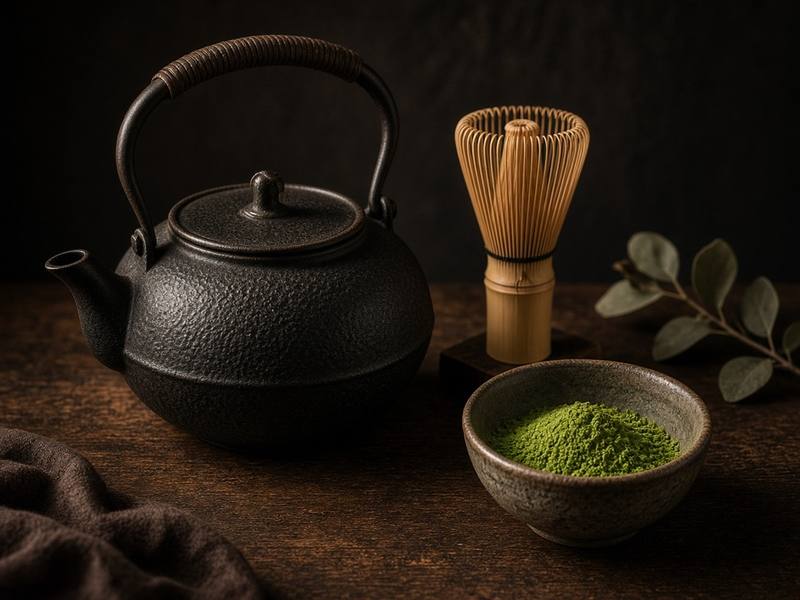
 Visit official site ↗
 Visit official site ↗
 Visit official site ↗
 Visit official site ↗
 Visit official site ↗
 Visit official site ↗
 Visit official site ↗
 Visit official site ↗
 Visit official site ↗
 Visit official site ↗
 Visit official site ↗
 Visit official site ↗
 Visit official site ↗
 Visit official site ↗
 Visit official site ↗
 Visit official site ↗
 Visit official site ↗
 Visit official site ↗
 Visit official site ↗
 Visit official site ↗
 Visit official site ↗
 Visit official site ↗
 Visit official site ↗
 Visit official site ↗
 Visit official site ↗
 Visit official site ↗
 Visit official site ↗
 Visit official site ↗
 Visit official site ↗
 Visit official site ↗
 Visit official site ↗
 Visit official site ↗
 Visit official site ↗
 Visit official site ↗
 Visit official site ↗
 Visit official site ↗
 Visit official site ↗
 Visit official site ↗
 Visit official site ↗
 Visit official site ↗
 Visit official site ↗
 Visit official site ↗
 Visit official site ↗
 Visit official site ↗
 Visit official site ↗
 Visit official site ↗
 Visit Facebook ↗
 Visit official site ↗
 Visit official site ↗
 Visit official site ↗
 Visit official site ↗
 Visit official site ↗
 Visit official site ↗
 Visit official site ↗
 Visit official site ↗
 Visit official site ↗
 Visit official site ↗
 Visit official site ↗
 Visit official site ↗
 Visit official site ↗
 Visit official site ↗
 Visit official site ↗
 Visit official site ↗
 Visit official site ↗
 Visit official site ↗
 Visit official site ↗
 Visit official site ↗
 Visit official site ↗
 Visit official site ↗
 Visit Instagram ↗
 Visit official site ↗
 Visit official site ↗
 Visit official site ↗
 Visit official site ↗
 Visit official site ↗
 Visit official site ↗
 Visit official site ↗
 Visit official site ↗
 Visit official site ↗
 Visit official site ↗
 Visit official site ↗
 Visit official site ↗
 Visit official site ↗
 Visit official site ↗
 Visit official site ↗
 Visit official site ↗
 Visit official site ↗
 Visit official site ↗
 Visit official site ↗
 Visit official site ↗
 Visit official site ↗
 Visit official site ↗
 Visit official site ↗
 Visit official site ↗
 Visit official site ↗
 Visit official site ↗
 Visit official site ↗
 Visit official site ↗
 Visit official site ↗
 Visit official site ↗
 Visit official site ↗
 Visit official site ↗
 Visit official site ↗
 Visit official site ↗
 Visit official site ↗
 Visit official site ↗
 Visit official site ↗
 Visit official site ↗
 Visit official site ↗
 Visit official site ↗
 Visit official site ↗
 Visit official site ↗
 Visit official site ↗
 Visit official site ↗
 Visit official site ↗
 Visit official site ↗
 Visit official site ↗
 Visit official site ↗
 Visit official site ↗
 Visit official site ↗
 Visit official site ↗
 Visit official site ↗
 Visit official site ↗
 Visit official site ↗
 Visit official site ↗
 Visit official site ↗
 Visit official site ↗
 Visit official site ↗
 Visit official site ↗
 Visit official site ↗
 Visit official site ↗
 Visit official site ↗
 Visit official site ↗
 Visit official site ↗
 Visit official site ↗
 Visit official site ↗
 Visit official site ↗
 Visit official site ↗
 Visit official site ↗
 Visit official site ↗
 Visit official site ↗
 Visit official site ↗
 Visit official site ↗
 Visit official site ↗
 Visit official site ↗
 Visit official site ↗
 Visit official site ↗
 Visit official site ↗
 Visit official site ↗
 Visit official site ↗
 Visit official site ↗
 Visit official site ↗
 Visit official site ↗
 Visit official site ↗
 Visit official site ↗
 Visit official site ↗
 Visit official site ↗
 Visit official site ↗
 Visit official site ↗
 Visit official site ↗
 Visit official site ↗
 Visit official site ↗
 Visit official site ↗
 Visit official site ↗
 Visit official site ↗
 Visit official site ↗
 Visit official site ↗
 Visit official site ↗
 Visit official site ↗
 Visit official site ↗
 Visit official site ↗
 Visit official site ↗
 Visit official site ↗
 Visit official site ↗
 Visit official site ↗
 Visit official site ↗