Jewellery sits among sculpture and household objects at Wild Gecko Handicrafts, whose Accra selection draws on Ghanaian and West African craft. Imseeh Jewelry offers gold and diamond pieces through its Amman network, extending from everyday jewellery to wedding collections. Amsterdam's Anna + Nina carries recycled 14K jewellery and personalised charms, with vintage rings among its other pieces.
What makes great jewelers & silversmiths?
This plate lists 1,287 shops in 118 countries. Paris has the most with 54, followed by Nairobi with 14. Among these shops, 122 describe made-to-order work, 64 offer repairs, 136 sell online and 10 work by appointment, going by their own descriptions.
Ask who made the piece: a shop that can name the bench and the person at it is selling something different from finished stock.
Ask for the metal standard and the stone: ask for purity rather than colour, and for any grading document that comes with a stone.
Ask whether it can be resized or repaired: settle the terms for sizing and repair before buying anything that has to fit.
Some jewellers only see clients by appointment. BAUNAT asks visitors to book ahead for its Antwerp showroom at Schupstraat 21, so check before you travel.
Explore jewelers & silversmiths
Use the city plates when they appear below, or open any store for its official door and related ORBIS city and craft links.
Jewelers & Silversmiths · 1,287 shops, the best first
Arven is a Bergen house for handcrafted silverware and unique jewellery made in Bergen. Founded in 1868; Made through the Bergen gold- and silversmith workshop.
Best for Handcrafted silverware and unique jewellery made in Bergen
The silversmith of the North since 1904 — Art Nouveau hollowware to Ilse Crawford; the Amagertorv flagship gleams like a vault opened for visitors.
Best for Silver hollowware & Nordic jewelry
Georg Jensen, a sculptor turned silversmith, opened his Copenhagen workshop in 1904 and built the case that silver could carry modern art: his Art Nouveau hollowware and jewelry — grapes, blossoms, hammered surfaces — won international acclaim, and the designers he gathered made the smithy a movement. The house's collaborative model produced landmarks across a century: Johan Rohde's Acorn cutlery, Henning Koppel's biomorphic pitchers, Arne Jacobsen's steel, Vivianna Torun's open bangle watch. The Amagertorv flagship on Strøget presents jewelry, watches, hollowware, and home silver in the house's home city, where the silversmithy tradition continues. The silver jewelry — Möbius rings, Torun bangles, Koppel pieces — is the accessible entry; the hollowware is the museum-grade summit. Danish design's entire twentieth century can be read in this one company's catalogue.
The Amagertorv store displays museum pieces beside current stock; ask to compare a vintage-pattern piece with its modern production — the continuity is the house's proof.
Parisian medal-maker and jeweler since 1803 — christening medals, Académie swords and fine gold charms. The current presidential Grand Collier of the Legion d honneur, first given to Vincent Auriol on 1 December 1953, was made by Arthus-Bertrand (Grande Chancellerie press dossier).
Best for Christening medals, Académie swords, and gold charms since 1803
Arthus-Bertrand traces its origins to 1803, when Claude Arthus-Bertrand, a former military officer with a strong interest in scientific exploration, established a Paris bookshop and publishing house; he went on to serve as official publisher to the French Naval Ministry, releasing accounts of contemporary expeditions. The company's present identity as a medal and jewelry house dates to 1889, when the marriage of Claude's grandson to Marie-Adelina Marion -- daughter of the owner of a military embroidery and insignia workshop -- merged the two family businesses. The combined firm went on to manufacture France's Legion of Honor medals and decorations for the French state, along with académie swords, civic and military honors for roughly fifty countries, and fine jewelry. Arthus-Bertrand holds the official French government designation "Entreprise du patrimoine vivant" (Living Heritage Enterprise), recognizing rare artisanal know-how, and the house has engraved the ceremonial grand collar of the Legion of Honor worn by every French president at inauguration since Vincent Auriol in 1953, each one personalized with the president's name and military insignia. The firm's clientele has historically included Napoleon III and successive French ministries. Today Arthus-Bertrand operates multiple Paris boutiques, including long-established locations on rue Royale and rue Bonaparte, alongside its continuing state and institutional decoration work.
Boucheron was the first jeweler to open on Place Vendôme, moving to No. 26 in 1893 though the maison had already existed since 1858. Its designs include the Serpent Bohème, the Quatre ring, and the clasp-free question-mark necklace.
Best for Quatre ring, Serpent Bohème
Frédéric Boucheron was the first of the great jewelers to move to Place Vendôme, opening at No. 26 in 1893 — legend says he chose the sunniest corner of the square so his diamonds would catch the light. The maison had already existed since 1858; the address made it an institution, and every rival that followed was, in effect, moving into Boucheron's neighborhood.
The house style has always been more daring than its neighbors'. The Serpent Bohème, born of a protective serpent necklace Frédéric made for his wife Gabrielle, coils through the catalogue; the Quatre ring stacks four of the maison's codes — gold grosgrain, clous de Paris — into modern architecture; the question-mark necklace, clasp-free and asymmetric, scandalized and seduced the Belle Époque. Under creative director Claire Choisne the high-jewelry collections have become the square's avant-garde — jewels in titanium, rock crystal, even sand.
Now part of Kering, Boucheron keeps its salons above the original shop — 26 Place Vendôme, still the sunniest corner.
Paris jeweler founded in 1847 by Louis-François Cartier; earned a royal warrant in 1856 and the title 'jeweler of kings'; introduced the Santos watch (1904), the Tank (1917), the panther motif (1914), and the Love bracelet (1969).
Best for Love bangles and Tanks.
"The jeweler of kings, the king of jewelers" — the phrase attached itself to Cartier because the client ledgers made it undeniable: crowned heads across Europe and beyond commissioned from the house, and the royal warrants accumulated like the pearls in its inventories. Since 1847, Cartier has occupied the precise point where jewelry becomes language — and its vocabulary is the most fluent in the business.
Three words do most of the talking. The Tank, born from the geometry of the machine age, made the rectangular watch permanent — a shape so correct it has never needed rescue or revival, only continuation. The Love bracelet turned commitment into hardware: an oval of gold that closes with its own screwdriver, jewelry as a small ceremony of intention. And the panther — Cartier's great familiar — prowls across brooches, rings, and watches, muscled in diamonds and onyx, the house's wildness kept precisely under control.
Made in France, the pieces travel as a portable court: wherever gold is taken seriously, Cartier's grammar is already understood. This Florentine address on Via della Vigna Nuova places the house in the city that practically invented the goldsmith's art — a respectful visit from the jeweler who went on to dress the kings Florence's bankers once financed. The red box, the screw motif, the panther's gaze: a hundred and seventy years of luxury's most complete sentence, still being written.
Napoleon’s jeweler on Place Vendôme — Joséphine tiaras, Bee My Love honeycombs and imperial heritage. after making Napoleon's coronation sword and Pius VII's tiara, Nitot became jeweller to the imperial court and appointed supplier to Empress Joséphine (block dated 1804–1815). Son François-Regnault moved workshops to Place Vendôme no. 15 in 1812 (now the Ritz).
Best for Joséphine tiaras and Bee My Love honeycomb jewelry from Napoleon's Place Vendôme
Chaumet's founding client list needs only one name: Napoleon. Marie-Étienne Nitot, who established the house in 1780, became the Emperor's official jeweler — the coronation crown, the consular sword bearing the Regent diamond, and tiaras for both empresses, Joséphine and Marie-Louise. The maison has traded on that imperial intimacy ever since; Joséphine is not a muse here but a product line.
The tiara remains the house signature — Chaumet has made more than 3,500 of them, and its Place Vendôme salons keep a museum of nickel-silver tiara maquettes that reads like a crown registry of Europe. The Bee My Love collection turns Napoleon's imperial bee into honeycomb pavé; Liens ties its knots through wedding registers.
The maison has occupied 12 Place Vendôme since 1812 — Chopin died upstairs — and its grand salon still looks onto the column cast from Austerlitz cannon. Two centuries after the coronation, Chaumet remains what it was hired to be: the jeweler of French sovereignty, now sold by the carat.
French silversmith since 1830 — Mood egg flatware capsules and the art de la table of embassies. In 1842 Charles Christofle bought the patents for silver and gold electroplating and, official text says, was the only patent holder in France for 15 years; Louis-Philippe ordered a service for Château d’Eu.
Best for Mood egg flatware capsules and embassy-grade silver tableware since 1830
Charles Christofle, a jeweler by training, acquired the French patents for electroplating in 1842 and turned silver from aristocratic hoard into republican splendor — Christofle, founded 1830, became goldsmith to King Louis-Philippe, then to Napoleon III, whose imperial table it laid entire. The Tuileries burned; the craft survived; the house has set the French state's grandest tables ever since, embassies and Élysée included.
The catalogue is table history itself: Marly's rococo flourish, the Art Deco masterpieces of the 1920s and 30s created with Gio Ponti and Luc Lanel — the house's Normandie ocean-liner commissions remain collector grails — and the Mood egg, a mirrored capsule holding service for six, which made silverware an object of desire for apartments without butlers.
Production continues at the Normandy ateliers in Yainville with silversmithing's full trade intact. Owned by the Chalhoub family group since 2012, Christofle remains the argument France perfected: that civilization is measurable in the weight of a fork.
A New York fine-jewelry house founded in 1932 by Harry Winston, who bought the 45.52-carat Hope Diamond in 1949 and donated it to the Smithsonian in 1958; its Paris salon at 29 Avenue Montaigne has operated since the early 1960s.
Best for The Hope Diamond's donor and Oscar-night jewel lender, on Avenue Montaigne.
Harry Winston founded his jewelry company in New York in 1932, opening a Fifth Avenue salon and shifting from diamond dealing into designing and selling jewelry under his own name. He built a reputation for handling major historic stones, most famously purchasing the 45.52-carat Hope Diamond in 1949; in 1958 he donated the diamond to the Smithsonian Institution, a gift that became the founding centerpiece of the museum's National Gem Collection and remains on public display in Washington, D.C. Winston's Paris presence dates to the early 1960s, when he opened a salon at 29 Avenue Montaigne, in the same stretch of the 8th arrondissement associated with the city's major couture and jewelry houses; Winston himself presented collections there in person during that period. The Avenue Montaigne salon was renovated in 2014 and continues to operate as the house's flagship high-jewelry location in Paris. The company has also loaned jewelry for major public occasions, including Academy Awards ceremonies, and its association with the Hope Diamond remains central to how the house's history is presented publicly today.
Paris high-jewelry house founded 1613 by a family of tinkers from Val Vigezzo, Italy, and passed down 14 generations. Billed as the world's oldest jewelry house and the last independent one in France, it remains headquartered at 9 Rue de la Paix near Place Vendome.
Best for Historic Paris jeweler with high jewelry, precious stones, and old-world craft
Mellerio dates its founding to 1613, tracing its origins to an Italian family from the Val Vigezzo valley in northern Italy who first worked as itinerant tinkers before establishing themselves in the French jewelry trade. The house describes itself as the oldest family-owned jewelry house in the world and the last independently owned one in France, with the business having passed through 14 generations of the same family. It has long been associated with the Place Vendome district of Paris, describing itself as the first jeweler to settle in that area, and today operates from 9 Rue de la Paix in the 2nd arrondissement. The house's offerings span fine and high jewelry organized into collections such as 'Les Muses,' Giardino and Cabinet de Curiosites, alongside engagement and wedding jewelry, jewelry watches, and a line of fragrances and candles.
German jewelry and accessories house founded in 1984 in Lauf an der Pegnitz by Thomas Sabo, a trained precision mechanic; built its name on ear cuffs and charm bracelets, opened its first store in Frankfurt in 1998, and now sells through roughly 1,200 points of sale in some 70 countries.
Best for Sterling charm jewelry storytelling since 1984
Thomas Sabo GmbH & Co. KG was founded on 8 May 1984 by Thomas Sabo, a trained precision mechanic, in Lauf an der Pegnitz, Bavaria. The company initially sold imported jewelry from Asia before developing its own collections, working with graphic designer Susanne Kolbli to shape its early aesthetic. Its breakthrough product was an ear cuff inspired by London punk style, which became a widely recognised fashion item and helped establish the brand beyond its regional origins. Thomas Sabo opened its first dedicated retail store in Frankfurt am Main in 1998, and has since built out a global network combining owned stores, e-commerce and retail partners.
One of the world's most prestigious jewelry maisons — the Alhambra motif since 1968 and the patented Mystery Set. Its salon at 22 Place Vendôme is the spiritual home of French high jewelry, defined by craftsmanship and stone selection.
Best for Alhambra jewelry and Mystery Set stones.
Van Cleef & Arpels began as a marriage: Estelle Arpels and Alfred Van Cleef wed in 1895, and in 1906 their families opened a boutique at 22 Place Vendôme, where the maison still stands. The address matters — this is the square's romantic jeweler, the one that made poetry rather than power its register.
Two inventions define the house. The Mystery Set, patented in 1933, seats rubies and sapphires so no metal shows — a carpet of pure stone that only a handful of the maison's own hands can execute. And the Alhambra, born 1968, turned a quatrefoil of luck into the most recognizable motif in fine jewelry, worn from Grace Kelly's era to this morning's métro. Between them came the Minaudière, the jeweled evening case the house invented in the 1930s, and the zip necklace suggested by the Duchess of Windsor.
The Place Vendôme salon remains the pilgrimage point: high-jewelry ballerinas, fairy clips, and stone selection that jewelers themselves speak of in lowered voices.
A seven-generation Delhi jewellery house tracing its lineage to the walled city of Shahjahanabad, Shri Ram Hari Ram is known for polki, gold and diamond bridal jewellery. Its flagship showroom in Saket offers personalised appointments, custom design and upgrading services.
Founded in 1886 in Bowbazar, Kolkata's traditional jewellery quarter, this family-run house grew from a single goldsmith's shop into a multi-generation gold, diamond, and bridal jewellery business. It still trades on Bengali craftsmanship traditions for pieces like the tabij and cabling-work bangles associated with the city.
Best for Bengali gold and bridal jewellery from an 1886 house
Mario Buccellati opened his Milan goldsmith house in 1919, developing hand-engraving techniques such as rigato's parallel lines and tulle engraving that turns gold into lace. The house is now led by the fourth generation, Andrea and Lucrezia Buccellati.
Best for Hand-engraved gold and heirloom silver.
Mario Buccellati opened in Milan in 1919 and D'Annunzio, his most flamboyant client, called him "the Prince of Goldsmiths." The nickname stuck because the work was unmistakable: gold treated as fabric. Buccellati's engravers use techniques the Renaissance would recognize — rigato's parallel lines that make metal shimmer like silk, tulle engraving that turns gold into lace — executed with tools essentially unchanged in a century.
The house is a dynasty in the literal sense. Gianmaria Buccellati carried his father's craft through the twentieth century; today Andrea Buccellati oversees creation with his daughter Lucrezia, the fourth generation. The signatures compound across formats — the Macri bracelets, honeycomb Tulle rings, Ornato silverware that sets embassy tables, and the annual one-of-a-kind cocktail rings that collectors treat as a vintage.
Since 2019 the maison has been part of Richemont, its ateliers still in Italy, still hand-engraving. In an industry of polished surfaces, Buccellati sells texture — the only house whose gold you recognize by touch.
Hemmerle is a fourth-generation Munich jewellery house on Maximilianstrasse, where it has traded since 1904, creating one-of-a-kind jewels that pair rare stones with unorthodox metals like iron and copper. The boutique welcomes visitors by appointment for its sculptural, made-to-order pieces.
Naples goldsmith atelier founded 1894 by Raffaele Barbarulo, documented via his 1894 marriage record; now run by his great-grandson Cristiano Barbarulo, the fourth-generation jeweller, since 2012.
Best for Neapolitan cufflinks and studs.
Barbarulo Napoli 1894 is a family goldsmith's workshop in Naples specializing in handmade cufflinks and jewelry. Its founding is dated to 1894 via an act of marriage recording founder Raffaele Barbarulo's trade as a goldsmith in the province of Naples that year. The business passed down through the family across four generations; Cristiano Barbarulo, Raffaele's great-grandson, took over running the atelier in 2012 as the last direct descendant still active in the trade, continuing the handcrafted production methods while developing the range further. The workshop is known for bespoke cufflinks and has supplied pieces used in film, including for Michael Caine in Youth and Geoffrey Rush in The Best Offer.
Naples jeweler on Via San Biagio dei Librai, inside the Renaissance Palazzo Marigliano; bought as a shop in 1922 by Maria, widowed after her husband Paolo's earlier goldsmith workshop in the Sanità district closed, and still family-run in gold, silver and coral.
Best for Neapolitan coral and gold.
Salvio Gioielleria's history begins with Paolo, who ran a goldsmithing workshop with more than twenty craftsmen in Naples's Sanità district in the early 20th century — an operation that closed amid wartime disruption. After Paolo's death, his widow Maria, left with three children, bought a shop in 1922 at Via San Biagio dei Librai 41, inside the 16th-century Palazzo Marigliano in the heart of Naples's historic center — the same address the business trades from today. The family has run the shop continuously since that purchase, a stretch the business itself marks as 96 years of operation in its own materials, and describes its continuity as passed 'from generation to generation.' The jewelry mixes gold, silver and coral — coral working has its own long tradition along the Bay of Naples — and the shop also runs a workshop doing restoration of antique and religious objects, engraving, and repairs to gold and silver pieces, plus routine services like watch battery changes.
New York’s blue-box jeweler since 1837 — the Tiffany Setting, Elsa Peretti and Schlumberger under LVMH stewardship. The Fifth Avenue store, open on this corner since 1940, reopened in April 2023 as The Landmark after the LVMH-era renovation.
Best for Blue-box classics.
The blue box precedes the jewelry. Charles Lewis Tiffany opened his New York store in 1837 and spent the century turning American retail into theater: the first retail catalogue, the acquisition of the French Crown Jewels in 1887 that earned him the nickname "King of Diamonds," and the six-prong Tiffany Setting of 1886, which lifted the diamond off the band and became the default grammar of the engagement ring worldwide.
The house's design history is unusually deep for a jeweler its size — Jean Schlumberger's enameled fantasies (Jackie Kennedy's bracelets), Elsa Peretti's Bone cuff and Open Heart, Paloma Picasso's graffiti. Audrey Hepburn at the Fifth Avenue window in 1961 fixed the brand in cinema permanently.
Under LVMH since 2021, the maison has been polished hard — the Landmark flagship on Fifth Avenue rebuilt as a ten-floor museum of itself. The robin's-egg blue, trademarked as a color, remains the point: no other house is identified that completely by a shade.
A landmark of Sicilian jewellery since 1890, Fiorentino has returned to Via Liberta with cases of Marco Bicego, Salvini, Piero Milano and Mattioli alongside its own creations. The Palermo boutique offers bespoke commissions and ships nationally through its online shop.
Best for Landmark of Sicilian jewellery since 1890
A six-generation Maharashtra jewelry house, P N Gadgil & Sons now runs 35 showrooms across 25 cities selling gold, silver, and diamond pieces, backed by an online store at onlinepng.com. Many of its showrooms double as free art galleries, giving space to emerging painters and sculptors alongside the jewelry counters.
Rome jewelry house founded in 1884 by Greek silversmith Sotirio Bulgari, who opened his first boutique on Via Sistina; the flagship moved to Via dei Condotti in 1905, where it became a fixture of Rome's 'Dolce Vita' era. Known for the Serpenti coil motif and bold cabochon-set high jewelry.
Best for Serpenti jewels and Roman high jewelry.
Jewelry houses borrow from antiquity; Bulgari behaves like its heir. Founded in Rome in 1884, the house works as if the classical world were not a museum but a supplier — coins set into gold, cabochons cut bold and domed where Paris whispers in facets, colored stones combined with an appetite the Romans would have recognized as their own. The result reads instantly: this is jewelry from the city of emperors, made by a house that never saw a reason for restraint to be the only form of taste.
The Serpenti is the thesis worn on the wrist: a snake of gold and enamel coiling as if excavated from a villa and improved by modern hinges — antiquity, engineered. It slithers through the house's history from watches to high jewelry, the emblem of a maison that treats glamour as a Roman birthright. Via Condotti, at the foot of the Spanish Steps, is the ancestral address: the boutique where the dolce vita bought its jewels and the twentieth century's most photographed women stopped between films.
Everything is handcrafted in Rome from precious stones and metals, and the Roman-ness is not a marketing note but a working method — the boldness of scale, the saturation of color, the conviction that a jewel should be seen across a piazza. Paris made jewelry an etiquette. Rome, through Bulgari, kept it an appetite.
San Sebastián jewelry artisan since 1935 in Parte Vieja—three-generation family shop handcrafting gold and silver pieces, pearls, chains, and restoration in-house.
Best for Handcrafted jewelry made in-store by a family since 1935
Casa Munoa opened in San Sebastián's Parte Vieja (old town) in 1935 and operates today as a three-generation family jewelry workshop. The current owner, Claudio Munoa, is a master jeweler with over 35 years of experience who designs all pieces created on-site. The business model centers on handcrafted production: customers purchase pieces that Casa Munoa manufactures in its own establishment—'vendemos las piezas que nosotros hemos fabricado en nuestro mismo establecimiento.' Beyond original designs, the shop offers selected pearls, gold chains, vintage jewelry, and full restoration and redesign services for existing pieces. The emphasis on in-house craftsmanship and local Basque production appeals to customers seeking transparency and quality over scale. Located in San Sebastián's historic center, Casa Munoa represents a survival of traditional Spanish jewelry practice in an era when most shops retail imported goods. The three generations of Munoa family stewardship—and Claudio's personal mastery—have sustained consistent standards across eight decades.
Kobayashi Glass has cut Edo Kiriko glassware in Tokyo since founder Kikuichiro Kobayashi apprenticed under a Meiji-era craftsman in 1908, now in its fourth generation with a jewelry line called tokoba. The family workshop sells from its Koto-ward flagship store, which requires an appointment, and through a dedicated online shop.
Best for Edo Kiriko cut glassware and the tokoba jewelry line
Five generations of the Liverino family working the red gold of the Bay of Naples since 1894 — an atelier of coral and semi-precious sculpture with a museum of a thousand pieces gathered by Cavaliere Basilio Liverino.
Best for Coral sculpture and jewellery from the Torre del Greco tradition.
Imperial and Royal Court Jeweller since 1814 — the Vienna house that made Empress Sisi's diamond stars, still crafting haute joaillerie in its own Neuer Markt atelier, six generations on.
Best for Bespoke haute joaillerie and the Sisi stars.
A family-run silversmith with a shop and workshop producing hand-hammered cutlery and tableware. Jean-Paul Vaugoin is the sixth-generation owner; the company was founded in 1847.
Best for Hand-hammered silver cutlery and tableware from a sixth-generation silversmith founded in 1847
Italian high-jewelry maison founded in 1924 by goldsmith Enrico Grassi Damiani in Valenza, Piedmont, a town with a long goldsmithing tradition. Later led by his son Damiano, it grew into a group with boutiques across Europe, Asia, the Middle East and the Americas.
Best for Diamond classics from Valenza's gold district.
Damiani is an Italian high-jewelry maison founded in 1924 by goldsmith Enrico Grassi Damiani in Valenza, a Piedmontese town whose goldsmithing tradition dates back generations. Enrico built a reputation among Italian aristocratic and prominent families for exacting craftsmanship. His son, Damiano, later took over the business, pushing its design language toward newer trends and broadening its reach internationally. Over a century, Damiani expanded from a single artisan workshop into a group with boutiques across Europe, Asia, the Middle East and the Americas, while production has stayed rooted in Valenza. Today it remains under the stewardship of later generations of the Damiani family.
Working out of the same Birmingham building since 1786, Deakin & Francis calls itself Britain's oldest family jewellers. It is run by the seventh generation of the family and still makes cufflinks and signet rings by hand. Their signature is vitreous enamelling — a slow, kiln-fired craft that gives their novelty and heraldic pieces their depth of color.
Founded in 1878 by German immigrant Wilhelm Faller, Faller the Jeweller is a family-run jeweller on Strand Road now in its third generation. It designs and makes pieces in an on-site workshop, including Irish-inspired heritage collections.
Stephen Faller opened his Galway jewellers in 1879, and the shop on Williamsgate Street has made Claddagh and Celtic rings ever since. In 1963 the family presented Claddagh rings to John and Jacqueline Kennedy during their visit to Ireland.
Forghieri Gioielleria is a historic jewellery, watch, and silverware shop that has traded in the heart of Perugia since 1926, curating Buccellati and Fabergé pieces alongside vintage and handcrafted objects. The Corso Vannucci store sells in person and through its companion online shop.
Best for Jewelry & silverware, Watches, Fine Jewellery, Silverware
A goldsmith's shop on the Ponte Vecchio since 1903, now run by the fourth generation of the Piccini family under Elisa Tozzi Piccini. Its ateliers produce fine and one-of-a-kind jewellery across collections such as Bloom, Intreccio and Dot, alongside a watch business.
Best for Bloom, Intreccio and Dot jewellery collections
The last working workshop of C.R. Ashbee's Guild of Handicraft, Hart has hand-raised silver at Chipping Campden's Old Silk Mill since George Hart took over in 1912. His descendants David, William and Julian Hart still make bespoke pieces from thimbles to full tea services.
Best for Ashbee's Guild of Handicraft
Hart Gold & Silversmiths is the last operating workshop descended from C.R. Ashbee's Guild of Handicraft, the Arts and Crafts collective Ashbee founded in London's East End in 1888 and relocated to Chipping Campden in 1902 in an attempt to resettle craft production away from the city. The Guild itself dissolved not long after, but the silversmithing workshop survived: George Hart took over its management in 1912 and kept it running inside the Old Silk Mill on Sheep Street, where it remains today. His son Henry joined in 1930, and the business is now run by the third and fourth generations of the family -- David, William and Julian Hart, alongside longtime silversmith Derek Elliott -- continuing more than a century of hand-raising silver on the same Cotswolds site. The workshop makes domestic silverware, jewellery, and ecclesiastical and civic commissions, taking on pieces that range from a single hand-engraved thimble up to a complete tea service, all still shaped and finished by hand rather than cast or machine-formed. It is one of the few Guild of Handicraft workshops anywhere still producing under its original craft, on its original site, run by descendants of the man who took it over just over a decade after Ashbee founded it.
Based in the same Nelson location since 1960, Jens Hansen is a jeweller of handmade rings and fine jewellery, known worldwide as the maker of The One Ring from the Lord of the Rings films. Its custom and collection pieces are sold at the Nelson flagship and through an online store.
A fixture in the center of Oberstaufen since 1894 and now in its fourth generation under watchmaker Martin Schädler, Juwelier Köhler carries a broad range of jewelry and watches for every taste. Its Bahnhofstraße shop also runs a master workshop handling repairs and warranty work.
Best for Jeweler, watches, wedding rings, goldsmith, jewelry
Juwelier Schott has been an independent, family-run jeweler and watchmaker at Lange Gasse 36 in Tübingen since 1909, now run by the third and fourth generations of the family. The shop carries watches from brands like Junghans and Tissot alongside gold, silver and rose-gold jewelry and wedding rings, with battery changes and repairs done in-house.
Europe's first porcelain manufactory, founded in 1710 in Meissen after Johann Friedrich Böttger cracked the formula for hard-paste porcelain, still hand-paints its tableware, figurines, and art objects on-site in Saxony. Its crossed-swords mark, adopted in the 1720s, is among the world's longest continuously used trademark for porcelain.
Best for Hand-painted porcelain tableware and collectible figurines
Payne & Son has traded as jewellers and silversmiths in Oxford since 1889, run by the same family at 131 High Street. It sells designer and gemstone jewellery, new and second-hand silverware, and takes commissions for bespoke pieces.
Best for Jewelry, silversmithing, watches, silverware
Poland's oldest jewelry company, tracing to an 1840 Poznan workshop; renamed W.Kruk after Wladyslaw Kruk took over in 1893, it's now a national chain of 160+ stores, Poland's exclusive Rolex (2004) and Patek Philippe (2020) representative, with a manufactory near Poznan.
Best for Jewellery, watches
W.KRUK's history begins in 1840, when Leon Skrzetuski opened a workshop in Poznan producing liturgical items and made-to-order jewelry. His nephew, Wladyslaw Kruk, took over the business in 1893 and became the first jeweler in the Poznan market to publish an illustrated catalog; in 1896 he opened the first salon under the W.Kruk name. The firm expanded into Swiss watch brands between the wars, modernized production starting in 1974, and listed on the Warsaw Stock Exchange in 2003. It became Poland's official Rolex representative in 2004 and Poland's exclusive Patek Philippe representative in 2020. Today W.KRUK operates more than 160 stores across Poland.
Weir & Sons has traded from the corner of Grafton Street and Wicklow Street since 1869, its curved windows a fixture of Dublin's main shopping street. The family-run house sells fine watches and jewellery and keeps departments for antique silver, china and glass.
Best for Fine jewellery, watches and antique silver
Imseeh Jewelry spans everyday gold and diamond pieces, wedding jewelry and high jewelry, with rings, bracelets, necklaces, earrings and men's gifts across several named collections. Its Amman network is joined by stores in Dubai and Istanbul.
Best for Imseeh Jewelry spans everyday gold and diamond pieces
Anna + Nina is part jewelry house, part maximalist cabinet: recycled 14K pieces, birthstone and initial charms, vintage rings, homeware, clothing and an assortment of outside labels. Worldwide delivery is explicit, but its multi-brand breadth makes it a retailer exception rather than a pure maker-only admission.
Best for Recycled 14K jewelry, birthstone and initial charms, personalized pieces and vintage rings
Jewelry Box is an Abuja goldsmith and bead store whose owner is a certified jewelry designer who also teaches goldsmithing. Pieces are made in gold and sterling silver, including custom wedding and engagement rings.
Best for Custom gold jewelry and goldsmith training
Adjeley Jewelry operates from an Accessory Closet at the Treehouse Restaurant on Plot 1, West Light Industrial Area, Osu, Accra. The collection features brass earrings and other brass pieces available to try on in store.
Founder Ebenezer Akakpo apprenticed with a goldsmith in Ghana before studying design and stone setting at Le Arti Orafe in Florence. His jewelry draws on Adinkra symbols from Ghanaian culture.
Emefa Jewellery works in 18 carat gold, sterling silver and cubic zirconia from its base in Accra. The collection also includes traditional beadwork such as Chevron and Aggrey trade beads.
Fanti Jewellery makes engagement and wedding rings in 18 karat and 14 karat gold from its shop in Accra. Other jewellery pieces are also crafted to order in gold on request.
Kua Designs describes itself as a brand inspired by African culture, selling limited-edition accessories and apparel pieces. Its jewelry and clothing have both appeared at Nordstrom and at Essence Fest.
Best for Limited-edition African-inspired accessories
Menorah Jewelry crafts gold and silver pieces in Accra, working in 18ct gold and sterling silver. Its Menorah by You service lets customers create bespoke jewelry to their own design.
Myth House is a handmade accessory brand from Ghana known for its jewelry and swimwear. The label has shown its swimwear collection at Miami Swim Week.
Anne Silver Ethiopia sells handcrafted jewelry and accepts custom design orders at an affordable price, per its Instagram bio. Its Instagram account has 257 followers.
Tjanpi Desert Weavers is a social enterprise of the NPY Women's Council representing over 400 artists from 26 communities on the Ngaanyatjarra Pitjantjatjara Yankunytjatjara (NPY) Lands, with a gallery at 3 Wilkinson Street, Alice Springs. Artists work with natural plant fibre, including raffia, to make woven baskets, sculptures such as dogs, lizards and birds, wall hangings and jewellery.
Jewelry line by Amsterdam-based designer Irem Sesigur, founded 2013: fine layered chains and coin pendants drawn from her Lycian heritage and travels, sold online and via boutiques.
Best for Layered chains and coin pendants shaped by Irem Sesigur's Lycian heritage
Maison Irem is a jewelry line founded in 2013 by designer Irem Sesigur, who was born in the Mediterranean region and is based in Amsterdam. She started the brand after being unable to find jewelry that matched her own taste, building a collection around fine, layered chains and intricate coin motifs drawn from her Lycian ancestry and her travels. The pieces are designed for stacking or wearing alone, aimed at an understated, everyday style rather than statement jewelry. Maison Irem sells directly through its own site, maisonirem.com, and through a number of multi-brand retailers and showrooms. The brand consistently describes itself as Amsterdam-based; its layered chains, coin motifs and Lycian references belong to that Amsterdam context rather than a Paris boutique story.
This independent Andermatt house designs its own ASW timepiece line alongside fine jewellery. Homeware and artful living pieces share the Alpine showroom.
Best for Swiss watches, fine jewellery and artful living pieces
Artisans de Madagascar operates a boutique at 8 rue des Sapins in Clairvaux-les-Lacs, France, selling minerals, lithotherapy stones and gemstone jewelry sourced from regular trips to Madagascar. The business also offers incense, spices and vanilla alongside its stone and jewelry range.
Madagascar Stones, based in Antananarivo, procures, cuts and wholesales raw and finished industrial stones from Madagascar, including amazonite, agate, labradorite and tourmaline, and fashions them into jewelry such as pendants, bracelets and earrings. The company states its goals include showcasing Madagascar's industrial stones and providing employment for young Malagasy people.
Stoneland Madagascar fabricates and sells minerals from Madagascar as raw stones, polished stones, sculpted forms and jewelry, employing around 25 families across extraction, polishing and jewelry-making with traceability to local mines. It sells online, through virtual showroom video calls, and at more than 15 French mineral and wellness fairs a year, with heart-shaped stone sales supporting the Enfants Precieux children's education association.
Best for Polished madagascar minerals and stone jewelry
Jade Maya has mined, cut and polished jadeite in Guatemala since 1974, with Guatemalan craftspeople carrying forward the carving traditions the company set out to revive. Museum replicas, one-of-a-kind pieces and Maya day-sign jewellery create a direct place-to-product connection rooted in local stone and craft.
Best for Guatemalan jadeite, Maya replicas and day-sign jewelry
Jade Maya was founded in 1974 by archaeologist Mary Lou Ridinger and her husband Jay Ridinger, who came to Guatemala to solve an archaeological problem. They wanted to know what had become of the jade sources used by the Maya and six other ancient civilizations over three thousand years. That year they rediscovered the deposits along the tectonic plate boundary that runs east to west through central Guatemala. Samples sent to the Gemological Institute of America confirmed jadeite, which is the harder and rarer of the two jades. Instead of exporting rough stone, the Ridingers chose to restart a carving industry that had been lost at the Spanish Conquest. They built a factory in September 1974 and trained descendants of the Maya to carve replicas of ancient treasures. The company now describes some 63,000 square feet of factory and showroom space with a museum. Over 300 Guatemalans earn a living from mining and carving jade, and from selling it. Everything is cut and polished in-house, from museum-quality replicas to jewellery in lavender jade and Olmec blue jade. Finished pieces go straight to the showroom at 4a Calle Oriente No. 34 in Antigua Guatemala, one of eight shops in the country. In March 1999 President Bill Clinton spent two hours in the factory and showroom, and a percentage of web sales supports scholarships through the Maya Conservancy.
Founded in 2012, this Antigua studio takes its name from the Maya underworld phrase for "the place where stones are born," and its jewelers carve jade alongside gold and silver metalwork for rings, cuffs, and earrings. The workshop deliberately leaves tool marks and irregularities visible in the finished pieces, treating that texture as evidence of the hand behind the work, and also teaches jade-carving classes to visitors.
Best for Contemporary jade, gold, and silver jewelry
House of Bones is a rock, punk and gothic fashion boutique on Kammenstraat in Antwerp, stocking clothing, band merch and jewelry from labels like Banned, Queen Kerosin and Brandit. Beyond the storefront, the brand runs an online shop and a members' community for swapping festival tickets and band merch.
Best for Alternative fashion, rock & gothic apparel, jewelry
MoMu's museum shop turns Antwerp fashion scholarship into objects: exhibition catalogues, Antwerp Six stationery and totes, city guides, jewelry and limited collaborations. Much of the assortment is exclusive to the physical shop, making this a destination-only retailer rather than an online or internationally shipping house.
Best for Exhibition catalogues, Antwerp Six accessories and limited collaborations
Grovewood Gallery presents American art and craft across two floors in Asheville's historic Grovewood Village, with work by makers from around the country. Established in 1992, the gallery occupies a site once used by Biltmore Industries for weaving and woodworking. Visitors can explore studio furniture upstairs and outdoor sculpture alongside smaller works ranging from glass to ceramics and jewellery.
Best for American craft, studio furniture and outdoor sculpture in Asheville
Grovewood Gallery occupies the former weaving and woodworking complex of Biltmore Industries, on eleven acres beside the Omni Grove Park Inn in Asheville. Edith Vanderbilt founded that enterprise with two teachers, Eleanor Vance and Charlotte Yale. By the late 1920s, under Fred Loring Seely, it ran more than forty looms turning out handwoven wool fabric that shipped as far as China and Uruguay.
The customer list from those years ran to Thomas Edison, Henry Ford and Helen Keller, along with several American presidents and first ladies.
The gallery that fills the site now represents over 350 artists and craftspeople from across the United States, in a collection running from tableware to furniture. It is not a museum shop bolted onto a historic site. Working artist studios sit on the grounds, and craft demonstrations run through the year alongside rotating exhibitions.
The rest of the village holds the Biltmore Industries Homespun Museum and an antique car museum. A docent-led history tour ends inside the original Dye House, which is otherwise closed to the public and still holds the dye vats and the spinning mule.
Reached through the Stathatos Mansion entrance while the museum's main doorway is under construction, the Cycladic Shop sells jewelry, ceramics, and gift items inspired by the Museum of Cycladic Art's collection, from figurine-shaped earrings to reproduction ceramic bowls. Every purchase supports the Athens museum's educational and scientific programs.
Best for Jewelry, ceramics and gifts inspired by the Museum of Cycladic Art collection
Athens-founded jewelry, watch and accessories brand established in 1982; after a major 2018 accounting-fraud scandal and its founders' 2020 conviction, the label continues trading in Greece through a restructured entity, FF OPSCO.
Best for Fashion jewellery
Folli Follie was established in Athens in 1982, starting as a jewelry manufacturer before launching a watch line in 1994 and opening its first overseas store in Japan in 1995. The company grew into an international accessories retailer before a hedge fund's 2018 investigation found that Folli Follie had overstated its store count and misrepresented its finances; Greek prosecutors found that chairman Dimitris Koutsolioutsos and his son and then-CEO George Koutsolioutsos had forged bank statements between 2009 and early 2018. Greek courts convicted the pair, handing down sentences of 10 to 17 years in 2020, with investigators estimating total losses to investors and creditors at roughly 413 million euros. The Folli Follie brand itself continued trading afterward: its current retail site identifies the operating company as 'FF OPSCO' and lists four active Athens stores alongside an online shop.
On the ground floor of the Ilias Lalaounis Jewelry Museum near the Acropolis, the ILJMuseum Shop sells fine and artistic jewelry, decorative objects, and souvenirs alongside scholarly and general-interest art publications. The shop also takes custom orders for jewelry and objects in production, plus postcards and posters available in person or by mail order.
Founded by goldsmith Ilias Lalaounis near the Acropolis, this Greek house draws its collections from ancient and Byzantine motifs. Its archaeological-style jewelry earned an international following.
LoFi Concept is both an independent record shop and working ArtLab in Athens’ Koukaki neighborhood. The lab makes jewelry, pots, lamps and paintings from scratch, while the record section ranges across jazz, Afro-Latin, reggae, hip-hop, ambient, techno and other exploratory music.
Best for Vinyl records, handmade art objects and ArtLab goods
Jewelry studio (est. around 2019) with a showroom at Praxitelous 33 in Athens and a second base in Naousa, Paros. Makes sculpted necklaces, earrings, bracelets and rings set with stones including quartz, citrine, kyanite and aquamarine.
Best for Handcrafted sculptural jewelry in silver and gold.
Neso Studio is a jewelry atelier founded around 2019, with its main showroom on the fourth floor of Praxitelous 33 in central Athens and a second base in Naousa, on the island of Paros. Each piece is made using the traditional technique of wax sculpting -- carving or modeling a design in wax before it is cast -- and every finished piece is cast in sterling silver (925) and hand-finished with a signature 18-karat gold plating. The studio incorporates precious and semi-precious gemstones, including quartz, citrine, kyanite and aquamarine, set into sculptural necklaces, earrings, bracelets and rings. According to the studio's own account of its process, a single piece takes at least five days to complete from wax model to finished object, reflecting a small-batch, hand-executed production process rather than mass manufacturing. The dual Athens/Paros footprint mirrors a common pattern among contemporary Greek jewelry ateliers, which often split time between a year-round city studio and a base in the Cyclades tied to the summer season and to island-based material and craft traditions.
SHOP AT EMST is the official online store of the National Museum of Contemporary Art Athens, selling exhibition-linked prints, jewellery, and fashion pieces such as the 3Quarters x EMST collaboration. Current offerings include hand fans and prints tied to the museum's Earth to Earth and Voices exhibitions, with every purchase supporting the museum.
Founded in 1895, this Greek gold house is known for museum-inspired ancient-Greek goldwork and haute joaillerie. Its craft draws directly on antiquity.
Mickey Lynn handcrafts small-batch artisan jewelry in Atlanta using 14k gold filled metal and gemstones including druzy, labradorite, larimar, pearl, tourmaline, and turquoise, and has operated since 2006. The shop also offers permanent jewelry appointments and a lifetime guarantee.
Best for Gold filled gemstone jewelry and permanent pieces
Bijoux is a jeweller at 208 Ponsonby Rd, Auckland, operating since 1988, offering custom design, repairs and alterations in sterling silver and gold. Their pieces include engagement rings, wedding bands, necklaces, bracelets and earrings set with freshwater pearls, diamonds and sapphires.
Kura Gallery has featured Maori and New Zealand artists since 1998, with stores at 95A Customs Street West in Auckland's Viaduct Basin and 19 Allen Street in Wellington's Courtenay Quarter. It sells traditional and contemporary Maori carving, original artworks, jewellery, furniture and pounamu/greenstone.
The Third Eye has spent more than 20 years on Auckland’s Karangahape Road, building an eclectic ethical-trading shop around conscious sourcing. Its large in-store range spans jewelry, crystals, incense, clothing, handicrafts, homeware and spiritual goods.
Best for New Zealand design, gifts and lifestyle goods
Designer Rasmina Gurbatova founded this author jewellery brand in 2012, reinterpreting ancient Azerbaijani patterns and ornaments in contemporary pieces. Each item arrives with an illustration explaining the heritage motif behind it.
Best for Contemporary jewellery inspired by Azerbaijani ornament
Tigerlillyshop designs handcrafted sterling silver jewelry cast directly from natural objects, including impressions from an elm tree along Baltimore Street near Patterson Park, from its Mount Vernon Marketplace location in Baltimore. Designer Allison Fomich makes each piece to order, including branch and twig necklaces, impression necklaces, and spoon ring reproductions.
A specialist contemporary art-jewelry gallery representing Thai and international makers. Established 2010.
Best for Contemporary art jewelry from Thai and international makers, since 2010
ATTA Gallery was founded in 2010 by Atinuj (Atty) Tantivit, becoming Thailand's first gallery dedicated specifically to contemporary art jewelry. Tantivit's path to the gallery was unconventional: her first career was in marine resource management, and only after pursuing a graduate gemologist certificate -- and years spent collecting Native American jewelry while living in the United States -- did she pivot toward representing studio jewelers working outside conventional fine-jewelry norms. The gallery's name, ATTA, comes from Pali, the ancient Indian liturgical language also used in Thai, and means "self," a deliberate nod to its founding emphasis on the individual expression of both makers and collectors. ATTA opened its doors at the end of August 2010 in a 50-square-metre space at O.P. Garden, with an official opening that November. Marking its 2020 anniversary, the gallery relocated to a considerably larger space at Warehouse 30, in the Charoenkrung district that anchors Bangkok's Creative District. In 2022 ATTA broadened its remit beyond jewelry to represent a wider range of contemporary visual art, with a continued emphasis on materiality, while retaining its founding identity as a hub for Thai and international studio jewelers.
Mosstories sells handcrafted necklaces and ornaments alongside basic apparel from its shop in Siam Square, Bangkok. The accessories are designed to pair with simple, solid-colored T-shirts and everyday basics.
Best for Handcrafted necklaces and ornaments alongside basic apparel
Thai jewelry house founded 2008 by artist Sarran Youkongdee, known for art-to-wear pieces; flagship studio opened at River City Bangkok's art mall in April 2024.
Best for Handmade jewelry transforming natural and everyday references
SARRAN is a Thai jewelry house founded in 2008 by artist Sarran Youkongdee, who works in an "art-to-wear" style treating jewelry as wearable sculpture rather than conventional adornment, often built around flower and nature motifs. Youkongdee's work has drawn international recognition, including the MAD Museum New York/Tiffany & Co. Foundation Award in 2018, and wider visibility after BLACKPINK member Lisa wore one of the brand's headpieces in the music video for her 2021 solo single "Lalisa." In April 2024, SARRAN opened its first flagship, called "Life Studio," at River City Bangkok, a riverside art-and-antiques complex on Charoen Krung Road - the brand's inaugural dedicated retail space since its founding. Roughly twice the size of the brand's earlier space, the two-floor studio was designed by the Paris-based architecture firm RDAI and blends contemporary lines with Thai vernacular details: bamboo screening, locally woven carpets, and a curved, champagne-toned facade. The space combines showroom and workshop functions, including a tea lounge for clients, and displays collections such as The Ambassador and Oriental Blue alongside a signature "Made in Soul" perfume line. Product categories span earrings, rings, necklaces, bangles, ear cuffs, hairpieces and pins.
Barcelona jewelry line founded in 2018 by designer Adriana Manso, known for chunky, brightly colored acrylic 'bon-bon' rings hand-cast at a family-run workshop using recycled and locally collected plastic.
Best for Barcelona Y2K resin rings and plastic-fantastic jewels
La Manso was started in Barcelona in 2018 by designer Adriana Manso, whose background is in lighting design for theatre. The brand's starting point was upcycling acrylic costume jewelry sourced from vintage shops around Spain, inspired by pieces from her grandmother's own collection. The signature product is the 'bon-bon' ring - large, brightly colored plastic baubles set with rhinestones and gold-tone orbs - made by hand at a family-run factory using molds and locally collected recycled plastic. The label built its following through Instagram before catching on with wearers including Bella Hadid, Dua Lipa and Miley Cyrus.
Spanish jewelry house founded in 1920 in Manresa, near Barcelona, as a watch-repair shop by Salvador Tous Blavi and Teresa Ponsa Mas; the teddy-bear pendant, created in 1985 by Rosa Oriol, became its signature motif.
Best for Playful luxury jewelry. Spanish jewelry brand known for the bear
TOUS began in 1920 as a small watch-repair shop in Manresa, near Barcelona, founded by Salvador Tous Blavi and his wife Teresa Ponsa Mas. In 1965 their son, also named Salvador Tous, took over the business with his wife Rosa Oriol; the couple began designing and producing their own jewelry in 1970. In 1985, Rosa Oriol created the teddy-bear pendant that would become the brand's defining symbol. The founders' four daughters joined the business in the 1990s and now hold senior roles, keeping it family-run four generations on.
Visitors can watch interactive glassblowing demonstrations and, on selected sessions, blow into their own bauble. The Walcot Street programme also includes hands-on courses in glassblowing and stained glass rather than retail alone.
Best for Handmade aqua glassware, jewellery and stained glass
Organized in 1954 and housed since 2008 in the old Woolworth on West Texas Avenue, the Art League sells local members' work in many media from the gallery and runs classes and a summer camp. Visit Baytown notes the building carries the city’s largest mural, a trompe-l’oeil wrapping the front and west wall.
Best for Locally made art, ceramics, jewelry and small gifts
Jewelzz documents a Baytown jewelry practice dating to 1995. Its current service mix is unusually specific: custom handcrafted work, lab-grown diamonds, pre-owned Rolex watches, Miami Cuban and Chino links, laser repair, sizing and custom design. Those are operator claims, not ORBIS quality judgments.
Best for Custom jewelry, chain styles, watch browsing and repair
Sharon 'Shay' Gorman Rogers has sold jewelry in Baytown since 1978. The case holds bridal sets, diamonds and watches — Rolex, Omega, Seiko — and the bench will redesign an old piece or repair a watch the same day, with service in English and Spanish. Grandson Brandon Gorman manages; a second shop opened in Mont Belvieu.
Best for Jewelry repair, custom work and bilingual service
19th-century Mouzannar jeweler family from Damascus; Selim broke with the souk model to open his own workshop in 1993 and an Achrafieh boutique in 1999.
Best for Jewellery from Selim Mouzannar's Beirut workshop and Achrafieh boutique.
Joanne Hayek and Tatiana Fayad build Vanina's jewellery, bags and accessories from repurposed and upcycled materials in Beirut — a name in Lebanese sustainable design.
Best for Upcycled artisan jewellery and accessories
Established in 1954, this family-run Belfast jeweller in Queen's Arcade specialises in fine jewellery and diamonds. Lunn's also carries luxury watches.
Steensons designs and handcrafts contemporary jewellery in Northern Ireland, working from its own Glenarm and Belfast workshops. Its makers also produced jewellery for Game of Thrones.
Belo Horizonte commercial arcade opened in 1964 and described by its own site as a city within the city, with current shops for jewellery, crafts, clothing, décor and fabrics, plus the traditional pastel stop during shopping.
Belo Horizonte jeweller making original-design pieces in Brazil, using architectural, organic and sculptural forms developed through metalworking and other craft processes.
Founded in 2016 by Carolin Dunkel, APRIL FIRST is a Berlin-Mitte boutique conceived as a gallery-like mix of contemporary fashion and interiors. Its edit combines established and emerging international labels with furniture and design objects, beauty, fine jewelry and the store’s own 14k-gold pieces.
Best for Women’s fashion from international independent labels
The Bröhan Museum's shop sells exhibition catalogues, postcard sets, pewter homewares, and silver and brass jewelry inspired by Art Nouveau and Art Deco design. Most merchandise is available only in person during museum hours, though catalogues can also be mail-ordered directly from the museum in Berlin.
Best for Museum store, art deco, jugendstil, catalogs
Weekly market in Bern's Old Town featuring artisans from across Switzerland. Handmade textiles, woodwork, jewelry, and pottery. Set against the backdrop of Bern's UNESCO-listed medieval architecture.
Best for Handmade textiles, woodwork, jewelry, and pottery
Huberto Siroka is a Zagreb-born silversmith and jewellery designer whose Bled atelier continues a craft his family has practised across three generations. He designs and hand-forges silver jewellery and medals, and runs jewellery-making courses alongside the shop.
Family-run Bogotá jeweller established in 1974, making pieces at Calle 12 #5-83 in La Candelaria with Colombian emeralds, diamonds, gold and silver. Its work includes engagement rings, wedding bands and bespoke designs.
Bogotá jewellery house with more than 65 years of tradition, making pieces by hand in Colombia from diamonds, emeralds, sapphires and rubies with gold, silver and platinum. Its own workshop uses ethical gold and conflict-free certified diamonds.
Usaquén jewellery atelier in Bogotá's Seratta complex, combining Colombian emeralds from Chivor and Muzo with yellow, white and rose 18-karat gold. Its work includes engagement rings, earrings, chains and bespoke pieces made with artisan techniques.
Founded by Cheryl Stark, who arrived on the island in 1966 after training in silversmithing at Boston's Museum School, this jeweler designs and makes pieces on Martha's Vineyard. It runs shops in both Edgartown and Vineyard Haven, showing its own work alongside a roster of other makers.
Starfish is a Boulder jewellery shop offering artisan and handmade pieces, mixing its own designs with work from independent makers. It sells fashion and fine jewellery from its Pearl Street store and online.
A contemporary art gallery in downtown Bozeman showing paintings, sculpture and jewelry by living regional and national artists. It rotates exhibitions and represents Montana makers alongside a nationwide roster.
A woman-owned Bozeman silversmith hand-fabricating western-inspired silver jewelry from her Montana studio. Each piece is made to order, drawing on traditional metalsmithing and regional motifs.
A Bozeman jewelry studio and shop offering handmade artisan pieces alongside a curated mix of maker goods. Designs are produced by the studio, with an emphasis on small-batch, hand-fabricated jewelry.
Best for Emphasis on small-batch, hand-fabricated jewelry
A downtown Bozeman lifestyle boutique stocking hand-picked new and vintage western wear, boots and jewelry alongside Montana-made gifts and original artwork. The shop leans into cowboy style with curated accessories and locally sourced pieces.
Orion gives particular space to certified pre-owned gold, inspecting and restoring pieces before resale. Traditional filigree sits alongside contemporary jewellery and watches, with official Portuguese assay marks used to document authenticity.
A long-established Braga goldsmith specialising in gold, silver and Portuguese filigree in the northern tradition. The family shop combines its own jewellery with a selection of watches and fine pieces.
Founded by Martine Goethals, l’Héroïne is a Bruges multi-label boutique centered on Belgian designer fashion. Its rotating brand roster makes the shop a destination for discovering Belgian labels alongside selected international designers.
Best for Belgian and international designer fashion and jewelry
Inside Brussels' Art & History Museum at Cinquantenaire Park, this shop sells publications, jewelry, ceramics, and plaster casts produced by the museum's own Plaster-cast Workshop. It's free to browse without a museum ticket, with a dedicated Children's Corner rounding out the offering.
Dizainăr, a Bucharest showroom on Puțul cu Plopi street near Cișmigiu park, has sold more than 600 small-batch creations by Romanian designers since opening in December 2012, spanning furniture, lighting, kitchen items, watches, ceramics, toys and jewellery. The shop won the ELLE Decoration Romanian Design Award 2014 as the most active supporter of Romanian interior design and has shown at design fairs in Milan, Cologne and London.
Inside the Hungarian State Opera's old ticket hall on Dalszínház utca, OperaShop sells CDs, DVDs, records, books, posters, jewelry, and opera glasses found nowhere else, plus a second branch in the Eiffel Art Studios' Locomotive Hall. Its webshop at operashop.hu extends the same souvenirs, framed photography, and branded clothing online.
Rubin Ékszer Galéria is listed in Budapest as a jewelry; its official website and supplied OpenStreetMap place record provide the public-door evidence.
Petra Hertz, joyería de autor en Palermo, se destaca por su atención personalizada y diseños originales. Conoce sus ventajas y posibles inconvenientes antes de tu visita.
Tienda Malba is the design and gift shop of Buenos Aires's Museum of Latin American Art, located at Av. Figueroa Alcorta 3415 and selling books, jewelry, prints, and objects developed with Argentine and Latin American designers. Its bilingual online store ships prints and publications tied to exhibitions like Pop Brazil alongside the museum's permanent collection.
Egypt's fine jewellery house of provenance — in 1969 Azza Fahmy became the first woman apprenticed to the master goldsmiths of Khan el-Khalili; today her Cairo ateliers hand-pierce Arabic calligraphy into gold, twice commissioned by the British Museum.
Best for Calligraphy jewellery carrying Rumi and Umm Kulthum in gold.
Fatma Mostafa makes jewelry in Cairo that combines embroidery, pearls and gold-plated copper, with collections such as Sunlight, Water Lilies and Landscape drawing on Impressionist painting, particularly Claude Monet's work. Mostafa, who learned embroidery from her mother before studying fine art, won the 2022 Fashion Trust Arabia Award.
Jude Benhalim sells jewelry - necklaces, bracelets, rings, earrings and ear cuffs - in 925 fine silver, 21k gold-plated brass and rhodium-plated brass, alongside home pieces such as candle holders, vases and glassware. Collections are grouped under names including Everyday Icons, Sculptural Statements and Mixed Metals, and the brand offers jewelry repairs and warranty service.
The store sits at The Alfred in Cape Town's V&A Waterfront, open daily from 9am to 8pm, and sells contemporary African fashion, homeware and gifts including jewelry, ceramics, basketware and stationery. Its collections carry names such as Zulu Beading, Mud Cloth and Raw Earth Ceramics, and it features work by Monkeybiz beadwork and Imiso Ceramics.
Anpa is a Cape Town house for organic hand-finished artisan jewellery, sculptural statement pieces in gold, silver, Tanzanite, African emeralds. Made through the Kalk Bay jewelry workshop.
Best for Organic hand-finished artisan jewellery, sculptural statement pieces in gold, silver, Tanzanite
Clayheart is a porcelain ceramics studio based in Milnerton Business Park, Cape Town, making made-to-order homeware, decor and jewelry by hand and taking custom designs. It also offers pottery classes for adults and kids, workshops, and studio rental for independent artists.
Best for Handmade porcelain homeware and pottery classes
164 Bree Street, Cape Town City Centre, Cape Town 8000, South Africa / Cape Town / South Africa
The Cape Town studio makes jewellery and sells from its Bree Street studio-shop. Production is associated with South Africa, while the range centers on locally authored jewelry with disclosed technique.
Best for Jewellery made and sold from a Bree Street studio-shop.
Ilonka Jewellers is a Cape Town manufacturing goldsmith studio owned by goldsmith Ilonka Doyle, who blends age-old goldsmithing techniques with modern technology. The studio makes custom jewellery and engagement rings using diamonds and precious and semi-precious stones, and also offers sizing, repairs and valuations.
Best for Custom-made engagement rings and jewellery
Shop 6202, Upstairs, V&A Waterfront, 19 Dock Road, Cape Town 8001, South Africa / Cape Town / South Africa
The Cape Town house makes sculptural jewellery and maintains a named V&A retail door. Production is associated with South Africa, while the range centers on locally authored jewelry with disclosed technique.
Best for Sculptural jewellery from a Cape Town house with a V&A retail shop.
Stefan's Jewellery and Gems, owned by Stefan Nowotny with two decades of experience, is located at Unit 709, 47 On Strand, Strand Street, Cape Town, and operates by appointment only. It handmakes rings including solitaire, trilogy and eternity styles, and sells loose diamonds and gemstones such as tanzanite.
Founded by Ashleigh Battle Russell, the concept store operates from 77 Regent Road, Sea Point and 15 Vineyard Road, Claremont, selling dresses, tops, bottoms, active wear, swimwear, jewelry and lifestyle items from its own line and partner brands including BeachCult and Ivana.
Trigg Jewellers, at Shop G2, Dreyer Street, Cape Town, has operated for over 80 years as what it calls one of Cavendish Square's oldest tenants, making bespoke jewellery across all precious metals including rings, chains and cuff links. It also represents the watch brands Longines and Tissot and offers valuations from an in-house GIA and ISG trained grader.
Best for Bespoke jewellery and Longines Tissot watches
Caribe Jewelry designs Colombian emerald pieces, setting the mined stones into gold rings, necklaces, and earrings sold direct. Its range centers on the deep-green emeralds that made the Colombian trade famous.
Carmen Helena Diseño Consciente is a Cartagena brand that converts waste into jewelry, handcrafting upcycled plastic pieces in collaboration with local artisans in San Cayetano, Bolívar. Founder Carmen Helena has focused on aesthetics and environmental sensitivity in her hand-made work since childhood.
Family-run jeweller with more than two decades in Colombian emeralds, set in 18-karat gold and silver. Its specialist team handles cutting, design, mounting and finishing, with shops in Cartagena's Historic Centre and Getsemaní.
Casa La Esmeralda is a jewellery house in Cartagena de Indias, founded in October 2005, with two shops in the historic centre at Portal de los Dulces and the Palacio de la Inquisición. Jewellers there make pieces by hand in 18-karat gold and silver, including emerald jewellery from the Muzo mines and engagement and wedding rings.
Lucy Jewelry has worked Colombian emeralds for more than forty years, setting the country's signature green stones into gold rings, necklaces, and earrings. The house handles certified emeralds alongside classic and contemporary designs.
Mister Emerald deals in certified Colombian emeralds, offering loose stones and finished rings, earrings, and pendants from its Cartagena showroom. The shop walks buyers through grading and origin for the country's signature gem.
The Moldavite Museum on Panska street pairs displays about vltavin, the bottle-green natural glass thrown out by an asteroid impact around 15 million years ago, with a shop of jewellery set with the stone. Alongside the Cesky Krumlov museum it runs a moldavite mining experience and an e-shop, with smaller shop counters in Ceske Budejovice and Prague.
Best for Moldavite (vltavin) jewellery and gemstone displays
Talwar Jewellery House opened in Chandigarh in 1993, carrying forward a family jewellery trade that reached the city in 1954. From SCF 13, Sector 22D it sells gold and diamond jewellery designed and produced in its own workshops. A heritage line handcrafted in Rajasthan brings rubies and emeralds alongside pearls and meenakari enamel work.
Best for Handcrafted polki, kundan and diamond jewellery
The Talwar story begins in the mid-1940s, when bench jeweller Dina Nath Talwar moved back to Punjab from Burma at the outset of the Second World War. After Indian independence, the new city of Chandigarh was announced to replace the lost capital of Punjab. In 1954 Dina Nath Talwar moved to the young city with his son Kailash Chand Talwar and two brothers. In 1993 Kailash Chand Talwar and his son Sandeep Talwar opened Talwar Jewellery House, which now trades from SCF 13 in Sector 22D. The firm designs and produces its range in its own workshops. Individual pieces are built around rare natural-coloured diamonds, unusual coloured gemstones or pearls. Gold is the precious metal used throughout the jewellery, chosen for the way it complements a diamond or a gemstone. A heritage collection is handcrafted by artisans in Rajasthan. It features rubies and emeralds alongside pearls and elaborate meenakari enamel work. The house invites shoppers to look closely at colour and enamel and at the arrangement of stones. Questions about the materials and care of each design are welcomed. Store visits can be arranged by appointment, and the family counts five generations in the jewellery trade across more than 100 years.
HART Jewelry makes made-to-order, gold-filled charm jewelry including bracelets, earrings, and charm clips, founded by Hart, with shops in Charleston, Dallas, Nantucket, Nashville, and New York. Customers can layer charms and chains through a customizable charm-builder.
M.P. Demetre Jewelers, a family-owned and operated Charleston jeweler at 253 King Street, is an official Rolex retailer that also carries Tudor, Omega, Breitling, Grand Seiko, Hamilton, and Oris watches. The shop offers diamond search, engagement ring design, watch servicing, and jewelry repair.
The Philip Simmons Foundation, established in 1991 at 30 1/2 Blake Street in Charleston, preserves the legacy and ironwork craft of master blacksmith Philip Simmons (1912-2009) and maintains a commemorative garden. The gift shop sells jewelry, wall hangings, and prints related to his ironwork.
A Chelyabinsk jewellery house that designs and sells its own rings, earrings, and pendants, several set with natural stones. Pieces are offered directly through the workshop's online catalogue rather than through third-party retailers.
Chennai jewellery house, Cbigs Jewels, crafting antique, temple and bridal pieces since 2005 using Kundan, Polki, Jadau, Panchaloha and Kemp stone techniques with oxidized silver. Founded by Mrs. Seetha Nagarajan, with stores in Adyar, Anna Nagar and K.K. Nagar.
This Chennai jewelling house has worked gold and diamonds since 1900 and crafted the Sengol sceptre installed in India's new Parliament. Its showrooms are known for temple jewellery, uncut-diamond polki and bridal gold in the Tamil idiom.
Best for Heritage gold, diamond and temple jewellery
At 5247 N. Clark Street in Chicago's Andersonville neighborhood, this boutique market building houses more than 200 local artists and small businesses selling handmade jewelry, artwork, apparel, and home decor under one roof. It also runs an online shop for browsing the same vendor-made goods from home.
Best for Vendor mall, handmade goods, local artists
Marc Bendall designs and handcrafts fine jewellery from his Christchurch workshop, taking bespoke commissions and remodelling heirloom pieces. Work spans engagement rings, diamond settings, and contemporary designs.
Rowena Watson Jewellers designs and handcrafts jewellery on site in Christchurch, working with clients from concept through to the finished ring or pendant. The studio specialises in bespoke commissions and reworking older pieces.
Owner-run master goldsmith workshop in Cologne since 2004; jewellery made on site at Landmannstraße 10, Neuehrenfeld, by master goldsmith Jutta Grote (official site; directories confirm the operating workshop at that address into 2026).
Best for Owner-run master goldsmith workshop in Cologne since 2004.
Trading since 1922, Colombo Jewellery Stores is a family jewellery house built around Sri Lankan sapphires and its Sapphire Island collection, alongside fine diamond pieces and Swiss watch brands. Its showroom and head office sit at Alfred House Gardens in Colombo 3, with a second boutique at One Galle Face mall.
Galle Fort Jewellers’ Colombo branch offers sapphires, moonstones and custom gold jewellery with certification. Buyers should ask about stone origin, treatment and documentation before commissioning or purchasing a substantial piece.
Best for Certified sapphires, moonstones, and custom gold jewelry from the Galle Fort gem
The house traces its origins to 1865, when Don Theodoris Weerasiri opened a jewellery store on Chatham Street in the Fort, and it was revived in 1984 under D. B. Enterprise. Its showrooms now sell Ceylon gem-studded necklaces, pendants and made-to-order engagement rings from Colombo City Centre in Colombo 2 and One Galle Face mall.
Sifani is a jewellery business established in 1970 whose collections centre on coloured gemstones. Its online catalogue includes sapphire jewellery in gold alongside pieces using stones such as morganite. The company lists retail locations in Sri Lanka and the Maldives, as well as London.
Best for Coloured-gemstone jewellery
Sifani Jewellers is a family-run coloured-stone jewellery business established in 1970. Its designs draw on the turquoise water and white sand of the Maldives and the plant life of Sri Lanka, translating those colours into gemstone combinations rather than treating the islands as a generic motif. The company describes a collaborative process between designers and craftspeople. Stones are handpicked and paired, then balanced for proportion and symmetry before setting. Current pieces give that practice material detail. The catalogue includes an 18k white-gold star sapphire ring accented with diamonds. An 18k pink-gold morganite pendant offers another combination, while a white-gold butterfly necklace uses pink sapphires and diamonds. Those examples show a focus on coloured stones across rings and pendants, with necklaces extending the range. Sifani operates stores in Sri Lanka and the Maldives and maintains a customer-relations office in London. The business also names Pahamune House and a vocational training institute among its social programmes. A jewellery-setting school completes that group. The 1970 foundation and hand-selection process make the entry more specific than a general luxury-jewellery description. Its regional gemstone palette and family-run network root the business in Sri Lanka.
Sonali Dharmawardena came to batik after working in pottery and jewellery and in fine art in oils and watercolour. She works natural fabric with wax as a resist and dye to create her own signature lines, fusing traditional Sri Lankan technique with new methods. The Sonali Dharmawardena and Acushla labels are both her registered trademarks.
Best for Signature wax-resist batik womenswear on natural fabric
Stone-N-String is a Sri Lankan jewelry brand handcrafting coral, semi-precious stone and sterling silver pieces across three generations. The family business, trading for more than 40 years, also sells a men's Divo collection and Ceylon cinnamon.
Best for Handcrafted coral, semi-precious stone and sterling silver jewelry
Stone-N-String describes itself as Sri Lanka's leading fashion jewelry name, and its own account traces the business back more than 40 years to a family passion for coral and semi-precious stones. That founding material — genuine coral — remains central to the brand's identity today, worked alongside semi-precious stone and sterling silver into necklaces, earrings, bracelets and rings sold from outlets in Colombo and shipped island-wide.
The company has since built out a men's line, Divo, covering chains, cufflinks, rings and tie pins, and has diversified beyond jewelry into genuine Ceylon cinnamon products — a nod to another of Sri Lanka's signature exports. Pieces are organized around recurring collections tied to occasions like Valentine's Day, Mother's Day and Ramadan, alongside standing categories like lasso necklaces and pearl jewelry.
What distinguishes Stone-N-String from a typical fashion jewelry chain is the generational framing: the brand markets itself explicitly as a three-generation family craft business rather than a manufactured retail concept, with materials and techniques it describes as unchanged since its founders began. For shoppers seeking coral jewelry marketed as a distinct Sri Lankan material rather than a generic gemstone, it's a directly relevant stop.
A Sri Lankan gold jewellery house with over 75 years of trade and 15 branches, headquartered at No.36, Galle Road, Colombo 04. Ben Holdings (Pvt) Ltd backs the company. The workshop's craftsmen and designers produce wedding and engagement collections alongside the Aura white gold line and the Angel Collection for babies.
Best for Sri Lankan gold bridal jewellery and the Aura white gold line
Swarnamahal Jewellers counts over 75 years of trade in Sri Lanka's gold jewellery business and today runs 15 branches across the island. The head office and main branch stand at No.36, Galle Road, Colombo 04. Further showrooms run from Sea Street in Colombo 11 to Kandy and Galle. The house describes a fully equipped workshop and takes pride in the skills of its craftsmen and designers. It is backed by the investments of Ben Holdings (Pvt) Ltd. The catalogue is built around gold and runs from necklaces and bangles to earrings and rings and on to chains and pendants. Wedding and engagement collections sit beside the Aura line of white gold designs and the Angel Collection for babies. Pearl jewellery and men's pieces complete the range. The company reports that 80 to 85 percent of its customers return. It presents that figure as the measure of trust built over three quarters of a century.
Silkegade 13 / Kronprinsensgade 9, Copenhagen K / Online
Maria Black is a Copenhagen house for ethically produced abstract jewellery — sinuous rings, chokers, bangles in 14ct gold and recycled silver, lab-grown diamond huggie hoops. Founded in 2010; International shipping is available.
A Dutch Renaissance jewel in the King's Garden — Christian IV's 17th-century pleasure palace houses the Danish Crown Jewels, coronation thrones, and royal portraits in a fairy-tale setting.
Best for The Crown Jewels, the King's Garden, and the Dutch Renaissance architecture.
Trine Tuxen Jewelry is a Copenhagen house for handcrafted jewellery inspired by organic nature shapes — flower, seashell, vegetable-form pendants, earrings, bracelets in 925 sterling silver with 14ct gold plating. Founded in 2012.
Best for Handcrafted organic-form jewellery in sterling silver and gold plate
Esma Joyas is a jewelry studio at Calle Triunfo 393 Int. 106 in Cusco, Peru, open Monday through Saturday from 10 a.m. to 8 p.m. The studio sells jewelry collections, with rings highlighted as a product category, through its store, Instagram and Etsy shop.
Ilaria is a Cusco house for museum-quality colonial-era jewellery recreation, contemporary pieces with abstract Andean motifs, filigree earrings, statement necklaces with Amazonian seeds.
Best for Museum-quality colonial-era jewellery recreation, contemporary pieces with abstract Andean motifs, filigree
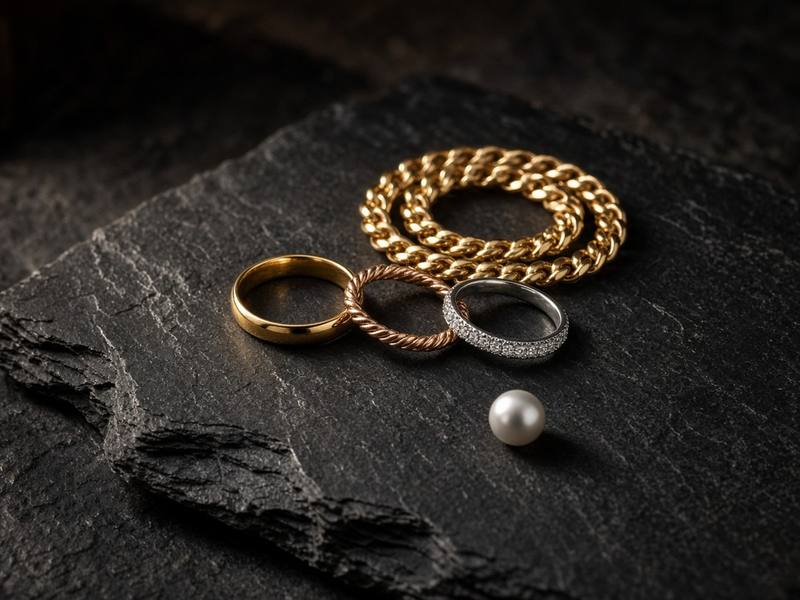
 Visit official site ↗
 Visit official site ↗
 Visit official site ↗
 Visit official site ↗
 Visit official site ↗
 Visit official site ↗
 Visit official site ↗
 Visit official site ↗
 Visit official site ↗
 Visit official site ↗
 Visit official site ↗
 Visit official site ↗
 Visit official site ↗
 Visit official site ↗
 Visit official site ↗
 Visit official site ↗
 Visit official site ↗
 Visit official site ↗
 Visit official site ↗
 Visit official site ↗
 Visit official site ↗
 Visit official site ↗
 Visit official site ↗
 Visit official site ↗
 Visit official site ↗
 Visit official site ↗
 Visit official site ↗
 Visit official site ↗
 Visit official site ↗
 Visit official site ↗
 Visit official site ↗
 Visit official site ↗
 Visit official site ↗
 Visit official site ↗
 Visit official site ↗
 Visit official site ↗
 Visit official site ↗
 Visit official site ↗
 Visit official site ↗
 Visit official site ↗
 Visit official site ↗
 Visit official site ↗
 Visit official site ↗
 Visit official site ↗
 Visit official site ↗
 Visit Instagram ↗
 Visit official site ↗
 Visit official site ↗
 Visit official site ↗
 Visit official site ↗
 Visit official site ↗
 Visit Instagram ↗
 Visit official site ↗
 Visit official site ↗
 Visit official site ↗
 Visit official site ↗
 Visit official site ↗
 Visit official site ↗
 Visit official site ↗
 Visit official site ↗
 Visit official site ↗
 Visit official site ↗
 Visit official site ↗
 Visit official site ↗
 Visit official site ↗
 Visit official site ↗
 Visit official site ↗
 Visit official site ↗
 Visit official site ↗
 Visit official site ↗
 Visit official site ↗
 Visit official site ↗
 Visit official site ↗
 Visit official site ↗
 Visit official site ↗
 Visit official site ↗
 Visit official site ↗
 Visit official site ↗
 Visit official site ↗
 Visit official site ↗
 Visit official site ↗
 Visit official site ↗
 Visit official site ↗
 Visit official site ↗
 Visit official site ↗
 Visit official site ↗
 Visit official site ↗
 Visit official site ↗
 Visit official site ↗
 Visit official site ↗
 Visit official site ↗
 Visit official site ↗
 Visit official site ↗
 Visit official site ↗
 Visit official site ↗
 Visit official site ↗
 Visit official site ↗
 Visit official site ↗
 Visit official site ↗
 Visit official site ↗
 Visit official site ↗
 Visit official site ↗
 Visit official site ↗
 Visit official site ↗
 Visit official site ↗
 Visit official site ↗
 Visit official site ↗
 Visit official site ↗
 Visit official site ↗
 Visit official site ↗
 Visit official site ↗
 Visit official site ↗
 Visit official site ↗
 Visit official site ↗
 Visit official site ↗
 Visit official site ↗
 Visit official site ↗
 Visit official site ↗
 Visit official site ↗
 Visit official site ↗
 Visit official site ↗
 Visit official site ↗
 Visit official site ↗
 Visit official site ↗
 Visit official site ↗
 Visit official site ↗
 Visit official site ↗
 Visit official site ↗
 Visit official site ↗
 Visit official site ↗
 Visit official site ↗
 Visit official site ↗
 Visit official site ↗
 Visit official site ↗
 Visit official site ↗
 Visit official site ↗
 Visit official site ↗
 Visit official site ↗
 Visit official site ↗
 Visit official site ↗
 Visit official site ↗
 Visit official site ↗
 Visit official site ↗
 Visit official site ↗
 Visit official site ↗
 Visit official site ↗
 Visit official site ↗
 Visit official site ↗
 Visit official site ↗
 Visit official site ↗
 Visit official site ↗
 Visit official site ↗
 Visit official site ↗
 Visit official site ↗
 Visit official site ↗
 Visit official site ↗
 Visit official site ↗
 Visit official site ↗
 Visit official site ↗
 Visit official site ↗
 Visit official site ↗
 Visit official site ↗
 Visit official site ↗
 Visit official site ↗
 Visit official site ↗
 Visit official site ↗
 Visit official site ↗
 Visit official site ↗
 Visit official site ↗
 Visit official site ↗
 Visit official site ↗
 Visit official site ↗
 Visit official site ↗
 Visit official site ↗
 Visit official site ↗
 Visit official site ↗
 Visit official site ↗
 Visit official site ↗
 Visit official site ↗
 Visit official site ↗
 Visit official site ↗
 Visit official site ↗
 Visit official site ↗
 Visit official site ↗
 Visit official site ↗