Ceramics and household textiles form part of the shop at Shams, which shares an address with a Jordanian kitchen and terrace. Amsterdam's Kramer Kunst & Antiek carries antique tiles and Dutch antiques alongside its role as a Royal Delft dealer. The family business was founded by Eduard Kramer and is now run by his sons Roeland and Sebastiaan. East Fork Pottery makes everyday stoneware dinnerware in Western North Carolina, with distinctive glazes and a local flagship shop.
What makes great ceramicists & glassmakers?
This plate lists 666 shops in 79 countries. Jerusalem has the most with 10, followed by Hasami with 9. Among these shops, 38 describe made-to-order work, 63 sell online and 9 work by appointment, going by their own descriptions.
Ask whether it is made here: ask whether the piece came from the shop's own studio or kiln, or from another maker.
Ask whether it is food-safe: ask whether the glaze is safe for food and whether the piece can go in a dishwasher or oven.
Ask how it will be packed: ask for proper packing or shipping for anything fragile or heavy.
Explore ceramicists & glassmakers
Use the city plates when they appear below, or open any store for its official door and related ORBIS city and craft links.
Ceramicists & Glassmakers · 666 shops, the best first
The Budapest shop of the Hungarian porcelain manufactory, selling hand-painted tableware and decorative porcelain made in Herend. Established 1826.
Best for Hand-painted Herend porcelain tableware and decorative pieces, since 1826.
The Herend Porcelain Manufactory was founded in 1826 by Vince Stingl in the village of Herend, near Lake Balaton in western Hungary, initially producing everyday stoneware while Stingl experimented with porcelain formulas. Financial difficulties forced him to cede the business to his creditor, Mór Fischer, in 1839; under Fischer's direction the factory shifted decisively from utilitarian ware toward refined, hand-painted artistic porcelain, the identity it has held ever since. Herend's international reputation was made at the 1851 Great Exhibition in London, where Queen Victoria encountered the manufactory's work and commissioned a dinner service decorated with butterflies and Hungarian wildflowers; Fischer subsequently named the pattern Victoria in her honor, and it remains one of Herend's best-known designs today. The factory went on to supply the Habsburg court and was commissioned by prominent aristocratic families across Europe, several of whom lent their names to the patterns created for them -- Esterházy, Rothschild and Batthyány among them -- alongside the Chinese Garden motif drawn from Herend's engagement with East Asian export-porcelain traditions. That eighteenth-century-rooted decorative language, applied by hand rather than transfer-printed, is still the basis of the tableware and figurines sold from the Budapest shop today.
Palais Herend is the porcelain maker's Budapest shop at József nádor tér 10–11. The Herend catalogue includes dinnerware and figurines, with vases and other decorative objects also represented. Named collections such as Victoria and Rothschild offer different starting points for choosing a pattern or gift.
Best for Herend porcelain dinnerware, figurines and decorative gifts
Herend's porcelain range runs from cups and plates to vases and animal figures. Its named patterns carry stories of particular commissions, so the decoration is part of choosing a piece rather than an interchangeable finish. The manufacture's museum traces several of those names to patrons who ordered its wares.
The Victoria pattern connects floral and butterfly decoration with the 1851 Great Exhibition and Queen Victoria's purchase. The museum also describes work for the Esterházy family, including pieces made to accompany an existing Meissen service. These accounts give a buyer a way to distinguish a pattern's history from the shape of the object carrying it.
There is a separate destination for visitors interested in production: the Porcelanium visitor centre in the town of Herend. Its Minimanufactory introduces porcelain-making, while workshops offer experience with porcelain paste or a paintbrush. The museum presents the manufacture's history and the Viktória shop occupies the opposite wing of the centre. Those facilities are in Herend, not in the Budapest shop recorded here; a purchase in Budapest should not be confused with a factory visit.
From Pécs since 1853, Zsolnay invented the iridescent eosin glaze and roofed Budapest in its ceramics. The porcelain manufactory still fires vases that shift color like petrol on water.
Danish porcelain — the Royal Copenhagen flagship on Amagertorv has sold hand-painted blue-fluted porcelain since 1775. The hand-painting workshop is visible through glass walls.
Best for The blue-fluted porcelain, the hand-painting workshop, and the 1775 heritage.
Three wavy blue lines, painted under the glaze of every piece: Denmark's three straits — Øresund, the Great Belt, the Little Belt — the waters that define the kingdom, adopted as a maker's mark in 1775. Royal Copenhagen's logo is older than most nations' constitutions, and it has meant the same thing without interruption: porcelain by royal decree, made to the crown's standard, from the manufactory the Danish court called into being.
Two patterns carry the house across its two and a half centuries. Blue Fluted, the fluted white porcelain traced in cobalt, still sets the northern table — the pattern so embedded in Danish life that it functions as national tableware, inherited, added to, and recognized at a glance. And Flora Danica, the botanical service originally intended as a gift for Catherine the Great: every piece hand-painted with a different Danish plant, stroke by stroke, exactly as in the eighteenth century — a botanical encyclopedia you can dine from, still produced, still painted by hand, still among the most extravagant tableware on earth.
The Amagertorv flagship holds the whole story two doors from Georg Jensen's silver — Copenhagen keeping its crown jewels retail, side by side on one square. Walk the shop and the centuries collapse: the straits still flow in blue under the glaze, the flora still blooms one brushstroke at a time, and the royal decree of 1775 is still, piece by piece, being carried out.
Founded in 1653, this is the last survivor of the original 17th-century Delftware potteries, where painters still hand-decorate every blue-and-white piece and mark it with a painter's initials and a year code. The Rotterdamseweg complex holds a museum, a factory store and Brasserie1653, and turns out plates, tiles and figurines finished on site.
Founded in 1903 and still throwing pots and pressing architectural tile inside its National Historic Landmark studio at 10125 E Jefferson Ave, Pewabic is known for the iridescent glazes that clad landmarks across the city. The working studio also runs a ceramic-arts education center and a shop selling handmade vessels, ornaments and custom tile.
Best for Iridescent-glaze tiles and handmade ceramics
Balian has painted ceramic tiles in Jerusalem since 1922, when Neshan Balian Sr. and Megerditch Karakashian were brought from Kütahya to restore the tilework on the Dome of the Rock. Marie Balian's pieces have since hung in the Smithsonian and the Victoria and Albert Museum, and the Nablus Road workshop is now run by her son, Neshan Balian Jr., the family's fourth generation.
Best for Museum-quality hand-painted tile murals and custom commissions
A family ceramic studio and showroom making hand-painted tiles, tableware, vessels, murals, and architectural commissions using inherited Jerusalem Armenian techniques. The Balian and Karakashian families established their joint pottery on Nablus Road in 1922; the Balian family continues at the site.
Best for Family ceramic studio and showroom making hand-painted tiles, tableware, vessels, murals
Balian Armenian Ceramics traces to 1919, when master potter Neshan Balian Sr. arrived in Jerusalem from Kütahya, in Ottoman Turkey, recruited by David Ohannessian to help restore the ceramic tiles on the Dome of the Rock under the British Mandate. In 1922, Balian and fellow craftsman Mgerdich Karakashian struck out on their own, opening a joint pottery on Nablus Road in East Jerusalem. The two families worked side by side, the Balians handling clay, glazes and firing, the Karakashians the drawing and painting, until they parted ways in the 1960s; the Karakashians founded a separate workshop on the Via Dolorosa, while the Balians remained on Nablus Road, moving to their present address after 1948.
The workshop's design language shifted decisively with Marie Balian, a French-Armenian painter trained at the Beaux-Arts of Lyon, who joined the family after marrying Setrag Balian Sr. in the 1960s. Where earlier Kütahya-derived patterns were largely static, Marie introduced dynamic figures, animals, birds, trees rendered mid-motion, that became the studio's signature and drew international attention, including a 1992 tribute exhibition at the Smithsonian Institution. Setrag Balian Sr., who trained under English potter Raymond Finch in Gloucestershire, brought Western forms like teapots and handled cups into the workshop's repertoire. Today the studio is run by Neshan Balian Jr., a fourth-generation family member, continuing hand-thrown pottery and tile production using inherited glaze recipes.
Jerusalem Pottery continues the Karakashian family's Armenian ceramic tradition in Jerusalem. Hagop Karakashian's hand-painted work includes tile murals and name plaques alongside plates and other pottery. The family's history also includes the Old City's multilingual street-name tiles, made by the preceding generation.
Best for Hand-painted Armenian ceramics and custom name or mural tiles
Jerusalem Pottery is the Karakashian family's Armenian ceramics workshop. Its history in Jerusalem began in 1919, when Megerditch Karakashian arrived as part of a group invited to work on tiles for the Dome of the Rock. The family subsequently developed a pottery tradition that included both decorative pieces and architectural tile work.
The second generation's work can be seen in the Old City's street-name tiles. Stepan and Berge Karakashian made Arabic and English signs in the 1960s, with Hebrew added later. Hagop Karakashian represents the third generation and continues the family's hand-painted ceramic work.
The current catalogue includes custom tile murals and name plaques. Plates and other household ceramics offer smaller purchases. A mural involves decisions about dimensions and layout that differ from choosing a single plate. For a custom order, discuss the surface and wording as well as the design. The family's historical Via Dolorosa workshop should not be used as an unchecked present-day address, since later reporting describes a relocation within the Old City.
Chin Jukan Kiln has fired Satsuma ware in Miyama since 1598, founded by Korean potters brought under the Shimazu clan. Its 15th generation still uses a wood-fired climbing kiln, producing ivory-glazed, hand-painted nishiki-de pieces sold alongside an on-site museum and tea room.
Best for Hand-painted Satsuma nishiki-de porcelain from a wood-fired climbing kiln run by Korean-potter
Chin Jukan Kiln dates to 1598, when Korean potters brought to Satsuma under the Shimazu clan during the Korean campaigns of the late sixteenth century established the workshop in what is now Miyama, in Hioki City, Kagoshima Prefecture. The family name, Chin Jukan (Shim Sugwan in Korean), has carried through fifteen generations since, with the current master taking the name in January 1999. The kiln's reputation reached beyond Japan as early as 1873, when the twelfth-generation Chin Jukan exhibited at the Vienna World's Fair and helped establish Satsuma ware's international reputation. The workshop still fires in a traditional wood-fed climbing kiln, one of the few still operating in the region, producing the ivory-glazed, finely crackled Satsuma ware body finished with hand-painted nishiki-de brocade decoration — dense, gilded floral and figural patterns built up in multiple firings. Alongside studio pieces sold on site, the kiln keeps a heritage museum documenting its four-century history and a tea room on the same grounds. The fifteenth generation has continued exhibiting internationally, including in Paris, South Korea and Russia, and was named an honorary citizen of South Korea in December 2024 — continuity across four centuries paired with an active, still-showing contemporary practice.
The Ohi kiln has fired Ohi-yaki tea bowls in Kanazawa since 1666 and is now led by its 11th generation. Its compound holds a Michelin-starred museum, a Kengo Kuma-designed gallery, named tea rooms, and a garden by Hiroshi Teshigawara.
Best for Ohi-yaki tea bowls fired by an 11th-generation kiln
The Ohi kiln has fired tea bowls in Kanazawa since 1666, when the fifth Maeda lord of the Kaga domain invited the tea master Sen Soshitsu to the city and the first Ohi Chozaemon - a close disciple of Ichinyu, fourth-generation head of the Raku family of potters - began working clay dug from the nearby village of Ohi. More than 360 years and eleven generations later, the kiln is led by Ohi Chozaemon XI, still producing the low-fired amber and black raku-style ware the family is known for, made in service of chado, the way of tea, under the guiding principle of wa kei sei jaku - harmony, respect, purity, tranquility. The compound itself has grown well beyond a working kiln: a museum opened in 1990 displays pieces from every generation and has been awarded a Michelin Guide star, an unusual honor for a private museum, while a 2014 gallery designed by architect Kengo Kuma shows contemporary work alongside the historical collection. Several named tea rooms sit on the grounds, including Nennen-An, whose sliding doors carry paintings by artist Hiroshi Senju, and a front garden called Futei, laid out under the supervision of Hiroshi Teshigawara. It amounts to one of the more complete places in Japan to see a single ceramic lineage - kiln, museum, garden and contemporary gallery - under one roof and one family name.
The crystal of kings since 1764 — Harcourt glasses, red-box chandeliers and Lorraine savoir-faire. First crystal oven went into operation in 1816; Baccarat received its first royal commission from Louis XVIII in 1823.
Best for Harcourt crystal glasses and red-box chandeliers, crafted since 1764
Baccarat began in 1764, when Louis XV authorized a glassworks in the Lorraine village whose name it would carry to every palace on earth. Crystal came in 1816, and with it the commissions that built the legend: Charles X's service in 1823 opened the royal ledger, and the Harcourt glass of 1841 — six flat-cut facets on a hexagonal foot — became the most durable design in tableware history, chosen by popes, presidents and the Élysée without interruption.
The red boxes carry the wider empire: chandeliers that lit the Dolmabahçe Palace and tsarist Russia (the house once ran a furnace shift purely for the Romanovs), stemware services deep enough to name eras, and the Zénith chandelier in red crystal as the modern flag. Two hundred sixty years of Lorraine savoir-faire include a Meilleurs Ouvriers de France density no rival matches.
The Paris maison at Place des États-Unis — now flagship, museum and restaurant — stages it all in mirrored theater. Baccarat remains the word French uses for crystal when it means the best.
French faience manufactory founded 1821 in Gien, Loiret, by Thomas Hall on the banks of the Loire; known for hand-painted earthenware, armorial tableware, and tilework in several Paris Metro stations.
Best for Hand-painted faience earthenware tableware from the Loiret manufactory, since 1821.
The Faiencerie de Gien was founded in 1821 by Thomas Hall, who established the works in the town of Gien, in the Loiret department along the Loire river. Through the 19th century the manufactory built its reputation making armorial tableware commissioned by aristocratic families, and its tiles were later used in several Paris Metro stations. Today the works produce between 700,000 and 900,000 hand-finished pieces a year, supplying both its own boutiques and third-party retailers in Paris, Bordeaux, and Brussels as well as the United States. The company still manufactures in Gien itself.
Founded in 1849, Viúva Lamego built the tile-clad building that still dominates Lisbon's Largo do Intendente, its facade itself an advertisement for the ceramics made inside; production moved to a factory in Sintra in 1992. The company still hand-paints large-scale architectural azulejo panels, mixing historic reproductions with commissions for contemporary architects.
Rogaška Crystal has hand-blown and hand-cut glassware in Rogaška Slatina since the 1600s, and keeps a flagship store in central Ljubljana for shoppers who don't make the drive east. Pieces range from stemware and vases to chandelier crystal, each cut according to techniques passed down through generations of glassmakers.
Ceramiche D'Alo has sold handmade Apulian ceramics in Ostuni since 1870, offering pumi, lamps, pots, plates, whistles and nativity pieces from selected regional artisans. Its shop on Corso Cavour is open daily and remote purchases are arranged directly with the family while its e-commerce is being built.
Best for Ceramics, terracotta, Puglia crafts, pumi, tableware
Five generations of the Rückl family have cut Bohemian crystal at Nižbor since 1846 — the glassworks that cut the Czech presidential sets, reborn as a design house. Watch the cutters, buy the light.
Since 1953 the Lladró workshops outside Valencia have sculpted porcelain with impossible lightness — petals, lace and light in high-fired clay. Every piece still leaves the single City of Porcelain.
Best for Porcelain sculpture from the Valencia workshops
Seguso represents twenty-three generations of Murano glassmaking carried by one family. Its glass is blown on Murano itself, continuing a dynastic craft tradition passed down within the same family line.
Murano's modernist furnace since 1921 — Fazzoletto vases and glass signed by century-defining designers. Official site still sells the Fazzoletto as a house icon credited to Fulvio Bianconi and Paolo Venini; the Murano boutique is on the same fondamenta as the furnace.
Best for Collectible Murano art glass.
Venini was founded on Murano in 1921 by Paolo Venini — a Milanese lawyer with impeccable taste and heretical instincts — and became the furnace where Murano stopped repeating itself and joined modernism. His method was the invitation: architects, designers and artists brought to the island to think in glass with the master glassblowers. Carlo Scarpa's years produced the battuto and sommerso techniques' masterpieces; Gio Ponti, Fulvio Bianconi — whose Fazzoletto handkerchief vase of 1948 remains the house's icon — and later Tapio Wirkkala, Ettore Sottsass and Gae Aulenti all signed the catalogue.
The techniques are the treasury: canne verticali stripes, murrine mosaics, incalmo joins of separate colored bubbles — executed at temperatures where only inherited skill survives, by maestri whose lineages the house names.
Venini glass sits in MoMA and the Triennale; the Fondazione Cini archives its paper trail. Still blowing on Murano a century on, Venini remains the island's modernist conscience — art glass with authorship, signed in fire.
Porcelain since 1718 — Europe’s second-oldest manufactory, still painting by hand in a baroque palace; the Wiener Rose pattern outlived the empire that ordered it.
Glass since 1823 — lit the world’s first electric chandelier with Edison, hangs today in the Met Opera; muslin glasses thin as held breath.
Best for Drinking sets, chandeliers
There is glass, and there is the Lobmeyr muslin service — stemware blown so thin the house's own description reaches for breath itself: glasses thin as held breath. Lift one and the hand reports almost nothing; the wine seems to be standing in air. That fineness is not fragility for its own sake but the whole argument of Viennese glassmaking since 1823: that the material should disappear in favor of what it holds.
The house's history glitters with firsts. When electricity was new, Lobmeyr worked with Edison to light the world's first electric chandelier — Viennese crystal meeting American current at the exact moment the nineteenth century turned into the twentieth. The partnership set the house's double identity: craftsman and engineer, ornament and innovation. Its chandeliers hang today in the Metropolitan Opera in New York, where they rise glowing toward the ceiling at each performance's start — Austrian glass as American civic ritual.
At Kärntner Straße 26, the shop remains what it has been for two centuries: the place where Vienna buys its drinking sets. The great services — engraved, gilded, or plain to the point of vanishing — are heirlooms that begin working the day you buy them, because Lobmeyr glass is meant to be used, washed, and worried over, not cabineted. A city that gave the world its finest coffee-house ritual naturally produced the glassmaker who understood: the vessel is half the ceremony. Two hundred years on, nobody has made the other half lighter.
The Doccia porcelain manufactory — Tuscan porcelain art since 1735, from Oriente Italiano to Luke Edward Hall. The Florence shop has occupied the ground floor of Palazzo Ginori on Via dei Rondinelli since 1802.
Best for Oriente Italiano porcelain and collector tableware.
Marquis Carlo Ginori founded his porcelain manufactory at Doccia, outside Florence, in 1735 — among Europe's first, racing Meissen and Vienna to master the Chinese secret — and Tuscan aristocratic ambition set the register permanently: sculptural porcelain, painted by hand, meant for palaces. The 1896 merger with Milan's Richard company created Richard Ginori; Gio Ponti's artistic directorship in the 1920s produced Art Deco porcelain of such wit and rigor that his pieces anchor design museums worldwide.
The house's modern rescue is a Florentine story too: Gucci acquired the bankrupt manufactory in 2013, restoring it as Ginori 1735 under Kering — Oriente Italiano's saturated botanical dinnerware became the flagship collection, and collaborations with Luke Edward Hall and scented-candle lines in Labirinto reliefs recruited a new generation to the shelf.
Production continues at Sesto Fiorentino beside the company museum's three centuries of molds. Ginori remains Italy's porcelain aristocracy: the table as fresco, fired at 1,400 degrees.
An Austrian ceramics manufactory, hand-painting the green Grüngeflammt pattern and other freehand motifs onto earthenware made in Gmunden since 1492. Its Erlebniswelt pairs a factory shop with tours of the throwing and painting workshops on the Traunsee.
Hataman Touen began in 1926 when Hata Ishimantaro opened a kiln in Okawachiyama, and the workshop later became known for ink-wash mountain-and-water landscapes painted on porcelain under the third generation. The fourth-generation owners still work from the same valley, adding doll figures and Nabeshima-series pieces to the classical repertoire.
Best for Hand-painted landscape porcelain and Nabeshima-series ware
Hand-painted Breton faïence tradition dating to 1690, when Jean-Baptiste Bousquet founded the first Locmaria pottery in Quimper under a royal license from Louis XIV; the Henriot workshop descends from an 1778 pottery that passed to Jules Henriot in 1873.
Best for Hand-painted Breton faïence figures, a Quimper tradition since 1690.
Quimper's faïence tradition began in 1690, when Jean-Baptiste Bousquet, a faiencier from Marseille, established the first pottery in the Locmaria district, bringing southern French tin-glaze techniques to Brittany under a royal manufacturing license granted by Louis XIV. Locmaria's clay deposits and access to a navigable river supported the trade for centuries. A third Quimper pottery, founded in 1778 by François-Marie Dumaine, passed in 1873 to Jules Henriot and became known as the Henriot factory; three houses -- Grande Maison HB, Porquier and Henriot -- historically competed in the town before later consolidating. The hand-painted decoration associated with the region centers on the 'petit Breton,' a small figure of a countryman in waistcoat and broad hat, set against scattered sprigs of carnation and daisy within a wavy border. Each piece is still hand-painted from start to finish by resident artists and marked Henriot Quimper to certify its authenticity.
Herend has hand-painted porcelain in Hungary since 1826, each piece of tableware and figurine built up brushstroke by brushstroke at the Herend manufactory. Its Budapest brand shops carry the patterns, including the Victoria and Rothschild Bird motifs, direct from the maker.
Best for Hand-painted porcelain tableware and figurines
Archival research credits Vince Stingl with founding the forerunner of the Herend Porcelain Manufactory in 1826. Stingl was born in Sopron and trained in the fine ceramics trade in Vienna. Mór Fischer took over the management in 1839 and set out to make porcelain measured against international standards. A fire caused by arson wrecked the works in March 1843, an event later painted onto a Herend plate. At the Great Exhibition in London in 1851, Queen Victoria ordered a service with a butterfly and floral pattern. Fischer named it after her, and it has been known as the Victoria pattern ever since. Emperor Francis Joseph later named the manufactory a Supplier to the Imperial and Royal Court. He also granted Fischer a Hungarian title, after which he used the name Farkasházi. Fischer handed the factory to his sons in 1874, and the state offered it to his grandson Jenő Farkasházi Fischer in 1896. The works were nationalised in 1948 and left the Fine Ceramics Works in 1981. The present company was formed in 1992, with employees holding 75 per cent of the shares. In Budapest the porcelain is sold at Palais Herend, a brand store of more than 500 square metres at József nádor tér 10-11. A second shop at Andrássy út 16 shows rose-making and painting.
Ogasawara Toemon Kiln is run by an eighth-generation potter descended from the workshop's founder, who set up independently in Okawachiyama once the Nabeshima domain kiln system was dissolved. In 1999 it became an early adopter of lead-free glazes in Japanese ceramics, a change it still cites as central to how it makes Nabeshima ware today.
Best for Traditional Nabeshima ware made with lead-free glazes
French porcelain manufacturer founded in 1818 by Jean Louis Richard Pillivuyt, with the current Mehun-sur-Yevre factory established by his son Charles in 1853-54; a Living Heritage Company (EPV) since 2009, still producing hotelware-grade porcelain on the same site.
Best for White bistro hotelware porcelain from Mehun-sur-Yèvre since 1818
Pillivuyt was founded in 1818 by Jean Louis Richard Pillivuyt, who was born in Yverdon, Switzerland, and naturalized as a French citizen in 1825. Production began in Foecy, in the Cher department, and won an early medal in New York in 1823. His son Charles, born in 1810, became a partner in 1830 and in 1853-54 built a new, much larger factory in Mehun-sur-Yevre, eventually employing 1,200-1,400 workers across six kilns with steam-powered machinery. Pillivuyt has specialized throughout its history in dense, durable porcelain suited to heavy restaurant and hotel use as much as home tables. In 2009, the company received France's Entreprise du Patrimoine Vivant label.
French porcelain manufacturer founded in 1768 in Saint-Uze, Drome, tracing to Pierre Revol. Nine generations of family ownership (Revol, then Bourgonne, Loire, now Passot); makes its own paste from regional kaolin, feldspar and silica.
Best for Restaurant-grade French porcelain, made in the Drome since 1768
Revol traces its founding to 1768, when Pierre Revol established a workshop in Ponsas, in the Drome region of southeastern France, after marrying into a family of faience makers. The company later centered production in Saint-Uze, about 70 km south of Lyon. Over nine generations, leadership passed through four family names - Revol, then Bourgonne, then Loire, and currently Passot. Revol is unusual among ceramics houses in making its own paste on-site: raw kaolin, feldspar and silica arrive unprocessed and are worked into porcelain paste in-house rather than bought pre-mixed. The manufacture specializes in culinary and tableware porcelain designed for oven-to-table use. The Saint-Uze site remains open to visitors as a working factory.
German porcelain and tableware manufacturer since 1879 — collaborations with Bauhaus masters, contemporary designers, and Michelin-starred restaurants.
Royal Limoges traces its manufacture to the late 18th century and still operates from 28 Rue Donzelot in Limoges, where it holds France's Entreprise du Patrimoine Vivant living-heritage designation. The workshop produces both plain white porcelain and hand-decorated tableware, vases and cachepots sold direct through its own boutique and website.
This porcelain manufactory, founded in 1710, still marks its work with the hand-painted crossed swords in the town of Meissen on the Elbe. The range runs from the Swan Service and figurines to fine art and porcelain jewellery, all modelled and painted by hand.
Best for Hand-painted fine porcelain and figurines
It is best known for Authentic Talavera pottery since 1824 — decorative and utilitarian pieces hand-painted with traditional mineral glazes in distinctive blue and white; museum and workshop; largest Talavera producer in Puebla; UNESCO-recognized craft.
Best for Certified Talavera tableware, tiles and hand-painted ceramics
Portuguese porcelain founded at Ílhavo in 1824, still turning out fine tableware and decorative art. The historic site pairs a factory store with a museum and a chapel.
Best for Fine Portuguese porcelain tableware and decorative pieces
Shams el Balad combines a design shop with a kitchen and terrace, bringing Jordanian food and household objects into one address. The retail side focuses on ceramics, textiles and locally connected small goods.
Best for Home decor, accessories, farm-to-table dining; design enthusiasts and foodies
Founded by Eduard Kramer more than 60 years ago and now run by his sons Roeland and Sebastiaan, this Amsterdam antiques house is an official Royal Delft dealer holding one of the world's largest antique-tile collections, around 500,000 pieces.
Best for Delft blue and Dutch antiques.
Kramer Kunst & Antiek was founded by Eduard Kramer more than 60 years ago and has remained a family business, now run by his sons Roeland and Sebastiaan Kramer. The shop sits in Amsterdam's Spiegelkwartier, the city's traditional antiques quarter, and has built its reputation over decades on a specific specialization within the broader antiques trade: Dutch tiles. The Kramer collection includes an estimated 500,000 antique tiles, spanning from the 1600s to the present, which the shop describes as the one of the largest collections of antique Dutch tiles in the world. Alongside tiles, the shop is an official dealer for De Porceleyne Fles, the Delft manufacturer that holds the Royal Delft designation and is the last of the original Delft potteries still producing traditional blue-and-white earthenware by hand. The wider inventory extends into categories typical of a general antiques house, glassware, jewelry, silverware, paintings, archaeological finds, antique clocks, old books and prints, copper and tin objects, bronze sculptures, Asian ceramics and lamps, but the tile collection and the Royal Delft dealership are what distinguish Kramer within Amsterdam's antiques trade, rather than a generalist inventory alone.
East Fork makes durable, everyday stoneware dinnerware in Western North Carolina, known for its distinctive glazes. It grew from an Asheville-area studio into a nationally recognized homegoods brand while keeping production and its flagship store local.
Best for Handmade stoneware dinnerware; Modern ceramic homegoods; Made-in-NC pottery
Tadecraft is run by an Abuja studio potter who calls herself a modern-day Ladikwali, a nod to Nigerian pottery tradition. The studio sells handmade bowls and plates while teaching pottery classes to beginners.
Best for Handmade pottery and beginner ceramics classes
Operating from 44 Westgate Parkway in Asheville, The Village Potters Clay Center runs weekly pottery classes, workshops, and a multi-year Advanced Studies Program, and distributes Laguna, Standard, and KYMudworks clays. It is a nonprofit whose resident potters include Sarah Wells Rolland, Judi Harwood, Julia Mann, Katie Meili Messersmith, Karen Dubois, and Maria Andrade Troya.
Contemporary Greek ceramic-art gallery and shop at Thiseiou 7 in Monastiraki, Athens, founded 2017 by ceramist Eleonore Trenado-Finetis, showing handmade, collectible work by Greek makers across generations.
Best for Ceramics by independent Greek makers
Mon Coin Studio is a ceramic-art gallery and retail space on Thiseiou Street in Monastiraki, a short walk from the Acropolis, founded in 2017 by ceramist Eleonore Trenado-Finetis. The space presents original, handmade ceramics, pottery and sculpture from established and emerging Greek makers, with an emphasis on showing the range of contemporary Greek ceramic practice rather than a single house style or generation. Beyond standing retail, Mon Coin Studio stages themed group exhibitions of contemporary Greek ceramics, positioning it as both a commercial gallery and a curatorial platform for the medium in Athens. Every piece sold is described as an original, one-off work rather than a production run. It keeps standard gallery hours, Monday through Saturday.
Trabala Studio is a ceramic workshop in Athens' Koukaki neighborhood, founded by Jenny and Iraklis in 2017. They hand-throw stoneware pieces like ceramic donkeys and coffee cups, fired at up to 1280°C.
Best for Handmade stoneware ceramics, including a signature ceramic donkey and small coffee cups.
Tucked into a quiet corner of Koukaki, just south of the Acropolis, Trabala Studio has been shaping stoneware since 2017, when Jenny and Iraklis opened the workshop together. The pair work almost entirely in high-temperature stoneware clay, firing pieces between 1260°C and 1280°C — a range that gives their tableware and decorative objects a density closer to traditional Greek pottery than to delicate studio ceramics.
The shop doubles as a working studio, so visitors can see pieces take shape before they're glazed. Among the recurring forms are a small ceramic donkey and a pair of miniature cups built for the short, strong shot of Greek coffee. Nothing here is mass-produced: each piece carries the particular imperfections of hand-thrown clay, glazed by two people rather than a production line.
Trabala keeps modest, published hours — open Tuesday through Saturday, with specific windows on weekdays and a single Wednesday block — and sits on Odissea Androutsou, a residential street a short walk from Koukaki's main shopping strip. For visitors after a souvenir made where they bought it, it's a specific, traceable stop rather than a generic gift shop.
An independent Bamberg pottery shop offering handmade ceramics and stoneware. It is a long-standing local address for traditional and contemporary German craft pottery.
La Pintoràmica runs paint-your-own ceramics studios in Barcelona's Gràcia and El Born neighbourhoods, supplying the pottery, paints and glazing so customers can decorate mugs, plates and bowls in roughly two-hour sessions. Finished pieces are kiln-fired and ready for pickup within three days, with prices starting at 15 euros.
Beirut ceramics studio-and-research platform by Nour Zoghby where visitors experience and buy the work; official site sells an in-house FDP Ceramics collection and an Artifact Room.
Best for An in-house ceramics collection and Artifact Room in Beirut.
O Ateliê de Cerâmica is a collaborative ceramic studio of three artists in a historic house on the protected Praça da Liberdade urban ensemble in Belo Horizonte. The house operates as an independent gallery, putting ceramic work in dialogue with everyday life. Flávia Soares's book Corpo-Pote is among the works associated with the studio.
A ceramics studio around Ortakent and Yahşi that throws and glazes its own handmade tableware and custom pieces. It sells finished ceramics through its shop and runs wheel and hand-building workshops for visitors.
Best for Handmade, glazed tableware and custom ceramics from an Ortakent studio
A ceramics atelier in Bitez where the maker produces handmade pottery and hosts throwing workshops. Pieces are wheel-formed and glazed on site and sold directly from the Bodrum studio.
Ceramics house founded in Bolzano in 1950 by Countess Lene Thun, who modeled the first Angel of Bozen figurine now emblematic of South Tyrol; still headquartered in Bolzano as THUN S.p.A.
Best for Ceramic angels and warm-hearted gifts.
THUN began in 1950 in a small modelling workshop at Castel Sant'Antonio in Bolzano, when Countess Lene Thun, working alongside her husband Count Otmar Thun, created the first Angel of Bozen - a ceramic figure she modeled after her sleeping sons. The angel was embraced locally and became closely associated with the city of Bolzano and the South Tyrol region. In 1978 the Thuns' son Peter, then 23, took over management and expanded the company internationally. THUN's product range grew from figurines into tableware, home decor, jewelry, nursery items, nativity-scene pieces and gift items. The company today operates as THUN S.p.A. Societa Benefit, headquartered in Bolzano.
Lette.ceramics is a Bordeaux studio producing hand-thrown and hand-built stoneware, from tableware to vases in muted glazes. The pieces are made in small batches in the workshop and sold directly.
Bushwick Ceramics, founded by artist Zofi Lipton, runs a full-service pottery studio at 228 Suydam Street and 698 Hart Street in Bushwick, Brooklyn, with 9 pottery wheels, 5 clay bodies, and more than 25 dipping glazes. It offers monthly memberships, 6-week wheel-throwing and hand-building classes, and one-day workshops.
Dirtbag ArtHaus, a women-founded ceramics and mixed-media studio at 229 Cook St in Bushwick, Brooklyn, has 15-foot ceilings, on-site kilns, 7 wheels, and 13 workstations. It offers wheel throwing, handbuilding, and painting through 3-, 6-, and 8-week courses and one-night Creative Try Nights, for ages 17 and up.
Not Work Related offers private pottery wheel classes near the Greenpoint Avenue G stop in Brooklyn, with 90-minute sessions for up to two participants at $110 each, plus glazing and firing of the finished pieces. The studio is currently pausing regular classes but still runs small group and corporate sessions.
Wilcoxson Brooklyn Ceramics runs a design and pottery studio in Greenpoint, Brooklyn, offering workshops, classes, private lessons, open studio hours, and a Clay Club membership. The studio also sells ceramics through its retail shop.
Best for Pottery classes and clay club memberships
A Bucharest ceramics studio led by Madalina Teler, making functional and decorative porcelain and stoneware in a minimalist style that contrasts matte and glazed surfaces. It sells finished pieces, takes commissions and runs hand-building workshops.
József nádor tér 10, 1051 Budapest (also has boutiques at Andrássy út 8 and Rákóczi út 4-6; near Váci utca)
Zsolnay has handpainted porcelain in Pécs, Hungary since 1853, known for its iridescent Eosin glaze developed in-house. Its Budapest boutiques carry tableware, vases, figurines and jewelry, including a collection designed with Patrizia Gucci.
Best for Eosin-glaze porcelain tableware, figurines and Patrizia Gucci designs
Busan pottery studio offering one-day classes, ongoing courses and group instruction in handmade ceramics, with bookings taken through Naver Place. Its Instagram documents finished work alongside a summer children's pottery program.
Best for Handmade ceramic work from a Busan pottery studio
Abouzeid Ceramics, a ceramic studio in the heart of Cairo, offers one-day workshops, beginner courses, underglaze workshops and studio hours for practice. Its Instagram profile has more than 6,000 followers.
Ceramicist Dalia Mobasher designs and throws the Nebula and Midnight lines of espresso cups, pinch pots and mugs at her New Cairo studio. Fokhara also runs tailor-made wheel and hand-building workshops for all skill levels.
Best for Handmade studio ceramics and wheel-throwing classes taught by a working ceramicist
Fokhara was founded in 2018 by Dalia Mobasher, a highway-design engineer who left that career after teaching pottery in Abu Dhabi and decided to open a studio of her own back home in Egypt. The New Cairo space teaches the full pottery process across two core disciplines, hand-building and wheel-throwing, with Mobasher stating her aim is for students to leave "true artisans" rather than having taken a one-off fun class. Alongside instruction, Fokhara designs and produces handmade espresso cups, pinch pots and mugs sold through its shop. Mobasher has described pottery as a way to work through anxiety and find focus by putting attention into making something by hand, a view that shapes the studio's slower, technique-first teaching style rather than quick craft sessions aimed at casual visitors. Classes run for all skill levels, and the studio has said it wants to grow into a broader arts space over time, eventually adding crystal work, candle-making and jewelry alongside its ceramics program. For visitors, Fokhara offers both finished studio ceramics to buy and hands-on classes to learn the craft directly from its founder, in a shop built specifically around one maker's decision to trade an engineering career for pottery.
Shaun, a Cape Town-based interior designer turned ceramicist, makes functional ceramic pieces such as Whispering Pine, Unstuck and Nude Awakening. The studio sells the pieces online and also offers pottery classes.
Best for Handmade functional ceramics and pottery classes
Clay Corner sells clay, glazes and tools at 194 Victoria Rd, Woodstock, stocking stoneware, earthenware and porcelain clay by the bag or pallet along with Cone 6 and Cone 10 glazes. It also runs the Clay Circle studio, a five-bay shared space with three kilns on site offering monthly session packages.
Best for Clay glazes tools and shared studio access
501 Tollgate Industrial Centre, 12 Ravenscraig Road, Woodstock, Cape Town, South Africa / Cape Town / South Africa
Production studio established 1989 by Clementina van der Walt and Albie Bailey; van der Walt has worked full-time in ceramics since 1988 (Design Indaba; House and Garden SA).
Best for Ceramics from a production studio established in 1989.
Kleipots is a ceramic studio run by Amelia Jacobs, with over 30 years' experience, at her home on the lower slopes of Devil's Peak in Cape Town. She makes ollas, translucent porcelain fired with indigenous Fynbos plants, and raku-fired planters and bowls, firing porcelain at temperatures up to 1,200 degrees Centigrade, and teaches weekly wheel-throwing and raku classes.
Mervyn Gers and his team throw and glaze tableware by hand at a Salt River studio, supplying the plates and bowls used by restaurants across South Africa and abroad. The range mixes speckled clay bodies with dozens of glaze colours, each piece showing the small variations of hand production.
Best for Hand-thrown tableware in speckled clay bodies and dozens of glaze colors
Mervyn Gers Ceramics is a Cape Town studio launched in 2011 that makes tableware by hand from raw clay to finished glaze under one roof. The studio developed its own clay body over five years with international ceramic specialists and the University of Cape Town. The body is formulated for the way its pieces are shaped and fired. Glazes are developed in house by adjusting minerals and oxides and the conditions of firing. Every recipe is refined until it gives the depth and movement the collections are known for. Each glaze answers the kiln in its own way, so no two pieces match exactly. The glazes are food safe and the finished ceramics are independently tested for strength and durability. Decorated collections begin as original artwork. Designs are silkscreen printed in house onto ceramic transfer paper colour by colour and applied by hand before a final firing bonds the design. Every piece is fettled to remove excess clay and smooth its seams, then bisque fired to strengthen the body. Pieces are stacked in the kiln by hand with attention to how heat will travel. The studio's tagline pairs function with soul and with style, and it states a commitment to local job creation. Mervyn Gers Ceramics sells online and shows the whole making process on its website, step by step.
Run by Rose Korber from a gallery attached to her home at 48 Sedgemoor Road, Camps Bay, Cape Town, the business sells paintings, mixed media works, limited-edition prints, photography, sculpture, ceramics, Rorkesdrift tapestries and beadwork by artists including Sam Nhlengethwa, William Kentridge and Deborah Bell. It also arranges packing, insuring and airfreighting of works worldwide.
Giuseppe Sorgi's workshop in San Gregorio di Catania has hand-painted artistic ceramics and shaped terracotta for over fifty years, extending to Etna lava-stone work, tiled countertops and garden pieces. Alongside decorative wares it takes on custom commissions and restoration in traditional Sicilian technique.
Vladimira Konvalinkova has thrown ceramics at her Latran studio since opening it to the public in 2001, making lighting, vases, tiles, bowls and drinking sets glazed in earth tones drawn from iron, manganese and copper oxides. She works only in originals, cutting and reshaping wheel-thrown forms and sometimes joining them with metal or glass, and sells straight from the atelier.
Best for Original wheel-thrown decorative and functional ceramics
A ceramics studio on Lenin Avenue where potters throw on the wheel and hand-build cups, bowls, and decorative plates, then fire and glaze the pieces on site. It runs individual and group classes for adults and children aged five and up alongside custom ceramic commissions.
Best for Wheel-thrown and hand-built ceramics, pottery classes
Backyard Ceramics is a small-batch pottery studio in Ōtautahi Christchurch turning out hand-thrown mugs, bowls, vases, and trinket dishes made for everyday use. The maker also takes custom orders for personalised pieces.
A ceramics atelier and boutique on Rue Arago where the potter throws and hand-builds stoneware and porcelain. Pieces range from bowls and salt cellars to porcelain flowers and ceramic jewellery, made on site.
Best for Hand-thrown bowls, salt cellars, and porcelain flowers made on-site on Rue Arago
Family-owned since 1968, Midaya is a Pannipitiya ceramics studio and manufactory working across earthenware, stoneware, terracotta and porcelain. Its handmade range runs from tableware and kitchenware to home decor, ornaments and spa accessories, all produced and glazed on site.
Best for Handmade ceramics and tableware
Midaya Ceramics has worked from Pannipitiya, on the edge of Colombo, since 1968, and the company remains wholly family owned and operated. It describes itself as a design studio and factory rather than a shop that serves designers as well as manufacturers in several countries. A client's sketch is taken through sculpting and sample moulds to finished glazed pieces. The site holds an in-house crushing plant, a slip house and a mould making department. Its own laboratory produces fritted and raw glazes as well as engobes and colour stains. Few workshops in South East Asia fire several ceramic bodies at once, and Midaya runs earthenware and stoneware side by side with terracotta and porcelain, along with colour-stained bodies. Most pieces are decorated by hand, so no two come out identical. The catalogue is organised by use. Tableware together with kitchenware forms the largest section of the range. Home decor and ornaments follow, together with bath and spa accessories. Heritage and religious pieces have their own sections, and a horeca line serves hotels and restaurants with durable pieces. Midaya works with designers and manufacturers abroad, and ranges are sampled and packaged for shipment to the client's door. The factory address is Shanthi Mawatha in Pannipitiya. The company states that quality and consistency, together with flexibility and integrity, have guided the business since the founding year.
Redcocoon is the one-woman studio of potter Mihiri, who throws, glazes and fires every stoneware piece herself at her workshop in Mirihana. Established in 2019 and working to collection themes such as Brush Strokes, the studio makes hand-glazed bowls, platters, tumblers and dinner sets alongside private commissions.
Best for Established in 2019 and working to collection themes such as Brush Strokes
L'Art Copenhagen deals in ceramics, art glass, silver and porcelain by makers including Arne Bang, Axel Salto and Bjørn Wiinblad, alongside brands such as Royal Copenhagen, Arabia and Georg Jensen. The business has showrooms in Copenhagen and London and 22 years in the trade.
Best for Scandinavian designer ceramics and art glass
MK Studio makes porcelain coffee cups and sensory vessels as well as pour-over drippers in a workshop in Glostrup outside Copenhagen. It sells them from a shop at Frederiksberg Alle 52. Founders Magdalena Kałużna-Włodarek, a ceramicist, and Michał Kałużny-Włodarek, a chef, design for cafés and restaurants as much as for home tables. The studio's B cup began as a 2016 World Brewers Cup competition cup.
Best for Porcelain coffee cups and pour-over drippers made for cafés and roasteries
MK Studio is a Copenhagen design and production studio founded by Magdalena Kałużna-Włodarek, a ceramicist, and Michał Kałużny-Włodarek, a chef. The two met in Poznań in Poland, and they now make porcelain coffee cups and sensory vessels, along with pour-over drippers and tableware for cafés and restaurants. The same pieces go to people who care how coffee and food are served at home. Every piece is developed and produced in the studio's own workshop in Glostrup, just outside Copenhagen, and sold from a shop at Frederiksberg Alle 52. Magdalena studied fine arts at Poznań University of Technology and domestic design at the School of Form. No design enters production without her review. Michał came to ceramics from restaurant kitchens including Relæ and Manfreds. He rebuilt the workshop's processes around CAD modelling and 3D printing together with digital mould design. In 2016 the studio made a competition cup for Mikaela Wallgren of Coffee Collective. She used it to finish runner-up at the World Brewers Cup in Dublin, and that shape became the studio's B cup. The same year the studio produced a full tableware collection for Restaurant 108 in Copenhagen.
A Cuenca ceramics house at Isabel La Católica 1-102 and Avenida de las Américas producing hand-finished dinnerware in lines such as Organics, Monteturi, Vega and Fiesta, plus a children's Baby Artesa range. The workshop takes personalised custom table-setting commissions and ships nationally across Ecuador.
Best for Handmade Andean-designed dinnerware and custom table settings
Colibri Diseno de Objetos, founded 18 years ago by ceramic master and designer Cristina Urgiles, born in Cuenca in 1973, makes enamel-glazed ceramic pieces at Av. Pumapungo 3-60 y Paseo de los Canaris in Cuenca. Its lines include Candelabros, Contempo, Cruz and Magneto, among them ceramic and wooden key holders shaped like owls and dandelions.
Avenida Berriozábal, Urubamba, Sacred Valley (Cusco region)
In a courtyard workshop on Avenida Berriozábal in Urubamba, Pablo Seminario and Marilú Behar make ceramics that rework pre-Columbian Andean iconography in earthy glazes. Trained staff throw the functional pieces while the couple sculpt the one-off art works, and visitors can join hands-on classes.
Taller Edilberto Mérida, run by María Antonieta Mérida, continues the ceramic work of her father Don Edilberto Mérida, creator of the indio expresionista style, from San Blas in Cusco. Its exhibition, Barros Dorados, presents her ceramic pieces.
Ceramist Gema Muñoz throws and hand-paints tableware and decorative pieces in her Córdoba studio, working clay and mineral pigments to commission for homes and restaurants. She also runs wheel and glazing classes for all levels alongside the retail range.
Best for Gema Muñoz's hand-painted tableware and decorative ceramics from her Córdoba studio
In La Rambla, Andalusia's pottery town, this workshop is recognised by the regional government as a Point of Artisanal Interest and throws stoneware tableware on the wheel. Collaborations such as the 'Feria' and 'Pagoda' ranges with designer Sebastián Gallego have carried its work to Japan and England.
Ceramicists Jo Yun-sang and Shin Jeong-sook have run this atelier beside Daecheong Lake in Daejeon's Daedeok District since 2008, hand-throwing and hand-painting clay that is fired at 1,300 degrees Celsius. Recognized as Daejeon's first registered private garden, the studio teaches wheel-throwing and painting classes and ships finished pieces about four weeks after firing.
Best for Hands-on pottery classes and handmade tableware
Fatyly is a Dakar house for porcelain tableware and ceramic art using African visual narratives. Founded in 2015; Designed in Dakar; porcelain collections are produced in Limoges, France.
Best for Porcelain tableware and ceramic art using African visual narratives
Fatyly is the ceramics and lifestyle brand of Faty Ly, a designer based in Dakar. Ly's interest in ceramics began in the late 1990s. It took form in 2001 with a gallery in Dakar devoted to crafts made with West African artisans. She is a graduate of Central Saint Martins and holds a master's in design management from the Birmingham Institute of Art and Design. She launched the Fatyly brand in 2015, creating one of the first hard-paste porcelain houses in Africa, with collections produced in Limoges. The work uses porcelain as a canvas for African visual heritage. The Toile de Korogho collection translates the motifs of the Korhogo cloths of the Senoufo country in northern Ivory Coast into tableware meant for daily use. Each motif carries its own symbolic charge. Ly cites the Senegalese sculptor Seni Camara among her influences, along with ritual and contemporary culture. She describes the dining table as a kind of performance in which each piece plays a part. She has worked with chefs and chocolatiers to promote Senegalese culinary heritage. She is a founding member of the Afroeats festival of African cuisine and sits on the board of Africa Design School in Benin. The brand publishes no street address and lists Dakar as its location. Its porcelain reaches buyers through stockists such as Alara in Lagos, which carries the collections alongside other African designers.
Sri Lankan porcelain manufacturer making dinnerware, drinkware and giftware, including its Royal Fernwood Porcelain line and a Hotel Collection whiteware range. Describes its work as blending centuries-old artistry with modern innovation.
Silke Sannemann hand-builds functional ceramics with plaster moulds rather than a wheel, deliberately keeping edges and irregularities so no two pieces match. She inherited the Greinstraße workshop from her mother and welcomes visitors by appointment.
In a workshop just off the Markt, fourth-generation potter Steffan Delfos and master painter Anna make Delftware entirely by hand, marking each piece with the painter's and potter's initials and a year code. Beyond vases and plates they paint Delft-blue jewellery, and every item leaves with certificates of factory authenticity.
A gallery for contemporary ceramics on Nieuwstraat, Terra Delft represents more than eighty Dutch and international makers and sells their handmade vases, bowls and sculptural work. It also shows applied-art jewellery and small design pieces.
Artist Aman Khanna hand-forms Claymen's small clay figures and stoneware in New Delhi, sun-drying and open-firing pieces that dwell on the common man and his dilemmas. The studio's vases, sculptures and tableware carry the pinched, introspective faces that have become its signature.
An appointment-only ceramics studio selling handmade coiled vases, tableware, candleholders, and home objects produced in Dubai. Ceramicist Nicole Farrelly founded the studio. Established 2019.
Best for Handmade coiled vases, tableware, and candleholders from Nicole Farrelly's appointment-only Dubai studio
Cole & Cinder is a Dubai ceramics studio founded in 2019 by Nicole Farrelly, working from inside Oka Ceramics' workshop in Al Quoz Industrial Area 3, where visitors are received by appointment rather than through open retail hours. The studio describes itself as rooted in the art of coiling — the hand-building technique of stacking and smoothing ropes of clay into form rather than throwing on a wheel — though its own account of its process also describes direct hand-sculpting. Clay is sourced from both Europe and China, and the resulting pieces are presented as deliberately imperfect, each carrying its own quirks rather than being machined to uniformity. The stated inspiration behind the work is the geometry and texture found in natural forms, filtered into a pared-back, muted aesthetic across four in-house collection lines — Studio Line, Form Line, Collectors Line and an Everyday Tableware range — spanning statement vases, plates, bowls, cups, candleholders and tapers. The studio's own language, 'Timeless forms, made in the moment,' summarizes its positioning: functional, individually hand-finished objects made and sold directly from the workshop rather than produced at volume or distributed through third-party retail.
Dundee Ceramics Workshop is an open-access ceramics studio welcoming everyone from complete beginners to practising artists. It offers classes, membership studio space, kiln hire and events across an open-plan workshop in the city.
Best for Pottery classes, studio access and kiln hire
Run by potter Anne Schultz, working since 1974, Studio Three throws functional homeware in stoneware, porcelain and terracotta from a studio in Kloof. Pieces are sold at the Shongweni Farmers Market and the KZNSA Gallery, and the studio teaches pottery to all levels.
Established in 1984, this working studio throws and sells handmade pottery from the premises where the potters live. Visitors can buy finished pieces or sign up for wheel classes and workshops.
Porcelain artist Claudia Bock hand-forms and paints tableware and giftware at her Erfurt studio on Klausenerstraße. Each cup, plate and ornament is made in limited numbers, often with fine painted detail.
The Töpfermühle combines a working ceramics studio with a supply shop for potters, stocking clays, glazes and tools. Its own handmade tableware and decorative pieces are fired and sold on the premises in Erfurt.
Handcrafted and hand-painted pottery made in Fez, including tagines, plates, bowls, tea sets, mosaic tables and zellige tiles. Pieces are packed by hand and shipped worldwide via FedEx and DHL, with shipping already included in the listed price.
Botswana Art Online sells handwoven baskets from Etsha 6, Shorobe, Shakawe and Gumare alongside paintings, ceramics, textile art and photography from its base at Maratadiba Road, Gaborone Village. It operates as an online marketplace promoting Botswana artists in partnership with Botswana Tourism, Botswana Post and the Thapong Visual Arts Centre.
A studio-shop in Oksywie selling hand-thrown cups, mugs and bowls, each modelled by hand. It also teaches wheel-throwing and hand-building and sells gift vouchers.
Best for It also teaches wheel-throwing and hand-building and sells gift vouchers
Working pottery studio and shop on Pollokshaws Road in Glasgow's Southside, founded by potter Jen Smith in 2019, producing wheel-thrown functional stoneware for the home and table.
Best for Wheel-thrown functional stoneware made in-studio
This Fajalauza pottery on Carretera de Murcia traces its kilns back to 1517 and is now run by the Fajalauza Foundation following the death of potter Cecilio Morales Moreno in 2022. It throws and hand-paints pitchers, sugar bowls, vases and oil pourers in the tin-glazed Granada tradition.
Best for Traditional throwing-and-painting Fajalauza ware
Cerámica Los Arrayanes was born in Granada in 1988 to preserve the city's ceramic tradition, which grew from the glazes and forms of Nasrid workshops. Its artisans trained under Agustín Morales Alguacil of Cerámica San Isidro. Each piece is shaped on the wheel or in hand-made moulds, bisque fired, painted with natural pigments and fired again at the shop on Calle Alhóndiga 16.
Best for Nasri-pattern hand-painted ceramics
Cerámica Los Arrayanes was founded in Granada in 1988 by Manuel Martín, who had entered the ceramics trade in 1974 as an apprentice at Cerámica San Isidro, then one of the city's most important workshops, before setting out on his own. The house's artisans trained under the San Isidro workshop's own master potter, Agustín Morales Alguacil, a figure regarded internationally as a leading authority on Granada's ceramic tradition, and that lineage of technique — rather than an inherited family kiln — is the foundation the workshop still builds on. The business now operates two sites: a shop in Granada's historic center on Calle de la Alhóndiga, and a production workshop and second outlet in Atarfe, a town on Granada's outskirts, where the pieces are actually thrown, fired, and hand-painted. The decorative language draws on the Nasrid aesthetic that shaped Granada's visual culture under the emirate that ruled the city from the thirteenth to the fifteenth centuries, applied here across a range that runs from purely decorative tiles and vessels to functional commissioned work — sinks, house signage, and custom pieces for cortijos, the traditional Andalusian country estates. That range, spanning ornamental and functional ceramics alike, distinguishes Los Arrayanes from workshops that specialize narrowly in either tourist-facing decorative ware or utilitarian pottery.
In the Albaicin, this factory hand-paints the blue-and-green Fajalauza earthenware Granada has produced since the seventeenth century, from tiles and tableware to lamps and clocks. Pieces carry an authenticity seal and are decorated with pomegranate, bird and Alhambra-mosaic motifs.
Best for Hand-painted Fajalauza tin-glazed pottery
Ctra de Murcia, 166, Granada (the Fajalauza name and glaze style originate from the Puerta de Fajalauza in the Albaicín)
Cerámica Fajalauza is a working Granada pottery documented back to 1517 and passed down through generations of the same family, now run as a foundation after founder Cecilio Morales Moreno's death. The factory and shop sell hand-painted tableware and decorative vases in the traditional blue-and-green Fajalauza glaze, take custom commissions, and offer pottery workshops.
Best for Fajalauza-glaze tableware, vases, custom commissions and pottery workshops
The factory and shop share a red-gated site on Granada’s Carretera de Murcia. Visitors can see a working ceramic lineage expressed in hand-painted tableware, tiles and decorative forms rather than a museum-only display.
Best for Traditional blue-and-green glazed ceramics made through Granada’s historic Fajalauza pottery tradition
Malva Studio is an interior design showroom at 4a Avenida A 13-38, Zona 14, Guatemala City. It sells fabrics and European wallpapers as well as ceramics, and offers interior design advice.
A father-and-son kiln in Hagi's Horiuchi district within the castle-town World Heritage zone, Hadano Shigetsugama fires both artists' work and studio pieces. The gallery carries everything from premium bowls to more affordable daily ware and arranges kiln tours by advance request.
Senryuzan is a working Hagi-yaki kiln in Hagi City, Yamaguchi, hand-throwing tea-ceremony chawan, vases, sake cups and everyday tableware in the region's centuries-old glaze tradition, sold from its shop and shipped internationally on larger orders.
Best for Hand-thrown Hagi-yaki chawan, sake cups and everyday tableware
Senryuzan works in Hagi-yaki, the pottery tradition that traces back to Korean potters brought to Hagi, Yamaguchi, after the late-16th-century Japanese invasions of Korea, when the Mori clan's lords put them to work making tea-ceremony ware for their own use and as gifts. The style became prized alongside Raku and Karatsu as one of the wares most favored by tea practitioners, in part for its soft, porous clay and translucent glaze, which develops a fine network of crackle over years of use and gradually darkens as tea seeps into it - a slow change collectors call the "seven transformations of Hagi." At its workshop in Hagi City's Koyama-cho district, Senryuzan continues that craft today, throwing formal chawan for tea ceremony alongside vases, sake cups, coffee cups, mugs, and everyday rice bowls and dishes. The studio describes giving each piece individual, careful handling through the shaping and firing process rather than production-line output. Pieces are sold from the shop, open six days a week (closed Sundays and holidays), and through its own online store, which ships larger orders internationally - a practical route to an object whose character, in the Hagi tradition, is meant to keep changing in the buyer's own hands long after it leaves the kiln.
Founded in 1969 at the foot of Mount Nichirin in southern Hagi, Ooyagama works in pottery, porcelain, and even ceramic jewelry. The kiln keeps its own gallery and shop for visitors browsing its Hagi ware.
Set beside the Sea of Japan in Hagi's Oi district, Shokouzan makes Hagi ware for the table and for flowers, balancing tradition with a contemporary hand. The kiln opens year-round from ten to five and ships mail orders through its own online store.
Tenryu-gama, run by the Hattori family, produces plainly designed Hagi-yaki-plates, bowls, cups, teapots, and sake vessels-for daily use. The kiln sells directly through its online store and keeps a separate corporate site.
Ceramic artist Luba Yampolsky has taught and made work at this family-run studio on Gordon Street in Haifa since 1991. She sells one-off ceramic sculptures, wall art and Judaica, takes commissions, and runs wheel, sculpting and glazing courses.
Founders Gily Ilan and Nadav design and throw the ceramics sold from this studio-gallery on El Marin Street in Haifa's Lower City. The space doubles as a workshop, running wheel-throwing, hand-building and glazing classes alongside its shelves of plates, bowls, cups and vases.
Best for Handmade table ceramics and pottery classes
Hanoi ceramics shop selling handmade pieces from Bat Trang Ceramic Village, about 20km outside the city. The collection favors playful, unconventional shapes such as watermelon bowls and octopus-print mugs.
Best for Handmade ceramics from Bat Trang Ceramic Village near Hanoi
Cerender's ceramics are made in Bát Tràng, a village on the far bank of the Red River southeast of central Hanoi, whose potters have worked in continuous production for more than 700 years, making it Vietnam's oldest and best-known ceramic-making center. The Hanoi shop itself sits in the Old Quarter near St. Joseph's Cathedral, putting it within walking distance of the district's cluster of small independent retailers rather than out at the village workshops themselves — a common arrangement among Bát Tràng-sourced ceramics sellers, who maintain a city storefront for tourists and expatriate residents while production stays in the village. Beyond the shop's better-known novelty pieces, Cerender's range extends to export-oriented tableware and furnishing accessories — flower pots, tea sets, table lamps, and fine textured porcelain — giving it a broader catalogue than the whimsical single-item pieces most visitors photograph. The shop has changed addresses within the Old Quarter more than once, moving in recent years from a Ấu Triệu Street location to its current storefront on Hàng Trống, one of the neighborhood's older, name-preserving streets clustered around Hoàn Kiếm Lake — the kind of relocation common to small independent Hanoi retailers navigating short leases in a historic, high-turnover shopping district.
Vietnamese ceramics studio founded in 2004 in Bac Ninh province, drawing on 11th-century Ly and Tran dynasty pottery. Pieces are glazed using ash from rice hulls and wood.
Best for Vietnamese ceramics studio founded in 2004 in Bac Ninh province
Hiên Vân Ceramics traces its shapes back to a single kiln, built in 2004 in Hiên Vân commune, in Bac Ninh province's Tien Du ward. The studio's founders spent years studying ceramics from Vietnam's Ly, Tran, Le, and Mac dynasties before developing their own forms, drawing especially on 11th-century pottery techniques.
Rather than industrial glazes, Hiên Vân relies on ash from rice hulls and wood, a formula the studio credits with giving its pieces the character associated with historic Vietnamese ceramic ware. Clay is sourced from multiple regions and blended to a proprietary formula the workshop says gives finished pieces their structural solidity.
The range spans functional tableware and ceremonial pieces to architectural ceramics, including large relief carvings, garden statues, and decorative bricks and tiles — work the studio positions as bridging traditional craft with contemporary use. Patterns are drawn from temple carvings, antiques, and historic artworks rather than reproduced from a catalogue.
The result is a small-batch operation focused on continuing a specific regional ceramic tradition, a stance the studio traces directly to its founding research into Ly and Tran dynasty ceramic craft.
Hippo Studio hand-paints ceramic tableware and homeware, with every piece hand-signed by its decorator, in collections such as the Chekari and Belinda Mary ranges featuring Mashona, Matebele and Zambezi-pattern designs. The Zimbabwe studio's potters, decorators and kiln staff ship internationally through its own shop site.
Aizengama is a Hasami kiln working in warm, understated tableware, with series such as Bronze, UTAGE and its signature Indigo Blue covering plates, bowls, mugs and chopstick rests. It sells the full range through its own online shop.
Best for Warm-toned and indigo-blue everyday tableware
Hakusan Porcelain has made everyday tableware in Hasami for decades, known for enduring designs including work developed with designer Masahiro Mori. Alongside its Hasami headquarters showroom it runs a Tokyo showroom in Aoyama and a direct online store.
Best for Timeless standard tableware and design classics
HASAMI PORCELAIN is a stackable tableware line created by Takuhiro Shinomoto of Los Angeles' Tortoise and produced by Maruhiro in Hasami, Nagasaki, using local clay tinted with warm reddish tones. The modular mugs, bowls and wooden-lidded containers are sized to nest and lock together, so a set doubles as storage.
Best for Stackable everyday mugs, bowls and lidded containers
Ichiryu Toen is a Hasami kiln whose catalogue leans on carved shinogi ridges and Swatow-inspired decoration across plates, bowls, cups and serving dishes. It sells its tableware directly through an official online shop.
Best for Carved shinogi and Swatow-style tableware
Koushun is a family kiln in Hasami's Nakaoyama district, the historic potters' quarter where work has continued since the Edo period. It makes glaze-forward tableware for daily meals, sold through its own website and a BASE storefront.
Best for Glaze-led everyday tableware from a Nakaoyama kiln
Run by Matsuo Shoten, established 1954, natural69 designs Hasami and Arita porcelain built around simple, hard-wearing everyday shapes, including its patterned swatch series. The brand sells directly through its own online store and stocks well-priced tableware intended for years of daily use.
Founded in Hasami's Mimatago district in 1865, Nishiyama makes porcelain tableware that has ranged from everyday dishes to Japan Airlines business-class service ware and pieces for Mitsukoshi and Printemps Ginza. The family company pairs long-established forming and glazing techniques with contemporary design collaborations.
Best for Refined everyday porcelain and design-collaboration tableware
Shohogama produces Hasami-style porcelain tableware organized into pattern series such as ombre de fleur, blue series and marigold, spanning plates, bowls, mugs and cutlery. The kiln, based in Higashisonogi next to Hasami, sells directly through its official online store.
Best for Floral and line-patterned porcelain series
Wazan is a Hasami kiln in the Shikisase area producing bowls, plates, cups and single-flower vases across collections such as Modern Matte, Ronde and Flower Parade. Its premises include an outlet shop, and its tableware also reaches customers through Rakuten and other channels.
Best for Matte-glazed bowls, plates and small vases
Ceramicist Eva Spoof has run Udumbara since 1994, hand-throwing lamps, flowerpots and sculptural vessels in her Kallio studio. The showroom at Kaarlenkatu 15 opens by appointment and also hosts pottery-wheel workshops.
In Thrapsano, the pottery village about 30 km south of Heraklion, potter Manolis Moutsakis throws frost-proof jars, pots and planters on the wheel from local clay. The workshop continues the village's long tradition of large storage pitharia, fired for outdoor durability.
Best for Handmade Cretan pottery and garden pithari jars
This ceramics studio reworks the household stoneware tradition of Song Be with contemporary glazes and forms suited to modern kitchens and tables. The business ties its production directly to support for the ceramic artisans and workers behind each piece.
Paula Greif hand-builds painterly, organic ceramics inspired by American and Mexican folk art from her Warren Street studio, open to visitors by appointment. The pieces are sold direct from the studio and through her online shop rather than through wholesale distributors.
Anturion Gallery presents contemporary Amazonian art from Peru, including Shipibo ceramics and Shipibo textile art, and is operated by Rolf Friberg from Zurich, Switzerland. Represented artists include Gino Ceccarelli, Brus Rubio, Rember Yahuarcani, Christian Bendayan and Santiago Yahuarcani, with works such as Brus Rubio's 150x90cm oil-on-canvas "El viaje ecologico."
The Iznik Foundation revives the 500-year-old tradition of Iznik ceramics — the blue-and-white floral tiles that decorate Istanbul's mosques and palaces.
Best for Iznik Foundation revives the 500-year-old tradition of Iznik ceramics — the blue-and-white
Hand-painted Iznik-style ceramics — plates, bowls, tiles, and vases with traditional floral patterns. Quality varies, so look for crisp painting and vibrant color.
Best for Hand-painted Iznik-style ceramics — plates, bowls, tiles
Family-run blue-pottery workshop in Bani Park, Jaipur, founded by Kripal Singh Shekhawat, who revived the historic Jaipur blue-pottery craft after research beginning in the 1960s. Still operated by his family today.
Best for Blue pottery from master potter Kripal Singh Shekhawat's family workshop
Kripal Kumbh was founded by Kripal Singh Shekhawat (1922-2008), a Rajasthan-born artist trained in painting at Santiniketan and in oriental arts at a university in Tokyo, who turned to ceramics and revived the largely lapsed craft of Jaipur blue pottery. He established Kripal Kumbh in Bani Park, Jaipur - commercial listings place its founding around the 1960s to 1970 - as both a working workshop and a retail shop for the glazed, cobalt-and-turquoise pottery the city is now associated with internationally. After his death in 2008, the family-run operation continued under his wife, Sajjan Kanwar, assisted by their three daughters, keeping the workshop as a hands-on production site rather than a purely retail storefront.
A blue-pottery specialist selling Jaipur-made plates, serving bowls, vases, trays, coasters, bath products, and decorative objects. The company works with hundreds of blue-pottery craftspeople across Jaipur and Rajasthan. Established 1978.
Best for Blue-pottery specialist selling Jaipur-made plates, serving bowls, vases, trays, coasters, bath products
Neerja traces to 1978, when Dr. Leela Bordia founded the company in Jaipur after encountering Blue Pottery -- a centuries-old Indo-Persian glazed-ceramic tradition -- in a state of decline among local artisan communities. She began with just four craftspeople, two men and two women, and built the business around a deliberate principle: rather than treating the craft as a charity case, she developed it as a sustainable trade in 'utility products,' pottery made to be used daily rather than displayed as a curiosity. That model has since grown to support thousands of craftsmen and their families, with the company having formally adopted four villages to sustain artisan livelihoods, and its work extends into the ancillary trades of metalwork, woodwork and glassmaking that surround Blue Pottery production. Neerja's design output includes more than 1,000 distinct Blue Pottery patterns, and the company holds a Limca Book of Records entry for producing the largest plate in the history of Jaipur Blue Pottery, at 30 inches across. Dr. Bordia herself became the first Indian ceramist to author a coffee-table book on the craft, and Blue Pottery has since been incorporated into the CBSE school curriculum as a recognized career path.
Experiential art studio in Jaipur's C-Scheme offering small-group sessions in miniature painting, blue pottery, block printing and lac bangle making, where guests create and take home a handcrafted piece under the guidance of artisans.
4 Yoel Salomon Street, Nahalat Shiv'a, Jerusalem, Israel / Jerusalem / Israel
Founded December 1987 as a ceramicists’ cooperative; iTravelJerusalem and Inbal Hotel report 15 artists who staff the shop themselves after Cadim merged with Altogether 8 on Yoel Solomon Street (iTravelJerusalem; Inbal Hotel).
Best for Founded December 1987 as a ceramicists’ cooperative.
Garo Sandrouni's workshop in Jerusalem's Armenian Quarter produces hand-painted ceramics. Garo and Sonia Sandrouni make pottery and tiles, using painted decoration across both household objects and larger ceramic work. Visiting the workshop puts the finished pieces alongside the practice of making and decorating them.
Best for Hand-painted Armenian ceramics in Jerusalem
Garo Sandrouni's workshop continues a craft tradition that predates his own career by more than sixty years. Armenian ceramicists first arrived in Jerusalem in 1919, brought from Kutahya in Ottoman Turkey to restore the tilework on the Dome of the Rock; when that restoration project ended, several of the potters — David Ohanessian foremost among them — chose to stay, founding Jerusalem's first Armenian ceramics workshops and establishing the hand-painted, cobalt-and-turquoise style now closely associated with the city's Old City souks. Garo Sandrouni, working alongside his wife Sonia, an artist by training, opened his own workshop in 1983 on Armenian Patriarchate Road in the Armenian Quarter, building on that inherited technique while developing the couple's own decorative vocabulary. The gallery and workshop produce hand-painted tiles, plates, bowls, vases and decorative ornaments, along with commissioned pieces made to a customer's own design — a service that distinguishes it from souvenir-oriented pottery sellers nearby. Everything is designed and painted on site rather than mass-produced, keeping the Sandrounis' output within the same workshop tradition the Armenian community brought to Jerusalem a century ago, even as the surrounding Old City has changed considerably around it.
13 Sha'ar Zion Street, Old City, Jerusalem, Israel / Jerusalem / Israel
Self-taught Hagop Antreassian entered the ceramics business in 1980; his workshop-studio across Zion Gate displays hand-painted Armenian pottery and visitors can watch him paint.
Best for Hand-painted Armenian pottery from a workshop where visitors can watch the maker.
Hebron / Halhul, West Bank (traditional source for Jerusalem glassware)
The Natsheh family operates two of the three remaining glass factories near Hebron, blowing vessels by techniques traced to Phoenician and Roman-era glassmaking that early-19th-century travelers recorded some 150 local glassworkers practicing. Their cobalt and amber glass, sold through Jerusalem shops and fair-trade networks, is still shaped by mouth over an open flame rather than cast or pressed.
Best for Traditional hand-blown colored glass vases and ornaments
A Karakashian family workshop and shop making hand-painted Armenian pottery, tiles, plates, bowls, and custom ceramic work behind the retail room. The Karakashian family was among the founding families of Jerusalem Armenian ceramics and established this separate Old City workshop in 1964.
Best for Hand-painted Armenian pottery and tiles from the Karakashian family workshop
Christian Quarter, near New Gate, Old City, Jerusalem
Sandrouni's studio sits just inside the New Gate, where George and Dorin Sandrouni paint ceramics using the Kütahya-derived technique brought to Jerusalem by the city's founding Armenian tile families. Customers can watch pieces being thrown and painted on-site before buying plates, tiles, and bowls from the adjoining showroom.
Best for Watching artisans paint while shopping for tiles and tableware
77 Armenian Patriarchate Road, Armenian Quarter, Old City, Jerusalem, Israel / Jerusalem / Israel
Vic Lepejian, with an M.A. in fine arts from Armenia, opened Vic's Armenian Art Studio in 1975 on Armenian Patriarchate Road; son Bedros and Irene Oerdegian work with him.
Best for Armenian art from a family studio on Armenian Patriarchate Road.
Busho is a Kagoshima glass studio cutting Satsuma kiriko crystal, a craft dating to 1846 under the Shimazu clan's glassmaking program. The studio's artist has shown work via Japanese embassies in France and Mauritius, and runs summer cutting workshops for visitors.
Best for Custom-cut Satsuma kiriko crystal glassware
Satsuma kiriko traces to 1846, when the Shimazu clan's 27th daimyo, Narioki, invited the Edo glassmaker Shihon Kamejiro to establish glass production in Kagoshima; his successor, Shimazu Nariakira, expanded it as part of the Shuseikan industrial modernization program before the craft's original workshops were destroyed in the 1877 Satsuma Rebellion. Busho Kiriko, working under the name Shoho in Kagoshima, works in that revived tradition, cutting crystal glass with a 24-25% lead content prized for its clarity and sparkle into faceted geometric patterns by hand. The studio's artist has represented the craft internationally, with work selected for presentation by Japanese embassies in France in 2015 and Mauritius in 2017, and received the Kagin Cultural Foundation Award in 2018. The catalogue runs from sake glasses, tumblers and rock glasses to decanters, serving dishes and tea-ceremony implements, each piece cut to order rather than mass-produced from a fixed mold. Busho Kiriko also runs hands-on cutting workshops, letting visitors learn the technique directly from working artisans and take home a piece they cut themselves — sessions the studio notes tend to book out quickly. It's a craft with a real gap in its history, reintroduced rather than continuously practiced, now carried by a studio active on an international stage.
Kamaku curates handmade tableware, glassware and pottery from independent Japanese potters across three small Kamakura storefronts near Tsurugaoka Hachimangu. Alongside ceramics it stocks grapevine-basket bags from Yamagata, coral jewelry and carved wooden Buddha figures, all chosen for daily use rather than display.
A Kutani-ware specialist selling original ceramics and works by established Kutani artists. The shop reports more than a century of experience dealing in Kutani ceramics.
Best for Kutani-ware ceramics by established Kutani artists, over a century of experience
Opened in 1870, Kutani Kosen Kiln is a Kutani-yaki kiln operating within Kanazawa city, handling every stage of production from clay blending and wheel-throwing to the layered overglaze coloring that defines the ware. The kiln sells its own porcelain and runs studio tours plus painting and pottery-making workshops for visitors.
A working Kutani-ware kiln and shop producing and selling hand-painted ceramics in Kanazawa. The kiln describes itself as the last operating pottery kiln in central Kanazawa. Established 1870.
Best for Hand-painted Kutani-ware from the last operating pottery kiln in central Kanazawa, since 1870
Ceramicist Beata Mutke throws and glazes clay and porcelain jewelry, bowls, and tableware from a studio in Nikiszowiec, the UNESCO-recognized red-brick miners' housing estate. Her gallery at Antoniego Czechowa 5/4 also runs hands-on ceramics workshops for visitors.
Best for Handmade ceramics from a historic mining district
Kowmi is the official Kraków representative of Zakłady Ceramiczne Bolesławiec, stocking the stamped cobalt-and-cream stoneware alongside porcelain, glass and wooden decor pieces. The long-running family firm sells through both its Kraków shop and its own online store.
Handmade-ceramics studio and shop in Krakow (Podbrzezie 6, Kazimierz), producing wheel-thrown stoneware - mugs, vases, and tableware - and running hands-on pottery workshops taught by Leon at a separate studio on Poselska Street.
Best for Small-batch contemporary Polish jewelry
Leon and Miko is a working ceramics studio and shop in Krakow, Poland, making functional wheel-thrown stoneware - mugs, cups, vases, and tableware, several finished with hand-painted floral patterns. The retail shop is located at Podbrzezie 6 in the Kazimierz area; the pottery workshops, where visitors can try throwing on the wheel under Leon's instruction, run from a separate studio space on Poselska Street. The business operates both as a retail pottery shop selling finished pieces and as a workshop provider offering short pottery lessons to tourists and locals.
Factory-direct Boleslawiec pottery shop in Krakow's Old Town, trading since 1992; also stocks Bogucice porcelain and Zawiercie crystal glass, with international shipping via milapottery.pl.
Best for Hand-painted Bolesławiec stoneware and Polish pottery
MILA has operated as a specialist Polish-pottery shop since 1992, selling factory-direct Boleslawiec stoneware alongside Bogucice porcelain and Zawiercie crystal glass. Its shop sits on ulica Slawkowska in Krakow's Old Town district - customer reviews describe it as a small, tightly packed storefront rather than a large retail space, with staff noted for helping arrange secure international shipping. The company sells both in person at the Krakow location and through its own e-commerce site, milapottery.pl.
Tohgoro sells Kiyomizu-yaki ceramics from a gallery on Chawanzaka, the sloped lane leading to Kiyomizu-dera that has supplied the ware's potters for centuries. The shop curates pieces from working Kyoto ceramicists rather than mass production, rotating stock as individual kilns finish new work.
Best for Kiyomizu-yaki pottery from working Kyoto ceramicists
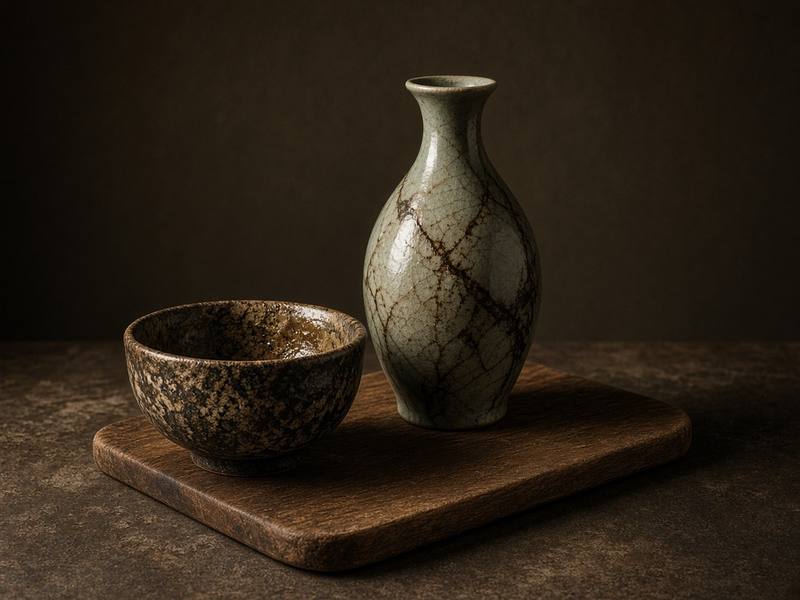
 Visit official site ↗
 Visit official site ↗
 Visit official site ↗
 Visit official site ↗
 Visit official site ↗
 Visit official site ↗
 Visit official site ↗
 Visit official site ↗
 Visit official site ↗
 Visit official site ↗
 Visit official site ↗
 Visit official site ↗
 Visit official site ↗
 Visit official site ↗
 Visit official site ↗
 Visit official site ↗
 Visit official site ↗
 Visit official site ↗
 Visit official site ↗
 Visit official site ↗
 Visit official site ↗
 Visit official site ↗
 Visit official site ↗
 Visit official site ↗
 Visit official site ↗
 Visit official site ↗
 Visit official site ↗
 Visit official site ↗
 Visit official site ↗
 Visit official site ↗
 Visit official site ↗
 Visit official site ↗
 Visit official site ↗
 Visit official site ↗
 Visit official site ↗
 Visit official site ↗
 Visit official site ↗
 Visit official site ↗
 Visit official site ↗
 Visit Instagram ↗
 Visit official site ↗
 Visit official site ↗
 Visit official site ↗
 Visit official site ↗
 Visit official site ↗
 Visit official site ↗
 Visit official site ↗
 Visit official site ↗
 Visit official site ↗
 Visit official site ↗
 Visit official site ↗
 Visit official site ↗
 Visit official site ↗
 Visit official site ↗
 Visit official site ↗
 Visit official site ↗
 Visit official site ↗
 Visit official site ↗
 Visit official site ↗
 Visit official site ↗
 Visit official site ↗
 Visit official site ↗
 Visit official site ↗
 Visit official site ↗
 Visit official site ↗
 Visit official site ↗
 Visit official site ↗
 Visit official site ↗
 Visit official site ↗
 Visit official site ↗
 Visit official site ↗
 Visit official site ↗
 Visit official site ↗
 Visit official site ↗
 Visit official site ↗
 Visit official site ↗
 Visit official site ↗
 Visit official site ↗
 Visit official site ↗
 Visit official site ↗
 Visit official site ↗
 Visit official site ↗
 Visit official site ↗
 Visit official site ↗
 Visit official site ↗
 Visit official site ↗
 Visit official site ↗
 Visit official site ↗
 Visit official site ↗
 Visit official site ↗
 Visit official site ↗
 Visit official site ↗
 Visit official site ↗
 Visit official site ↗
 Visit official site ↗
 Visit official site ↗
 Visit official site ↗
 Visit official site ↗
 Visit official site ↗
 Visit official site ↗
 Visit official site ↗
 Visit official site ↗
 Visit official site ↗
 Visit official site ↗
 Visit official site ↗
 Visit official site ↗
 Visit official site ↗
 Visit official site ↗
 Visit official site ↗
 Visit official site ↗
 Visit official site ↗
 Visit official site ↗
 Visit official site ↗
 Visit official site ↗
 Visit official site ↗
 Visit official site ↗
 Visit official site ↗
 Visit official site ↗
 Visit official site ↗
 Visit official site ↗
 Visit official site ↗
 Visit official site ↗
 Visit official site ↗
 Visit official site ↗
 Visit official site ↗
 Visit official site ↗
 Visit official site ↗
 Visit official site ↗
 Visit official site ↗
 Visit official site ↗
 Visit official site ↗
 Visit official site ↗
 Visit official site ↗
 Visit official site ↗
 Visit official site ↗
 Visit official site ↗
 Visit official site ↗
 Visit official site ↗
 Visit official site ↗
 Visit official site ↗
 Visit official site ↗
 Visit official site ↗
 Visit official site ↗
 Visit official site ↗
 Visit official site ↗
 Visit official site ↗
 Visit official site ↗
 Visit official site ↗
 Visit official site ↗
 Visit official site ↗
 Visit official site ↗
 Visit official site ↗
 Visit official site ↗
 Visit official site ↗
 Visit official site ↗
 Visit official site ↗
 Visit official site ↗