Australia's most celebrated international fashion export — fusion of fashion with swimwear, intricate cuts, dainty prints, and bohemian femininity. Worn by Jennifer Lopez and Blake Lively.
Best for Bohemian swimwear and occasion dresses
Nicky and Simone Zimmermann started at Sydney's Paddington Markets in 1991 with clothes cut for actual Australian life — sun, water, long lunches — and built the country's most successful fashion export by refusing to choose between swimwear and fashion. The insight was structural: treat the bikini with couture seriousness and the dress with beach ease, and one wardrobe emerges.
The signatures are recognizable at fifty meters: intricate broderie and lace, dainty botanical prints, ruffled shoulders, silhouettes engineered for golden-hour photography. Sisterhood remains the operating system — Nicky designs, Simone runs the business — and the collections still open with swim.
The house took its runway to New York Fashion Week in the 2010s, planted flagships from Mayfair to Melrose, and in 2023 sold a majority stake to Advent International at a valuation past a billion dollars — Australian fashion's largest deal. Worn everywhere from Bondi to the Amalfi coast, Zimmermann exports the thing Australia actually owns: optimism, tailored.
Australian-made work-boot brand tracing to a 1930 Surry Hills, Sydney bootmaking business; still family-run by the Cloros family and manufactured at its own factory in Auburn, New South Wales, not Victoria.
Best for Tough work boots
Mongrel is an Australian work-boot brand whose roots go back to 1930, when bootmaker Stanley Cloros established a shoe-repair and handmade-footwear business in Surry Hills, Sydney, selling boots at local markets. During the Depression his son William Basil Cloros bought machinery from liquidation auctions to launch a full-scale operation, Victor Boot Company, which produced military boots through the Second World War and later grew into Victor Footwear Pty Ltd, expanding into work and casual footwear at a larger St Leonards facility by the 1960s. The Mongrel name was introduced in 2000 as a new boot style built on the company's Australian manufacturing heritage; it grew to become the company's primary brand. A signature innovation, the side-zip 'ZipSider' work boot, launched in 2006. Between 2006 and 2008 the company built a dedicated manufacturing facility in Auburn, in Sydney's western suburbs, deliberately keeping production in Australia while many competitors moved manufacturing offshore. As of 2020 the business marked 90 years of operation with three generations of the Cloros family still involved, and continues to manufacture boots -- including its K9 range and ZipSider lines -- at the Auburn factory today.
Aje's Bondi Junction shop presents the Australian womenswear label's collections inside the Westfield shopping centre in Sydney. Adrian Norris and Edwina Forest founded the brand in 2008, with this flagship opening later in 2020. The label includes occasion dressing alongside other clothing, but its Australian identity does not establish local manufacture for every garment.
Best for Aje womenswear and occasion dressing in Bondi Junction
Australian sustainable brand since 2006 — organic fabrics, local manufacturing, slouchy tees, oversized denim. Sustainability before it was a buzzword.
P Johnson makes finely tailored menswear and ready-to-wear womenswear, offering made-to-measure suiting and shirting guided by expert fitters alongside a full online shop. Beyond its Sydney showrooms on Elizabeth Street and in Paddington, the label runs showrooms reaching Melbourne, Brisbane, Jakarta, New York and London.
Best for Tailoring, made-to-measure, menswear, shirtmaking
On Circular Quay, the Museum of Contemporary Art's store champions Australian artists and makers — jewellery, ceramics and editions with the harbour outside.
Chefs Paul Allam and David McGuinness opened Bourke Street Bakery on a Surry Hills corner in 2004, with McGuinness's travels in India inspiring its signature ginger brûlée tart. The pair also founded The Bread and Butter Project, a social enterprise training refugees in baking.
Best for Surry Hills bakery whose founders also run a refugee-training social enterprise
Paul Allam and David McGuinness had both spent years cooking in restaurants across Sydney, Prague, and London before turning to baking. In the winter of 2004, they opened a corner shop at Bourke and Devonshire streets in Surry Hills, working with rustic sourdough, pies, and pastries rather than restaurant plates.
The bakery's best-known items carry specific, traceable origins: David's travels in India inspired the ginger brûlée and pistachio tart that became one of the shop's signatures, alongside sausage rolls and a Wagyu beef rendang pie built from the same well-traveled palate. The bakery still bakes using a sourdough starter reported to be 25 years old, and runs baking classes led by its head baker.
Beyond the roughly fifteen Sydney locations the business has grown into, plus a New York venture, Allam and McGuinness co-founded The Bread and Butter Project, Australia's first social enterprise artisan bakery, which trains refugees in baking and pastry work and supplies handmade bread to stores around Sydney. The bakery also keeps beehives at its Banksmeadow facility, extending the same hands-on approach from bread to honey.
Deus Ex Machina is Sydney’s custom-moto temple — café racers, surfboards and the god-from-the-machine lifestyle. The range centers on moto-surf polos, vintage, with production associated with Australia / Portugal.
Japanese-denim specialist with shops in Sydney and Melbourne, carrying a deep selection of Japanese jeans and workwear and shipping the same brands across Australia and abroad.
Best for Sydney Melbourne, Southern Hemisphere, Aussie gateway.
Sydney vinyl shop buying, selling and trading new and used records across rock, house, techno, funk, jazz and world music, plus turntable sales and needle replacement. Current address: Shop 34/277 Crown Street, Surry Hills.
Hands is a lifestyle, home decor and gift shop in Newtown, Sydney, stocking tableware, home decor, accessories and stationery from local makers and international design brands like HAY, Marimekko and Jellycat. The full range is also sold through its online store, with free domestic shipping on orders over $120.
Sydney genre bookshop founded 1968 by Ron and Eve Abbey, now at 131 York Street opposite the Queen Victoria Building, with sci-fi/fantasy sister store Galaxy Bookshop upstairs.
Best for Specialist sci-fi and crime bookshop.
Abbey's Bookshop was founded in Sydney in 1968 by Ron and Eve Abbey at 115 Pitt Street, moving a year later into the Queen Victoria Building. Following the QVB's 1980s restoration it relocated to 66 King Street, where the family also ran Penguin Bookshop (from 1977) and Oxford and Cambridge Bookshop (from 1978); all three moved to the current premises at 131 York Street, opposite the QVB, in 1986. A dedicated genre imprint, Galaxy Bookshop, specializing in science fiction, fantasy and horror, opened separately in 1975 and now operates from the same building. Ron Abbey retired in 1994; after later co-shareholders also retired, Eve Abbey became sole shareholder, with her son Alan Abbey serving as managing director.
Ariel Booksellers, established in 1985 and now at 326 Oxford Street, Paddington, is one of Sydney's oldest independent bookshops, focused heavily on art, design and architecture titles. It also stocks poetry, plays, film history and literature alongside cards, tarot decks and gift items.
The Art Gallery of New South Wales runs its Gallery Shop on Art Gallery Road in Sydney's Domain, selling exhibition-exclusive prints, books, and homewares tied to shows like the Brett Whiteley retrospective and Avatar: Forms of Vishnu. Every purchase funds the gallery directly, and members receive a 10% discount both in person and through the online store.
It is best known for More than 70 Australian artisan designers — handmade jewellery, homewares, art, fashion, ceramics, gifts; ethical sustainable locally made products; products change regularly; 4.8-star rated local favourite.
Best for More than 70 Australian artisan designers
Berkelouw Books operates as an online and independent bookshop network with its customer support based at the Paddington store, selling both new and rare books. The site also buys books from customers and lists additional store locations and events.
Better Read Than Dead is a Newtown bookstore described on its site as a literary landmark that nourishes the neighbourhood's intellectual dynamics. It hosts regular author and community events.
BONDI BORN's Gould Street flagship in Bondi Beach sells the label's designer swimwear and resortwear from a dedicated storefront open seven days a week. The Australian brand also ships internationally through its own online store and is carried by stockists including Nordstrom, David Jones, and Holt Renfrew.
Sydney specialty roaster since 2002 — direct-trade espresso across Australia and New Zealand, headquartered in Carlton, Melbourne, with flagship Newtown café.
Best for Sydney-roasted coffee sourced directly through Caravela
Campos Coffee was founded in Sydney in 2002 by Will Young, who opened the original café in a Newtown laneway before building it into one of Australia's larger specialty roasters with a strong Melbourne presence. The company states its aim is to purchase all of its coffee direct from individual farmers or cooperatives, structuring that buying around five stated principles: sustainability, quality, long-term relationships, traceability, and transparency. Its key sourcing partner for Colombia, Peru, and Central America is Caravela Coffee, a green bean exporter with more than two decades working with smallholder farmers in the region; Campos has also commissioned an independent third-party impact study of its direct trade model with Caravela, publishing that transparency as part of its sourcing case. Paying above-market prices under contracts that extend past a single harvest season is the mechanism the company points to for helping farmers reach economic sustainability, rather than relying on a general fair-trade label. That combination — a named 2002 Newtown origin story plus a specific, externally audited direct-trade partnership — separates Campos from roasters that describe themselves as "ethically sourced" without naming a sourcing partner or commissioning outside verification.
Commas makes swim shorts, shirts and resortwear in European fabrics with Australian production or design roots. The refined range bridges swimming and hotel dressing rather than focusing on technical surf performance.
Australian designer showing at Paris Fashion Week — architectural silhouettes, pushing boundaries with proportion. Cate Blanchett and Christine Centenera are fans.
Founded in Sydney in 1981 by Warren Higgs; expanded to Melbourne in 1984 and built its own in-house design and visual-merchandising teams by 1987. Acquired by Amart Furniture in June 2025.
Best for Contemporary Australian furniture
Freedom was founded in Sydney in 1981 by Warren Higgs, and the business grew quickly enough that it opened its first Melbourne store within three years, in 1984. By 1987 the company had built its own in-house design department and one of Australia's first dedicated visual-merchandising teams, moving beyond a straightforward furniture-retail model toward developing its own product lines. Investment company Jamison Equity bought the business in 1991, and Freedom listed on the Australian Securities Exchange in 1996, the same year it expanded into New Zealand through franchisee Farmers Deka. In 1999 it acquired the Guests and Andersons furniture chains for roughly A$22.4 million in cash and stock, and in 2003 management took the company private again in a buyout backed by Steinhoff International, then also the company's supplier and largest shareholder. In June 2025, Freedom was acquired by Amart Furniture, a portfolio company of Quadrant Private Equity, folding it into a larger Australian furniture retail group after more than four decades as an independent brand.
Sydney CBD (salon, by appointment only — no public address listed)
Galerie S is an appointment-only Sydney fashion archive dealing in a curated, one-of-a-kind collection of rare vintage pieces from major twentieth-century designers. Garments are treated as historical artifacts as much as wearable fashion, with a lookbook available to prospective clients on request.
Best for One-of-a-kind vintage pieces from major twentieth-century designers
Hervé Gatineau, trained in Toulouse and seasoned at Sydney's Laurent Bakery and London's Maison Blanc, opened his own Summertown, Oxford patisserie in 2007. The bakery makes bread, cakes and French pastries fresh daily, and has grown a wholesale arm supplying more than 30 sites from a Kidlington production kitchen.
Best for French-trained patissier's Oxford boulangerie, now wholesaling citywide
Hervé Gatineau trained as a pastry chef in Toulouse before working abroad, including a stint at Sydney's Laurent Bakery, then arrived in the UK in 1997 to work at Maison Blanc in London's Park Royal. He opened his own patisserie under his name in Oxford's Summertown neighborhood in 2007, bringing a French boulangerie-patisserie tradition, bread, cakes and pastries made fresh daily, to the city.
The retail shop remains the public face of the business, but Gatineau has built a substantial wholesale operation alongside it, now supplying bread and viennoiserie to more than 30 sites across Oxford from a dedicated production kitchen in nearby Kidlington. That expansion has moved much of the business's actual output away from the original Summertown storefront even as the shop itself continues to sell direct to customers.
Gatineau offers cake delivery around Oxford and takes orders through its online shop, giving customers two ways to reach a bakery whose day-to-day production increasingly serves other Oxford businesses as much as it serves walk-in customers.
Giulians has designed fine jewelry from Australian opals, South Sea pearls and diamonds since 1966, now working from an atelier and shop inside the Four Seasons Hotel on George Street in Sydney. Founded by Ivan and Vivienne Vortouni, the business is now led by master jeweller Gary Coffey and sells both ready-made and bespoke pieces worldwide.
Glass Artists' Gallery, at Level 2, 68 Glebe Point Road, Glebe, describes itself as Australia's foremost contemporary glass gallery, representing artists including Jonathon Westacott. It holds changing exhibitions - currently featuring Sue Hawker - alongside a stockroom and commission service.
Australia bottled — Bois de Séduction and sandalwood-country luxury from Dimitri Weber’s Sydney house.
Best for Dimitri Weber's Sydney fragrance house — Bois de Séduction and sandalwood-country luxury.
Goldfield & Banks was founded in Sydney in 2016 by Dimitri Weber, a Belgian-French perfume industry veteran who had built his early career organizing launches and events for houses including Gucci, Yves Saint Laurent, Elie Saab, Narciso Rodriguez and Cartier before relocating permanently to Australia in 2014. Billed as the country's first dedicated fine-fragrance house, Goldfield & Banks built its debut collection around Australian native botanicals and landscapes rather than the French perfumery conventions Weber had spent his earlier career inside -- individual fragrances reference specific places, including Fraser Island, Kakadu National Park and Byron Bay, translating their flora into scent rather than using them as vague marketing shorthand. The house works in high concentrations and unconventional native materials such as sandalwood, eucalyptus and native ginger flower, positioning itself within the niche-perfumery tier alongside longer-established European houses. Its output has drawn international recognition: Southern Bloom took the silver award for best new niche fragrance at the 2019 Pure Beauty Awards, and Bohemian Lime was a finalist at the 2021 Belgian Beauty Awards. Despite this recognition, Goldfield & Banks has not opened a permanent flagship store, relying instead on e-commerce, department-store counters and rotating pop-up placements internationally.
Sydney's Newtown bookshop since 1967 — 25,000+ titles spanning history, politics, rare out-of-print, and Australiana.
Best for Dense second-hand books and specialist subjects
Gould's Book Arcade was established in 1967 as a literary hub serving Sydney University and Newtown's intellectually engaged community. The shop moved to its current location at 536 King Street, Newtown in late 2018 (opposite Alice Street, near the New Theatre). It is a local, family-run bookshop and member of the Australian Booksellers Association (ABA). Gould's specializes in out-of-print books, publishers' remainders from the last 40 years, and second-hand books, with Australian history, politics, and Australiana as core specialties. The shop stocks over 25,000 books, mostly non-fiction but including literary fiction, medical journals, New Age self-help, biographies, and rare pamphlets. Established over 50 years ago, Gould's remains a Newtown institution.
Sydney-founded (2014) big-and-tall menswear label, sized up to 9XL/54in waist; part of the ASX-listed Retail Apparel Group, with stores across Australia and New Zealand.
Best for Big and tall; Australian big and tall
Johnny Bigg was founded in 2014 in Sydney, Australia, built specifically around clothing for larger and taller men - sizing that runs up to 9XL, a 54-inch waist and a 36-inch inseam, well beyond standard menswear ranges. The brand is owned and operated by Retail Apparel Group (RAG), an Australian fashion group; trade coverage puts the store count at roughly 69 locations in Australia and around 10 in New Zealand. Johnny Bigg's positioning emphasizes styled, fitted clothing for this size range rather than simply scaled-up standard cuts. The brand later launched a US-facing website extending its size range internationally.
Sydney-headquartered mattress-in-a-box brand founded November 2015 by Dany Milham and Mitch Taylor. Won ProductReview.com.au's mattress award 2023-2025. Partners with WWF-Australia, donating toward koala conservation per mattress sold.
Best for Eco-friendly mattress in a box.
Koala is an Australian direct-to-consumer bedding brand founded in November 2015 by Dany Milham and Mitch Taylor, headquartered in Sydney. It launched with a single compressed-foam 'mattress-in-a-box' shipped straight to customers, and has since expanded into sofas, sofa beds and bed bases. The Koala Mattress has won ProductReview.com.au's mattress category awards in 2023, 2024 and 2025. The company positions sustainability as part of its identity, including a partnership with WWF-Australia under which it donates toward koala conservation for mattresses sold.
Sydney denim and streetwear label founded in 1999 by surfers Gareth Moody, Dan Single, Paul Wilson and George Gorrow, known for hand-distressed jeans and its box-cross logo. Stores in Paddington and Bondi, Sydney, and in Melbourne.
Best for Australian denim and jeans
Ksubi began in 1999 on Sydney's Northern Beaches, started by a group of surfer and DJ friends - Gareth Moody, Dan Single, Paul Wilson and George Gorrow - who were dissatisfied with the denim fits available on the market. Working out of a garage in North Sydney, the group screen-printed their own tees and hand-distressed denim using tools as basic as sandpaper and grinders, developing the axel-grinded, heavily worn finish that became the label's signature. Their first proper collection landed in 2000, and the brand debuted at Mercedes Australian Fashion Week the following year, quickly becoming known for a DIY, rebellious attitude paired with its box-cross logo. The brand today keeps stores in the Sydney beachside suburbs of Bondi and Paddington, plus one in Melbourne.
Sydney menswear label founded in 2009 by Matt Jensen (a co-founder of Herringbone), built on Australian merino wool tailoring; its 2017 Kingston line uses single-origin Tasmanian wool woven in Italy and cut into suits in Japan.
Best for Australian suits, tailoring
M.J. Bale is an Australian menswear label headquartered in Sydney, founded in 2009 by Matt Jensen, who had previously co-founded the tailoring brand Herringbone. The company opened its first store in Woollahra, and by 2010 had placed product into David Jones and Myer department stores nationally. The brand's identity centers on Australian Merino wool, roughly 60 percent of the fibre it uses. In 2017 M.J. Bale introduced its Kingston single-origin suiting collection, sourcing wool from Kingston farm in Tasmania, woven into cloth in Italy before the finished suits are cut and sewn in Japan.
Scent and tableware meet in objects such as borosilicate incense holders, carafes and coloured drinking glasses. Care guidance is unusually practical, covering dishwasher use and soaps that can damage the glass.
Best for Candles, incense and glassware
Maison Balzac was created in Australia in 2012 by French-born Elise Pioch Balzac. The first collection consisted of five perfumed candles, but the company later expanded into homeware and hand-blown coloured glass. Elise had previously worked at Hermes in Paris under Martin Margiela's artistic direction, then became a fashion buyer in Australia for Belinda and The Corner Shop. That career helps explain the visual logic of the current range. Drinking glasses and carafes, with candle holders, are treated as objects for arranging a table. Incense holders introduce a more playful sculptural line. Maison Balzac calls this approach jewellery for the table. The phrase is useful because it connects material and colour in display without claiming that the objects are jewellery. The business now has a boutique in Sydney's Strand Arcade as well as a Surry Hills address. Maison Balzac is a French-Australian homeware studio whose path runs from fragrance into glass, with fashion-trained art direction shaping both categories.
Opal Minded has sold Australian opal jewelry from its boutique on Argyle Street in Sydney's historic Rocks precinct since 1989, with two in-house gemmologists on hand to help customers choose a piece. The company also mines its own stones at Jundah-Opalville and sells its collections through an online shop.
Sydney-founded Australian clothing retailer established in 1978 to bridge designer fashion and the mainstream middle market; sells tailored suiting, shirts and accessories for men and women.
Best for Australian business wear
Oxford is an Australian clothing retailer founded in 1978 in Sydney's eastern suburbs, created to sit between costly designer labels and the crowded middle market that then dominated Sydney retail. Through the 1980s it built a reputation as a more design-forward, trend-aware alternative to mainstream department-store fashion, expanding into a national omnichannel business selling tailored suiting, shirts, outerwear, footwear and accessories for both men and women. The company describes its guiding line as 'fashion is transitory but style is permanent.'
Red Eye Records, at 143 York Street, Sydney, sells new and secondhand vinyl, CDs, cassettes and 7-inch singles across genres from rock and jazz to hip-hop, electronic and soundtracks. It also stocks DVDs, Blu-rays, books and magazines, with a dedicated Australian and New Zealand releases section.
Sydney work-boot maker founded 1989 by the Cloros family, whose bootmaking trade traces to Greek immigrant brothers who began selling handmade boots at Surry Hills markets in the 1920s. Known for the classic Australian elastic-sided, pull-on work boot, still made in Sydney.
Best for Ugg work boots, Australian
Redback Boots was founded in 1989 by the Cloros family in Sydney, though the family's bootmaking roots go back further: brothers Stanley, Bill, and John Cloros left Greece for Australia in the early 1920s, bringing boot- and shoemaking skills, and began fashioning boots sold at Surry Hills markets in inner Sydney. Redback's core product is the Australian work boot: a leather boot with elastic-sided gussets and pull tabs, allowing quick on/off with a snug, laced-boot-like fit. The company still manufactures in Sydney at a time when many competitors have moved production overseas, and its boots are used by tradespeople, farmers, and military personnel in Australia and internationally.
Independent record store at 413 King St, Newtown, Sydney, specializing in punk, indie and underground Australian and international vinyl, CDs and cassettes, plus a second-hand books section. Opened in Penrith in 2002, moved to Newtown in 2008.
Best for Australian punk, indie and underground vinyl
Repressed Records started in 2002 in Penrith, on Sydney's western outskirts, where it operated until a local JB Hi-Fi opening made the market harder for an independent shop to compete in. The store relocated to Newtown in 2008, a move that came with a shift toward a more specialized selection focused on independent and underground music from Australia and abroad. Vinyl is the primary format, but the shop also stocks CDs and cassettes spanning genres from punk to classical, and carries a secondary but genuine line in second-hand books. Beyond retail, Repressed Records has hosted live instores over the years, ranging from small events up to shows at the Sydney Opera House.
Sydney label founded in Bondi in 2014 by housemates Sophie Coote and Nikki Campbell, launched via an Instagram-only capsule; picked up by Barneys New York within three years and later stocked at Harrods, Matches and Galeries Lafayette. Added a swimwear line in 2020 and opened a Bondi flagship.
Best for Australian linen dresses and resort separates
Sir was started in 2014 in Bondi, Sydney, by Sophie Coote and Nikki Campbell, who were housemates at the time and launched the label with a small, Instagram-only capsule collection rather than a traditional wholesale rollout. The relaxed, resort-driven aesthetic — linen shirting, easy trousers, breezy dresses — found buyers quickly: within its first three years the brand was picked up by Barneys New York, followed by stockists including Harrods, Matches and Galeries Lafayette.
The label expanded into swimwear in 2020, adding structured one-pieces and swim sets to its ready-to-wear range. Sir later returned to its origins with a flagship store in Bondi, the suburb where Coote and Campbell first conceived the label; the store's interior was designed by Tamsin Johnson.
Sir remains run by its two co-founders and is positioned within the broader wave of Australian resort and beach-adjacent labels that built international wholesale distribution largely through digital-first launches rather than runway shows.
Spirit Gallery is a physical Aboriginal art and didgeridoo shop at the Rocks Centre on Argyle Street in Sydney, where customers can handle and hear the instruments before buying. Its range includes termite-hollowed eucalyptus didgeridoos by recognized Aboriginal makers, Aboriginal art and jewelry, with worldwide shipping and tax-free sales available for qualifying international customers.
Buy/sell/trade second-hand clothing exchange in Newtown, Sydney; part of a small Australian chain that started in Brisbane before expanding to Sydney (Newtown, Alexandria) and Melbourne.
Best for Buy sell trade vintage clothing.
SWOP is a second-hand clothing exchange founded by two high-school friends who opened their first store in their hometown of Brisbane before expanding to Sydney's inner west and to Melbourne. The Newtown store, on Enmore Road, is a resale space where customers can bring in pre-loved clothing to exchange for either 30% of its assessed sale value in cash or 50% in store credit. The chain has operated in the Australian resale/vintage space for roughly a decade.
Tengu Records is an independent vinyl shop in Enmore, near Newtown Station, describing its stock as rare and collectible vinyl including Japanese pressings. Alongside LPs, 45s and CDs, it sells cassettes, posters and t-shirts.
Built 1890–92 by architects John B. Spencer and Charles E. Fairfax, the only Victorian-era shopping arcade in Sydney to survive in its original form; restored after a 1976 fire, heritage-listed in 2011.
Best for Victorian heritage shopping arcade.
The Strand Arcade was built between 1890 and 1892 in Sydney's CBD, designed by architect John B. Spencer with Charles E. Fairfax as his assistant, and constructed by the firm Bignell and Clark. Running 104 metres between Pitt and George Streets, it was Sydney's longest arcade when it opened in 1892, described at the time as 'the finest public thoroughfare in the Australian colonies.' The three-storey building retains its original Victorian features: projecting timber-framed shopfronts, cedar staircases, cast-iron balusters and a glazed roof designed to filter glare. It is the only Victorian-era shopping arcade in Sydney to survive in its original form, having outlasted two World Wars, the Depression, and two major fires — the most serious on 25 May 1976, which partly destroyed the interior before a restoration reinstated its chandeliers, hydraulic lifts, tiled floors and cast-iron and cedar detailing by 1977. The arcade was added to the New South Wales State Heritage Register on 13 December 2011.
The Tea Centre opened on Glenmore Road in Paddington, Sydney, on September 1, 1993, founded by Kim, a Swedish entrepreneur who had settled in Australia in the late 1980s and identified a gap in the market: a country with a strong coffee culture but almost no dedicated specialty tea retail.
Best for 150+ loose-leaf teas and in-store tea-bar tasting
The Tea Centre opened on Glenmore Road in Paddington, Sydney, on September 1, 1993, founded by Kim, a Swedish entrepreneur who had settled in Australia in the late 1980s and identified a gap in the market: a country with a strong coffee culture but almost no dedicated specialty tea retail. The original Paddington shop was built as a concept store specifically to shift how Australians thought about tea, treating loose leaf as a category worth the same attention as specialty coffee.
The idea found an audience — by 2014 the company had grown to twelve stores along Australia's east coast, and it now runs both physical shops with in-store tasting bars and an online store carrying more than 150 varieties across black, green, white, oolong, herbal, chai, matcha, and rooibos tea, alongside teaware and wholesale and corporate gifting lines.
More than three decades after one founder's bet that Sydney had room for a tea specialist alongside its espresso bars, The Tea Centre is still built on the same premise: quality loose leaf, tasted before it's bought, sold by people who treat tea as a category of its own rather than coffee's quieter sibling.
The Wood Roaster is a specialty coffee roastery at 9-11 Shepherd Street, Marrickville, that wood-roasts blends such as Go Nuts and Choc Berry alongside single-origin coffees from Ethiopia, Brazil and Colombia. It also sells brewing equipment and offers subscriptions and wholesale roasting.
Toby's Estate roasts all its coffee fresh in Sydney, releasing more than 80 unique blends and single origins each year sourced through its Beantrotters origin program from countries including Ethiopia, Colombia and Guatemala. It runs flagship cafes in Chippendale (Sydney), Fitzroy (Melbourne) and Newstead (Brisbane).
Area names come from each shop’s published address record; ORBIS does not invent neighbourhoods.
ORBIS city intelligence
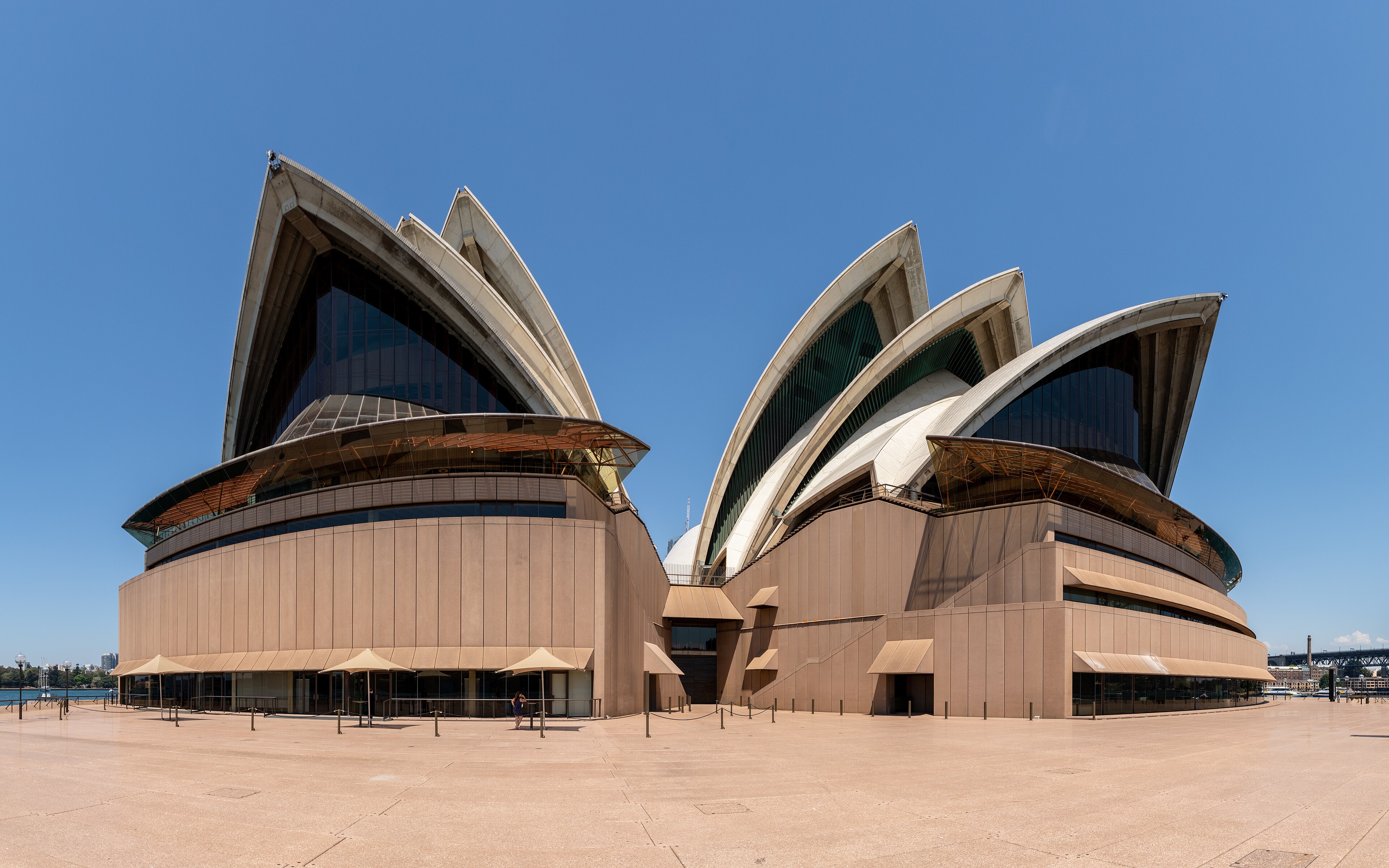
Shopping in Sydney — Buy the Coast Translated Into Design
Sydney’s coastal identity is persuasive but too broad to authenticate an object. The city becomes more interesting when climate is translated into cut, fibre, shade, ventilation, material choice and care rather than reduced to a beach-inflected look.
The city’s strongest design does not merely reproduce the beach. It solves the problems created by living near it: bright light, heat, wind, movement, informality, chlorine, salt and the daily negotiation between indoors and out.
Buy the coast translated into design.
Clothing should solve for climate, not simply photograph well
Sydney’s fashion map is unusually useful for comparison. In Paddington, Zimmermann and Lee Mathews place occasion dressing and a more material-led wardrobe within the same district. Aje, Camilla and Marc, Anna Quan, Jac + Jack and Christopher Esber broaden the field, while Bassike provides a quieter test of jersey, essentials and Australian design identity.
The useful purchase is the exact garment, not the company biography. Read fibre, lining, opacity, care and country of manufacture. Sit, walk, layer and move your arms. A dress that looks effortless in a bright fitting room may require dry cleaning, careful storage or a social life that does not exist at home.
“Australian designer,” “made in Australia,” “finished in Sydney” and “altered in Sydney” describe different relationships. None should be inflated or dismissed. The value lies in knowing which one applies.
Tailoring should make heat less formal
At Patrick Johnson, Sydney tailoring becomes a practical climate question. The house describes its core custom service as made-to-measure, and that language should be preserved. A luxurious room, cloth and fitting do not automatically convert made-to-measure into bespoke.
A warm-climate suit should address cloth weight, lining, trouser comfort, shoulder structure and how the garment will be worn beyond Sydney. The process needs a timetable: initial consultation, fitting, delivery or shipping, and responsibility for corrections after departure.
The local value is not only the finished suit. It is the interpretation of formality for a city that moves between business, dinner, travel and heat without changing costume each time.
The Rocks offers the most dependable art-and-design door
The MCA Store, at the Museum of Contemporary Art Australia in The Rocks, remains one of Sydney’s strongest non-fashion stops. Its current official material describes exhibition merchandise, art books, handmade gifts, homewares and fashion; it also states that Aboriginal and Torres Strait Islander art is sourced directly from Indigenous-owned and managed art centres under Indigenous Art Code guidelines.
That is a meaningful retail relationship, but the label still matters. Identify the artist, publisher, edition, art centre, licence or exhibition connection. Museum context is not a substitute for authorship.
The closure of the Australian Design Centre’s physical Object Shop in 2026 makes this distinction even more important. A recommendation must follow the current door, not the memory of a respected institution.
First Nations work requires named authorship
Sydney is a major point of access to Aboriginal and Torres Strait Islander art and design from across Australia. The Indigenous Art Code promotes fair, transparent and ethical trade between artists and businesses, while the National Indigenous Art Fair has brought community-owned art centres and artists directly to Sydney Harbour.
The pattern is never enough. A serious purchase should preserve the artist’s name, Nation or community, title, art centre or producer, licensing relationship and the seller’s ethical-trade framework. “Indigenous-inspired” is not an attribution.
This is especially important in fashion, jewellery, textiles, prints and homewares, where cultural imagery can be separated from the people who created it more easily than a signed painting can.
Sydney-made should be allowed to mean something exact
Dinosaur Designs provides a strong external example of a Sydney production relationship. Its official material states that resin pieces are designed and handmade in the Sydney studio using processes developed over decades, and its care guidance explains the variation and limitations of the material. That is a richer claim than the vague phrase “Australian design.”
The same method applies elsewhere. Who designed it? Where was the exact piece made? Which parts are handmade? What variation is normal? What can be repaired, refinished or replaced?
Food belongs to the day
Bourke Street Bakery is part of Sydney’s neighbourhood retail culture, but pastry is not improved by being turned into a long-haul souvenir. Eat fresh work in the city. Carry only sealed goods with a realistic life and lawful arrival.
Coffee, pantry items and food gifts should be judged by roast or production date, packaging, climate and the customs rules at the destination.
Let districts retain their purpose
The Rocks and the CBD form the compact institutional and tailoring chapter: MCA Store, the Strand Arcade and Patrick Johnson’s city service. Paddington is the concentrated fashion comparison. Surry Hills provides neighbourhood retail, food and a slower pace. Rosebery and Alexandria belong to a separate design and production day.
Deus Ex Machina should be routed only when current public access and the visitor’s interest justify the detour. A global lifestyle name does not automatically become an essential Sydney stop because it began in the city.
Tax refunds come after the garment works
Australia’s Tourist Refund Scheme can matter for eligible purchases. Current Australian Border Force guidance generally requires qualifying invoices totalling at least AUD 300 including GST from one ABN, with purchases made within sixty days before departure and goods available for inspection. Rules for checked goods and airport timing still apply.
The refund is paperwork after a good decision. It should never rescue a garment that does not fit or an object that will not survive the flight.
Climate intelligence travels further than coastal style
A strong Sydney purchase explains what it solved. The seam sits correctly in heat. The brim survives wind. The fabric recovers after water. The resin object comes with care. The tailored jacket remains useful outside the showroom.
Sydney’s best design carries climate as intelligence, not decoration. Fit, fibre, origin and care should reveal how the coast changed the object.
Sydney offers different kinds of specialist shopping across the centre and its nearby neighbourhoods. Denim at Corlection requires attention to fit, while a record shop rewards knowing the music or format you want. Begin with the purchase that requires the most thought, then add a smaller stop that fits the day.
Keep the location and the product's origin as separate pieces of information. A Sydney retailer can introduce you to Japanese denim or international design without making those goods Australian-made. Conversely, a gallery publication may connect directly with Australian art without being a handmade object. The shop's own product information should settle those distinctions rather than a broad souvenir label.
Denim by measurements rather than label size
Corlection lists its Sydney shop on the ground floor at 503–505 Kent Street. Its catalogue includes Iron Heart denim jackets and Momotaro clothing, alongside other Japanese labels. The site also provides a measuring guide and information about chainstitching and repairs 1.
Bring measurements from clothing that already fits, especially when comparing unfamiliar makers or heavier fabrics. A label size alone does not describe the shoulder width or the way a jacket sits over another layer. Read the specifications of the particular garment instead of assuming every piece from one brand has the same weight. The catalogue's fabric descriptions are a starting point for a fit discussion, not a substitute for it.
Ask how the chosen denim should be washed before deciding on an alteration. Hemming and repair information may be relevant to a purchase, but any work needs its own confirmed arrangement. The company also lists a Melbourne shop, so direct a stock question to the Sydney location you intend to visit. An online size listing does not establish that the garment is on that shop's rail.
Records and the equipment that plays them
The Record Store describes buying and selling new and used vinyl near the corner of Crown and Campbell streets. Its range spans several music genres, and the site explains that its digging crates are not fully represented in the online catalogue. It also provides information about turntables and replacement styli 2.
Decide if the visit is for a particular pressing or for exploring a genre. For a specific record, check the edition and condition rather than treating every copy of an album as equivalent. The shop's grading material can help frame that conversation, especially when buying used vinyl. A catalogue search and browsing uncatalogued crates answer different needs, so leave time for the one you actually enjoy.
For a replacement stylus, bring the exact model information for the cartridge or turntable. A part that looks similar is not enough to establish compatibility. The shop describes equipment services separately, which makes an enquiry appropriate without promising an immediate repair. Avoid transporting a turntable for work until the shop has confirmed what it needs to assess.
Design objects in Newtown
Hands lists its shop at 279 Australia Street in Newtown. Its selection includes dinnerware and small accessories, with categories for candles and other household objects. The shop describes working with local makers and independent brands, while its catalogue also references design from elsewhere 3.
Choose a gift around an actual use rather than a shelf full of possibilities. A cup needs to suit the recipient's routine, while a candle raises different questions about scent and placement. Check the material and care information for the individual item before assuming that similar-looking objects behave alike. The shop's location does not establish that every product is locally manufactured.
If the gift is intended to introduce a maker, keep the maker's name with it after wrapping. Small objects often lose that information when the packaging is discarded. Confirm a particular catalogue item before travelling for it, since a photographed selection can change. A focused purchase can make the stop worthwhile without requiring you to buy across every category.
Sources
1 Corlection, Japanese clothing, measuring resources and Sydney address, accessed September 2026: https://www.corlection.com/
2 The Record Store, vinyl range, uncatalogued crates and equipment information, accessed September 2026: https://recordstore.au/
3 Hands, product categories and Newtown shop, accessed September 2026: https://hands.com.au/
 Visit official site ↗
 Visit official site ↗
 Visit official site ↗
 Visit official site ↗
 Visit official site ↗
 Visit official site ↗
 Visit official site ↗
 Visit official site ↗
 Visit official site ↗
 Visit official site ↗
 Visit official site ↗
 Visit official site ↗
 Visit official site ↗
 Visit official site ↗
 Visit official site ↗
 Visit official site ↗
 Visit official site ↗
 Visit official site ↗
 Visit official site ↗
 Visit official site ↗
 Visit official site ↗
 Visit official site ↗
 Visit official site ↗
 Visit official site ↗
 Visit official site ↗
 Visit official site ↗
 Visit official site ↗
 Visit official site ↗
 Visit official site ↗
 Visit official site ↗
 Visit official site ↗
 Visit official site ↗
 Visit official site ↗
 Visit official site ↗
 Visit official site ↗
 Visit official site ↗
 Visit official site ↗
 Visit official site ↗
 Visit official site ↗
 Visit official site ↗
 Visit official site ↗
 Visit official site ↗
 Visit official site ↗
 Visit official site ↗
 Visit official site ↗
 Visit official site ↗
 Visit official site ↗
 Visit official site ↗
 Visit official site ↗
 Visit official site ↗
 Visit official site ↗
 Visit official site ↗
 Visit official site ↗
 Visit official site ↗