London perfumer founded in 1730 by Juan Famenias Floris, a Minorca-born barber and perfumer, at 89 Jermyn Street, where the family still runs the business and its perfumery from the same shop, now in its 8th and 9th generations.
Best for Heritage English colognes, No.89, White Rose and bespoke fragrances.
Perfumer to the crown since 1730 — English florals composed in London for very nearly three centuries, with No.89 carrying the house scent forward decade after decade. Heritage English cologne is a small category with one obvious address; Floris has been that address since before the word "cologne" settled into English.
Tracing back to a cheese stall Stephen Cullum set up at Clare Market in 1742, the business took its name after Harry Paxton and Charles Whitfield joined the Cullum family firm and has sold cheese from 93 Jermyn Street ever since. It has held Royal Warrants continuously since 1850, beginning under Queen Victoria and currently under King Charles III.
A St James’s wine merchant since 1698 — the great coffee scales that weighed Byron and Beau Brummell still in the shop, two royal warrants, cellars running under St James’s.
Best for Fine wine, whisky, the Good Ordinary Claret
The scales are the thing to understand first. Just inside Britain's oldest wine merchant stand the great coffee scales, and for two centuries the custom of the house was to weigh not the goods but the customers. Byron sat in those scales. So did Beau Brummell. The ledgers recorded their weights alongside their wine bills, with a discretion that made the practice a privilege rather than an indignity — an intimacy between merchant and client that tells you what kind of relationship this shop has always sold alongside the claret.
Trading at 3 St James's Street since 1698, Berry Bros. predates the very idea of the wine list as most of the world knows it. Beneath the shop, cellars run under St James's itself — bottles aging below the pavement where London walks unaware. Above ground, the house holds two royal warrants, supplying the palace as it has across centuries of coronations.
And yet the most quietly radical thing Berry Bros. sells is honesty. Its famous house claret is named, with three hundred years of confidence behind the joke, Good Ordinary Claret — a wine whose entire marketing is the refusal to oversell. A house that has tasted everything, weighed poets, and cellared bottles through every war since the Glorious Revolution has earned the right to tell you plainly: this one is good, ordinary, and exactly what it says. Fine wine and whisky for the collectors; the Good Ordinary for everyone who understands that the oldest merchant in Britain has nothing left to prove.
Lock & Co Hatters traces its London business to Robert Davis's shop in 1676 and the later involvement of James Lock. Its range includes felt hats and caps, with the Coke or bowler forming part of its history. The shop also provides guidance on hat selection and care to help customers consider fit and material before a purchase.
Best for Felt hats, caps and guidance on choosing a hat
Lock & Co Hatters traces its history to the shop opened by Robert Davis in London in 1676. The Lock family became connected with the business through James Lock, who inherited it after marrying into the Davis family. Its St James's Street history is part of the shop's identity, alongside the hats it supplies today.
The present range includes felt hats and caps, with seasonal styles and a separate interest in the Coke, or bowler. The company also publishes guidance on choosing a hat and caring for it after purchase. Shape and fit are practical starting points, particularly for someone who usually buys caps but is considering a more structured hat.
Try the relevant style with the clothes and outerwear you expect to wear, rather than selecting it from a historical association alone. Ask how the actual material should be stored and cleaned before making a final choice. A business with a long London history can still sell products with different material and manufacturing origins, which need checking individually.
Daunt Books' Marylebone shop is a general bookseller with a particular interest in travel and books about places. Its ranges extend from fiction to travel guides, with books arranged by country forming part of the wider offer. The business began on Marylebone High Street in 1990, before expanding into other London neighbourhoods over subsequent years.
Best for Travel writing and general books in Marylebone
Daunt Books began on Marylebone High Street in 1990, before the business expanded into other London neighbourhoods. The Marylebone shop remains associated with travel reading, while operating as a general bookseller rather than selling guidebooks alone. Its wider catalogue includes fiction and books about places, giving travellers several ways to prepare for a destination.
Books by country form one route through the range, alongside conventional categories for novels and nonfiction. That distinction helps when the subject of a trip crosses several kinds of writing. A reader can consider a travel guide together with fiction set in the same place or an account of its history.
The store also serves readers who have no journey planned, through its general book selection and bookselling advice. A practical visit might begin with a particular author or subject and widen from there. Marylebone is a specific branch, so descriptions of the company's other shops need not apply to the same premises. The travel association is useful as a starting point, without restricting what someone can reasonably look for on its shelves.
Trading from its largely unaltered Victorian shopfront at 53 New Oxford Street since 1857 (founded 1830), James Smith & Sons is generally credited as London's oldest umbrella shop, with its own in-house repair department.
Best for London's oldest umbrella shop - an almost unaltered 1857 Victorian shopfront
James Smith founded this umbrella business in 1830 at Foubert's Place in Soho; his son later moved the main shop to 53 New Oxford Street in 1857, where it has traded ever since - long enough that it is generally credited as London's oldest umbrella shop. The New Oxford Street premises is largely unaltered: a mahogany, painted-glass and brass Victorian shopfront, with fittings inside dating to around the 1870s and polished wooden counters that have stayed in place through more than a century of trade, making the interior itself as much a draw as anything sold within it. The current range covers gentlemen's and ladies' umbrellas across several traditional constructions - solid stick, fit-up, pencil and birdcage models - plus walking sticks in country, town, ladies' and folding styles, seatsticks, and accessories finished in natural horn. Crucially, the shop maintains an in-house repair department that services the umbrellas and sticks it has made, rather than treating repair as an afterthought bolted onto retail. Locally, London cab drivers are said to know it simply as 'the umbrella shop,' a nickname that reflects how embedded the address has become in the city's daily geography near the British Museum. It functions as a working shop first, with the Victorian shopfront surviving as a byproduct of nearly two centuries of continuous trade rather than a restoration project.
Swaine's New Bond Street flagship brings leather goods together with Herbert Johnson hats and the house's other collections. Workshops within the London store make bespoke leatherwork and hats at the same address as the shop. The shop also handles aftercare enquiries for older pieces.
Best for Leather goods, hats and bespoke services in London
Swaine's flagship at 127 New Bond Street combines a shop with working spaces for leather artisans and hatters. The collection brings the house's leather goods together with Herbert Johnson hats, and the store presents archive pieces alongside newer designs. For a visitor interested in how an object is made, the workshops give the address a different purpose from a display-only boutique.
The leather and hat workshops undertake bespoke orders. A commission therefore begins with a discussion about the piece and the work involved, rather than an assumption that everything on display can be altered in the same way. The store also accepts older goods for its aftercare service, making it relevant to someone who already owns a Swaine item.
Use the flagship to compare pieces in person or ask about a particular service before commissioning work. Ready-to-buy collections and bespoke production serve different needs, and the presence of a London workshop does not establish where every item in the wider range was made.
⚒ Leather & Bag Makers · The New Bond Street flagship has workshops making bespoke Swaine leather goods and Herbert Johnson hats / this does not establish origin for every stocked itemORBIS register
Fortnum & Mason's Piccadilly store combines food halls with the Diamond Jubilee Tea Salon on an upper floor. The business traces its beginnings in Piccadilly to 1707, well before its other London and overseas branches. Food shopping and a tea-room visit serve different purposes within the building, so they can be planned separately.
Best for Food halls and tea at the Piccadilly store
Every institution should be able to name its best idea. Fortnum's can: it invented the Scotch egg. In the coaching era, when Piccadilly was a departure point and dinner had to survive a journey in a jolting carriage, the Queen's grocer devised a boiled egg wrapped in sausage meat — portable, durable, complete. Three centuries of picnics descend from that single act of practical genius, and it tells you exactly what kind of house this is: luxury, at Fortnum's, has always meant *provisioning solved beautifully*.
The store has kept that promise since 1707. The hampers — wicker arks of tea, preserves, and biscuits — are the Scotch egg's descendants at scale: journeys, solved. The tea department treats leaf-buying with the gravity other nations reserve for wine. And the whole emporium wears its signature eau-de-nil — that pale, unmistakable green — like a uniform, from the bags to the tins to the paintwork.
Above the Piccadilly entrance, the house performs its own history on the hour: the great clock opens, and the figures of Mr Fortnum and Mr Mason emerge to bow to one another — founder greeting founder, as they have for every generation of customer passing below. It is theater, but honest theater: a grocer's partnership from the reign of Queen Anne, still trading, still bowing, still at number 181. The Queen's grocer is a nickname earned across a dozen reigns, and the food hall below the clock remains what it has always been — the most ceremonious answer ever given to the question of what to eat next.
Jermyn Street shirtmaker founded 1899 by Charles Hilditch and W. Graham Key; rebuilt after Blitz bombing damage and now trading from Jermyn Street. Karl Lagerfeld was a longtime customer said to own over 1,000 of its shirts.
Best for Classic English two-fold cottons.
Hilditch and Key was founded in 1899 by Charles F. Hilditch and W. Graham Key, both previously trained at the Duke Street shirtmaker Harman's. The business opened first on Tottenham Court Road before relocating to Jermyn Street and opening a Paris branch on Rue de Rivoli in 1907. Its original Jermyn Street premises were destroyed during the Blitz; the firm operated from temporary quarters before moving permanently to number 39. The shirtmaker became known among a bespoke-menswear clientele that reportedly included Karl Lagerfeld, said to have owned more than 1,000 of the brand's high-collared shirts. Now past its 125th year, Hilditch and Key continues to operate from Jermyn Street, combining bespoke and made-to-measure shirtmaking with ready-to-wear.
Cuban and international cigars, pipes, and pipe tobacco from a St James's Street house tracing to an 1787-founded predecessor, with seven royal warrants.
Best for Cuban and international cigars, pipes
James J. Fox traces its lineage to two joined businesses: Robert Lewis, which began trading tobacco in 1787 at 14 Long Acre, Covent Garden, only moving to its present St James's Street address decades later, and James J. Fox, formed in Dublin in 1881. James J. Fox opened its first London shop in 1947 and acquired Robert Lewis outright on 14 September 1992, uniting the two houses at 19 St James's Street, where the business still trades today. Between them the two names collected seven royal warrants; the first, per the company's own heritage page, was granted by Queen Victoria (independently dated to around 1850), and the last came in 1997 from Queen Elizabeth the Queen Mother.
The shop sells Cuban and international cigars, pipes and premium pipe tobacco, alongside cigar accessories such as humidors, cutters and lighters, and holds concession departments inside Harrods and Selfridges. Its basement houses the Freddie Fox Museum, named for Frederic James Fox, who led the business through the twentieth century and established what the company describes as the world's first duty-free tobacco outlet. The museum displays the company's historic sales ledgers, Sir Winston Churchill's cigar cases, and what is presented as the oldest surviving box of Havana cigars, dated 1851.
Recorded customers across the shop's history include Churchill, Oscar Wilde, and members of British and foreign royal families, documented in the surviving ledgers now kept on site. The current premises at 19 St James's Street sit a short walk from Piccadilly in London's traditional gentlemen's-shopping quarter, and the business continues to trade as a dedicated cigar and pipe tobacconist rather than a general tobacco retailer.
Bates is a London hatter within Hilditch & Key's shop at 73 Jermyn Street. Its range runs from flat caps to formal top hats and includes styles for different seasons. Shoppers can try on shapes in person and seek advice on choosing a hat.
Best for Trying on classic hats and caps on Jermyn Street
Hatmaker since 1773; Prince Albert wore a Christys' top hat in the 19th century, and Marlon Brando wore a Christys' Homburg as Vito Corleone in The Godfather.
Best for Top hats, bowlers, trilbies and British millinery
Christys' has made hats in England since 1773, giving it a claim to being among the oldest continuously operating hat houses in the country. Its early reputation was built on top hats and bowlers; Prince Albert wore a Christys' top hat in the 19th century, helping establish the house among Britain's traditional gentleman's outfitters of the period.
Its most cited modern cultural moment is cinematic rather than royal: a Homburg hat from Christys' was worn by Marlon Brando as Vito Corleone in The Godfather, a piece of costuming the brand itself now leans on in its own marketing. Winston Churchill is also cited among its historic wearers.
The house continues to produce its hats — including panamas, fedoras, trilbies and flat caps alongside its original top hats and bowlers — using traditional felt- and straw-blocking techniques, manufactured in England rather than outsourced, which is the throughline connecting its 18th-century founding to its current product range.
Founded 1840 in St James's, moved to 83 Jermyn Street in 1966; known in the trade as 'the shoemaker's shoemaker', it also crafts Ministerial Despatch Boxes for UK and foreign governments.
Best for Bespoke boots, heritage
Foster & Son was founded in 1840 in St James's, London, close to the Royal Household and the gentlemen's clubs whose clientele the bespoke boot- and shoemaking workshop was built to serve. The firm moved premises twice before settling at 83 Jermyn Street in 1966, where its workshop still operates. During the Second World War, in 1941, the firm's proprietor, Mr. Foster, was killed by a bomb at Waterloo station; the same period saw another bootmaker, Charles Chester, lose his own premises to a direct hit, and a shared leather merchant introduced the two firms, which combined operations and moved in with Mrs. Foster at a workshop on Eagle Place. Foster & Son is known in the trade as 'the shoemaker's shoemaker,' and alongside bespoke footwear it has made Ministerial Despatch Boxes for UK and foreign governments and dignitaries. The company remains in private English ownership, one of a small number of London bespoke shoemaking houses with a continuous history back to the 19th century.
Working out of the same Birmingham building since 1786, Deakin & Francis calls itself Britain's oldest family jewellers. It is run by the seventh generation of the family and still makes cufflinks and signet rings by hand. Their signature is vitreous enamelling — a slow, kiln-fired craft that gives their novelty and heraldic pieces their depth of color.
Savile Row tailor at 11 Savile Row, London, tracing to an 1809 breeches-making business; became H. Huntsman & Sons under Henry Huntsman in 1849, earned its first royal warrant in 1886, and moved to Savile Row in 1919.
Best for Legendary tailoring, heritage; iconic Savile Row bespoke shirts
Savile Row's one-button power. Since 1849 the house has cut with hunting-pink heritage in its cloth rooms and a silhouette so distinct the movies borrowed it — Kingsman was built on this shop. One button, high armholes, and the conviction that a jacket should stand at attention even when its wearer doesn't.
Anderson & Sheppard has been a Savile Row tailoring house since 1906. Per Anderson set the fluid cutting style that still distinguishes it. The house cut favours easy movement and a natural body line, passed down through an unbroken chain of cutters and tailors. The firm currently trains nine apprentices, holds a Royal Warrant as tailors to the King, and works from 32 Old Burlington Street.
Best for Bespoke Savile Row tailoring in the house's fluid, easy-moving cut
Savile Row institution with royal warrants — bespoke tailoring and shirt program. One-piece collar available on bespoke shirt orders. Established 1771.
Best for Bespoke Savile Row tailoring with royal warrants and one-piece-collar shirts, since 1771.
Drake’s still makes its ties by hand at a dedicated East London factory, using constructions from ancient madder to knitted silk. The shops extend that haberdashery approach into shirts, jackets, knitwear and accessories.
Trading from 52 Old Compton Street in Soho since 1887, Algerian Coffee Stores roasts single-origin coffees from Central and South America, India, Africa and Indonesia on site, alongside house blends and specialty teas.
Best for 137 years of single-origin coffee roasting and specialty tea from the same
Algerian Coffee Stores has traded from the same address, 52 Old Compton Street in Soho, since 1887, putting it among the oldest continuously operating specialty shops on a London high street that has changed character many times over in the intervening century and a half. The current range runs through single-origin coffees from Central and South America, India, Africa and Indonesia, sold alongside the shop's own house blends, and a tea selection that stretches from everyday varieties to specialty and harder-to-find lots sourced from small growing regions. Beyond the two core categories, the shop carries specialty confectionery and cocoa products, plus domestic coffee makers and brewing accessories for anyone setting up at home. The business has stayed in the hands of the same family across multiple generations, and the roasting still happens on-site rather than through an outside supplier, which is a large part of what has kept regulars coming back to one shopfront rather than a chain with multiple branches. Now well past its 137th year in Soho, the shop runs an online store and newsletter alongside the physical counter, extending a nineteenth-century retail model - small-batch roasting, direct relationships with regulars, sourcing from small corners of the world rather than mass suppliers - into a modern retail footprint without changing the format underneath it.
Rei Kawakubo’s beautiful chaos — the concept store where Comme, streetwear and couture collide. Left Dover Street March 2016 after landlord tripled the rent. Haymarket store 31384 sq ft on five floors, three times the old unit. 17-18 Dover Street housed the ICA from 1950.
Best for Multi-brand fashion, streetwear and limited collaborations
Rei Kawakubo of Comme des Garçons and her husband Adrian Joffe opened Dover Street Market in London in 2004, naming it for its first address and organizing it around her phrase 'beautiful chaos': a multi-floor market where the world's most conceptual fashion — all Comme des Garçons lines, Sacai, Simone Rocha, streetwear installations, emerging names — shares space in artist-built environments that are demolished and rebuilt seasonally in the ritual of tachiagari. The London store later moved to Haymarket, and the market spread to New York, Tokyo, Singapore, Los Angeles, and Paris, each edition curated as an argument rather than an inventory. DSM functions as fashion's most influential retail edit: placement here anoints young designers. Go without a shopping list — the point is the collision of things, and the exclusive collaborations produced for the store are the collectors' quarry.
Visit early in a season drop for the store-exclusive pieces, and take the floors in order — the installations are sequenced, and rushing them misses the argument.
Harry Gordon Selfridge’s 1909 theatre of retail — the Oxford Street innovator that invented shopping as entertainment. Opening day drew 90,000 visitors; first-week visits topped one million. Westminster Gazette (1909): aim to make shopping 'a pleasure, a pastime, a recreation'.
Best for Iconic department store
Harry Gordon Selfridge, an American retail showman, opened his Oxford Street store in 1909 with a philosophy that changed shopping itself: goods out on display to be touched, staff trained to assist rather than pressure, the store as public theatre — he is credited with the phrase 'the customer is always right' and put Blériot's cross-Channel monoplane on display days after the flight. The columned building runs a full block and remains London's second-largest store. Modern Selfridges earned its own reputation as the most inventive of the world's department stores: the Yellow branding, ambitious themed campaigns filling the famous windows, the Corner Shop's rotating collaborations, and strong beauty, denim, and designer floors. The food hall and rooftop restaurants round it out. Visit for the windows and the energy — no London store works harder to make retail feel like an event.
Check what occupies the Corner Shop before visiting — the rotating concept space is where the store's invention concentrates, and it changes entirely by season.
The trench itself — Thomas Burberry’s gabardine since 1856, the check, and the flagship house of British luxury. Past-season trench and check pieces reach The Mall outlet at Leccio Reggello, outside Florence.
Best for The trench coat and check heritage, done properly.
Thomas Burberry founded his outfitter's business in Basingstoke in 1856 and changed outerwear permanently with gabardine — the tightly woven, weatherproof cotton he developed and patented, which clothed polar expeditions and, in the First World War, produced the trench coat whose name records its origin. The trench remains the house's central object: the check lining, the D-rings, the storm flap all descend from function. A century and a half on, Burberry is Britain's largest luxury house by revenue, cycling through creative directors while the coat holds steady at the center. The heritage trenches — Kensington, Chelsea, Waterloo cuts — are made in England and worth buying over fashion pieces; they outlast trends by design. The check, over-exposed in the 1990s and carefully rehabilitated since, is best worn where it began: inside the coat.
Have a heritage trench altered rather than sized up — the coat is cut to layer over tailoring, and a proper sleeve length transforms how it reads.
Lee McQueen’s house of savage beauty — razor tailoring, skull scarves and the Armadillo legacy, today under Seán McGirr within Kering. Its outlet door at The Mall in Leccio Reggello carries past-season razor tailoring outside Florence.
Best for Sharp tailoring and the McQueen legacy pieces.
<p>Lee Alexander McQueen founded his house in 1992 with a Savile Row education and an East London temper. Apprenticed at Anderson & Sheppard and Gieves & Hawkes before his Central Saint Martins master's collection was famously bought in its entirety by stylist Isabella Blow, he fused the two inheritances into something new: tailoring of surgical precision carrying imagery of romance and violence. The bumster trouser, the skull scarf, the armadillo shoe — provocations built on impeccable pattern-cutting.</p><p>The runway was his second medium. McQueen's shows — model spray-painted by robots, a hologram of Kate Moss in organza — remain the most quoted theater in fashion's history, and they were never decoration: each collection argued that beauty and brutality are cut from the same cloth.</p><p>After his death in 2010, Sarah Burton, his right hand of fourteen years, carried the house with a gentler hand — the Duchess of Cambridge's wedding dress its most-watched single garment — before Seán McGirr took the studio in 2024 under the Kering group. The tailoring discipline survives every era: whatever the image, the shoulder is always perfect.</p>
Spanish designer of women's luxury footwear. Known for the Hangisi pump. Born in the Canary Islands and based in London.
Best for Hangisi pumps and hand-lasted women's footwear.
Manolo Blahnik was born in the Canary Islands to a Spanish mother and Czech father, and it was Diana Vreeland who aimed him: reviewing his 1971 portfolio, she declared he should do "shoes, just shoes." London got the result — the Old Church Street shop opened in 1973 and remains the mothership of the most famous name in women's footwear.
He still draws every shoe by hand and carves his own lasts, and the results carry his signatures: the Hangisi's jeweled buckle on satin (Carrie Bradshaw's proposal shoe — Sex and the City made "Manolos" a common noun), the BB pump's perfect plainness, mules descending from his early Ossie Clark collaborations. Production is Italian, standards are his alone, and the CFDA, British Fashion Council and a CBE have all said their piece.
Family-owned still — his niece Kristina runs the company — the house sells what Blahnik has drawn for five decades: the shoe as small architecture, frivolity executed with total seriousness.
Founded by Jo Malone in 1990 with her debut fragrance Nutmeg & Ginger; she opened her first London boutique in 1994 and sold the brand to Estée Lauder in 1999, staying on as creative director until 2006.
Best for Layerable London colognes.
Jo Malone founded her eponymous company in London in 1990, launching with the fragrance Nutmeg & Ginger, a scent that became an early bestseller and built her reputation before she had any formal perfumery training. She opened her first boutique in 1994, offering fragrance, skincare, and home-scent products together, and gained wider recognition in the US market after an appearance on The Oprah Winfrey Show. One of her most enduring creations, Lime Basil & Mandarin, began as a bath oil; working with her fragrance-oil supplier Lautier Florasynth and perfumer Lucien Piguet, she developed it into the cologne now sold as one of the brand's signature scents and among its best-selling fragrances worldwide. In 1999, Malone sold the company and the rights to her own name to Estée Lauder Companies for an undisclosed sum, remaining on as creative director until 2006 under a non-compete that barred her from launching competing fragrance or skincare products for five years. She later started a separate company, Jo Loves, once that restriction lapsed. Perfumer Christine Nagel has since created dozens of fragrances for the house, including Wood Sage & Sea Salt (2014).
London fragrance house since 1835 — Victorian orientals Phul-Nana and Shem-el-Nessim revived by Brooke family descendants.
Best for Resurrected Victorian scents.
Grossmith is a historic English perfume house founded by John Grossmith in London's City in 1835, now owned and operated by the Brooke family, descendants of the founder. The house became an influential and popular perfume house, operating from 29 Newgate Street (known as The Laboratory of Flowers) and maintaining a factory in Grasse, France. By the early 1900s, Grossmith's formula books contained over 300 products including perfumes, oils, soaps, and cosmetics. Grossmith received a prize medal at the Great Exhibition of 1851 and exhibited at the Brussels International Exhibition in 1897. The house began its foray into perfumery by following the Victorian craze for Eastern-inspired everything, producing an inaugural line of perfumes featuring exotic names and unusual blends: Hasu-no-Hana, Shem-el-Nessim, and Phul-Nana (created in 1891, meaning lovely flower, presented to Queen Alexandra then Princess of Wales, marking the beginning of a long association with royalty). The company held Royal Warrants from the courts of Greece, Spain, and British royalty during the 1920s. The Brooke family revived the brand in 2006 and reintroduced the original three fragrances, tweaked for modern wearers by Robertet perfumer Trevor Nicholl (2011 update).
London tailoring house whose self-supporting waistband was invented by Alec Simpson in 1934, giving the DAKS name (from 'Dad' and 'slacks'). Sold through the Simpson Piccadilly store, Britain's largest menswear shop when it opened in 1936.
Best for Trousers, heritage
Daks traces to Simeon Simpson's bespoke tailoring business, founded in Whitechapel in 1894. In 1934, his son Alec Simpson took the company into ready-to-wear tailoring and invented the 'self-supporting' waistband - small rubber pads sewn into the waistband that held trousers in place without a belt or braces, aimed originally at golf and sportswear. The company held a worldwide patent on the design for years. The DAKS name itself was coined from 'Dad' and 'slacks.' The brand became the flagship of Simpsons of Piccadilly, which opened in April 1936 as, at the time, the largest menswear store in Britain, and Daks grew under that platform into one of the country's major ready-to-wear tailoring names, later expanding into its recognisable house check.
D.R. Harris has traded as a chemist in St James's, London, since 1790 and holds a Royal Warrant. Arlington, its house fragrance, remains a signature at the same address.
Best for Since 1790, Arlington, and the Queen's chemist.
British luxury house since 1893 — part of Richemont. Alfred Dunhill's motoring coat to contemporary menswear, leather goods and accessories.
Best for British heritage luxury menswear
Alfred Dunhill inherited his father's saddlery in 1893 and pivoted it toward the horseless carriage with a phrase that still defines the house: "everything for the car but the motor." Motorities — driving coats, goggles, dashboard clocks, the audacious Bobby Finder — made Dunhill the outfitter of Edwardian speed; the pipes and lighters that followed (the Unique lighter could be struck one-handed at the wheel) made it a gentleman's-luxury empire from Jermyn Street to Shanghai by the 1920s.
The modern house, part of Richemont, distilled all of it into contemporary menswear: leather goods machined with automotive precision, the Lock bag's engine-turned clasp, tailoring and knitwear that dress British quietness for a global customer. Bourdon House in Mayfair — the Duke of Westminster's former residence — serves as the London home, complete with barber and cellar.
The heritage is genuinely eccentric and the register genuinely calm: a century of gadgets resolved into understatement, with the long A-D logo as the signature.
Established in 1689 to make ceremonial robes for the coronation of King William III and Queen Mary II, Ede & Ravenscroft claims the title of London's oldest tailor and continues to dress the judiciary, clergy and universities in bespoke gowns from its Chancery Lane shop. Alongside legal and academic robemaking, the firm produces bespoke and ready-to-wear tailoring, holding Royal Warrants earned across more than three centuries of trade.
Best for Legal and academic robes, bespoke tailoring
The Knightsbridge palace — 330 departments, Egyptian escalators, trading since 1849. On 16 November 1898 Harrods debuted England's first 'moving staircase' (escalator) in the Brompton Road store.
Best for World's most famous luxury store
Charles Henry Harrod's grocery, founded in 1849, grew into the Knightsbridge palace whose terracotta façade, lit by thousands of bulbs at night, is London retail's most famous silhouette. Harrods' scale remains its argument — over a million square feet, the legendary Food Halls with their Edwardian tiles at the center, luxury floors covering every category, and services that once honored the motto Omnia Omnibus Ubique: all things for all people, everywhere. The store installed one of the world's earliest escalators in 1898, reportedly offering brandy to nervous riders at the top. Under Qatari ownership the store has been progressively polished into a luxury destination anchored by its beauty halls and designer floors. The Food Halls remain the essential visit: architecture, provisioning, and theatre in one room, and the house-label hampers and teas make the canonical London gift.
Enter through the Food Halls door on Hans Crescent to meet the store at its best first; the house-label teas and hampers remain the purchases that age well.
Budd has made shirts and sold haberdashery from Piccadilly Arcade since Harold Budd opened there in 1910 as the arcade's first tenant. The shop and cutting room stand at 3 Piccadilly Arcade, where bespoke and made to measure shirts are cut alongside a ready to wear range. The Budd collar and the Budd stripe remain house signatures, as do Madder silk ties.
Best for Bespoke and made to measure shirts from a 1910 Piccadilly Arcade shop
Budd has traded as a gentlemen's haberdashery and shirtmaker since 1910. That year Harold Budd opened at 4 Piccadilly Arcade, the first shop in an arcade completed the previous year. He took a ground-floor position to catch gentlemen passing between the clubs of Pall Mall and the establishments of Piccadilly. He built the shop's reputation on bespoke shirts cut and sewn by hand. Harold Budd laid down much of what still defines the house. The Budd collar and the Budd stripe are his, as are the Budd bow and a lasting fondness for Madder silks. By 1919 George Gershwin was naming Budd in a lyric for the Broadway musical La La Lucille. After the bombing of 1941, Budd was the first tenant to move back into the Arcade. The shop and cutting room now stand together at 3 Piccadilly Arcade. Bespoke and made to measure shirts are cut there for clients in London and at trunk shows in the United States. The tiny shop holds ready to wear shirts and nightwear as well as dresswear and a wall of ties. The staff are largely trained from within, and the house says there is little turnover among them.
Turnbull & Asser's flagship occupies 71–72 Jermyn Street in London's St James's, where the house has traded since 1903. The shop carries classic and seasonal clothing alongside shirts and accessories, with original fittings still part of the interior. Customers seeking bespoke shirts should distinguish this flagship from the separate Bury Street service described by the house.
Best for Shirts and menswear on Jermyn Street
Turnbull & Asser's Jermyn Street flagship presents the house through shirts and the clothes worn with them. The shop has occupied 71–72 Jermyn Street since 1903, and original fittings remain part of the interior. That date belongs to the move into this building, rather than to the beginning of the company. The current collection brings classic pieces together with seasonal clothing and accessories, allowing a visit to extend beyond a single shirt.
The house describes shirt and tie production through its Gloucester and Sidcup factories and the work of their cutters and sewers. That account gives a more precise sense of manufacture than treating everything on the shop floor as British-made. It also separates production from the services offered at each London address. The Jermyn Street shop is the flagship for viewing the collection, while the bespoke shirt service described by the house operates on Bury Street. Decide which kind of purchase you have in mind before arranging a visit, particularly if the aim is to commission rather than buy ready-to-wear.
Founded in Walthamstow in 2016, Blackhorse Lane Ateliers makes selvedge and organic-denim jeans in its own East London factory alongside chore jackets, shirts and related ready-to-wear. Shoppers can try the jeans at Coal Drops Yard, Soho or the Walthamstow factory outlet, and Blackhorse Lane offers free lifetime repairs on its own denim garments.
John Lobb Ltd at 9 St James's Street is the family-run London bespoke shoemaker, separate from the Hermès-owned Paris-derived business. Its process begins with measured feet and a carved personal last before specialist makers construct the shoes. The last is retained for later pairs, and customers discuss the fitting process and timing as part of the commission.
Best for Bespoke footwear fitted to individual measurements at John Lobb in London
John Lobb Ltd at 9 St James's Street is the family-run London bespoke shoemaker. It is separate from the Hermès-owned business that grew from the Paris branch. The London shop's history records a Regent Street opening in 1866 and a later move into St James's, rather than making the current address the starting point of every chapter.
Bespoke work begins with a fitter recording the customer's feet. A last-maker then carves a wooden model from those measurements and observations. The pattern cutter works from that last and the chosen style, after which leather selection and the construction of the upper involve other specialist craftspeople.
The maker joins the upper with the sole and heel, and fitted wooden shoe trees help retain the finished shape. The personal last is kept for future pairs. This is a commissioned process, so an enquiry should begin with fitting and timing rather than an assumption of immediate stock. The house's craft account describes work taking months; confirm the schedule for the actual order directly with the workshop.
Bespoke and ready-to-wear shirts from 66 Jermyn Street since 1999, made to traditional English shirt-making techniques in Swiss and West Indian Sea Island cottons, with the atelier at Bearland House in Gloucester.
British shirtmaker founded in 1986 by Nicholas Wheeler as a student mail-order business at Bristol University; its first physical shop opened on Jermyn Street in 1997, and the flagship now sits at number 100.
Best for Value Jermyn Street shirting.
Charles Tyrwhitt was founded in 1986 by Nicholas Wheeler while he was a student at the University of Bristol. Increasingly critical of how his fellow students dressed, Wheeler decided he could make a better shirt himself, and spent around £300 on five thousand mail-order leaflets and a basic Amstrad word processor to get the business started. The company's name is drawn from Wheeler's own middle names — Charles Tyrwhitt — chosen partly as a nod to a family ancestor, Sir Hercules Tyrwhitt, said to have been killed on a bridge in Northumbria in 1067. The mail-order shirt business grew steadily through the 1990s before opening its first physical shop on Jermyn Street in 1997, placing it on a street with a long-standing association with British shirtmaking. The company's flagship store now sits at 100 Jermyn Street, and its shirts are made in its own factories using European fabrics, a manufacturing claim the company has maintained as it expanded into suits, ties and other menswear.
Mayfair bespoke shoemaker founded 1958 by George Cleverley after 38 years shoemaking for Tuczek on Clifford Street; creator of the chisel-toed 'Cleverley shape.' Business continues under George Glasgow Jr. at The Royal Arcade near Savile Row.
Best for Bespoke shoes, Cleverley shape
George Cleverley was born in 1898 into a shoemaking family and apprenticed in the trade from age 15. From 1920 he spent 38 years working for the Austro-Hungarian shoemaker Nikolaus Tuczek on Clifford Street in Mayfair, a firm whose clients included Winston Churchill. In 1958, Cleverley left to found his own business on Cork Street in Mayfair, where he developed the graceful, chisel-toed 'Cleverley shape' that became his signature. He continued working into his early 90s and died in 1991. The business survives him and today operates under George Glasgow Jr. from premises in The Royal Arcade, near Savile Row.
Bespoke shoemaker trading from the Royal Arcade off Old Bond Street, Mayfair, since 1958; hand-carved wooden lasts and the Churchill-associated 'Churchill II' oxford, with its elasticated side gusset, remain signatures alongside a ready-to-wear line.
Best for Bespoke Shoes
G.J. Cleverley has operated from 13 The Royal Arcade, 28 Old Bond Street in Mayfair since 1958. Its best-known historical client is Winston Churchill, for whom the house developed a shoe with an elasticated side gusset and imitation laces - a design still sold today as the 'Churchill II.' Every bespoke commission starts with a personal fitting and a wooden last carved specifically for the customer's foot, kept on file for future orders; the firm's ready-to-wear collection is drawn from the same bespoke lasts and made using comparable leathers and hand-finishing techniques. Construction methods are described by the firm as largely unchanged for over sixty years.
Bucklesbury is a London design house whose umbrellas are handmade in England, made by craftsmen the brand describes as continuing London's umbrella-making tradition back to 1805 — the same period the city's oldest surviving umbrella manufacturers trace their own founding to.
Best for English-made umbrellas with a solid single-piece chestnut or maple shaft
Bucklesbury is a London design house whose umbrellas are handmade in England, made by craftsmen the brand describes as continuing London's umbrella-making tradition back to 1805 — the same period the city's oldest surviving umbrella manufacturers trace their own founding to. Its Classic range is built around a beechwood shaft; the London Umbrella, its higher-tier model, is cut from a single piece of chestnut wood for men's versions and maple for women's, rather than an assembled multi-piece stick.
Every umbrella is marketed under Bucklesbury's own "Rain Tested in England" standard and ships in a branded gift box with a cotton dust bag, positioning the line at the gift and luxury-accessory end of English umbrella-making rather than a working trade counter. The company also makes handmade Italian leather bags and England-bound hand-bound journals, running the umbrella line alongside a small stable of English- and Italian-made goods rather than as a single-product workshop.
Operating from Marsh Wall in London's Docklands, Bucklesbury reads as a newer design house explicitly built on the city's older umbrella-making lineage, distinguishing its top model by the solid single-piece wood shaft that its Classic range doesn't share.
Lockwood Umbrellas is a London manufacturer working out of a North London manufactory, with its retail presence at the Tea Building on Shoreditch High Street.
Best for Steel-framed, hand-sewn umbrellas with buffalo-horn handles and a choice
Lockwood Umbrellas is a London manufacturer working out of a North London manufactory, with its retail presence at the Tea Building on Shoreditch High Street. Each umbrella is built on a Grade A steel frame with hand-sewn reinforcements and lathe-turned brass fittings, construction the company frames as a deliberate return to centuries-old umbrella-making methods rather than a mass-produced frame.
The materials list is unusually specific for a modern maker: canopies in water-resistant cotton, handles in ethically sourced buffalo horn, and shafts turned from a choice of hardwoods — maple, chestnut, whangee bamboo, or bark ash — sourced from sustainable woodlands. That range of named timbers, alongside the horn handles, puts Lockwood's construction closer to the bespoke English shooting-and-country tradition of umbrella-making than to a fashion accessory line, built as pieces intended to be rebuilt and re-covered rather than replaced.
For a comparatively young addition to London's umbrella trade, Lockwood's combination of a steel-framed, hand-sewn build with sustainably sourced horn and hardwood detailing places it in direct company with the city's older manufacturers on construction quality, even without their multi-generational history.
Savile Row-trained tailoring house whose signature shirt is the one-piece hidden button-down — a generous roll, no neck buttonhole, cut on the house block.
Best for The British one-piece hidden button-down.
Founded in September 1992 by designer Richard James and partner Sean Dixon at a small shopfront at 37a Savile Row, London. One of the first of the 'New Establishment' tailors, blending traditional English cut with color and softer lines.
Best for Modern tailoring, colour
Richard James opened his eponymous house in September 1992 with business partner Sean Dixon, taking a small, then-derelict shopfront at 37a Savile Row that had no running water. It was the smallest shop on the street at the time; the landlord handed over the keys without asking for a deposit. James, a graduate of Brighton College of Art and a former buyer for the London boutique Browns, set out to keep the strong, flattering cut associated with Savile Row tailoring while injecting color and irreverence -- bright cashmere knitwear, satin ties, and suits finished in unexpected shades such as pink, lime, or mustard. The shop also broke with Row convention by opening on Saturdays, drawing a younger clientele of artists, actors, and creatives alongside its traditional legal and finance customers. Richard James is generally credited as the first of the 'New Establishment' tailors -- the wave of designers who arrived on Savile Row in the 1990s and pushed it toward a more fashion-conscious identity without abandoning bespoke craft. The house went on to win the British Fashion Council's Bespoke Designer of the Year and Menswear Designer of the Year awards. In March 2024, Richard James unveiled a new flagship, 'The House of Richard James,' at 29 Savile Row, consolidating its bespoke and ready-to-wear operations more than three decades after the original 37a opening.
Reiss designs contemporary clothing from its London atelier, with collections spanning womenswear and menswear alongside clothing for children. The brand began with a Bishopsgate shop in 1971 and later developed an international network of stores and concessions. Its Regent Street listing highlights occasionwear and more relaxed styles, with accessories offered alongside the clothing.
Best for Contemporary clothing for occasions and everyday wear
Founded in 2002 by Oliver Spencer, who started on a stall in London's Portobello Market before opening his first shop on Lamb's Conduit Street; unstructured tailoring cut from British and Italian mill cloth.
Best for Relaxed British polos; Relaxed British tailoring
Oliver Spencer left art school for a stall in London's Portobello Market, where he developed the tailoring skills that became the basis of his eponymous menswear label, launched in 2002. He had already founded the formalwear brand Favourbrook and started Oliver Spencer as a counterpoint to it — clothing built with tailoring craftsmanship but cut for a more relaxed, modern fit rather than traditional structure. The label's first shop opened on Lamb's Conduit Street in London, and Spencer staged his first runway show in a Covent Garden warehouse in 2005 before expanding into stores across Bloomsbury, Marylebone, Soho, and Shoreditch. The collections center on unstructured suiting, shirts in organic cotton and linen, and knitwear, sourced from British and Italian mills and made in European factories and workshops the brand describes as among the best available for its production standards. Oliver Spencer has since been stocked by department stores including Harvey Nichols and Liberty London, alongside an international online business, and the brand has built a public sustainability program around repair and reuse of its garments.
John Simons opened the Ivy Shop in Richmond in 1964 and first labelled the Baracuta G9 a Harrington jacket in 1965. The shop moved to 46 Chiltern Street in Marylebone in 2011 and sells its own collections alongside Baracuta and Paraboot, with Jamieson's of Shetland. Vintage pieces sit with the new stock, as they did at the Covent Garden shop from 1982.
Best for Ivy League menswear, Harrington jackets and Baracuta G9s from the man who named them
John Simons began in 1955 as a window dresser for Cecil Gee, then a prominent name in British menswear. After selling from a market stall in Hackney he opened Clothesville on Mare Street in 1963, a shop that dressed the mod scene. The Ivy Shop followed in Richmond in the summer of 1964. In 1965 Simons recognised the Baracuta G9 as the jacket worn by the character Rodney Harrington, and his shop's label became the first documented use of the term Harrington jacket. The Squire Shop opened on King's Road in 1967 with co-founder Stuart Malloy, and in 1982 J. Simons opened on Russell Street in Covent Garden, early in its approach to selling vintage goods. The storefront moved to No. 46 Chiltern Street in Marylebone in 2011. The rails today mix the house's own collections with Baracuta and J. Press, with G.H. Bass and Paraboot and Jamieson's of Shetland alongside. The shop presents itself as the reference for Ivy League style in Britain, filtered through a mid-century American and European eye, and vintage pieces still hang beside the new stock.
L. Cornelissen & Son traces to 1855, when Louis Cornelissen, a Flemish lithographer who had arrived in Paris in 1848, was encouraged by J.M.W.
Best for Pigment powders, binders and traditional paintmaking sundries
L. Cornelissen & Son traces to 1855, when Louis Cornelissen, a Flemish lithographer who had arrived in Paris in 1848, was encouraged by J.M.W. Turner to move to London and open shop. The business held one address, 22 Great Queen Street, from 1861 to 1987 — a continuity broken only when the last family member working the counter died in 1977 and the shop closed. It did not stay closed: Stavros Mihalarias, a Greek restorer of Orthodox icons and a longtime customer, worked with his friend Nicholas Walt to reopen it in 1979, and in 1988 they moved the business to its present home at 105 Great Russell Street in Bloomsbury, where it still trades today under its original Victorian fittings.
What survived the interruption was the specialism: Cornelissen supplies pigment powders, binders, rabbit skin glue and the other raw components of paintmaking alongside finished oils, watercolours, pastels, drawing and calligraphy materials, printmaking supplies and gilding stock. That range — sundries for artists who mix their own paint, not just tubes bought off a shelf — is what separates a colourman's shop from a general art-materials retailer, and it is the range the rescued business chose to keep rather than modernize away.
Nearly a century and three quarters after Louis Cornelissen first opened, and just short of half a century after a near-closure, the shop still occupies the same trade in the same district of London, its Bloomsbury premises retaining the Victorian character of a business two owners have now taken care not to lose.
Green & Stone began in 1927, when Alfred Green and his sons Alfie and Peter were invited to work out of the Chenil Gallery on Chelsea's King's Road by the gallery's own directors, Augustus John and Bernard Shaw.
Best for Oil paint, framing and fine-art materials
Green & Stone began in 1927, when Alfred Green and his sons Alfie and Peter were invited to work out of the Chenil Gallery on Chelsea's King's Road by the gallery's own directors, Augustus John and Bernard Shaw. In 1934 the business moved five minutes away to 259 King's Road — a shop that had previously housed the Women's Suffragette Movement — where, under the Greens, it operated mainly as a picture-framing business with only a small sideline in art materials. That balance shifted after 1972, when Rodney Baldwin joined as a trainee manager and bought the business from the Green family in 1978; under his ownership the framing department kept its focus on handmade frames while the art-materials side grew into the shop's larger business. Deteriorating premises and flooding forced a further move in 2018 to the current address at 251-253 Fulham Road.
Today Green & Stone stocks oil paint from Michael Harding, Sennelier, Winsor & Newton and Charvin alongside watercolours, acrylics, pastels, technical drawing supplies, canvas and stretchers, framing services, an in-house gallery and art classes — a range broad enough that the business describes itself as one of the largest fine-art-materials retailers in Europe.
What the size doesn't erase is the sequence of hand-offs that got it there: a gallery-invited framing shop, folded into a suffragette storefront, carried through a change of family ownership, and rebuilt once more after its building failed under it — the same trade, four addresses and three owners deep.
Hand & Eye is a letterpress printing and publishing house founded by Phil Abel in Whitechapel, east London.
Best for Illustrated letterpress-printed books and jobbing print work from a Whitechapel
Hand & Eye is a letterpress printing and publishing house founded by Phil Abel in Whitechapel, east London. Its own site dates the operation precisely: "We started in 1985 as jobbing printers, and now print books and record sleeves that find their way to a world-wide audience." It cites the twentieth-century Curwen and Shenval presses in Britain, and Riverside and Stinehour in the United States, as the operations it drew inspiration from when it began.
Four decades on, the shop works from 12 Pinchin Street on two large-format Heidelberg platen presses and a FAG Control 525 proofing press, backed by an extensive collection of wood and metal type. Most current work is printed from photopolymer plates made in-house, letting the studio control every stage of a job from typesetting through to the finished sheet.
Hand & Eye's list of illustrated letterpress editions includes The Wind in the Willows and A Christmas Carol alongside newer titles such as Shadows of Time, The Woman in White, A Far Away Country, and Dear Edward, published for private-press collectors and general readers alike. Alongside its own books, the studio takes on commercial jobbing work, including catalogues for art galleries, keeping the letterpress operation earning its keep between editions the way it has since 1985.
New North Press is a working letterpress studio in Shoreditch, at 45 Coronet Street, where hand-printed cards, limited-edition posters, books and portfolios come off vintage presses rather than digital plates.
Best for Hand-printed cards, limited-edition posters and letterpress classes
New North Press is a working letterpress studio in Shoreditch, at 45 Coronet Street, where hand-printed cards, limited-edition posters, books and portfolios come off vintage presses rather than digital plates. The studio's own description sets its terms plainly: it exists to combine "centuries-old craftsmanship with contemporary design ideas," and the type collection backs that up — more than 700 fonts spanning wood type, metal type, and even a 3D-printed letterpress face, kept in working order rather than displayed as artifacts.
Secondary reporting (Standpoint London, British Letterpress) traces the press to 1986, founded by Graham Bignell on New North Road before the move to its current Coronet Street address in 1993 — the name outlived the original street. That continuity matters in a trade where most commercial letterpress equipment was scrapped decades ago; a studio still running the type and the presses, not just collecting them, is the exception rather than the rule in a city the size of London.
The press takes on commissioned print and design work alongside its own limited editions, and runs regular hands-on classes that teach typesetting and printing on the actual equipment rather than a simulation of it. That combination — production, commission work, and open instruction under one roof — is what separates a working letterpress house from a heritage display case.
Present & Correct sells new and vintage stationery from its Bloomsbury shop, alongside paper goods of its own. The business began with market trading before launching online in 2009 and opening a Clerkenwell shop in 2012. Its larger Bloomsbury premises followed in 2023, continuing the interest in office supplies and printed ephemera.
Best for New and vintage stationery in Bloomsbury
Present & Correct's story begins with occasional market trading off Brick Lane in 2005, before its online shop launched in 2009. A Clerkenwell shop followed in 2012, giving the business a permanent setting for its stationery and paper goods. The move to larger Bloomsbury premises came in 2023, with an interior by Architecture for London.
The stock combines new office supplies with original vintage stationery and printed ephemera from different countries. Some products are made for the shop itself, while others are found and selected during its sourcing work. Writing tools sit alongside ways to organise a desk through trays and other storage accessories. Paper goods extend from cards and labels to calendars and printed material collected for its graphic interest.
That combination gives the shop two practical uses: replacing a working desk accessory or looking for an unusual paper object. Neither requires treating the stock as a single period collection because it deliberately mixes new pieces with older ones. The Bloomsbury shop continues that approach in a physical setting where the range can be considered together.
Opened in 2002 in Soho's St Anne's Court by Michael Kopelman, Simon Porter and Fraser Cooke; closed in 2008, then relaunched by JD Sports at 80 Berwick Street in 2010 with Kopelman returning to oversee it.
Best for Minimal boutique polos
Footpatrol opened in 2002 in St Anne's Court, a hidden Soho courtyard, founded by streetwear figures Michael Kopelman, Simon Porter and Fraser Cooke. The original shop was built around wire mesh security cages repurposed as display fixtures, a utilitarian look that became one of the reference points for later streetwear retail design, and it built a following among collectors chasing limited releases like Nike Tier Zero and Adidas Consortium product beyond what mainstream stores stocked. That store closed in 2008 after six years. JD Sports Fashion acquired the Footpatrol name and, in 2010, reopened it at 80 Berwick Street as a standalone part of the JD Group, with co-founder Michael Kopelman returning alongside brand manager John Brotherhood to oversee the relaunch. The Berwick Street shop swapped the original's mesh-cage fixtures for a wooden cabin structure, continuing what the store describes as a 'space within a space' design idea. Kopelman's continued involvement kept the brand's relationships with heritage sneaker labels intact through the closure and relaunch, and Footpatrol has operated from Berwick Street since, alongside an online store and international shops.
Founded in 2013 by William Green and Tom Horne, this London menswear label built a modular capsule system around 'The Hood,' a tailored hoodie that first sold through Colette in Paris and Isetan in Japan.
Best for Modular Clothing, Essentials
L'Estrange London was founded in 2013 by William Green and Tom Horne, who started from a simple question: why was the hoodie, a favorite garment for many men, treated as something to be worn only when lounging at home rather than as part of a considered wardrobe? Their answer was "The Hood," an elevated, tailored take on the classic hoodie designed to bridge smart and casual dressing, built with premium construction and a fitted cut. The piece found early traction with some of the era's most selective retailers, including Paris's influential concept store Colette (since closed) and the Japanese department store Isetan. From that single garment, the founders built out a wider modular clothing system: pieces designed to be seasonless, interchangeable and versatile across settings, under the guiding philosophy "With less, do more." The brand frames this approach explicitly as a wardrobe-reduction strategy, positioning owning fewer, better-made pieces as the alternative to disposable fast fashion. More recently, L'Estrange has extended that thinking to retail itself, committing to a biophilic-design approach for its physical stores as part of a stated pursuit of degrowth within the fashion industry.
Mulberry was founded in 1971 in Somerset by Roger Saul, who began at his kitchen table with 500 pounds from his mother. His sister drew the tree logo, and the first designs were buckled leather belts, followed by bags and womenswear. The house style, dubbed Le Style Anglais, joins English rural pursuits with London energy. It remains a British leather goods brand with a global reach.
Best for Bayswater bags and British leather heritage
Roger Saul founded Mulberry in 1971 with £500 of his twenty-first-birthday money, a kitchen table in Somerset, and his mother Joan sewing alongside — and built from it the definitive English leather-goods house. The tree logo and the county stayed: The Rookery in Chilcompton and a second Somerset factory still make the classic bags, the largest luxury leather manufacturing in Britain, complete with apprenticeship schools.
The Bayswater, launched 2003, is the house in one object — postman's-lock practicality, heritage leather, the English It-bag that outlived the It-bag era — flanked by the Alexa (named for Alexa Chung, satchel of an entire decade) and the Lily's chain-strap charm. Country codes — saddlery stitching, waxed leathers — anchor even the trend pieces.
Ownership sits with Singapore's Challice, and recent years brought restructuring and a "Back to the Mulberry Spirit" refocus on Britishness, craft and repair — the Lifetime Service Centre restores decades-old bags. Somerset leather, London polish: England's everyday luxury, still made where it started.
The red-carpet shoemaker — Romy pumps, crystal straps and London evening glamour under Sandra Choi’s long creative reign. Past-season pumps and evening styles land at The Mall outlet, Leccio Reggello, outside Florence.
Best for Occasion shoes with red-carpet pedigree.
Jimmy Choo the company was born in 1996 when Vogue accessories editor Tamara Mellon partnered with Jimmy Choo, the Malaysian-born East London couture shoemaker whose bespoke pumps already dressed Princess Diana. The insight was editorial: red-carpet culture was about to become the world's runway, and it would need a shoe brand native to it. The Oscars proved her right within seasons.
Sandra Choi — Choo's niece, in the atelier from the start — became creative director and has run the design language for the entire modern era: the Romy pump's clean line, crystal-strapped sandals, the Bing mule, bridal that owns the aisle. Mr. Choo sold his stake early; Mellon exited in 2011; the brand passed through private equity to Capri Holdings in 2017 for £896 million.
Choi's quarter-century reign is the industry's quiet record — few signatures have been guarded so long by one hand. London glamour, engineered for flashbulbs, still the name a limousine door expects.
British perfumery house founded in 1870 by William Penhaligon, a Jermyn Street barber who became Court Perfumer to Queen Victoria. Launched Hammam Bouquet in 1872; still trades under the same name today.
Best for English dandy perfumery.
Penhaligon's traces to 1870, when William Henry Penhaligon, a Cornish-born barber who had worked at the Hammam Turkish baths on Jermyn Street, opened his own barbershop nearby in London's Mayfair. As was common practice for barbers of the era, he began formulating his own grooming products for clients, and in 1872 created his first fragrance, Hammam Bouquet, named for the baths where he'd trained. His clientele included politicians, Oscar Wilde, and reportedly the Shah of Persia, and he was eventually appointed Court Barber and Perfumer to Queen Victoria. In 1880 he went into partnership with his foreman to form Penhaligon's & Jeavons, and his son Walter later created Blenheim Bouquet for the Duke of Marlborough - a scent still in the current range. The house has since passed through several ownership changes and is now part of the Spanish beauty group Puig.
BeauFort’s perfumes are organised into sample sets as well as full bottles, allowing the collection to be tested across skin before purchase. Materials such as salt, smoke, wood and metal recur as olfactory references.
Best for 1805 Tonnerre, the scent of the Battle of Trafalgar
Sarah McCartney's playful London perfumery — creative, accessible, and the most fun you can have with fragrance. Each scent tells a story of London life.
Best for London stories, playful perfumery, and the most fun in British fragrance.
The modern British leather house — document cases, travel bags, and the accessories brand that has become the leather goods choice of the British establishment.
Best for Document cases, travel bags, and the modern choice of the British establishment.
DeMellier was founded by Mireia Llusià-Lindh, a Barcelona-born, London-based designer with an MBA from Harvard Business School who previously worked as a strategy advisor to luxury houses including Burberry and LVMH.
Best for The Vancouver and Nano Montreal handbags, with each purchase funding vaccines
DeMellier was founded by Mireia Llusià-Lindh, a Barcelona-born, London-based designer with an MBA from Harvard Business School who previously worked as a strategy advisor to luxury houses including Burberry and LVMH. The brand's name fuses 'De,' drawn from her Spanish family lineage, with 'Mellier,' from a French-descended branch of her family. Its founding premise was a handbag 'with no compromises' — pieces conceived to be modern and rigorously made, ethically and sustainably sourced, yet still attainable, with every model handcrafted in vetted European factories. DeMellier built a direct-giving model into its retail structure from the outset: a portion of every purchase funds vaccines and treatments intended to save the life of a child in need, a mechanism the brand foregrounds rather than treats as incidental philanthropy. Signature styles include the structured Vancouver tote and the compact Nano Montreal, both built around the same ethically-made, no-compromise brief. The company has grown into a recognized name in accessible luxury leather goods built explicitly around social impact, positioning craftsmanship, sustainability, and charitable purpose as inseparable parts of the same design brief rather than a marketing layer added afterward.
London clothing label founded in 2013 by Saeed and Katy Al-Rubeyi, using plant-based dyes - indigo, babul bark, jackfruit - developed with Indian dye house Colours of Nature in Auroville. Studio and shop at Arch 408, Mentmore Terrace, Hackney, London E8.
Best for Natural dyes, hand-embroidery
Story mfg. was founded in 2013 by husband-and-wife Saeed and Katy Al-Rubeyi. The seed for the brand came from a trip to India, where the couple connected with Colours of Nature, a dye house in Auroville working with natural materials such as babul bark, madder root and indigo. All of Story mfg.'s dyes are plant-derived, producing warm oranges, browns, blues, yellows and reds on organic cotton and linen garments. Story mfg. operates from a studio and shop at Arch 408, Mentmore Terrace in Hackney, East London.
Assembly Coffee launched as a roastery in April 2015, entering the London scene as headline sponsor of the first Coffee Masters competition at the London Coffee Festival — a launch that put it directly inside the city's competitive coffee circuit rather than building a reputation quietly from the sidelines.
Best for Custom-sourced coffee matched to specific wholesale needs from a B-Corp
Assembly Coffee launched as a roastery in April 2015, entering the London scene as headline sponsor of the first Coffee Masters competition at the London Coffee Festival — a launch that put it directly inside the city's competitive coffee circuit rather than building a reputation quietly from the sidelines. The roastery is B-Corp certified, meeting the third-party standard for balancing profit against social and environmental accountability rather than a self-declared sustainability position.
Assembly's sourcing approach is built around matching specific coffees to specific customer or wholesale needs, treating a wholesale account's requirements — a house espresso blend, a filter program, a particular flavor profile — as a sourcing brief rather than offering a fixed catalogue and asking buyers to choose from it.
Based in Brixton, south London, the roastery's identity is shaped as much by that wholesale-first, needs-matching sourcing model as by its retail presence. For a roastery that entered the market as a festival headline sponsor, the B-Corp certification and bespoke sourcing model are the parts of the story that have outlasted the launch moment.
Matthew Jones, a chef since age 15 who trained under Simon Hopkinson and Phil Howard, opened Bread Ahead at Borough Market in September 2013, having run the wholesale Flour Power City Bakery since 1999. Its Bakery School followed in February 2014, since expanded to Chelsea and Soho.
Best for Borough Market doughnuts, sourdough, and hands-on baking classes.
Matthew Jones became a chef at 15, apprenticing at Thackeray's House before spending a decade in London kitchens under chefs including Simon Hopkinson, Phil Howard, and John Torode, working restaurants like Bibendum, Pont de la Tour, and Quaglino's, and eventually running pastry and bakery at Mezzo.
In 1999 he opened Flour Power City Bakery in Hoxton, a wholesale operation serving over 100 customers a day across London plus a second shop in Kent. Wanting to add retail and teaching to the business, he opened Bread Ahead at Borough Market in September 2013, followed by the Bakery School in February 2014.
The business has since expanded to a second bakery and school on Pavilion Road in Chelsea and a bakery-café on Beak Street in Soho, alongside the Future Bakers Project, which aims to teach a million young people to bake.
London skate/streetwear label; flagship shop at 26 Brewer Street, Soho (opened 2015) sells the brand's Tri-Ferg graphics, seasonal drops and skate hardware.
Best for Evisu denim skate polos
Palace Skateboards grew out of London's skate scene into a streetwear label built on limited seasonal drops and its Tri-Ferg triangle logo. It opened a flagship store at 26 Brewer Street in Soho, London, in 2015 - a shop carrying skate decks and hardware alongside the brand's ready-to-wear. The label has since added flagship shops in New York, Los Angeles and Tokyo, run through the same drop-based retail model that built its following online.
London clothing brand — dry-waxed Fisherman cagoules and honest craft basics since the 2000s.
Best for British-made polos; Quality essentials, transparent; Fisherman, Coastal
Albam operates from two London locations: 111A Commercial Street in East London (Albam East) and 23 Beak Street in Soho (Albam West). The brand has become synonymous with British craft and understated design, best exemplified by their well-known Fisherman's Cagoule, first released in 2007. The cagoule is constructed from British dry-waxed cotton for water resistance and fastens with signature white buttons; it features a detachable hood, rear pocket, and distinctive large buttons. Due to limited production runs, sold-out cagoules often take hours to return when re-issued, and limited END collaborations produce only 150 pieces per color. The jacket has been much copied by mainstream brands like Topshop and French Connection, testament to its design influence on British fashion. Albam's broader offering focuses on craft basics and transparency in production, emphasizing quality materials and thoughtful construction over fast fashion cycles.
Martine Rose reshapes familiar menswear through oversized proportions, football references and unexpected fabric combinations. Seasonal collections sit beside collaborations, so the strongest pieces often emerge where sportswear meets formal clothing.
A Cold Wall focuses on Samuel Ross’s material study, industrial Britain rendered as conceptual luxury streetwear. The range centers on conceptual streetwear, with production associated with UK / Italy.
London menswear and womenswear label founded in 2000 by Scottish-born designer Cathal McAteer; still independently owned, with five stores across London and a following that includes musicians and artists drawn to its understated, texture-driven separates.
Best for Subtle detail polos; Subtle details, understated
Folk Clothing was founded in London in 2000 by Cathal McAteer, a Scottish designer who had worked as a clothing buyer in Glasgow before moving to London to start his own label. The name 'Folk' was chosen to suggest something democratic. McAteer's design approach favors clothes that are easy to wear, built with attention to fabric texture and subtle detail. A quarter-century on, Folk remains independently owned and operates five bricks-and-mortar stores in London.
Extract is a Bristol specialty coffee roaster and B Corp, named Best All-Round Specialty Roaster at the 2022 London Coffee Festival. It roasts and sells its own beans and supplies cafes across the UK.
Best for B Corp-certified Bristol coffee roasted for cafés nationwide
Carl Friedrik makes structured leather briefcases, travel bags and hard-shell luggage with restrained detailing. The Printemps counter gives shoppers a chance to test handles, wheels, case weight and interior organisation.
Best for Vegetable-tanned briefcases and polycarbonate luggage
British outerwear house founded 1851 by John Emary in London, credited with early rain-repellent wool and trench-coat development; held royal warrants from 1897 and reportedly dressed Winston Churchill and Margaret Thatcher.
Best for Weatherproof outerwear; Club check pattern
Aquascutum was founded in London in 1851 by John Emary; the name combines the Latin aqua (water) and scutum (shield). The company is credited with early rain-repellent woollen cloth, the raglan sleeve, and development of the trench coat, which it supplied to British officers during both World Wars. It received royal warrants across several reigns, starting in 1897, and its coats are reported to have been worn by figures including Winston Churchill and Margaret Thatcher. The brand has since changed hands multiple times and now operates partly through licensing arrangements.
Percival makes contemporary menswear in small runs, balancing knitwear, shirting and outerwear with playful embroidery. Its collaborations and seasonal motifs add character without turning the whole wardrobe into novelty clothing.
Farer is London’s color-happy watchmaker — Swiss-made automatics with daring dials and travel-name romance. The range centers on colourful travel watches; Carnegie chrono panda; Carysfort diver 300m; Lander GMT colourful, with production associated with Switzerland.
Best for Colourful travel watches; Carnegie chrono panda; Carysfort diver 300m; Lander GMT colourful
The London house that cut the Lesotho Promise, with a Paris door on Rue Saint-Honore.
Best for The Lesotho Promise diamond's London cutters, on Rue Saint-Honoré.
Laurence Graff started as a fifteen-year-old apprentice in London's Hatton Garden and built the house that handles more important diamonds than anyone alive. Founded in 1960, Graff is the jeweler of record stones — the 603-carat Lesotho Promise, bought rough and cut into 26 flawless diamonds; the Wittelsbach-Graff, a historic blue he controversially re-cut to perfection; the Graff Pink, the Graff Lesedi La Rona at 302 carats, the largest square emerald-cut diamond in the world.
The house is vertically integrated to a degree unusual even on Bond Street — from rough sourcing through cutting and polishing to the salon — which is why record stones keep passing through its hands. The design language stays deliberately classical: the stone is the argument, the setting its frame.
The Paris salon on Rue Saint-Honoré brings that inventory to the Faubourg's gold triangle. Multi-carat solitaires as everyday stock, high-jewelry suites built around stones with their own names — this is the maison where diamonds have biographies.
Olivia von Halle specialises in silk pyjamas, robes and loungewear with piping and print-led designs. The Galeries Lafayette counter lets shoppers compare silk weight, cut and sizing before purchase.
Best for Coco-inspired silk pajama sets, London luxury loungewear stocked at Galeries Lafayette
The professor’s TFC8 cell-science skincare — The Cream and The Rich Cream that rewired luxury beauty around wound-healing research.
Best for The Cream, the cult.
<p>Augustinus Bader is the rare beauty house named for a working scientist. Professor Bader, a stem-cell and biomedical researcher at Leipzig University, spent three decades on regenerative medicine — including a wound gel developed to heal severe burns without grafting — before that science was translated, in 2018, into two blue bottles: The Cream and The Rich Cream.</p><p>The engine is TFC8, the house's Trigger Factor Complex — a patented assembly of amino acids, vitamins and synthesized molecules designed, in the professor's framing, to support the body's own repair processes rather than to sand the surface. The launch inverted the industry playbook: two products, no fragrance-first marketing, and a claim rooted in a laboratory rather than a legend.</p><p>Adoption did the advertising. The creams collected industry awards by the shelf and a following that includes the sort of faces dermatologists answer to, and the range grew carefully outward from the original pair. In an atlas of houses that sell heritage, this one sells peer review — German science, decanted.</p>
British organic skincare brand founded 2007 by Sarah Brown, formulated and made at its West London lab for reactive and sensitive skin; certified by COSMOS, the Soil Association and Cruelty Free International.
Best for London organic skincare for sensitive skin, led by its Rosehip Bioregenerate line
Pai Skincare was founded in 2007 by Sarah Brown, who had previously worked in PR for E&J Gallo Wines, Nike and Barclaycard. Brown developed chronic urticaria, a severe skin condition, in her mid-twenties, and began mixing her own gentler formulations from a garage in West London as a personal remedy - the starting point for the brand. Pai's products are formulated and manufactured at the company's West London headquarters and are certified organic by COSMOS and the Soil Association, and certified by the Vegan Society and Cruelty Free International.
Men’s luxury fashion platform with curated designer menswear, footwear, watches, grooming and lifestyle, now operating as one of the luxury segments within LuxExperience.
Best for Curated luxury polos; Curated luxury menswear
Browns brings designer clothing and fine jewellery together at its Brook Street boutique in London's Mayfair, within a listed townhouse. Its rooms also display shoes and accessories alongside selected homeware, with personal-shopping appointments available in dedicated styling suites. The business launched on South Molton Street in 1970, a separate chapter from its present Brook Street setting.
Best for Multi-brand designer fashion and personal shopping in Mayfair
Browns has played a documented role in London fashion retail across five decades. Its official history records a 2016 rebrand after roughly forty years under the earlier identity, followed by the opening of Browns East in Shoreditch in 2017. That experimental boutique mixed established designers with newer talent in a gender-neutral space. In 2018 Browns partnered with the British Fashion Council's NEWGEN initiative, continuing its support for emerging designers. A year later, the retailer launched Conscious, an edit focused on brands and products framed around their future environmental impact. The history also describes temporary Nomad projects, including a Berlin presentation in an abandoned supermarket. In 2020 the company marked fifty years in business. These milestones explain the current shop's structure. Designer womenswear and menswear remain central, but homeware, fine jewellery, made-to-order services and personal shopping extend the offer. Browns Brook Street and the 123V restaurant represent the present physical expression of a retailer that has repeatedly used new formats. The merchant's defining story is not category breadth alone; it is the repeated pairing of major houses with new design talent and experimental retail settings.
Jing Tea was founded in 2004 by Ed Eisler, who first tasted loose-leaf tea at 16 in an Asian teahouse and set off across mainland China more than two decades ago with an empty backpack, looking for something better than a supermarket teabag.
Best for Single-garden loose-leaf tea sourced directly from named growers Ed Eisler
Jing Tea was founded in 2004 by Ed Eisler, who first tasted loose-leaf tea at 16 in an Asian teahouse and set off across mainland China more than two decades ago with an empty backpack, looking for something better than a supermarket teabag. He came home with it full — teas from family-run gardens, some tracing back generations, bought directly from the growers rather than through a trading chain.
That direct-sourcing habit became the company's structure: Jing works with single-origin, single-garden teas and describes its approach as sourcing "from source," knowing the growers personally and paying them fairly rather than buying anonymous lots by country of origin. The company holds EcoVadis Platinum certification, a third-party sustainability rating, and has been recognized with Great Taste Awards.
Jing's teas are on the list at five-star hotels and served by chefs who treat tea pairing as seriously as wine pairing, but the company's own account of itself still starts with the same image: a 16-year-old's first cup of proper loose-leaf tea, and the backpack trip across China that followed from wanting more of it.
London Sangaki focuses on Stone-baked Persian sangak straight from a rotating pebble oven in West Ealing.
Best for Stone-baked Persian sangak straight from a rotating pebble oven in West Ealing.
London Sangaki occupies a storefront on Leeland Road in West Ealing and describes itself, on its own site, as the "First Fresh Sangaki bread in Uk & London." Sangak is Persian flatbread named for the stones it is baked on — sang means stone, and sangak means "little stone" — and the bakery's own account traces the bread's lineage to the Persian army, where soldiers are said to have carried the baking pebbles themselves and assembled a communal oven at camp. The site notes the bread is first documented in the 11th century, and that it stayed common across present-day Iran and Azerbaijan until its popularity declined after the Soviet takeover of the 1920s.
The baking method is unusual enough to be the shop's whole identity: dough is laid onto a bed of small, heated river stones inside a rotating oven, which leaves the finished loaf with the pitted, uneven surface that gives sangak its name. London Sangaki bakes two versions — a plain loaf and a seed-topped one finished with poppy or sesame — sized for the same purpose the bread has always served, a large flat sheet meant to be torn and shared, traditionally alongside grilled lamb kabab.
The bakery keeps regular posted hours, Monday through Saturday, and independent reviews describe customers making a special trip specifically for this bread, some on a standing monthly basis, which is a reasonable proxy for a shop that has built real, repeat local demand rather than novelty foot traffic. Iran's own domestic sangak and barbari bakeries proved, on a second dedicated search pass, to still have no individually named, verifiably operating establishment with a fetchable web presence — London Sangaki is offered here as the diaspora bakery genuinely dedicated to this specific bread tradition.
Carnaby Street mod label founded by Javid Alavi in 1967, trading name registered 15 September 1967; grew from a Kingly Market stall into a global Harrington-jacket brand.
Best for Mod clothing, retro; Harrington, mod; Mod Clothing; Sta-press trousers
Merc was founded by Javid Alavi in London in 1967; the Merc trading name has been in continuous use since 15 September 1967. The business began trading from Kingly Market and Carnaby Court, with the Merc name initially displayed only inside the shop, before it expanded into a full shop on Carnaby Street. In its early years the shop also stocked other brands, including Fred Perry, Farah and Lonsdale, before later dropping outside labels to sell exclusively its own Merc-branded merchandise. Though the brand's roots are in mod and skinhead style - it became closely associated with Harrington jackets and target-motif polo shirts through the 1970s and 1980s revivalist scenes - Merc has since broadened into a worldwide retail and wholesale business.
British menswear brand founded 1975—contemporary tailored clothing in knitwear, outerwear, shirting, blazers, footwear, and accessories with sharp working-class styling.
Best for Mod tailoring
Peter Werth founded his London menswear label in 1975 in Islington, north London. The brand's early inspiration drew from sharper, more formal styling traditions rooted in working-class 1970s culture. Collections evolved from contemporary knitwear through outerwear, shirting, blazers, and fine jerseywear into shoes and accessories—building a comprehensive wardrobe. The brand emphasizes 'high quality British contemporary menswear' with classic wardrobe essentials and seasonal collections. Product categories span long and short-sleeved shirts, polo shirts and t-shirts, knitwear (sweatshirts and jumpers), coats and jackets, footwear (formal shoes, casual shoes, boots, loafers, brogues, sandals), and accessories (bags, wallets, belts, hats, scarves, gloves). Peter Werth navigated significant challenges during the 2008 financial crisis, entering administration in 2011 and placing 70 jobs at risk before JD Sports acquired the brand, intellectual property, and stock. The acquisition saved 68 jobs at Peter Werth concessions. The brand relaunched with fresh direction and new website presence in October 2019, re-establishing itself after a period of market absence. The brand continues to offer flexible payment methods and regular sales alongside core collections.
Jake Wigham's brainchild — handmade in Soho, boxy mid-century-inspired Oxford button-downs. Also offers one-piece collar shirts made-to-order with a lead time of two to four weeks.
Best for Boxy mid-century Oxford button-downs and one-piece collars
H&M Group's premium line — architectural minimalism, quality fabrics, and timeless design at accessible prices. Now a global minimalist staple.
Best for Architectural minimalism at accessible prices
COS defines its range as ready-to-wear and accessories built around quality and lasting design. The brand connects its creative direction to modern culture and global cities, together with fashion movements. It treats craftsmanship and innovation as working parts of each collection, with material choice receiving equal attention. Development begins in a London atelier, where hand-drawn sketches and draping on the stand remain part of the process. The company's materials account adds practical detail. COS prioritises natural fabrics and sources cloth that includes organic and recycled fibres, along with fibres certified under Textile Exchange animal-welfare standards. Fabric selection considers character and yarn count. Fibre length also matters, as do finish and quality. Another official page describes modern wardrobe essentials intended to remain useful beyond one season, while the menswear range combines traditional methods with newer techniques. COS also records partnerships and investment in nonprofit organisations addressing gender equality within manufacturing supply chains and surrounding communities. These details describe a design system organised around atelier development and material specifications. Production relationships form another part of that system, rather than a sequence of seasonal slogans.
British contemporary womenswear brand founded in 1976 by Lucille and Richard Lewin, starting as a Hampstead boutique; relaunched in 2008 under Jane Shepherdson toward a minimalist, 'effortless' aesthetic.
Best for Contemporary, Urban
Whistles was founded in 1976 by Lucille and Richard Lewin, who opened their first boutique in Hampstead, London. Lucille Lewin had trained at Harvey Nichols' 21 Shop before striking out on her own, and her store built a reputation stocking clothes from young, largely unknown designers; she began producing an in-house Whistles range in 1985. In January 2008, former Topshop brand director Jane Shepherdson bought a 20% stake and took over as chief executive, steering Whistles away from its earlier boho-chic identity toward the pared-back, minimalist, 'effortless' aesthetic it is now known for. Today Whistles operates as a British contemporary womenswear brand with more than 40 standalone stores.
British fashion brand operating since 1994, with a vintage-inspired, rock-leaning aesthetic spanning leather jackets, distressed knitwear and a muted palette.
Founded in Hampstead, London in 1981 by Yoram and Marilyn Anselm, a sculpture graduate who began by designing shoes; a womenswear line followed in 1986. Now a family-built British brand for occasion and everyday clothing.
Best for Workwear, Elegant
Hobbs was founded in 1981 in Hampstead, London by Yoram and Marilyn Anselm. Marilyn, who had studied sculpture at the Central School of Art and Design, started the business after growing frustrated with the quality of clothing available to her in the early 1970s and deciding to design her own. The company was named, according to Marilyn, after her favorite brand of horsebox -- an unusual origin for a fashion label's name that has stuck through more than four decades of trading. Hobbs launched first as a shoe label rather than a clothing brand; a womenswear clothing line followed in 1986, five years after the shoe business began, and it was that clothing side that eventually came to define the company. The Anselms' two daughters, together with Yoram's brother Ronnie, joined the business and helped grow it through the 1980s and into the early 1990s, by which point Hobbs had become an established choice for middle-market British womenswear -- clothing pitched between high-street fast fashion and higher-end designer labels, aimed at customers dressing for both office and social occasions. The brand today positions itself around that same premise: clothing and accessories inspired by British town-and-country dressing rather than seasonal trend-chasing.
London footwear label founded in 2015 by Tommy Mallet and Evren Ozkarakasli, making leather trainers with elevated materials at accessible prices; styles are named after London streets and stocked by Selfridges, Harrods and Saks Fifth Avenue.
Best for London leather trainers and engineered soles
Mallet London was founded in 2015 by Tommy Mallet, a reality-TV personality who wanted a shoe he loved but couldn't afford and decided to make an affordable alternative himself, and Evren Ozkarakasli, who grew up inside his family's London textile manufacturing business. The brand's trainers use leather and premium materials at a lower price point than traditional luxury sneaker houses, and its silhouettes are named after London streets and neighbourhoods. Mallet has built distribution through major department stores and multi-brand retailers, with product carried by Selfridges, Harrods, Nordstrom and Saks Fifth Avenue, and coverage has noted early recognition including a Forbes 30 Under 30 listing for Tommy Mallet. The company operates primarily as a direct-to-consumer and wholesale footwear label rather than a single physical storefront.
The British Museum Shop is the museum's official online store, selling replicas, jewelry, books, and homeware inspired by its permanent collection and current exhibitions such as Hiroshige and Hieroglyphs. Every purchase supports the museum, with free UK delivery on orders over £100 and click-and-collect available.
The Mandela Walk Shop sits on Level 2 of London's Southbank Centre, opposite the Royal Festival Hall's western entrance near the Nelson Mandela statue, selling homeware, lighting, prints, and greeting cards from independent and sustainable suppliers. It is open daily and also operates an online shop for UK-wide delivery.
Carousel is a vintage London-style toy shop at Publika Shopping Gallery in Kuala Lumpur. Giant window displays and life-sized Nutcracker figures front a stock of model airplanes, rocking horses, and toy soldiers.
Best for Vintage London-style toy displays — model airplanes, rocking horses, toy soldiers
Carousel occupies a corner of Publika Shopping Gallery in Kuala Lumpur dressed like a London toy shop from an earlier decade: giant window displays anchor the storefront, with a pair of life-sized Nutcracker figures greeting shoppers at the entrance against a red-and-white color scheme. Inside, the stock leans deliberately old-fashioned rather than chasing whatever's trending in mainstream toy chains, with model airplanes, jack-in-the-box toys, rocking horses, and ranks of toy soldiers sitting alongside more contemporary arts-and-crafts sets, dolls, and jigsaw puzzles. A candy cart near the entrance stocks gourmet treats from Fête Artisan Marshmallow, a local confectioner, giving the shop a secondary pull for browsers who aren't there for toys at all. The approach reads as curated nostalgia rather than a discount toy warehouse: harder-to-find items like specific Nutcracker figures and Schleich animal figurines show up in customer accounts of the shop more often than mass-market plastic. Carousel keeps daily hours, open from 10am to 9pm, and sits on Level G3 of Publika alongside the mall's other specialty retailers. For parents or collectors looking for toys with some visual theatre built into the shopping experience itself, rather than a big-box aisle, Carousel is built specifically around that kind of browsing.
Label founded in 2021 by Zied Ben Amor and Jean-Marc Fellous, making jackets and shirting from deadstock fabric hand-embroidered and dyed by artisan collectives in India, including a capsule collaboration with Sezane.
Best for Artisanal shirts
Baziszt was founded in 2021 out of a collaboration between Zied Ben Amor, a Tunisian-born creative, and Jean-Marc Fellous, a Paris-based fashion figure. The label's positioning centers on reworking deadstock fabrics sourced from markets around the world, which are then hand-embroidered and hand-dyed by artisans in India - the brand describes this as an effort to revive traditional dyeing and embroidery techniques while creating steady work for collectives of dyers and embroiderers in remote Indian villages. Its jacket range combines that hand-finished decoration with more tailored, structured cuts, and the brand also produces shirting under the same craft-and-deadstock model. Baziszt has done at least one visible collaboration with the French label Sezane, and its pieces are stocked by multi-brand retailers including Farfetch and Fashion Clinic.
Columbia Road Flower Market brings flower and plant traders together in London's East End, with stalls opening on Sundays. Buyers can browse the market along Columbia Road, where the trading community has a history reaching back to 1869. The focus is on plants and flowers for the home, with individual traders offering their own selections.
Best for Flowers and plants at an East End Sunday market
Columbia Road is a street of Victorian shopfronts in Bethnal Green, in the London Borough of Tower Hamlets. For one morning a week it disappears under flowers. The traders working it are a settled community rather than a rotating cast, and that shows in how the street runs itself.
The stalls are only half the reason to come. Columbia Road is one of very few streets in the country composed entirely of independent businesses, around sixty independent shops in all, and they open alongside the market.
Small art galleries sit next to vintage clothing dealers. English and Italian delis share the pavement with gardening suppliers and antique shops, and there are a good number of pubs and cafes between them.
The position helps. The road sits off Hackney Road at the edge of the City, with Shoreditch to the west and Brick Lane nearby, so it folds into a longer East End morning rather than standing as a trip of its own.
South London menswear label founded 2021 by designer Daniel Gayle with partner James Bosley, based in Peckham; named for Gayle's grandparents Denzil and Patrick, built on deadstock fabric, vintage garments and recycled materials.
Best for Modern British menswear
Denzilpatrick is a contemporary menswear label founded in 2021 by designer Daniel Gayle, working with artistic director James Bosley, based in Peckham, south London. The brand's name honors Gayle's grandparents, Denzil and Patrick, and its design language draws on Gayle's own mixed Irish and Jamaican heritage as well as the wider cultural mix of the city where he was raised. Before starting the label, Gayle worked in the design studios of Jonathan Saunders, Philip Lim and Kenzo, and spent roughly six years at Victoria Beckham. Denzilpatrick releases two collections a year and works largely with deadstock fabrics, vintage garments and recycled materials such as leather, polyester and lace.
London luxury sleepwear — handmade pajamas, robes, and gowns in silk and fine cotton since 1926.
Best for Cotton pyjamas, silk robes and serious loungewear
Derek Rose operates as a London-based luxury sleepwear and loungewear maker with a heritage spanning nearly a century. The brand specializes in handcrafted pajamas, nightgowns, robes, and leisurewear produced in England using premium materials including silk and fine cottons. The company emphasizes meticulous tailoring, comfort construction, and fabric quality. Derek Rose positions itself in the luxury segment, with pieces designed for evening wear and special occasions as well as everyday sleepwear. The brand maintains a direct retail presence in London and sells through their online platform.
Eudon Choi is a London-based womenswear label known for tailoring that blends masculine cut with feminine sensibility. Collections span coats, dresses, tailored trousers, and knitwear sold direct at eudonchoi.com.
Best for Tailored contemporary womenswear by Eudon Choi
Eudon Choi is the eponymous womenswear label of the London-based, Korean-born designer, launched in 2009. Choi began his career designing menswear before turning that vocabulary — structured cuts, utilitarian details, vintage referencing — into ready-to-wear for women, a fusion that remains the label's signature: masculine tailoring softened by a feminine sensibility, expressed across coats, dresses, tailored trousers and knitwear. The approach earned early industry recognition, including the Fashion Scout Merit Award and the Elle Talent Launch Pad award in 2012. In 2017 the label expanded its reach with a collaboration for John Lewis, placing it alongside contemporaries such as Palmer//Harding in the department store's push toward emerging British design talent. The house remains a small independent operation — roughly five staff — run from Studio 7 in the Rose Lipman Building on De Beauvoir Road, London N1, a shared creative workspace rather than a public-facing shop. Eudon Choi has no standalone retail store of its own; the collections are sold through wholesale concessions at Fenwick, Harvey Nichols and John Lewis, through the independent boutique Salt, and direct via eudonchoi.com, which ships to the UK, France, Germany, Italy, Spain, the United States and Canada.
The global boutique aggregator — 1,400 luxury doors on one platform, Coupang-owned after the 2024 rescue.
Best for Global luxury marketplace
FARFETCH was founded in London in June 2007 by Portuguese entrepreneur Jose Neves, with a five-person team and a simple premise: give small, independent luxury boutiques a route to a global customer base through a single online platform. The marketplace model — listing inventory from hundreds of physical boutiques and department stores rather than holding its own stock — became the company's defining structure. Growth came partly through acquisition: the London boutique Browns joined the group in 2015, the sneaker resale platform Stadium Goods followed in 2018 for roughly $250 million, and the resale service Luxclusif in 2021. FARFETCH went public on the New York Stock Exchange in September 2018, an offering that raised $885 million and saw shares jump 53% on the first day of trading. That momentum reversed sharply in late 2023, when a liquidity crisis pushed the company toward collapse and led to its delisting from the NYSE. On January 31, 2024, South Korea's Coupang completed a rescue acquisition, injecting $500 million in fresh capital to keep the platform operating; Neves stepped down from leadership as part of the deal. The FARFETCH name endures today as a marketplace rather than a boutique of its own — its London address is a corporate office, not a shop.
Floral Street is a British fragrance brand founded by Michelle Feeney, formerly of Estee Lauder Companies, MAC Cosmetics and St Tropez. The house describes its scents as vegan and cruelty free, built on sustainable ingredients with recyclable packaging. Perfumes, perfume mists and discovery sets sit beside collaborations with the Van Gogh Museum and Bridgerton. The Covent Garden flagship closed after five years, and the brand now sells online and through retailers.
Best for Sustainable fragrance, Discovery Set, British perfumery.
Floral Street was created by Michelle Feeney after a career that moved from public relations into senior beauty roles. Her work included Prescriptives and Crème de la Mer before she became a global communications vice president at MAC Cosmetics. Feeney later led St Tropez and the beauty division of PZ Cussons before returning to fragrance. The company describes itself as a modern British house shaped by London and built around environmental responsibility. Recyclability was part of the founding brief rather than a programme added after launch. The current range extends beyond eau de parfum into perfume mists and discovery sets, plus products for the home. Collaborations with the Van Gogh Museum and Bridgerton give the catalogue a clear cultural thread. The house also identifies its formulas as vegan and cruelty free, while highlighting sustainable ingredients. Discovery wardrobes provide the practical entry point because they let several compositions be worn before committing to a bottle. Floral Street therefore makes its case through the founder's beauty experience and the environmental rules applied to its products.
Founded in London in 1868 by Thomas Fox, and hand-building umbrellas at its Wickham Road, Croydon works since 2006, Fox Umbrellas offers gents', ladies', golf and telescopic models with handles in hardwood, Malacca, whangee or horn.
Best for British-made umbrellas with a genuine choice of handle craftsmanship
Fox Umbrellas was founded by Thomas Fox in 1868 in the City of London. The company moved into its purpose-built factory on Wickham Road in Shirley, Croydon in April 2006, and it is from that current works, not a single 1868 site, that it has made umbrellas by hand for the last two decades, continuing a hand-building tradition that stretches back to the firm's founding. The range runs from tube and stick-frame gents' umbrellas to ladies' models, golf umbrellas, telescopic folding designs and parasols, alongside walking sticks and raincoats, with bespoke commissions available for customers who want a specific combination of size, canopy and handle. Handles are offered across a genuine spread of materials - hardwood, Malacca cane, whangee bamboo, leather, maple, and pieces finished with horn insets - rather than a single house style, letting an umbrella be built closer to a piece of furniture than a disposable accessory. The firm's umbrellas have appeared on screen in productions including Atomic Blonde and Peaky Blinders, and the retailer Sir Gordon Bennett credits Fox with appearances 'from James Bond to Atomic Blonde' among the films that have used its umbrellas, a reputation the brand trades on without needing to claim any single title. Prices for ready-made models run roughly 90 to 240 pounds and up depending on handle and frame, with the workshop shipping worldwide from its current Croydon site.
Foyles occupies the former Central Saint Martins building on Charing Cross Road, where the flagship relocated in 2014. Specialist departments cover general reading and language study, while Ray's Jazz adds records to the bookshop. A café and an auditorium occupy upper levels, with the latter hosting the shop's programme of events.
Best for Books, language-learning material and recorded music
Foyles moved its Charing Cross Road flagship into the former Central Saint Martins building in 2014. The new premises gave the bookshop a central atrium and a series of connected mezzanine levels. Three lifts provide an alternative to the staircases linking those levels through the building.
The departments give several reasons to visit beyond looking for a general reading recommendation. Fiction and children's books sit within a much wider range that includes specialist educational material. Ray's Jazz sells recordings on the second level, alongside classical music and sheet music departments. The language section incorporates Grant & Cutler, providing learning material and literature from publishers in many countries.
This is a bookshop where the department matters when planning what to look for. A visitor seeking language study material has a different destination from someone browsing music recordings or a new novel. The upper levels also contain a café and an auditorium used for literary events and other programmes. Those spaces extend a visit beyond the shelves without changing the store's primary role as a bookseller.
London niche perfume house founded by Nick Steward (former L'Artisan Parfumeur creative director); city-inspired eaux including London, Tel Aviv, Istanbul, Brooklyn, Tokyo and Naples.
Best for City-scent postcards.
Gallivant is a London-founded independent fragrance house created by Nick Steward, formerly creative director at L'Artisan Parfumeur. Its concept is built entirely around cities: each fragrance is named for and composed to evoke a specific place, starting with an original quartet - Brooklyn, London, Tel Aviv and Istanbul - composed by perfumers Karine Chevallier and Giorgia Navarra, and later expanded to ten scents including Amsterdam, Berlin, Los Angeles, Bukhara, Tokyo and Naples (added 2021). The house's fragrances are unisex, vegan and cruelty-free, and Gallivant markets the line around the sensory experience of travel and place rather than around any single home city beyond London, where the brand itself is based.
The gentleman's barber since 1875 — colognes, shaving creams, and the Mayfair institution that has been the standard of British grooming for nearly 150 years.
Best for Since 1875, Mayfair barber, and the standard of British grooming.
Ghost London launched four decades ago and makes women's contemporary clothing with a vintage feel. Its viscose fabrics are woven exclusively for the label, and its prints are designed in-house each season. Almost every garment is garment dyed, cut oversize in greige cloth and boiled so it shrinks and takes a deeper colour. The finished pieces can be machine washed at 30 degrees.
Best for Garment-dyed viscose dresses and separates with a vintage feel
Ghost London launched four decades ago and now works as an established house for women's contemporary clothing. Its collections keep a contemporary vintage feel, with feminine lines and modern silhouettes alongside signature garment dyed pieces. Every fabric is produced and woven exclusively for the label from viscose yarns, and every print is designed in-house each season in the same vintage-inspired spirit. The garment dye process defines the house. Each piece is first constructed in raw greige cloth and cut several sizes larger than its finished size. The made-up garment is then boiled at high temperature, shrinking as it takes the dye, which gives the viscose a softer, more fluid hand and a deeper colour than piece dyeing. The same process makes the clothes practical to own. Almost every garment, bridal wear included, can be machine washed at 30 degrees or washed by hand, then reshaped while damp and steamed on the reverse if needed. The range runs from tea dresses and slip dresses to separates and knitwear, together with a wedding collection that includes bridesmaid dresses, all sold from the label's own online shop.
Freda and Harold Morris founded Gloverall in 1951 selling surplus WWII Naval duffle coats from a Holborn warehouse; when military stock ran out around 1953 they began manufacturing their own, including the Monty, named for Field Marshal Montgomery.
Best for Duffle coats, Monty; WWII duffle coat; Officer duffle
Gloverall's origin is tied directly to military surplus. Freda and Harold Morris started the business in 1951 after the Ministry of Defence offered them a large excess of unused WWII Royal Navy duffle coats, which they sold from a Holborn warehouse in London. Demand outstripped the surplus, and by around 1953, with stocks depleted, Gloverall began producing its own versions of the coat. The best-known result is the Monty, named after Field Marshal Bernard Montgomery, which became the brand's signature design. Men's duffle coats in the Heritage range, including the Original Monty, continue to be made in England at a Gloverall factory outside London.
The inspiration for Kingsman — the single-button jacket, the equestrian heritage, and the Savile Row house that dressed Gregory Peck and the Duke of Windsor.
Best for Single-button jacket, Kingsman inspiration, and the most cinematic tailor on the Row.
East London label founded in Hackney in 2011 by designer Sunny Williams, a former tailor; built its reputation on the knitted 'Hockney' dress with David Hockney-inspired swirl prints, now stocked at Liberty and Selfridges.
Best for Hackney's slow-drop knitwear, led by the viral Hockney knit dress
House of Sunny started in 2011: designer Sunny Williams, who had previously worked as a tailor, began the label from a studio flat off Kingsland Road in Hackney, East London. Over roughly a decade it grew into a name carried by around 40 wholesale accounts including Liberty and Selfridges, with celebrity wearers such as Kendall Jenner, Bella Hadid and Dua Lipa. The brand's signature product is the 'Hockney' dress - a fitted knitted slip or midi dress carrying abstract swirl patterns inspired by David Hockney's artwork. House of Sunny describes itself as a slow-fashion operation, releasing two seasonal collections a year in limited runs.
137 years of single-origin coffee roasting and specialty tea from the same1
Vintage jewellery, facade, Portobello Road.1
ORBIS city intelligence
London’s greatest shopping asset is not abundance but depth of specialisation. The city can place a shirtmaker, bookseller, perfumer, umbrella maker, food hall and maintenance specialist within reach, yet a defensible purchase depends on knowing which house actually makes, edits, fits or services the object.
The relationship may involve fitting, blending, cellaring, sharpening, repairing, re-covering, reordering or remembering. It is why a small St James's shop can matter more than a vast flagship, and why the city's commercial history still feels practical rather than embalmed. Floris opened at 89 Jermyn Street in 1730 and remains there, run by the founder's descendants. Berry Bros. & Rudd began at No. 3 St James's Street in 1698. Lock & Co. dates to 1676 and still trades from St James's. These facts are impressive, but longevity is not the point. The point is what the shop knows how to do after the first sale.
Buy the institution. Buy the place whose service makes the object better over time.
The invitation is simple: enter fewer doors, ask better questions, and allow the city to change what you thought you had come to buy.
Read the city before you buy
Come for: specialist institutions, tailoring, shoes, books, fragrance, food halls and makers with deep service systems.
Best small purchase: a book, fragrance sample, stationery, tea or specialist food selected by staff.
Plan a serious purchase around: bespoke or fine goods only after appointment, specification, fittings, service and export are mapped.
Move through the city: Shop by institution and district: St James's, Mayfair, Soho, Bloomsbury and East London are separate chapters.
Walk away when: heritage theatre replaces a current specialist service or written specification.
Where should you shop for traditional London specialists?
Begin in St James's and Jermyn Street for shirtmakers, perfumers, hatters, wine merchants, cheese specialists and shops built around repeat service. Their value is not dark wood or age alone; it is fitting, cellaring, repair, reordering and remembered preferences. Then use Marylebone or East London for books, food, denim and contemporary production.
Jermyn Street is commonly described through shirts and menswear. Visit London calls it a historic street lined with luxury shops and traditionally associated with bespoke tailoring. Yet the neighborhood's deeper unity is maintenance.
A shirt is fitted and reordered. A shoe is made, repaired and remade. A hat is shaped. A fragrance is selected or composed. Wine is stored. Cheese is matured and cut for a particular date. Grooming goods repeat a ritual. Umbrellas and leather goods are expected to age rather than expire with a season.
At Floris, the shop and perfumery at 89 Jermyn Street remain central to the business. At Budd Shirtmakers and Turnbull & Asser, cloth and collar are decisions, not decorations. Paxton & Whitfield asks when the cheese will be eaten. Berry Bros. & Rudd treats a bottle as something with provenance, timing and conditions. Lock & Co. understands that the right hat depends on face, use, weather and how it will be handled.
A London institution makes you specify the life around the purchase.
What is actually worth buying in London?
Buy something whose value improves through London service: a fitted shirt or hat, a repairable umbrella or shoe, a replenishable fragrance or tea, a bottle selected for a future meal, books chosen by a bookseller, or stationery made for actual use. The institution should change the choice—not merely wrap it ceremonially.
Something that can be fitted. A shirt, shoe, hat, glove or tailored object becomes more London-specific when the shop changes it for you. Ready-to-wear can still be excellent; the value lies in informed adjustment rather than the word "bespoke."
Something that can be replenished. Tea, fragrance, shaving goods, ink, cheese or wine can create a return relationship. Keep the exact product name, blend, size or customer record.
Something that can be repaired. Ask before purchase who will replace a handle, resole a shoe, recover an umbrella or service hardware. London's heritage makes sense when it is operational.
Books chosen by a bookseller.Daunt Books is not valuable merely because its Marylebone interior photographs beautifully. A great bookseller connects a trip, interest or reader to a shelf you might not have found through an algorithm.
Stationery with tactile intelligence.Choosing Keeping makes paper, tools and desk objects feel consequential. Buy for a practice—letters, drawing, filing, wrapping—not a still life.
Denim with manufacturing context.Blackhorse Lane Ateliers brings the factory question into London fashion: where and how was the garment cut and sewn, and what service follows wear?
How can you tell whether a British heritage shop is authentic?
Treat heritage as a claim to test. Establish where the object is made now, which work the house performs, what can be altered or repaired, and whether historical credentials are relevant to that product. Global production is not automatically bad; vague storytelling presented as workmanship is. Operational expertise matters more than brass, crests and founding dates.
Heritage is one of London retail's strongest assets and easiest disguises. Dark wood, brass, crests and a date in the 1700s can create authority even when the current product has little relationship to the historical practice.
Ask practical questions:
Is the object made by the house, commissioned, selected or merely branded?
Where is it made now?
Which part of the process happens in Britain?
What can be altered or repaired?
Is the Royal Warrant or historical claim current and relevant to this product?
Does the shop's expertise change what you should buy?
A modern product made elsewhere can still be excellent. The problem is not global production; it is vague storytelling presented as workmanship.
Umbrellas explain London
An umbrella is a perfect London purchase because weather exposes every weak decision. At James Smith & Sons, look beyond the historic interior to shaft, frame, canopy, handle, length and repairability. At Swaine and other specialists, distinguish a walking stick, city umbrella, travel umbrella and ceremonial object.
Buy for the rain you actually experience. A full-length umbrella may be elegant and inconvenient on an airplane. A compact umbrella may travel beautifully and fail in wind. The institution should help you choose the compromise.
What food is worth buying in London?
Choose food by the occasion it must survive. At a food hall, compare one category rather than collecting famous tins. Tell the wine merchant when the bottle will be opened; tell the cheesemonger the travel time and serving date. Tea, preserves, biscuits, cheese and wine become better purchases when the shop can plan their use.
Fortnum & Mason is theatrical, but it is also a machine for comparing tea, preserves, biscuits, condiments and gift formats. Use it selectively. Choose one category and ask what the house is responsible for versus what it curates from others.
At Berry Bros. & Rudd, explain when and where a bottle will be consumed. At Paxton & Whitfield, state the date, number of people and travel time. London food shopping improves as soon as you supply a future occasion.
London is larger than the West End
The institutional logic extends beyond St James's. Marylebone supports books, food and independent retail at a walkable scale. Covent Garden and Seven Dials combine paper, beauty and design, though chain density requires discernment. East London offers studios, denim, contemporary fashion, records and objects whose authority comes from present production rather than inherited rooms.
Do not force these Londons into one day. The Tube makes distance look easy; transfers, crowds and browsing make it expensive. Choose one commercial ecology at a time.
The London rule
Ask what happens next.
After the fitting. After the bottle is opened. After the sole wears. After the umbrella turns inside out. After the fragrance is finished. After the book leads to another book.
A great London shop has an answer. That answer is the institution you are buying.
Research that earns its place
The dated facts behind this page all point the same way. Jermyn Street's documented association with luxury shops and tailoring, and St James's concentration of traditional artisans, mean the specialist streets genuinely cluster — one district can fill a morning without a single wasted walk. Floris's 1730 opening at 89 Jermyn Street, still under the founder's family, and Lock & Co.'s 1676 establishment still trading from St James's, are not museum labels: in both cases the historical service — bespoke perfumery, hat shaping — is the thing you can still book today. The right question in every such doorway is which part of the famous history is still being practiced for customers this week.
What a good shop should be able to answer
What does this institution know that a generic retailer does not?
Who makes the product?
What service continues after purchase?
Which appointment or export steps must be arranged?
In a city that trades on heritage, these four questions separate the working institution from the beautifully preserved shopfront.
The object after the trip
A good first purchase is a book, fragrance sample, stationery, tea or specialist food selected by staff. Each is small, each involves a real conversation, and each teaches you what London service sounds like when it is genuine.
The considered purchase is bespoke or fine goods only after appointment, specification, fittings, service and export are mapped. Let the institution's own process set the pace — a house that has fitted customers for two centuries will not be offended by a second appointment. The point is not to buy the most prestigious object in London; it is to buy the version whose maker, use and future care you can still explain once you are home.
Make room for the city around the shop
Treat Berry Bros. & Rudd, John Lobb Ltd, Lock & Co. Hatters, Floris London as points of orientation. The cafés, bookshops, workshops and ordinary streets around them keep the article from becoming a transaction map and the visit from becoming a receipt collection.
Continue through Paris, Buenos Aires, Porto, following the category rather than the itinerary. The differences will make the original city easier to understand on return.
Use Tailors of London to translate this city's examples into a method you can carry across the atlas.
The best outcome is not a longer shopping list. It is a clearer reason to explore another part of the city or another expression of the craft.
London sells records as well as objects
A fitted shirt becomes more valuable when the house retains collar, cuff and posture notes. A fragrance becomes repeatable when the formula or consultation record can be found again. Wine becomes useful when storage conditions, drinking window and delivery are documented. The quiet asset in London's specialist shops is often the customer record.
Ask what the shop keeps and what you should keep yourself. At Budd Shirtmakers or Turnbull & Asser, record cloth reference, measurements, fit changes and reorder terms. At Floris, keep the exact concentration and formulation name; bespoke fragrance is a different proposition from choosing a stock scent. At Lock & Co., note size, block, material and the service used to shape the hat.
Made by, made for and selected by are different strengths
London's best institutions do not all manufacture everything they sell. A house may make in its own workshop, commission a specialist, collaborate with a producer or curate finished goods. Establish which relationship applies to the exact item. The answer is more useful than a blanket British-made claim and can reveal why two products under the same roof deserve different judgments.
At Fortnum & Mason, the house's authority often lies in selection, blending, packaging and service rather than direct production of every component. At Berry Bros. & Rudd, merchant expertise, provenance, storage and timing are central. At Daunt Books, curation and conversation are the product. Retail intelligence is a legitimate form of authorship when it is named honestly.
Repair should be discussed before prestige
Lock & Co. Hatters publishes services including steaming, brushing and reblocking. Blackhorse Lane Ateliers offers repairs and alterations, including free lifetime repairs on its own jeans. These policies change the value calculation because the object has an identified route back into service.
What matters is whether repairs are performed by the house, sent to a partner or limited to certain models. Establish likely turnaround, shipping responsibility and whether original materials can be matched. A heritage shop that cannot explain current repair is selling history without the maintenance system that once made it meaningful.
Food purchases need a date and a journey
Tell Paxton & Whitfield when the cheese will be served, how long it will travel and whether refrigeration is available. Tell Berry Bros. when the wine will be opened and where it will be stored. A food hall is most useful when it converts occasion into specification: quantity, maturity, shelf life, packing and transport.
The same discipline improves tea, preserves and biscuits. Buy less, but know whether the product is a house blend, a commissioned line or a selected producer. The label should survive the gift wrapping.
Districts are different service ecologies
St James's and Jermyn Street reward appointments and repeat-service questions. Marylebone supports books, food and independent retail at a calmer scale. Soho and Covent Garden offer paper, design and fragrance but demand stronger filtering. East London shows contemporary production and repair without inherited interiors.
Do not ask which district is best. Ask which service you need. London's scale becomes an advantage only after the day has a subject.
London is best bought through expertise rather than prestige. Choose the house whose specification, fitting and maintenance relationship remain valuable after the address has lost its ceremony.
Where the city's crafts actually live
St James's and Jermyn Street: service as the product
Begin where maintenance is still a sales method. Floris keeps perfumery and grooming goods tied to a Jermyn Street counter that can discuss blend and reorder 1. Budd Shirtmakers and Turnbull & Asser treat cloth and collar as decisions, not decorations. Emmett London, Emma Willis, Hilditch & Key, Harvie & Hudson, Hawes & Curtis and Charles Tyrwhitt extend the same street at different price and formality levels. Ask which collar construction you are buying. Ask how a reorder is recorded. Ask what happens when the first shirt teaches the second.
Cheese and wine sit inside the same service logic. Paxton & Whitfield asks when the cheese will be eaten. Berry Bros. & Rudd treats a bottle as timing and provenance, with storage discipline, rather than as a trophy label alone 2. Cigar and pipe rooms at James J. Fox continue the St James's ritual goods brief when the object is for a known occasion. Hat work at Lock & Co. Hatters and Bates still turns on face and weather, plus how the hat will be handled after rain 3. Millinery breadth at Christys' London helps when the brief is a named hat type rather than a single royal-facing room.
Shoe lasts belong on the same map. John Lobb Ltd (St James's) keeps true bespoke boots and shoes inside the family firm language of St James's. Nearby lasting culture continues through Foster & Son, George Cleverley and G.J. Cleverley when measurement and repair path matter more than a same-day window pair. Umbrella and stick rooms at James Smith & Sons, Swaine, Bucklesbury and Lockwood Umbrellas repay shaft and frame questions, with recover options, before prestige wood does the selling.
Small metal and jewellery objects keep the arcade honest when the seller can name making. Deakin & Francis in Piccadilly Arcade holds enamelled cufflinks and signet work for buyers who want a discrete finish rather than a display case alone. Socks and soft goods at Corgi Socks show how a warrant-facing accessory can still answer for mill and make when the question is asked.
Shirt logic spills from the Row into Jermyn Street and Marylebone soft-tailoring rooms. Anglo Italian on Weymouth Street carries soft construction into a quieter register. Drake's ties and easy shirts sit beside the same English cloth conversation when the object is smaller than a full suit. Ready routes at Hackett, Reiss and Oliver Spencer solve wardrobe gaps; they do not replace a fitting room that will alter canvas and shoulder for you.
Marylebone: books, calm retail, and desk goods
Marylebone rewards a slower walk. Daunt Books under the skylight is useful when a bookseller connects a trip to a shelf you would not reach by algorithm alone. Cheese and pantry density at La Fromagerie continues the food-service thread north of Oxford Street. Ribbon and passementerie at VV Rouleaux and the edit at Koibird suit shoppers who want materials and makers without West End rush. Ivy and mid-century wardrobe rooms at John Simons on Chiltern Street repay cut and cloth questions that logos alone cannot answer.
Soho still holds specialist food and coffee doors inside a denser street grid. Algerian Coffee Stores on Old Compton Street keeps single-origin coffee and tea selection as a counter craft 5. Paper and object rooms at Choosing Keeping in Covent Garden make stationery feel consequential when you buy for a practice rather than for a still life. Dance shoes at Freed of London on St Martin's Lane show another London making line: fitted performance footwear with a named construction.
Umbrella geography stays near the same West End walk. James Smith & Sons remains the teaching door for shaft, canopy and repairability. Compact fashion and street rooms such as Footpatrol and L'Estrange London on Berwick Street solve contemporary wardrobe needs without claiming heritage theatre. Multi-brand fashion pressure at Dover Street Market on Haymarket works as a comparison machine for limited runs; treat it as editing intensity rather than as a substitute for a lasting or shirt appointment.
Piccadilly to Knightsbridge: halls, houses, and scale
Fortnum & Mason is theatrical and also a machine for comparing tea and preserves, with gift formats, when you choose one category and ask what the house is responsible for 6. Department-store scale at Selfridges gathers many errands under one roof; use it for logistics after a specialist morning, not as the craft thesis. Maison and designer presence through Burberry, Mulberry, Alexander McQueen, Jimmy Choo and Manolo Blahnik explains how British codes became export language. Visit those doors to understand scale. Then return to a fitter or merchant who will still change the object after you leave.
Fragrance houses with London retail weight such as Penhaligon's, Jo Malone, Grossmith and BeauFort London require clear questions about what is compounded, what is selected, and how a bottle should be reordered. Playful British perfumery at 4160 Tuesdays belongs to the same scent brief when story and composition stay discussable. Leather goods from Aspinal of London and bags from Demellier London answer daily carry needs when construction and aftercare are named.
East London: present production
East London's authority is often manufacturing context rather than inherited rooms. Blackhorse Lane Ateliers brings the factory question into denim: where the garment was cut and sewn, and what service follows wear. Natural-dye and handwork culture at STORY mfg. in Hackney continues the present-production reading. Concept edits at Goodhood on Hanbury Street and Mexican craft rooms at Milagros on Columbia Road repay maker questions when the object is selected rather than only branded. Coffee roasting logic at Assembly Coffee in Brixton and bakery teaching energy at Bread Ahead in Borough Market show how food craft sits beside fashion production on the same east-and-south map.
Street and skate rooms such as Palace Skateboards and workwear sneakers at Stepney Workers Club belong here when the brief is subcultural making rather than St James's ceremony. Contemporary London labels including Albam, Martine Rose, A Cold Wall and Folk answer different cut and cloth questions without borrowing dark-wood theatre.
Shirt corridors beyond the famous names
Jermyn Street density includes value and mid-tier doors that still reward collar questions. Charles Tyrwhitt and Hawes & Curtis can be sound when you know the cloth weight and collar shape you want. Harvie & Hudson keeps striped classics in the same corridor. None of these replace a full Row appointment. They do prevent a traveler from treating every shirt window as equal theatre.
Soft-tailoring rooms away from the Row matter when shoulder ease is the brief. Anglo Italian on Weymouth Street and easy English cloth culture at Drake's show how London menswear can stay precise without a stiff ceremonial frontage. Oliver Spencer and Richard James widen colour and casual-tailoring options for buyers who already know their measurements.
London food shopping improves when you supply a future meal. Fortnum & Mason works as a comparison machine for tea and preserves when you refuse to collect at random 6. La Fromagerie in Marylebone makes cheese a room with temperature and timing. Paxton & Whitfield remains the St James's teaching counter for serving dates. Berry Bros. & Rudd remains the teaching counter for drinking windows 2.
Borough-side energy at Bread Ahead and refill culture at Borough Wines suit same-day eating and lighter bottles. They do not replace cellaring advice. If you are flying the same evening, say so before anyone cuts cheese or recommends a fragile jar. The institution is competent when it talks you out of a bad travel choice.
Coffee counters repay the same honesty. Algerian Coffee Stores can sell by origin and preparation notes 5. Assembly Coffee and Extract Coffee Roasters speak roasting for people who already care about brew method. Buy a named bag you can reorder rather than a decorative tin you cannot describe later.
Leather, bags, and daily carry
Daily carry goods are where heritage language often outruns construction talk. Mulberry and Aspinal of London can be sound British leather purchases when leather type and aftercare are explicit. Demellier London and Carl Friedrik answer cleaner contemporary briefcase and bag briefs. Ask about stitching, edge finish and what happens when a zip fails. A crest does not resole a strap.
Shoe care sits beside bag care. If you buy lasting work from John Lobb Ltd (St James's), Foster & Son or G.J. Cleverley, ask how recover and resoling are handled after the first season. If you buy ready shoes, still ask who should service them in Britain. London's footwear culture is partly a maintenance culture.
Outerwear, watches, and soft goods on the same map
British outerwear houses repay weather questions the way hatters repay rain questions. Belstaff and Aquascutum speak to waxed and weatherproof traditions when the brief is a coat that should work in wind. Grenfell continues the same outerwear thread for buyers who want cloth performance named before a logo does the talking. Knit and casual layers from Percival, Fred Perry and Farah fill weekday wardrobes; ask about make and cloth origin before treating a polo as heritage proof. Trouser houses such as Daks keep a longer British cut conversation alive when the object is cloth and hang rather than a full Row commission.
Watch and jewellery side-doors matter when the object is small and specified. Farer carries colour-led travel watches for buyers who want a named design brief. Graff sits in the wider precious-stone conversation when London cutting history is part of the story you are testing; still ask for the exact stone and setting facts on the invoice. Soft luxury loungewear at Olivia von Halle and luggage or document cases at Carl Friedrik answer travel briefs when construction details stay discussable.
Skincare and beauty rooms such as Augustinus Bader and Pai belong to the replenishable-goods logic when a formula name and reorder path are clear. They do not replace a fragrance house conversation at Floris or Penhaligon's. Multi-brand menswear edits at MR PORTER and historic boutique pressure at Browns Fashion work as comparison floors; use them after you know which cloth or silhouette question you are trying to answer.
Coffee and tea specialists outside St James's keep the replenishable map honest. Algerian Coffee Stores remains the Soho teaching counter 5. Extract Coffee Roasters and Assembly Coffee show roasting logic when wholesale clarity matters. Jing Tea keeps single-garden tea sourcing discussable for buyers who want leaves with named gardens rather than only a pretty tin. Persian bakery craft at London Sangaki and market doughnuts at Bread Ahead can close a food morning without claiming to replace a St James's cellaring conversation.
Mod and archive clothing rooms including Merc, Peter Werth and Jake's repay cut and collar questions when the brief is a subcultural silhouette. Dance and performance footwear at Freed of London remains a making line with a clear use case. Crepe-soled and negative-heel experiments at Yogi sit at the edge of London footwear curiosity; ask about construction before treating a novel sole as automatic proof.
Mayfair edges and the quiet comparison floors
Mayfair and the streets around Bond Street sell denser luxury messaging than St James's service rooms. Use that density as a comparison tool after you already know your brief. Browns Fashion on Brook Street historically gathered cutting-edge and established labels under one roof; treat it as an edit pass. Maison windows for Burberry, Alexander McQueen, Jimmy Choo and Manolo Blahnik explain export-scale British fashion language. Walk them when you want to see how a local code becomes a global one. Then return to a fitter or merchant if aftercare is part of what you are paying for.
Jewellery and watch windows in the same zone demand invoice discipline. Deakin & Francis remains a clearer small-object conversation when enamel and signet details can be named. Larger stone rooms require written clarity on stone and setting. Atmosphere is not a grading report.
Paper, print, and the desk as a London craft
London's desk culture is easy to underestimate beside shirts and hats. Choosing Keeping makes paper goods feel like tools. Present & Correct files everyday stationery with unusual seriousness. Letterpress and print rooms such as Hand & Eye Letterpress and New North Press repay buyers who want impression and paper choice explained. Pigment and art-supply houses including L. Cornelissen & Son and Green & Stone serve painters and restorers who need materials with names, not only souvenir sets.
Books remain part of the same intelligence. Daunt Books is the travel-literature teaching floor under glass. A good bookseller changes the trip list. A pretty interior alone does not. Pair a book stop with a desk stop when you want a day that still feels specific after you leave Marylebone or Bloomsbury.
Rain, transit, and the honest schedule
London rewards schedules that admit rain and transfer time. Build buffers between St James's and anywhere east of the City. If a Savile Row appointment is fixed, protect it by refusing extra districts beforehand. If East London production is the point of the day, start there rather than arriving depleted from Piccadilly halls.
The city will offer you more doors than you can enter well. The disciplined purchase is the one whose next step you can already describe: a reorder code, a repair path, a lasting note, a serving date, or a collar specification filed under your name.
Packing discipline is part of buying discipline. A full-length umbrella, a fragile cheese, three fragrance bottles and a hat box will not share one cabin bag peacefully. Decide the primary object before you enter the second door. London's specialist depth is real. Suitcase volume is also real. The better souvenir is often the smaller one with a reorder path still attached.
If two doors disagree about cloth, last or blend, treat the disagreement as information rather than as a failure. London depth includes competing answers. Your job is to keep the answer that still works after the receipt is filed.
What the map should not do
Do not treat every crest as a craft itinerary. Do not force St James's, Savile Row, Marylebone and East London into one day. Do not let a department-store floor replace a fitting conversation. Prefer the London shopping route when geography starts to sprawl. Outlet and chain logic will sell faster; it will not teach repair, lasting or cellaring.
What to buy here and nowhere else
Buy objects whose value improves through London service.
A hat that can be blocked again. At Lock & Co. Hatters, size and block are the purchase, with material chosen in the same conversation 3. Bates and Christys' London widen the same headwear brief. Leave with notes on how the hat should be handled after rain.
An umbrella with a repair path.James Smith & Sons teaches shaft and frame, then canopy, before the historic interior does the selling. Swaine, Bucklesbury and Lockwood Umbrellas continue the weather brief at different formality levels.
Fragrance with a reorder path.Floris keeps blend and counter memory as part of the sale 1. Penhaligon's, Grossmith and 4160 Tuesdays need the same clarity about composition and restock.
Books chosen by a bookseller.Daunt Books is the teaching door for trip-led shelves. Stationery from Choosing Keeping or Present & Correct continues the desk brief when the object will be used, not only photographed.
Denim with manufacturing context.Blackhorse Lane Ateliers brings cut-and-sew questions into the London fashion map. Compare with selected edits at Goodhood when the brief is a selected garment rather than a factory tour.
Outerwear that names cloth and weather use.Belstaff, Aquascutum and Grenfell repay questions about cloth and intended weather before a campaign image does the selling.
A watch or small metal object with a written specification.Farer and Deakin & Francis suit buyers who want design or enamel details on paper. Large stone claims need invoice clarity before any romantic stone story takes over the sale.
Coffee or tea with a named source story.Algerian Coffee Stores and Jing Tea work when you leave with a product name you can reorder 5.
A soft layer with honest make talk.Albam, Drake's, Fred Perry and Percival can be sound purchases when cloth and factory questions receive plain answers.
Bespoke shoes measured in London.John Lobb Ltd (St James's), Foster & Son and G.J. Cleverley begin with lasts rather than with a window photograph. The object starts when measurement is written down and agreed before any deposit talk.
How to use the city without wasting the day
Pick one commercial ecology for the morning. St James's service doors, Savile Row appointments, Marylebone books and food, or East London production. Do not combine all four before lunch.
Keep department stores in the logistics slot.Selfridges and the larger Piccadilly halls solve errands after the specialist conversation, not before it.
Use published sequencing when the Tube tempts you to sprawl. The London shopping route and London buyer's guide exist to protect the day from beautiful walking with no service outcome.
Walk away when heritage theatre replaces specification. If dark wood and a founding date are doing more work than fitting notes, repair policy or maker identity, stop before you pay.
Transfers punish optimism. A St James's morning plus a Savile Row fitting plus an East London studio visit looks neat on a map and collapses in real time. If you must move, keep the second district adjacent: Jermyn Street into the Row, or Marylebone into a single Chiltern Street stop such as John Simons, not a jump to Hackney before lunch.
Export and shipping questions belong in the same conversation as the object. Fragrance, cheese and wine each fail differently in a suitcase. Ask the counter how liquids and soft cheeses should travel. Ask whether a hat should be boxed. Ask whether a last can be stored for a later pair at John Lobb Ltd (St James's) or a peer lasting room. The institution is doing its job when those answers are boring and specific.
Rain is not a metaphor in this city. Build ten spare minutes for ducking into James Smith & Sons or a hatter such as Lock & Co. Hatters when weather turns 3. That is not romance so much as a practical note on how London shopping sequences around weather.
Questions a shopper asks
Where should I start if I only have one focused morning?
Is Savile Row worth it without a full bespoke commission?
Yes, if you arrive with a cloth or silhouette question and an honest budget conversation. Rooms such as Anderson & Sheppard, Huntsman and Henry Poole & Co still teach how English cutting thinks 4. Ready corridors at Hackett or Drake's can follow after you know what you are trying to match. Use Tailors of London for method before you treat every window as a fitting.
How do I test whether a heritage shop is still operational?
Ask where the object is made now. Ask which work the house still performs. Ask what can be altered or repaired. Ask whether a warrant or founding date applies to the exact product in your hand. James Smith & Sons should survive a repair-path question. Lock & Co. Hatters should survive a blocking and sizing question 3. Vague storytelling presented as workmanship is the failure mode, not the mere fact of global supply.
What food is worth carrying home?
Food that has a date and a journey plan. Tell Paxton & Whitfield the serving day. Tell Berry Bros. & Rudd when the bottle will be opened 2. Use Fortnum & Mason by choosing one category such as tea or preserves rather than collecting famous tins at random 6. Market energy at Bread Ahead or wine refill culture at Borough Wines can fill a same-day brief without pretending to be St James's cellaring.
Are department stores worth a specialist day?
They are worth a logistics hour. Selfridges compresses errands. Fortnum & Mason compresses pantry comparison when used selectively 6. Neither replaces a lasting appointment, a shirt fitting, or a hatter who will reshape what you buy. Put halls after institutions, not in place of them.
What should a first-time buyer take home?
A small replenishable good with a recorded name: fragrance from Floris, tea from Fortnum & Mason or Jing Tea, stationery from Choosing Keeping, or a book path from Daunt Books. Save bespoke shoes, full suit commissions and large leather claims until specification and aftercare are written down.
How does East London change the London thesis?
It shifts authority from inherited rooms to present production. Blackhorse Lane Ateliers makes cut-and-sew discussable. STORY mfg. makes dye and handwork discussable. Goodhood and Milagros make selection discussable. The service test still applies; the proof is often a workshop or edit rationale rather than a seventeenth-century frontage.
What does "bespoke" mean on a London receipt?
It can mean a full pattern from measures, an adjusted made-to-measure block, or only a marketing adjective on a stock garment. At John Lobb Ltd (St James's) or a Row cutting room such as Huntsman, the claim should survive a fitting calendar and a paper trail 4. At a rush counter, ask which pattern is yours and which steps happen after you leave.
How should I buy umbrellas and hats on the same day?
Buy them as weather tools with service paths. At James Smith & Sons, decide length and frame for the rain you actually meet. At Lock & Co. Hatters or Bates, decide block and brim for face and use 3. Do not treat either interior as the proof. The proof is whether repair, reblocking or recover is explained before payment.
Can I trust a Royal Warrant as a buying rule?
Treat a warrant as a claim to check against the exact product. It can mark a current supply relationship. It does not automatically explain construction, repair or where the object was made. Ask the same operational questions you would ask without the crest. Doors such as Gieves & Hawkes, Floris and Berry Bros. & Rudd still need product-level clarity 12.
Where do concept stores fit?
They fit as editors. Dover Street Market, Goodhood, Koibird and Browns Fashion compress many makers into one walk. Use them to compare. Then buy from the maker or specialist service house when aftercare matters. A concept floor is a map, not a lasting room.
What about cigars, pipes, and ritual goods?
Ritual goods belong when occasion and storage are named. James J. Fox sits in the St James's ritual map beside wine and fragrance. Ask about storage and travel. Do not let the room's atmosphere replace a clear product choice.
How do I handle multi-brand luxury without losing the thesis?
Use Selfridges, MR PORTER or Dover Street Market to shortlist. Then take the shortlist back to a specialist question: fit at a shirtmaker, leather aftercare at a bag house such as Mulberry or Aspinal of London, or scent reorder at Floris. The thesis fails when the multi-brand floor becomes your entire conversation.
How many institutions can one day hold?
Two serious service conversations and one small replenishable purchase is already a full day for most travelers. A hat fitting at Lock & Co. Hatters, a shirt talk at Budd Shirtmakers, and a tea or fragrance reorder name from Fortnum & Mason or Floris will teach more than six crest photographs 136. Add a Row appointment only when the calendar is real.
What if I care more about contemporary fashion than heritage rooms?
Buy replenishable goods with flexible sizing or clear return paths: tea, fragrance samples, stationery from Choosing Keeping or Present & Correct, or a book selection guided by Daunt Books. Avoid lasting shoes and fitted hats as gifts unless measures are already known. A recorded product name beats a romantic guess.
What is useful but does not define the city
High-street fashion and global sports floors will dress you faster than a Jermyn Street counter. Rooms such as COS, Whistles, AllSaints, Hobbs and Joseph solve wardrobe gaps. Sneaker and sport logic through Mallet or wider sportswear names fills practical needs. They do not teach why London still rewards houses that record fit and repair.
Airport and souvenir geography will sell London with less friction than a lasting appointment. Museum retail at the British Museum Shop and Southbank gift desks such as Mandela Walk Shop can carry a small object home without answering a craft question. Treat them as errands after the specialist conversation, not as a substitute for it.
Online-first London labels and multi-city showrooms help when you already know the specification. They do not replace the counter conversation that changes collar, last or blend. Mod heritage labels such as Merc and sportswear giants on Oxford Street density will occupy time if you let them. Set a time box. Global minimal fashion at COS can fill a packing gap after a specialist morning. Contemporary rooms such as Whistles and Reiss do the same for occasionwear pressure.
Jewellery facades on Portobello-facing walks, including characterful doors such as Alice's, can be visually strong and still require maker and material questions. Vintage theatre is not provenance. Ask what is being claimed for the exact object.
Toy and display curiosities such as Carousel sit outside the service thesis entirely. Enjoy them as detours if you must. Do not let them rewrite a morning planned for lasting or shirt cloth.
Seasonal pop-ups and temporary trunk shows can be worth a look when the maker is present and the specification is clear. They are weak anchors for a first-time itinerary because addresses move. Prefer doors you can find again: Floris, Daunt Books, James Smith & Sons, Blackhorse Lane Ateliers and peer institutions with stable counters.
Shops with thin or out-of-city addresses should not be treated as London anchors. Confirm the door still answers for service before you spend a half-day on it.
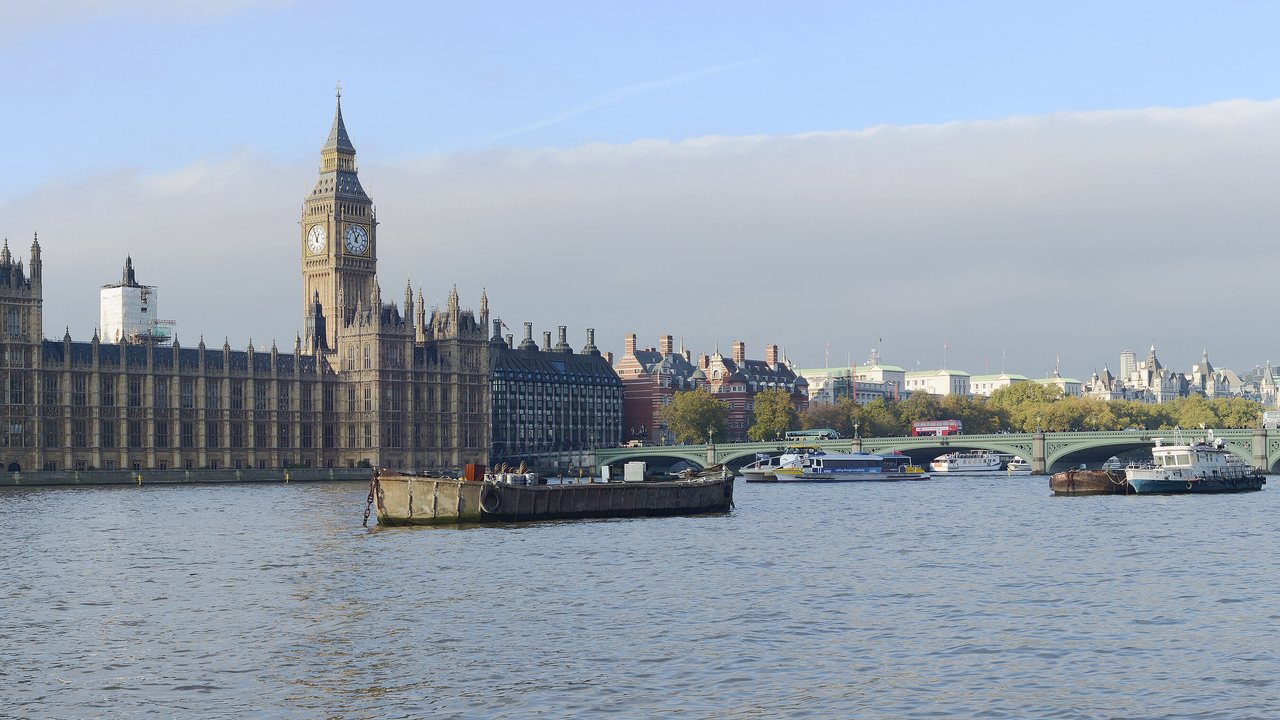
 Visit official site ↗
 Visit official site ↗
 Visit official site ↗
 Visit official site ↗
 Visit official site ↗
 Visit official site ↗
 Visit official site ↗
 Visit official site ↗
 Visit official site ↗
 Visit official site ↗
 Visit official site ↗
 Visit official site ↗
 Visit official site ↗
 Visit official site ↗
 Visit official site ↗
 Visit official site ↗
 Visit official site ↗
 Visit official site ↗
 Visit official site ↗
 Visit official site ↗
 Visit official site ↗
 Visit official site ↗
 Visit official site ↗
 Visit official site ↗
 Visit official site ↗
 Visit official site ↗
 Visit official site ↗
 Visit official site ↗
 Visit official site ↗
 Visit official site ↗
 Visit official site ↗
 Visit official site ↗
 Visit official site ↗
 Visit official site ↗
 Visit official site ↗
 Visit official site ↗
 Visit official site ↗
 Visit official site ↗
 Visit official site ↗
 Visit official site ↗
 Visit official site ↗
 Visit official site ↗
 Visit official site ↗
 Visit official site ↗
 Visit official site ↗
 Visit official site ↗
 Visit official site ↗
 Visit official site ↗
 Visit official site ↗
 Visit official site ↗
 Visit official site ↗
 Visit official site ↗
 Visit official site ↗
 Visit official site ↗
 Visit official site ↗
 Visit official site ↗
 Visit official site ↗
 Visit official site ↗
 Visit official site ↗
 Visit official site ↗
 Visit official site ↗
 Visit official site ↗
 Visit official site ↗
 Visit official site ↗
 Visit official site ↗
 Visit official site ↗
 Visit official site ↗
 Visit official site ↗
 Visit official site ↗
 Visit official site ↗
 Visit official site ↗
 Visit official site ↗
 Visit official site ↗
 Visit official site ↗
 Visit official site ↗
 Visit official site ↗
 Visit official site ↗
 Visit official site ↗
 Visit official site ↗
 Visit official site ↗
 Visit official site ↗
 Visit official site ↗
 Visit official site ↗
 Visit official site ↗
 Visit official site ↗
 Visit Instagram ↗
 Visit official site ↗
 Visit official site ↗
 Visit official site ↗
 Visit official site ↗
 Visit official site ↗
 Visit official site ↗
 Visit official site ↗
 Visit official site ↗
 Visit official site ↗
 Visit official site ↗
 Visit official site ↗
 Visit official site ↗
 Visit official site ↗
 Visit official site ↗
 Visit official site ↗
 Visit official site ↗
 Visit official site ↗
 Visit official site ↗
 Visit official site ↗
 Visit official site ↗
 Visit official site ↗
 Visit official site ↗
 Visit official site ↗
 Visit official site ↗
 Visit official site ↗
 Visit official site ↗
 Visit official site ↗
 Visit official site ↗
 Visit Facebook ↗
 Visit official site ↗
 Visit official site ↗
 Visit official site ↗
 Visit official site ↗
 Visit official site ↗
 Visit official site ↗
 Visit official site ↗
 Visit official site ↗
 Visit official site ↗
 Visit official site ↗
 Visit official site ↗
 Visit official site ↗
 Visit official site ↗
 Visit official site ↗
 Visit official site ↗
 Visit official site ↗
 Visit official site ↗
 Visit official site ↗
 Visit official site ↗
 Visit official site ↗
 Visit official site ↗
 Visit official site ↗
 Visit official site ↗
 Visit official site ↗
 Visit official site ↗