Sixth-generation Florentine bookbindery founded in 1856, on Via dei Velluti next to Piazza Pitti in the Oltrarno district. Hand-decorates marbled papers and binds leather books, journals and photo albums, and has been featured by The Times, House & Garden and Conde Nast Traveller.
Best for Sixth-generation hand-bound books and marbled paper, Florence since 1856
Giulio Giannini e Figlio has occupied the same corner of the Oltrarno, steps from the Pitti Palace on Via dei Velluti, since the workshop was founded in 1856. It is now run by the sixth generation of the Giannini family, who trained in the same hand techniques -- marbling paper by hand and binding leather covers -- that the founder practiced when the neighborhood was still Florence's working artisan quarter.
The bottega produces marbled and hand-decorated papers, leather-bound journals and books, photo albums, greeting cards and personalized stationery, and also runs workshops teaching the traditional bookbinding and marbling techniques the shop still uses in production. The Oltrarno has long been Florence's district of craft workshops -- framers, goldsmiths, restorers -- and Giannini's survival across six generations in the same trade, on the same street, is itself part of what the shop is known for.
The workshop's work has drawn coverage from The Times, House & Garden, AD Magazine, Conde Nast Traveller and Corriere della Sera, press attention that has followed the family's reputation as one of the city's longest-running artisan bookbinders rather than any single product launch.
Family-run since 1919 near Florence's Ponte Vecchio, Madova has produced leather gloves exclusively across three generations, from founder Amedeo Donnini to today's four siblings. Every pair is still made and fitted on site at Via Guicciardini 1R.
Best for Leather gloves in every color, made and fitted on site in Florence
Madova was founded in 1919 by Amedeo Donnini, whose small Florence workshop made leather gloves for the city's prominent families and shops. Production stopped during the economic crisis and the Second World War, and the business did not reopen until 1945, when Amedeo's children — Ennio, Sergio, Rosanna and Maria — revived it and, in 1954, opened the retail shop and registered the Madova trademark that carries the family name to this day.
The shop sits on Via Guicciardini, the street that runs directly to the Ponte Vecchio, and the family describes itself as one of the only glovemakers left in Europe that both sells and produces exclusively leather gloves rather than diversifying into other accessories. That single-material focus has defined the house across its history: cutting, lining and finishing are done in-house, and customers are still fitted by hand at the counter rather than choosing by size chart alone.
Madova is now run by a fourth generation — Mauro, Franco, Andrea and Silvia — who have kept the workshop's original scope: leather gloves in a wide range of colors and linings, exported to the United States, Europe and Japan. Over a century after Amedeo Donnini's founding, the business remains what it started as: a single-family, single-product glove shop a few steps from one of Florence's most photographed bridges.
Florentine stationer since 1774 — Napoleon and Byron ordered here; engraved paper and pens still do the talking. first shop was Piazza della Signoria (1774); left that square in 2011 for Piazza Rucellai, then moved to Lungarno Acciaiuoli in 2022.
Best for Engraved stationery and leather desk goods.
A pharmacy rooted in the Dominican friars’ herb garden of 1221; Caterina de’ Medici’s Acqua della Regina still on the shelf; frescoed sales rooms. Established 1612.
Best for Acqua di Santa Maria Novella, potpourri, rose water
Begin with the date, because almost nothing else in retail can match it: 1221. Dominican friars arrive in Florence, plant a garden, and start preparing balms and waters for their own infirmary. For four centuries this is a monastery's side room — and then, in 1612, it opens formally as an officina, a working pharmacy with the city at its counter. By that point its most famous commission is already historic: Caterina de' Medici, departing to become Queen of France, had her personal fragrance made here — Acqua della Regina, the Queen's Water. It is still on the shelf. You can walk in off the Via della Scala this afternoon and buy the scent a Medici carried to the French court.
That continuity is the whole character of the place. The sales rooms are frescoed — genuinely frescoed, ceilings that would justify an entry ticket — and the transaction happens beneath them at an unhurried pace the building itself seems to enforce. Nobody rushes in a room where the decoration is four hundred years old. The products keep the old taxonomy: waters, essences, potpourri in the famous terracotta urns, soaps aged the slow way. The pharmacy's original trade — remedies, preparations, things a friar would recognize — persists alongside the perfumery like a signature that never left the document.
Eight centuries have reorganized Florence around this address many times over. Republics fell, dynasties rose, the street names changed. The officina kept its garden logic: grow, distill, prepare, sell. The house calls it the oldest pharmacy in the world — not because it survived, plenty of names survive, but because it never stopped doing the actual work. That is the difference between a monument and a shop. This is, gloriously, still a shop.
A woodworking bottega on Via Santo Spirito for four generations since 1895, Castorina turns and gilds frames, mirrors, columns and decorative objects using cabinetry and gilding techniques. Its Santo Spirito shop sells convex mirrors, carved sculptures and wall pieces made and finished by hand.
Florentine apothecary founded in 1561 by Domenico Brunetti, a guild-registered pharmacist, on Via dei Servi in a building owned by the nuns of San Niccolo. Run by the Azzerlini family since 1970; opened a second Florence store on Via Porta Rossa in 2018. Makes fragrances, home scents and skincare.
Best for Historic Florentine skincare.
Farmacia SS. Annunziata's history is dated to 1561, when Domenico Brunetti - registered three years earlier in Florence's Guild of Physicians and Pharmacists - opened an apothecary on Via dei Servi, in a building belonging to the nuns of San Niccolo near the Duomo. The shop originally sold medicinal herbs and prepared remedies. The Azzerlini family has run the business since 1970, and in June 2018 opened a second Florence location on Via Porta Rossa. Today the house makes fragrances, home scents, diffusers and candles, and skincare and body-care lines, some still produced to older galenic formulas associated with its pharmacy origins.
Montblanc began in Hamburg in 1906 as the Simplo Filler Pen Company and introduced its Meisterstück pen in 1924, its nib stamped 4810 for Mont Blanc's height in metres. Since 2006 it has also run a Swiss watchmaking manufacture in Villeret, built on the acquired Minerva atelier.
Best for The Meisterstück fountain pen
Montblanc traces its origin to 1906, when Hamburg banker Alfred Nehemias and Berlin engineer August Eberstein set out to build a more reliable fountain pen and founded the Simplo Filler Pen Company. The Montblanc name followed a year later, reportedly settled on during a card game, and by 1913 the company had trademarked the white star meant to evoke the snow-capped peak of Mont Blanc. By the end of the 1920s the brand's pens were sold in more than sixty countries.
The house's signature model, the Meisterstück, launched in 1924. Its nib carries the engraving 4810, the mountain's height in metres, a detail that has stayed on the pen for a century as a fixed marker of the brand's origin story. The Meisterstück remains Montblanc's flagship line and the reference point against which the rest of its writing-instrument catalog is measured.
Montblanc's ambitions extended beyond pens in the 2000s. In 2006 the Richemont-owned house acquired the manufacture and archives of Minerva, a Villeret, Switzerland watchmaker founded in 1858, along with its historical calibres, tooling and headquarters. The acquired site was renamed the Minerva Institute for High Watchmaking Research in 2007 and became Montblanc's center for in-house movement development, sitting alongside its main watch and leather-goods operations. The result is a company whose Hamburg pen heritage now runs in parallel with a genuine Swiss watchmaking manufacture, rather than a badge-engineered add-on.
Founded by publisher Giangiacomo Feltrinelli, who released Pasternak's Doctor Zhivago in 1957 ahead of any other country; the bookshop chain opened its first store in Pisa that same year.
Best for Italian books and music floors.
The Feltrinelli name traces to Giangiacomo Feltrinelli, who established his publishing house, Giangiacomo Feltrinelli Editore, in Milan at the end of 1954 as an explicitly antifascist imprint. In late 1956, an Italian journalist brought him the manuscript of Boris Pasternak's Doctor Zhivago, smuggled out of the Soviet Union; Feltrinelli published it in 1957, publishing the novel in 1957 ahead of editions in both the United States and France, and the book became an international bestseller. The same year, Feltrinelli opened his first bookshop in Pisa, the beginning of what grew into Italy's largest bookstore chain, still operating under his name today. He also published Giuseppe Tomasi di Lampedusa's The Leopard. Feltrinelli died in 1972 under still-disputed circumstances involving an explosion near a Milan pylon. The bookshop chain that carries his name today spans locations across Italy, including this store, and continues the general-interest bookselling model he founded alongside the original publishing house.
Ferragamo began as Salvatore Ferragamo's Florence footwear company in 1927. Its range expanded into leather goods and ready-to-wear, followed by silk and accessories. Palazzo Spini Feroni houses the company's historic Florence presence, while the museum in its basement is a separate visitor attraction.
Best for Ferragamo footwear and leather goods with Florence design history
Salvatore Ferragamo established his Florence company in 1927, concentrating on women's footwear. The business subsequently expanded into leather goods and ready-to-wear before silk and accessories followed as distinct parts of the range. Shoes remain an entry point into a house whose offer now extends well beyond its original speciality.
Palazzo Spini Feroni connects that history with a specific Florentine building. Ferragamo opened a footwear workshop there in 1938, and the palace became the company's headquarters and the setting of its first Florence store. The museum occupies the medieval basement, providing a separate way to encounter the founder's work and the company's archive.
A shop visit and a museum visit serve different purposes. One is for comparing the current collections; the other depends on the museum's exhibition programme and admission arrangements. The group's timeline dates the museum's inauguration to 1995, long after the workshop arrived in the palace. Planning for both can give more context to a footwear purchase, but a museum ticket should not be confused with access to a working production workshop.
Founded as a Florentine leather house in 1921 — the double-G empire still rooted in Tuscan workshops. Guccio Gucci worked as a porter at London's Savoy hotel (from 1897) before opening the Florence shop in 1921 on Via della Vigna Nuova.
Best for The icons: Horsebit loafers, Jackie bags, and full-look luxury.
Guccio Gucci, who had absorbed luxury's theatre working at the Savoy in London, opened his Florentine leather goods shop in 1921, selling equestrian-inflected luggage and saddlery whose hardware — the horsebit, the green-red-green web stripe — became the house vocabulary. Wartime material shortages produced the bamboo-handled bag of 1947, still in production. The family saga that followed was operatic enough for cinema, but the house's Florentine craft base endured through every act, and its creative directors — Tom Ford's 1990s glamour, Alessandro Michele's maximalist archive-mining — each revived it by returning to the codes. The horsebit loafer, added to MoMA's collection, may be the single most-copied shoe in menswear. Florence is the right city to buy: the house began here, and the loafer, the bamboo bag, and the web stripe all carry the origin visibly.
The Gucci Garden in Piazza della Signoria adds archive rooms and a Bottura restaurant to the Florentine pilgrimage — see it before buying at the flagship.
Florentine fashion house founded in 1947 by aristocrat Emilio Pucci, Marchese di Barsento; opened its first boutique in Capri in 1950 and debuted on the runway in Florence in 1951, built on his bold geometric prints.
Best for Kaleidoscope silk prints and resortwear.
Emilio Pucci, Marchese di Barsento, was a Florentine aristocrat whose fashion career began by accident: in 1947, while on leave from the Italian air force, a Harper's Bazaar photographer noticed the ski outfit he had designed for himself and commissioned him to design women's ski clothes. That commission became the foundation of his label. Pucci opened his first boutique on Capri in 1950, and the house staged its first fashion show in Florence in 1951, anchoring the brand between his native city and the resort towns favored by the postwar jet set. His signature became bold, swirling geometric prints in saturated color, earning him the nickname "The Prince of Prints" in the international press. Through the 1950s and 60s the house dressed a clientele that included Jackie Kennedy, Sophia Loren and Marilyn Monroe, and later Madonna in the 1980s, built on light, easy-fitting silk jersey pieces rather than traditional formal couture. Emilio Pucci died in 1992; his daughter, Laudomia Pucci, continued to guide the house's design direction afterward. In 2000, the LVMH group acquired a 67% stake in the company, bringing the maison under the same umbrella as other major European luxury houses while it continued to operate out of Florence.
A Florentine family business that began in 1894 as grandmother Genni's fabric shop; grandsons Marco and Andrea opened the first Eredi Chiarini clothing store in 1970 and, in 1984, brought the first Polo Ralph Lauren store in Italy to Florence.
Best for Florentine gentleman's wardrobe.
The Eredi Chiarini story starts in 1894, when a woman named Genni opened a fabric shop in Florence, the seed of what became a menswear institution three generations later. Her daughter Norma and son-in-law Otello later ran the business, keeping it a modest fabric and haberdashery trade, including through the 1940s. The shift came with the third generation: grandsons Marco and Andrea Chiarini opened the first Eredi Chiarini menswear boutique in Piazza Beccaria in 1970, a move that proved more successful than expected. In May 1982 the family opened a boutique in Florence's historic center on Via Porta Rossa. Two years later, in 1984, they brought Ralph Lauren to Italy for the first time, opening the country's first Polo Ralph Lauren store on Via Tornabuoni in Florence, a licensing partnership that placed Eredi Chiarini at the center of how American sportswear tailoring first reached the Italian market. A fourth generation, Carlotta Chiarini, joined the business in 2009. The company still trades from Via Porta Rossa 33/R (it returned there in 2015, at the Torre dei Saggi), running as a family-owned menswear and womenswear retailer carrying in-house and licensed collections, more than 130 years after Genni's original fabric counter.
Prato biscuit maker founded in 1858 by Antonio Mattei, credited with developing the original almond biscotti di Prato ('cantucci') recipe, awarded medals in Florence (1861), London (1862) and Paris (1867); still baked in Prato by the Pandolfini family, who took over the recipe in 1908.
Best for The original cantuccini.
Biscottificio Antonio Mattei was founded in 1858 in Prato, Tuscany, by Antonio Mattei, who is credited with developing the recipe for the almond biscuit now known across Italy as biscotti di Prato or cantuccini. The recipe won prizes at international exhibitions in Florence in 1861, London in 1862 and Paris in 1867, establishing the Prato bakery's reputation well beyond Tuscany within its first decade. The business has kept Mattei's name even though his direct family line did not continue it: the Pandolfini family took over the bakery in 1908 and has run it ever since, guarding the original recipe as a family secret while introducing additional Tuscan sweet specialties over the following century. The bakery still operates from the same historic building in central Prato that it has occupied since 1858. In 2018 the company opened a Bottega & Museum in Florence, extending its retail and storytelling presence beyond Prato and offering tastings alongside its traditional almond biscuits, torrone and other confections. In 2019 it trademarked a specific shade of blue — 'Blu Mattei' — as a distinctive packaging color unique to the company, formalizing more than 160 years of visual identity around its signature product.
Florence gelateria founded 1929 (as Latteria Vivoli) by Serafino Vivoli, near Santa Croce; now run by the fourth generation, known for its affogato and additive-free artisanal gelato.
Best for Affogato, crema gelato and Florentine frozen desserts
Vivoli was founded in 1929 as Latteria Vivoli by Serafino, one of three brothers from the Tuscan town of Pelago, at Via dell'Isola delle Stinche 7r, in Florence's historic Santa Croce district, where the original shop still operates. The gelateria makes handmade gelato without additives, preservatives or artificial colorants, and its best-known offering is 'la gran crema al caffe,' an affogato-style combination of espresso and premium ice cream. Now run by the fourth generation of the same family, Vivoli has expanded beyond Florence with branches in New York (opened 2013) and at Disney Springs in Orlando.
Founded by the Swiss Gilli family in 1733, Caffè Gilli is Florence’s historic pasticceria and café on Piazza della Repubblica, where it has occupied its landmark location since the early twentieth century. Pastries and confections are still made on the premises, while its bar, dining rooms and Liberty-style interior preserve the character of one of the city’s longest-running café institutions and a rare surviving example of Florentine Art Nouveau café design.
Best for In-house pasticceria and an aperitivo in Piazza della Repubblica
Rivoire has served chocolate from Florence's Piazza della Signoria since 1872, facing the Palazzo Vecchio. The café is known for its cioccolata calda drinking chocolate and gianduia, made at the same historic address.
Opened in 1846 as Caffè Centrale on Piazza della Repubblica; the Polish Paszkowski family took it over in 1904, turning it into a Viennese-style beer hall and literary meeting point for the La Voce and Lacerba magazine circles.
Best for Historic café pastries.
Paszkowski opened in 1846 on what is now Piazza della Repubblica in central Florence, originally under the name Caffè Centrale. In 1904 the cafe passed to the Paszkowski family, Polish immigrants, who reworked it as a Viennese-style beer hall and concert cafe. In the early decades of the 20th century it became a gathering point for the writers and artists associated with the literary magazines La Voce, Lacerba, and Il Selvaggio, part of the wave of cafe culture that made Florence's Piazza della Repubblica cafes a fixture of Italian intellectual life. The cafe also built a musical tradition around live orchestral performance, including, unusually for the period, a women's orchestra performing there in the early 1900s. Its Art Deco interior, with wood-paneled rooms, was formally recognized in 1991, when the venue was declared an Italian national monument. It continues to operate as a cafe and host live music and events on the piazza today.
Italian hosiery-and-swimwear chain founded 1986 near Verona by Sandro Veronesi. Part of the Oniverse group alongside Intimissimi and Falconeri, it now operates thousands of stores worldwide, including one on Via dei Calzaiuoli, steps from Florence's Piazza della Signoria.
Best for Tights, swim, and beach basics.
Calzedonia was founded in 1986 by Sandro Veronesi and launched commercially in 1987, built around affordable hosiery and swimwear. The company's operational base has always been the Verona area, specifically Dossobuono di Villafranca near Verona, not Florence; it has since grown into the Oniverse group (formerly the Calzedonia Group), which also owns Intimissimi, Tezenis and Falconeri, and today runs several thousand stores globally. In Florence itself, Calzedonia's main store sits at Via dei Calzaiuoli 68R, the pedestrian street connecting Piazza della Signoria to the Duomo - close to, but not on, that square - with a second branch at Piazza Dalmazia. The brand runs a 'Calzedonia Lover' loyalty programme and a sustainability initiative called Calzedonia4Tomorrow, and has run celebrity collaborations including with Hailey Bieber.
Mokaflor was founded in 1950 by Vasco Bernini, a former accountant who moved into roasting and built a company now in its third generation of family ownership.
Best for Slow 15-20 minute discontinuous-drum roasts tuned per coffee variety
Mokaflor was founded in 1950 by Vasco Bernini, a former accountant who moved into roasting and built a company now in its third generation of family ownership. Bernini's founding choice ran against the postwar Italian trend toward thick crema and heavy Robusta content, roasting styles built for volume and a particular textural signature rather than for variety-specific flavor.
Mokaflor's alternative was a slow discontinuous-drum roast, taking 15 to 20 minutes per batch and tuned separately for each variety rather than applying one profile across the board — a far longer and more deliberate process than the fast, high-volume roasting the market was moving toward at the time. That founding decision has carried through three generations of the same family running the company, meaning the current roasting approach is a continuation of Bernini's original break from convention rather than a later rebrand.
In a city and country where dark, fast-roasted, Robusta-heavy espresso became the default, Mokaflor's 15-to-20-minute discontinuous-drum process is a seven-decade-old counter-argument still being roasted out today.
Florentine dive-watch legend born supplying the Italian Navy — Luminor crowns and Radiomir heritage. First civilian collection only in 1993 (three limited editions: Luminor, Luminor Marina, Mare Nostrum); earlier watches were military/Navy instruments.
Best for Luminor dive watches and Italian watch design.
Giovanni Panerai opened Florence's first watch shop in 1860 on the Ponte alle Grazie, part boutique, part school, part workshop — and the house's destiny arrived by government contract. The Royal Italian Navy needed instruments its frogmen could read in black water; Panerai answered with Radiomir, the radium-based luminous compound patented in 1916, and then the watch that carried its name: cushion-cased, wire-lugged, built with Rolex movements, issued to commando divers of the Decima MAS in the late 1930s.
The Luminor followed — safer tritium lume and the crown-protecting bridge device that remains the most recognizable silhouette in dive watching. For decades the watches were military secrets; civilians got them only from 1993, and Sylvester Stallone's on-screen adoption lit the fuse.
Richemont acquired the house in 1997 and built it into a manufacture in Neuchâtel, but the identity never left Florence — the Piazza San Giovanni boutique stands minutes from the original shop. Italian design, Swiss engineering, and history you can read in the dark.
Florence bespoke shoemaking atelier of Japanese master Hidetaka Fukaya, combining hand-made Italian construction with precise last-making and custom fitting.
Best for Hidetaka Fukaya's bespoke Florence shoemaking
Florence leather school and workshop inside the Franciscan monastery of Santa Croce, founded in 1950 by the Gori and Casini families with the friars to teach leatherworking to war orphans; still family-run, with visitors able to watch artisans work and buy directly from the workshop.
Best for Monastery-made leather goods and bespoke pieces.
Scuola del Cuoio was established after the Second World War through a partnership between the Franciscan friars of the Monastery of Santa Croce and the Gori and Casini families, Florentine leather artisans active since the 1930s. Marcello Gori and his brother-in-law Silvano Casini moved their workshop into the monastery's dormitory space, with the explicit mission of teaching leatherworking to war orphans as a practical trade. The school opened its doors to retail customers in May 1950. Following Gori's and Casini's deaths in 2003, the business passed to Gori's daughters - Laura, Francesca, and Barbara - who still run the school and workshop.
Florence jewelry atelier founded in 1993 by Ornella Aprosio, a former antique-costume restorer, who designs necklaces and earrings from Murano glass micro-beads and Bohemian crystal, made with about thirty artisans at her Via del Moro workshop.
Best for Glass-bead marvels.
Aprosio & Co. was founded in Florence in 1993 by Ornella Aprosio, who was born in Rome and began her career as an assistant editor at Vogue before working as a restorer of antique clothing, including 1920s evening gowns — work that gave her hands-on expertise in fine, complex beadwork. That restoration background shaped the atelier she later opened: jewelry built from Murano glass micro-beads, known in Italian as conteria, sourced from Venice, combined with Bohemian crystal beads from the Czech Republic. Aprosio designs necklaces, bracelets, earrings, brooches and handbags worked into floral and figurative motifs, produced with a workshop of around thirty artisans rather than mass manufacture. The atelier operates from Florence, with new collections previewed each year in Paris alongside the ready-to-wear calendar, positioning the jewelry within a fashion context rather than as purely decorative craft. The beadwork technique — building dimensional, sculptural jewelry entirely from small glass and crystal spheres rather than metal settings — remains the atelier's defining signature and the basis for its inclusion among Florence's recognized artisan workshops.
The Florence house treats room fragrance as a system of vessel size, diffuser sticks and refillable scent. Its catalogue includes sprays, candles, car diffusers and scented accessories alongside the familiar glass bottles.
Best for Rosso Nobile diffusers and home fragrance.
Florentine leather workshop founded in 1956 by brothers Piero and Roberto Peroni, known for hand-decorated 'cuoietto artistico fiorentino' leather made without stitching; now run by the third generation.
Best for Hand-finished belts and bags.
Pelletteria Peroni is a Florence leather workshop founded in 1956 by brothers Piero and Roberto Peroni. It is known for a hand technique called 'cuoietto artistico fiorentino,' an approach with roots in Renaissance-era Florence that decorates and assembles leather goods - often with gold-leaf detailing - without stitching. Pieces are cut, decorated and assembled by hand rather than by machine. The business has since passed to a third generation, brothers Maurizio and Marco Peroni, who continue the same hand techniques while adding their own design work. Over more than 65 years of operation it has received craft recognition, including honors from Eurispes in 2007 and from OmA in 2015.
Florence leather-goods house founded in the 1990s by Gianni Chiarini, whose father supplied leather in the city's tanning district; Chiarini launched his first self-designed, signed bag line in 2000 and brands the house 'Made in Florence' before 'Made in Italy.'
Best for Florentine leather bags and the Marcella tote
Gianni Chiarini grew up around Florence's leather trade — his father worked as a leather supplier in the city's tanning district, a traditional reference point for Tuscany's hide and tanning industry. Chiarini started his own workshop in Florence in the 1990s, initially producing bags for other labels, before deciding in 2000 to design and sign his first collection under his own name. That decision marked the shift from contract manufacturer to branded house, and the label built its identity around structured, mid-priced leather bags — including the Marcella model — made in and around Florence rather than outsourced production. The company describes itself as 'Made in Florence' before 'Made in Italy,' emphasizing its roots in the specific Tuscan tanning district over the broader national label. In 2017 Chiarini sold a 70% stake in the business to the investment fund 21 Invest, controlled by Alessandro Benetton, while remaining involved with the brand. The company marked its 25th anniversary in 2025, reporting revenue above 34 million euros for 2024 and marking the milestone with a limited-edition capsule bag collection. The house remains positioned as an accessible entry point into Florentine leather craftsmanship, sold through department stores and multibrand boutiques rather than its own flagship network.
The local's market — fresh produce, Tuscan specialties, the daily market where Florentines shop, and the lunch counter serving tripe sandwich in the city.
Best for Fresh produce, tripe sandwich, and the market where Florentines actually shop.
Textile studio in Florence's Oltrarno district, founded 2009 by Margherita Pandolfini and Karl Jorns as La Serra MK; hand silk-screens and paints one-of-a-kind home textiles inside a converted 15th-century greenhouse.
Best for Hand-loomed textiles from the Oltrarno.
La Serra MK Textile Atelier is a textile studio in Florence's Oltrarno district, founded in 2009 by Margherita Pandolfini, who studied fine art and sculpture at Camberwell College of Arts in London, and Karl Jorns, an architecture- and design-trained partner who had previously lived and worked in Brazil. The studio rebranded as La Serra MK in 2013. It operates out of a converted greenhouse attached to a 15th-century palace, working with silk-screen printing, hand painting and digital design to produce one-of-a-kind textile pieces for the home, made using Italian fabric and produced entirely in Florence.
Florence-based restorer and woodworker — antique frames and hand-finished objects from the Oltrarno tradition.
Best for Restored and hand-made wooden objects.
Jane Harman studied drawing and painting at Glasgow School of Art and came to Florence on study grants. In an interview with Progetto Oltrarno she describes starting in this San Frediano workshop as an apprentice to Enrico Sarti and later taking it over. Alongside furniture restoration she makes smaller wooden pieces of her own, among them puzzles and candleholders. The same interview places the workshop on Via Lorenzo Bartolini, a short walk from the church of Cestello.
Florence jewelry shop on Via Lambertesca, between the Ponte Vecchio and the Uffizi, operating since 1979; hand-crafts two lines - sea-themed 'Storie di Mare' pieces and Murano-glass 'Disegni di Luce.'
Best for Storie di Mare jewelry and Murano-glass Disegni di Luce in Florence
Cameo Italiano's Florence boutique — at Piazza de' Rucellai 11R, opening onto Via della Vigna Nuova — sells shell cameos hand-carved by artisans in Torre del Greco, near Naples, the town that has carved Mediterranean shell and coral cameos for over two centuries.
Best for Hand-carved cameos.
Shell-cameo carving in Italy centers overwhelmingly on Torre del Greco, a town on the Bay of Naples that built its reputation on coral and shell craftsmanship through trade routes bringing raw material from Africa and Central America. The technique, largely dormant during the Middle Ages, was revived in the area around 1800, and Torre del Greco's standing grew enough that in 1876 the town founded a dedicated School of Engraving on Coral and Artistic Industrial Design, formalizing training in a craft that had previously passed informally from master to apprentice. Torre del Greco is still described as the only place where shell cameos have been carved continuously for more than two centuries, and its workshops remain the source for most cameo jewelry sold as genuinely Italian-made. Cameo Italiano's pieces are carved by artisans working within this Torre del Greco tradition — using layered shell, commonly sardonyx or helmet shell, prized for the color contrast between an outer and inner layer, cut and engraved by hand to raise the portrait or scene typical of a cameo. The company sells through a small network of boutiques rather than department-store counters: two locations in Rome (Via del Babuino and Via Francesco Crispi) and one in Florence, at Piazza de' Rucellai, a small square that opens directly onto Via della Vigna Nuova in the city's historic center.
Officine Nora is a shared jewellery studio and shop on Via dei Preti in Florence, established in 2014. Independent makers use its equipped benches and sell their jewellery, with the shop describing its pieces as handmade in Italy. Workshops and private lessons provide another way to engage with the studio, separate from buying a finished piece.
Best for Independent jewellery makers and goldsmith workshops in Florence
Officine Nora is a jewellery coworking studio and shop in Florence, bringing several independent makers into one working space. Margherita de Martino Norante developed the project after jewellery school and established its shared environment in 2014. The studio occupies a former precision-mechanics workshop, connecting its present work with the building's earlier practical use.
Makers can rent equipped benches, while shoppers can choose jewellery from the independent artists working within the project. The shop describes its pieces as handmade in Italy, rather than presenting a single designer's uniform collection. Different makers bring their own approaches, so the material and construction should be considered for the particular piece being bought.
Workshops and private lessons offer a separate reason to visit from buying a finished object. Identify the kind of experience you want before making an enquiry, since learning at a bench differs from browsing the shop. The published address is Via dei Preti in Florence, not a shopfront on Ponte Vecchio simply because jewellery is the subject.
German perfumery and cosmetics chain founded in Hamburg in 1910, headquartered in Dusseldorf under Douglas Group; operates roughly 1,850+ stores across Europe, including several branches in Florence.
Best for Mainstream fragrance counters.
Parfumerie Douglas traces to a perfumery that opened on Hamburg's Neuer Wall in 1910. It became part of what is now Dusseldorf-headquartered Douglas Group after predecessor company Hussel Susswarenfilialbetrieb GmbH acquired Parfumerie Douglas in 1969. Today Douglas operates as a beauty and fragrance retail chain across roughly 19-20 European countries with close to 1,850-1,900 stores, selling third-party perfume, cosmetics and skincare brands. It maintains multiple branches in Florence, including locations on Via dei Mille and Via Panzani.
Florence pen maker founded in 1988 by Luigi Poli and Dante Del Vecchio. Its Homo Sapiens Lava line, launched in 2010, uses a patented resin-bound basaltic lava composite from Mount Etna, hand-finished by artisans in Florence.
Best for Lava-barrel pens.
Visconti is a pen manufacturer founded in Florence in 1988 by Luigi Poli and Dante Del Vecchio; its first line, Classic, was made from celluloid. In 2010 the company introduced Homo Sapiens, distinguished by a proprietary material combining more than 50 percent basaltic lava powder sourced from Mount Etna, reinforced with resin. Most Homo Sapiens pens use Visconti's own vacuum-based Power Filler filling system. Each pen is handcrafted by artisans at the company's Florence workshop.
Florence decorative-paper printer since 1931 — Florentine-style papers handmade in Tuscany for luxury crafts.
Best for Gift wrap worth framing.
Rossi 1931 produces fine Italian decorative paper from Florence, exceptional quality papers perfect for luxury gift wrapping, bookbinding endpapers, box-making, and prestige paper crafts. Founded by Antonio Rossi, who began as a typographer and established shop in Borgo San Lorenzo in 1931, the business expanded to fine stationery with subsequent generations of Rossi family members. The range features classic Florentine designs inspired by the Renaissance—traditional floral patterns, contemporary subjects including birds and butterflies—superbly printed on 85 gsm first-quality sheets (20 by 28 inches / 50 by 70 cm). The papers blend traditional Florentine aesthetic with modern innovations and are handmade using special techniques.
Founded in 2000 by entrepreneur Toni Scervino and self-taught designer Ermanno Daelli, the Florence house builds evening and ready-to-wear collections around lace — a craft local to the region since the 1500s — paired with leather. Headquarters sit in Bagno a Ripoli's Chianti hills.
Best for Embroidered Florentine luxury.
Ermanno Scervino was founded in 2000 as a partnership between businessman Toni Scervino and designer Ermanno Daelli, who works under the label using only his own first and family name combined into 'Ermanno Scervino.' Daelli was born in Milan but raised in Florence; rather than training at a fashion school, he studied architecture and then learned garment-making by working directly under established Italian ateliers. The choice to headquarter the house in Florence was deliberate, built around the idea of 'Made in Florence' — pairing the city's tradition of hand embroidery and lace-making, documented in the region since the 1500s, with modern ready-to-wear and evening design. In 2007 the company moved into new, larger headquarters in Bagno a Ripoli, a town in the Chianti hills just outside central Florence historically associated with lace and trousseau production for European aristocratic households. The house's signature look pairs romantic lace inserts on dresses and gowns with structured leather outerwear and footwear, a juxtaposition of softness and severity that recurs across collections. The Florence flagship boutique sits on Via de' Tornabuoni, the city's principal luxury shopping street, separate from the production ateliers in Bagno a Ripoli/Grassina.
Florentine animal-print maximalism — printed silks, gilded glamour and the house of wild things, under Fausto Puglisi. The house's past-season prints hang at The Mall outlet in Leccio Reggello, outside Florence.
Best for Unapologetic Italian glamour and printed silk.
Roberto Cavalli learned printing from his Florentine painter grandfather — a Macchiaioli artist hanging in the Uffizi — and turned the inheritance industrial: in the early 1970s he patented a method for printing on leather, sold it to Hermès and Pierre Cardin, then kept the best ideas for his own label. Sand-blasted jeans, patchwork denim, and above all the animal prints — leopard, zebra, snake — worn not as trim but as total conviction.
The 2000s were his empire years: Cavalli dressed the era's maximum women — Beyoncé, Jennifer Lopez, the Spice Girls' reunion wardrobe — and the aesthetic became shorthand for Italian excess in its most cheerful form. The founder sold in 2015 and died in 2024; Dubai's Hussain Sajwani now owns the house.
Fausto Puglisi, the Sicilian who once dressed Madonna's Super Bowl stage, has directed the studio since 2020 with a fan's fluency — gold-drenched collections, butterfly and serpent motifs, the archive's freedom re-argued for a generation that discovered it on resale apps. Florence's wildest export, still roaring.
Florentine super-luxury menswear — hand-made silk ties and regal tailoring from its Antico Setificio Fiorentino silk mill.
Best for Imperial silk ties and no-compromise menswear.
Stefano Ricci founded his Florentine house in 1972 on the strength of hand-made silk ties, and built upward from that square of fabric into the most unapologetic super-luxury menswear in Italy — regal tailoring, crocodile and ostrich leathers, gold-plated hardware, eagles everywhere. No diffusion lines, no discounts, no irony.
The house's masterstroke was buying its own history: in 2010 Ricci acquired the Antico Setificio Fiorentino, Florence's ancient silk mill, where looms — some designed from Leonardo's drawings — still weave by hand for the house and for palaces. Production stays entirely in Florence; sons Niccolò and Filippo run the company with their father's absolutism intact.
The clientele is heads of state, dynasts and men for whom the price is the point discreetly made — flagships stand from Palazzo Tornabuoni's neighborhood to Beijing. Stefano Ricci is Florence's maximal answer to quiet luxury: loud craftsmanship, spoken softly, in silk the Renaissance would recognize.
Florence-based designer who opened his marble-lined shop in 2020. Bold '70s-style colourways and playful fabric combinations. Custom creations with one-piece collar on request.
Florence bespoke shoemaker founded in late 2013 by Mario Bemer, brother and longtime right-hand man of the late Stefano Bemer, after Mario left the reconstituted Stefano Bemer company following Stefano's 2012 death.
Best for Bespoke shoes, Florentine
Mario Bemer is the younger brother of Stefano Bemer, who began the family's shoemaking work in 1983 in Greve in Chianti, starting from shoe repair before building a reputation as one of his generation's most respected bespoke makers. Mario worked at his brother's side for years, including on the brand's ready-to-wear division, effectively serving as Stefano's right-hand man. Stefano Bemer died on July 27, 2012, at age 48. Several months later, the Stefano Bemer company was bought by the Florentine family behind the leather goods house Scuola del Cuoio, and Mario initially stayed on with the reorganized business. By late 2013, however, he had left to start his own company under his own name, setting up a traditional bespoke workshop in central Florence. There he works alongside bootmaker Seiji Miyagawa, a craftsman with his own long-standing connection to Stefano's circle. Mario has described his work as an attempt to honor his brother's exacting standards for quality and creativity rather than simply continuing the earlier brand under a new name.
Roberto Ugolini opened his bespoke shoemaking workshop on Via dei Michelozzi in Florence's Oltrarno district, opposite the Basilica di Santo Spirito, in 1995 at age 28, continuing a family shoemaking tradition spanning four generations.
Best for Bespoke patina, Florentine
Roberto Ugolini is a bespoke shoemaker whose ground-level workshop sits on Via dei Michelozzi in Florence's Oltrarno district, directly facing the Basilica di Santo Spirito. He opened the business in 1995 at age 28, but the craft runs deeper in his family: his great-grandfather, grandfather and father were all shoemakers before him, and he learned the trade within that Florentine artisan lineage rather than through a formal design school. Each pair is entirely handmade, with roughly thirty hours of work going into construction once a bespoke last has been developed for a client — a process that, including the customer's first pair, takes around half a year, with a documented discount on subsequent pairs made from the same last. The workshop has built an international clientele over three decades, with press coverage specifically noting a strong following among Japanese customers, alongside general recognition as one of Florence's most established bespoke shoemakers. Ugolini's business is representative of the broader Oltrarno artisan quarter, a concentration of small ateliers south of the Arno historically associated with leatherwork, shoemaking and other hand crafts, distinct from Florence's larger fashion-house retail presence on the north bank.
Florentine leather goods house founded 1970 near Palazzo Corsini by Wanny Di Filippo and his wife Nadia; bags and accessories are still made within about 30km of the Florence workshop. Sold to Japan's Look Holdings in 2019.
Best for Natural vachetta totes that age beautifully.
Il Bisonte was founded in 1970 by Wanny Di Filippo and his wife Nadia, starting as a small artisan leather workshop near Palazzo Corsini in Florence, where the brand's headquarters, showroom, and flagship store remain today. Di Filippo, who had worked as an auto-parts sales rep and taught himself leatherworking, founded the business after a company rejected his designs as too unconventional. He named the brand after the bison, his favorite animal. All Il Bisonte leather goods are still produced in workshops within roughly 30 kilometers of the Florence headquarters. Di Filippo retired in 2019 and sold the brand to Look Holdings, its longtime Japan-based distributor.
Founded in 1969 near Florence as Il Ponte Pelletteria by five Florentine leatherworkers, renamed The Bridge in 1975, with production based in Scandicci since 1987; part of the Piquadro group since 2016.
Best for Patina-rich briefcases.
The Bridge began in 1969 as Il Ponte Pelletteria, founded in the Florence area by five Florentine leatherworkers: Fiorenza Benvenuti, Fernando Biagioni, Roberto Boncinelli, Andrea Ferri and Arturo Senserini. The company took the English name The Bridge in 1975, a direct translation of 'il ponte,' and in 1987 moved its production headquarters to Scandicci, the leather-district town outside Florence long associated with Tuscan tanning and leatherworking. Since 2016, The Bridge has been part of the Piquadro group, though it continues to operate as its own brand. The house's identifying material is vegetable-tanned Tuscan leather, hand-polished rather than machine-finished, which ages by darkening and developing a patina with wear and light exposure over years of use, as opposed to chrome-tanned leather, which does not develop the same effect. That five-founder, cooperative origin, a group of leatherworkers rather than a single designer-founder, combined with continuous production in the Florence/Scandicci district since 1969, is what distinguishes The Bridge's account of itself within Tuscany's leather-goods trade.
D’Avenza is a tailoring house founded in 1957 in the Tuscan town of Carrara. It keeps its Italian showroom in the same town, at Viale XX Settembre 177b.
Zecchi trades from Via dello Studio, a street that takes its name from the building it occupies: a fragment of the old "Studio Fiorentino," Florence's first university, founded in 1348.
Best for Historic Florentine pigments and painting materials researched against Cennini's medieval treatise
Zecchi trades from Via dello Studio, a street that takes its name from the building it occupies: a fragment of the old "Studio Fiorentino," Florence's first university, founded in 1348. A colour shop is documented on the same street from at least the second half of the 19th century under the name Colorificio Toscano, before moving to the present premises in 1974. Around 1920, Ugo Ercoli took the business over as an outlet for the paints made at his own factory in Calenzano; during the Second World War he hired Adolfo Zecchi, who earned enough trust to buy the business within a few years, with the Zecchi family taking full ownership in the early 1950s.
The shop's present character was set in the late 1960s, when Sandro and Massimo Zecchi pushed the business toward specialization — not just selling colour but researching and recovering historic Florentine painting and craft techniques, guided by Cennino Cennini's 14th-century treatise "Il Libro d'Arte." That research orientation made Zecchi a reference point for restorers as well as painters: the shop's materials have gone into the restoration of Florentine artworks and international masterpieces, and it counts working artists and students from Florence's Academy of Fine Arts among its regular clientele.
Zecchi still sells the full range of a working colour shop — paints, brushes, papers, canvases and pigments — from its address a few steps from the Duomo, though the shop currently states it cannot currently manage national or international shipments and serves customers in person.
Italian department-store chain founded in 1916 near Venice by Vittorio Coin, who began as a licensed street vendor of fabrics; its Florence store, after closing on Via dei Calzaiuoli in 2021, reopened near Piazza della Signoria in December 2022.
Best for Italian mid-market one-stop.
Coin was founded in 1916 by Vittorio Coin, who obtained a license to sell fabrics and haberdashery as a street vendor in Pianiga, in the province of Venice. He opened a proper shop selling fabric, yarn and linen in nearby Mirano in 1926, followed two years later by a wholesale warehouse in Dolo — the beginnings of what grew into one of Italy's best-known mid-range department store chains. Coin's Florence branch has had a more recent, turbulent history. It operated for decades on Via dei Calzaiuoli, at number 56, on the site of the historic Duilio 48 department store, which it had taken over in 1990. That location closed for good in 2021 after the store's operators failed to negotiate a rent reduction during the pandemic. Coin returned to Florence in December 2022 with a newly built store near Piazza della Signoria, between Palazzo Vecchio and the Uffizi in the Loggia del Grano, following a five-month renovation reported to have cost around six million euros.
Mango's Via Cerretani store in Florence is listed as a womenswear location. The shop is at numbers 60–62, making it a specific address for browsing the brand's women's collection. Visitors should use that branch's listing when planning a visit, since other Mango stores may carry different ranges.
Best for Mango womenswear at the Via Cerretani branch in Florence
Mango operates several clearly identified stores in central Florence. These are city branches of the Barcelona-based fashion company rather than an independent Florentine label. The official Italian locator lists a women's store at Via Cerretani 60-62 and another at Santa Maria Novella in Piazza della Stazione. A third location at Piazza del Grano 5-6 carries women's and men's lines, with a children's department also listed. The department mix therefore differs by address and should not be treated as uniform across the city. At company level, Mango says its clothing is designed in its Barcelona atelier. Its current catalogue separates women's and men's collections. Teenagers and children have their own ranges, while homeware forms another category. The company's responsibility report adds production context: more than 60 people oversee quality, and Mango conducts nearly 20,000 supplier-factory inspections each year. The report states that 72 percent of fibres come from preferred sources, with recycled fibres accounting for 25 percent. Those figures describe the wider group, yet they provide a more specific account of the brand behind the Florence branches than a generic trend-fashion label.
Massimo Dutti sells polished smart-casual clothing, tailoring, leather goods and accessories within the Inditex group. Neutral palettes and coordinated collections make it practical for building an understated city wardrobe.
Luxury-sneaker label launched by the Della Valle family's Marche footwear business in the 1980s, part of what became Tod's Group; its early-1990s 'Interactive' sneaker, combining dress-shoe detailing with a sport-shoe sole, remains its signature design.
Best for Interactive luxury sneakers.
Hogan grew out of the Della Valle family's shoemaking business in Italy's Marche region, whose founder Filippo Della Valle started making shoes from a basement workshop in the 1920s. Hogan was launched in the 1980s alongside the Fay outerwear brand as the family diversified beyond its original footwear operation, and both later became part of Tod's Group, now also home to the Tod's and Roger Vivier labels. Hogan's defining product is the 'Interactive' sneaker, introduced in the early 1990s, which combined sport-shoe construction — a flexible rubber sole and sneaker silhouette — with the detailing and materials of dress footwear, including its raised 'H' side logo. That hybrid approach to what the group calls the 'luxury sneaker' became one of the more imitated design templates in upmarket casual footwear through the 1990s and 2000s.
Historic Florence gelateria since 1939 offering seasonal gelato flavors, housed between Piazza della Signoria and Piazza della Repubblica.
Best for Florentine gelato, seasonal sorbet and old-school semifreddo
Perché No! ("Why Not?") opened its doors in 1939 in Florence and has operated for over eighty-five years as a landmark gelateria. Located between Piazza della Signoria and Piazza della Repubblica in central Florence, the shop is run by the Cammilli family, maintaining traditional recipes and high production standards. During World War II, when ingredient and refrigeration shortages threatened the business, the gelateria innovated by creating the patented "semifreddi"—mousse-like confections that became so popular they have since been replicated across Italy and internationally. Today, Perché No! continues making everything by traditional methods using high-quality ingredients: fresh milk, cream, eggs, and seasonal fruit. The shop's playful name and commitment to artisanal gelato-making have earned it a devoted following among locals and visitors seeking authentic Florentine desserts.
Edgardo Osorio’s Aquazzura makes glamorous shoes in Florence with wearability built into the construction. Palazzo Corsini, the pineapple emblem and celebration-ready heels give the house its identity, while production remains associated with Italy.
Best for Celebration heels.
<p>Edgardo Osorio founded Aquazzura in Florence in 2011, at twenty-five, with a footwear education already behind him — the Colombian-born designer had passed through Salvatore Ferragamo and Sigerson Morrison before deciding the market was missing an obvious thing: a shoe as glamorous as a red-carpet sandal that a woman could actually walk in. The pineapple stamped on the sole became the emblem of that promise.</p><p>The house headquarters occupy Palazzo Corsini on the Arno — a sixteenth-century address for a twenty-first-century atelier — and production stays in Italian workshops. The signatures are now canon: the Wild Thing's fringed ankle, the Sexy Thing's sculpted cage, strappy silhouettes engineered so the arch is supported where it photographs bare. Royals and red carpets adopted them at speed.</p><p>Aquazzura's real achievement is positional: it broke into footwear's most crowded tier — the Florentine-made luxury sandal — against houses with a century's head start, on comfort engineering alone. The lesson is very Florentine: seduction is a construction problem, and construction is solvable.</p>
Florence-based ready-to-wear label headquartered in the San Frediano/Oltrarno district; sells clothing and accessories through themed seasonal collections online and in store.
Best for Effortlessly feminine linen blend summer sets and flowy dresses and skirts
Bastah is a Florence fashion label operating as Bastah Firenze, with its collection archive and identity tied to San Frediano in the Oltrarno district. Its online collections bring a nature-referencing, design-led sensibility to clothing and accessories.
American fashion house founded in New York in 1968 by Calvin Klein and Barry Schwartz, known for minimalist sportswear, the 1978 launch of Calvin Klein Jeans and 1980s designer underwear; sold in Florence through Italian retail partners and its own boutiques.
Best for Logo basics and denim.
Calvin Klein was founded in 1968 in New York by designer Calvin Klein and his childhood friend Barry Schwartz, who started the label as a coat business, Calvin Klein Ltd., operating out of a rented room in the York Hotel with an initial $10,000 in capital. Klein's early womenswear built a reputation for minimalist tailoring and clean lines, appearing on the cover of American Vogue within a year of the company's founding and winning the Coty Award for the full women's sportswear line by 1973. The brand became a mass-market phenomenon with the 1978 launch of Calvin Klein Jeans, which reportedly sold 200,000 pairs in its first week, and again in the 1980s when Calvin Klein turned men's underwear -- including the boxer brief -- into a visible, branded fashion category rather than a purely functional garment. Today Calvin Klein operates globally as a multi-category fashion house spanning ready-to-wear, denim, underwear, fragrance and accessories, sold through its own flagship boutiques, department-store concessions and e-commerce. In Florence, Calvin Klein products are available through outlets including a Calvin Klein store on Via Calimala and via multi-brand retailers such as La Rinascente; no independently verifiable source confirms a Calvin Klein boutique specifically on Piazza della Signoria.
Founded in 2012, Campucc10 is a Florence cultural association and gallery bringing sculpture, ceramics, graphics, illustration, goldsmithing and design together in the Oltrarno.
Best for Sculpture, ceramics, illustration and goldsmithing by working artists
A working estate on the hill of Verrazzano between Florence and Siena, birthplace of the navigator Giovanni da Verrazzano, farming organic vineyards for Chianti Classico. Guided cellar tours run daily, and wines ship through the estate's regional online stores.
Cisalfa is an Italian multi-brand sporting-goods chain for athletic footwear, clothing and equipment from running to skiing.
Best for Sports gear runs.
Cisalfa Sport is an Italian multi-brand retailer covering footwear and clothing, plus equipment for sport and leisure. Its live catalogue divides the offer by activity rather than treating sportswear as one fashion category. Running includes dedicated shoes and technical clothing, while football adds boots and official team kits. Trekking and outdoor equipment form another path. Fitness and tennis are presented beside padel. Cycling, basketball and yoga extend the activity range. The brand roster includes Nike, adidas, The North Face, Asics, Birkenstock and Garmin, showing that Cisalfa combines apparel with footwear and equipment makers. Urban clothing and sneakers also appear, but they do not replace the specialist categories. Cisalfa serves shoppers comparing gear across several sports in one retailer, not buyers seeking a single house's design language. Cisalfa's breadth comes from named sporting activities within a multi-brand retail model; it does not imply that the retailer manufactures the products it sells.
Florence sneaker label founded in 2005 by four friends - Damiano Innocenti, Alessandro Zanobini, Tommaso Santoni and Emiliano Paci - whose initials form the name; shoes are handmade in Italy, with monobrand stores in Florence, Rome and Milan.
Best for Italian sneakers
D.A.T.E. was founded in Florence in 2005 by four friends - Damiano Innocenti, Alessandro Zanobini, Tommaso Santoni and Emiliano Paci - whose first initials spell out the brand's name. The group met in London while dissatisfied with their existing careers and decided to design their own sneaker line, drawing on early-1970s British style for their debut collection. That first season sold fewer than 700 pairs, which pushed the founders to take manufacturing in-house rather than abandon the project, using leather and fabric from established Italian tanneries and weavers. Every pair is handmade in Italy, and the brand has since introduced recurring models such as the Hill Low, Fuga, Court and Sonica lines. D.A.T.E. now operates monobrand stores in Florence, Rome and Milan and is distributed through more than 900 points of sale worldwide, with a particularly strong presence in Japan.
Florence leather-goods atelier founded by Maria Clara Soto, whose maternal family were Italian leatherworkers; handmade vegetable-tanned bags are sold from a boutique on Via del Moro in the Santa Maria Novella quarter and online at digerolamo.it.
Best for Neapolitan leather craft.
Digerolamo is a Florence-based leather goods house founded by Maria Clara Soto, who trained at a leatherworking school after moving to the city and named the workshop after her great-grandfather's surname, honouring three generations of family leathercraft on her maternal side. The brand makes handbags in vegetable-tanned Italian leather, designed to be worn in multiple ways and positioned as sustainable, artisan-made pieces rather than mass production. Its physical boutique is located at Via del Moro 58/R, in the Santa Maria Novella quarter of central Florence - near the train station district, not the Ponte Vecchio area. The brand's current, functioning web presence is digerolamo.it.
Ditta Artigianale was founded in 2013 by Francesco Sanapo, a three-time Italian barista champion, and Patrick Hoffer, positioned from the start against the dark-roast tradition that has defined Italian espresso for generations.
Best for Micro-lot espresso from direct producer relationships
Ditta Artigianale was founded in 2013 by Francesco Sanapo, a three-time Italian barista champion, and Patrick Hoffer, positioned from the start against the dark-roast tradition that has defined Italian espresso for generations. That's a harder break to make in Florence than in most third-wave cities: Italy's coffee culture is old and largely resistant to lighter roasting styles, and Ditta Artigianale is counted among the pioneers who pushed specialty coffee into that market anyway.
The roastery's sourcing runs on exclusive micro-lots and direct relationships with producers, an approach that lets it control quality and profile further upstream than buying through intermediaries would allow. Sanapo's three barista championship titles give the roastery a technical credibility that matters in a market where lighter roasts and cleaner extraction are still being introduced to a public raised on darker, heavier espresso.
For a country where the espresso ritual is famously resistant to change, Ditta Artigianale's Florence presence is as much an argument about what Italian coffee can be as it is a place to drink it.
Euronics is a multi-brand electronics network for appliances, computing and home technology across Italy.
Best for Appliances and gadgets.
Euronics presents itself as a distribution group for consumer electronics and household appliances in Italy. Its official catalogue divides computing into notebooks and desktops. Other headings cover gaming PCs with monitors and printers while storage and networking have their own entries. Telephony includes smartphones and wearables, together with accessories. Television and audio sit alongside large and small appliances while photography and drones have dedicated categories. Electric mobility and home-security products also have their own entries. That breadth is matched by service detail. Euronics says it collects used equipment when a new product is delivered and disposes of it under the applicable rules. It also names Installatori Professionisti for more complex equipment. The page describes shop-in-shop areas organised around televisions and computers with smartphones and tablets alongside them. Game consoles and digital content appear with accessories and electrical appliances. It also introduces Ronics as an artificial-intelligence personal shopper and Star Club as its rewards programme. The legal footer identifies Euronics Italia SpA at Via Montefeltro 6/a, Milano and gives company registration number 13337170156. Together, these facts define a national multi-category retailer with installation and disposal services, supported by a membership programme.
Fastweb stores sell mobile and broadband plans, SIMs and connected-home services, with staff handling activation and account questions. This is a telecom service counter, and the Florence door requires current locator confirmation.
FP Pelletterie has made leather goods (pelletteria) in Florence since 1977, run by Flavia and Flavio from two shops on Piazza Duomo. Bags, belts, and wallets are handmade from cowhide and lambskin leather.
Florence fragrance house founded in 1966 by apothecary-perfumer Dr. Giovanni Di Massimo, who said he found Renaissance-era perfume formulas linked to Catherine de' Medici's 'Muschiari' during restoration after the 1966 flood.
Best for Florentine colognes and iris.
I Profumi di Firenze is a Florence-based fragrance house founded in 1966 by Dr. Giovanni Di Massimo, an apothecary-perfumer. According to the brand's own account, following the catastrophic Florence flood of 1966, Di Massimo came across a Renaissance-era manuscript recording perfume formulas associated with Catherine de' Medici and her 'Muschiari' perfumers. Using his research laboratory, Di Massimo developed the brand's line of 'Acqua Mirabili Odorose di Firenze.' The brand entered the US market in 2003 with limited editions for Barneys New York and is now stocked by specialty perfumeries including C.O. Bigelow.
Florence concept venue in a 1,500 sq m former housewares emporium near San Lorenzo, founded as a kitchenware shop in 1896 and trading as such until around 2005; reopened as a combined restaurant, florist, homeware shop and cocktail bar, using the original store's wooden display cases.
Best for Brunch-and-design browsing.
La Menagere began in 1896 as Florence's first housewares shop, trading near the Basilica of San Lorenzo for over a century until around 2005. The site was later revived by a team of young designers and food-industry entrepreneurs as a multi-part concept venue rather than a straightforward reopening of the original shop. Today's La Menagere spans roughly 1,500 square metres across two floors and combines a restaurant serving contemporary takes on regional Italian cooking, a florist, a homeware shop that pays homage to the original business by displaying goods in its antique wooden cabinets, and a cocktail bar; a basement space hosts live music and exhibitions.
Lush's stand-alone Perfume Library, opened November 2019 at 94 Via dei Calzaiuoli near Piazza della Signoria - the brand's first fragrance-only boutique, selling perfume and offering scent consultations and 'LushLabs' fragrance showers, with no bath bombs or soap on sale.
Best for Fizzy bath gifts.
This location is not a typical Lush cosmetics shop but a distinct concept store: the Perfume Library, which opened in Florence in November 2019 as Lush's first-ever stand-alone, perfume-only boutique - a deliberate departure from the chain's usual bath bombs, soap slabs and bar shampoo. Company founder Mark Constantine spoke publicly at the opening about the choice of Florence as 'the birthplace of modern perfumery' for the format's global debut. The shop, at 94 Via dei Calzaiuoli, sells only Lush's fragrance line and offers in-store experiences including free personal scent consultations and 'LushLabs' showers where visitors can trial a fragrance as a scented steam.
Cashmere knitwear house founded in Florence in 1972 by brothers Alfredo and Giacomo Canessa, among the first Italian labels to specialize exclusively in cashmere. Production moved to Campi Bisenzio in the province of Florence, Tuscany, in 1973; became Malo Spa in 1980.
Best for Heirloom Tuscan cashmere.
Malo was founded in Florence in 1972 by brothers Alfredo and Giacomo Canessa at a time when Scottish mills dominated the global cashmere knitwear market. The brothers wagered that high-quality cashmere could be produced in Italy rather than only sourced from Scotland, becoming one of the first Italian houses to work exclusively in cashmere. Production relocated in 1973 to Campi Bisenzio, a town in the province of Florence, Tuscany, where the company's manufacturing has remained centered since. Malo expanded through the 1970s and 80s, becoming Malo Spa in 1980 and opening a showroom in Milan.
Florentine design house known for colorful acrylic and synthetic-crystal tableware that mimics cut glass, including shatter-resistant goblets, pitchers and serving pieces.
Best for Shatterproof goblets for terrace summers.
New Kid specialises in children’s footwear, including first shoes and school styles from European makers. Proper fitting and growth allowance are central, giving the Florence shop a clear service advantage.
Italian womenswear label founded in 2011 between Florence and Prato by designer Silvia Mazzoli with entrepreneurs Niccolò Frosini and Gianni Guastella. Known for print- and color-driven collections manufactured within a roughly 20-kilometre radius of Prato, Tuscany's textile-manufacturing district.
Best for Vintage-tinged prints and knitwear with Tuscan boutique charm from Florence
Ottod'Ame is an Italian womenswear brand founded in 2011 by designer Silvia Mazzoli, in partnership with entrepreneurs Niccolò Frosini and Gianni Guastella, based between Florence and Prato — the latter a longstanding Tuscan textile and garment-manufacturing hub. The brand's name is presented as a play on the French word 'âme' (soul), and is described in company materials as referencing a founding group of women involved in developing the label. Ottod'Ame's collections are built around print combinations, color mixing and knitwear, aimed at an everyday, wearable register rather than high-fashion formality, drawing on the tailoring know-how of the Florence-Prato manufacturing district while keeping a contemporary, casual-feminine styling. The brand states that its products are manufactured entirely within roughly a 20-kilometre radius of Prato, and has set sustainability targets around increasing its use of recycled fabrics, citing a goal of 50% recycled fabric content by 2025. Since its 2011 launch the label has expanded into international wholesale and stockist distribution, sold through boutiques and multi-brand retailers across Europe and beyond, alongside its own outlets around Florence.
Florence-founded contemporary womenswear label (est. 1993) with two of its own boutiques in the city — Piazza San Giovanni and Via degli Strozzi 13 — known for tailored, body-conscious cuts and its Fly bag.
Best for Polished contemporary femme.
Patrizia Pepe was founded in Florence in 1993, combining the creative direction of designer Patrizia Bambi with the business side led by Claudio Orrea, growing out of the family textile manufacturer Tessilform. The label built its identity on sharply tailored, body-conscious womenswear alongside accessories, with the Fly bag becoming one of its recognizable products. Florence remains home to two of the brand's own stores: a historic shop on Piazza San Giovanni, in the shadow of the Duomo, and a boutique at Via degli Strozzi 13. The Strozzi store was relaunched in September 2019 under a new concept called 'Glam Rhapsody,' featuring a club-influenced interior with mixed materials. Since its 1990s founding, Patrizia Pepe has expanded into international wholesale and e-commerce, but its two Florence addresses remain tied directly to the label's origin story and hometown identity.
Italian shaving-cream brand launched in Florence in 1948 by Piero Martelli, son of Ludovico Martelli, whose eponymous barber-supply company had operated since 1908. The green eucalyptus-and-menthol formula, in its metal tube, remains its signature product.
Best for Eucalyptus shave classics.
Proraso's roots go back to 1908, when Ludovico Martelli founded a barber-supply and grooming-products company in Italy. In 1948, his son Piero developed a pre- and post-shave cream he called 'Crema Miracolosa' (Miracle Cream), registering it that year as the Proraso brand — a name evoking 'pro rasoio,' for the razor. The original formula, built around eucalyptus oil and menthol and packaged in a distinctive green metal tube, launched at a moment of postwar renewal in Italy and became the foundation of the brand's identity. Over the following decade the Martelli family expanded the range into a tricolor system echoing the Italian flag — green (eucalyptus/menthol), white (a gentler formula for sensitive skin, later reformulated with green tea and oat), and red (sandalwood, for coarser beards) — while keeping the green formula as the flagship. Proraso's shaving cream remains, by multiple industry accounts, the best-selling shaving cream in Italy, and the green tub in particular has become a fixture in barbershops both domestically and internationally, exported well beyond its original grooming-supply origins.
Italy's first jeans brand, launched by Francesco Bacci's Manifatture 7 Bell in Campi Bisenzio near Florence, after Bacci struck a denim supply deal with North Carolina's Cone Mills in the early 1950s.
Best for Denim, American-inspired
Roy Roger's is widely credited as Italy's first domestic blue-jeans brand. It grew out of Manifatture 7 Bell, a garment workshop that Francesco Bacci and his wife Giuliana had already built in Campi Bisenzio, near Florence, making handcrafted cotton and gabardine trousers. Sources give the founding year as either 1949 or 1952. Bacci travelled to the United States and secured a supply agreement with Cone Mills Corporation, then the leading American denim manufacturer, bringing authentic denim production to Italy for the first time. Roy Roger's also produced the first Italian women's jeans collection in the 1950s, and by the 1960s the factory was turning out up to 20,000 pairs a day.
Area names come from each shop’s published address record; ORBIS does not invent neighbourhoods.
Florence register facts
Recorded stores
122
Records with made-in data
58
Records with best-for data
119
Largest atlas sections
Florence & Tuscany71
Italian Independent Fashion & Ready-to-Wear27
Luxury Maisons & High Fashion15
Shoes, Bags & Leather Goods14
Gourmet, Pantry & Kitchen12
Jewelry, Watches & Accessories10
Most-recorded made-in values
Italy18
Made in Florence.7
Hand-made in Florence.4
Made in Tuscany.4
Made in Italy.3
Created in Florence.2
Most-recorded best-for values
David, the Slaves, and the most sculpture in the world.1
Wearable gothic sculpture.1
Statement resin jewels.1
Glass-bead marvels.1
Salon extraits from a Florentine palazzo.1
Celebration heels.1
ORBIS city intelligence
Florence sells the idea of the workshop almost as fluently as it sells the object. The decisive distinction is not atmosphere but legibility: who made this exact piece, where, by which process, with which materials and through what path of alteration or repair.
The way through is not to become suspicious of everything. It is to change what you are buying. Buy the maker, not the product.
A serious Florentine purchase should lead backwards. From the finished object you should be able to reach a material, a method, a place and—ideally—a person. Sometimes that person is working in the room. Sometimes the trail leads to a historic house with a documented Florentine origin. Gucci was founded in Florence in 1921; Ferragamo established his Florence company in 1927. Their scale changed, but their beginnings still explain the city's commercial power: Florence has long known how to turn a workshop language into a global one.
The most rewarding shopping begins when you follow that logic away from the logo.
The pleasure is not in clearing a list. Florence improves when one transparent workshop teaches the eye to question the theatre of the next.
The city in one decision
Come for: maker-led leather, gloves, paper and binding, fragrance, pietre dure, jewellery, bespoke shirts and shoes.
Best small purchase: a hand-bound notebook, fitted gloves, soap, scent or small stone/paper object.
Plan a serious purchase around: leather, jewellery or bespoke work only when maker, material, construction, fittings and repair are explicit.
Move through the city: Start with process at Santa Croce, move through the center, then cross to Oltrarno workshops; reserve bespoke appointments separately.
Walk away when: the Renaissance setting, leather smell or word artigianale is doing more work than the maker's explanation.
Cross the river, but do not turn the Oltrarno into a fantasy
The Oltrarno is often described as Florence's artisan quarter, and the description is deserved. Florence's official tourism service calls it a centuries-old "home of the artisans," with workshops spanning jewelry, silver, fabric painting, violin making and marquetry. Yet the neighborhood is not a sealed medieval village. It contains working studios, ordinary shops, restaurants, residences, polished retail and plenty of businesses that merely borrow the atmosphere.
That mixture is precisely why it matters. Craft survives here not as costume but as a contemporary profession. At Il Micio, Hidetaka Fukaya makes bespoke shoes in Florence; at Sartoria Corcos, Kotaro Miyahira practices Florentine tailoring. Their presence is not an exotic footnote. It is evidence that a living craft city can absorb talent from elsewhere, provided the work respects the place and the discipline.
Nearby, Alessandro Dari turns jewelry into dark, architectural sculpture. Pitti Mosaici works in pietre dure, arranging cut stone by color and vein until a hard mineral surface reads like an image. Giulio Giannini e Figlio and Il Torchio make the case for paper, binding and the beauty of an object meant to be handled every day. These shops do not all occupy the same price level or degree of formality. What connects them is legibility: there is a recognizable practice behind what they sell.
How can you tell if Florence leather is genuinely local?
Do not rely on smell, grain or the words "genuine leather." Clarify who made the piece, where it was cut and assembled, what leather was used, whether the construction can be shown and who will repair it. The strongest proof is a traceable maker and process—not a market demonstration or a Florentine-looking label.
"Is this real leather?" is too easy a question. A mass-produced bag can be made from genuine leather. A coated, corrected or heavily finished hide can smell persuasive. A seller can perform a drop-of-water trick and still tell you nothing about where the object was cut, stitched or assembled.
Ask instead:
Who made this piece?
Was it made in Florence, elsewhere in Tuscany, or simply sold here?
What kind of leather is it, and why was that leather chosen?
Can the seller show an unfinished edge, the interior construction or the workshop?
Is repair available?
Will the invoice identify the maker or business clearly?
The answers do not have to sound romantic. In fact, the best answers are usually specific and untheatrical.
At the Scuola del Cuoio, inside the Santa Croce complex, the institution itself provides the context. Scuola del Cuoio dates to 1950, when Marcello Gori and Silvano Casini began teaching leatherwork to war orphans in the Franciscan monastery. Today the point is not merely to watch a demonstration. It is to understand that cutting, skiving, stitching, edge finishing and gilding are separate decisions. Once you have seen those decisions, the market-stall version of "handmade" becomes much easier to evaluate.
For gloves, Madova offers a narrower lesson: specialization creates depth. A shop devoted to one form can think seriously about leather, lining, fit, finger length and color without pretending to be an entire lifestyle universe.
The famous houses belong in the story—but not at the center of every purchase
Florence's global houses are not disqualifying intrusions into an artisan narrative. They are the narrative's most successful outcome. Gucci's official history begins in Florence in 1921. Ferragamo's company history records its Florence establishment in 1927, focused on the study, creation, manufacture and sale of women's footwear. The Ferragamo Museum adds the crucial detail: he chose Florence because the city represented Italian art and craftsmanship, then trained apprentices when established shoemakers resisted his methods.
Visit the maisons to understand how Florentine codes became luxury language. Then return to smaller specialists to see how much of the city's intelligence still exists before branding: proportion, material, finish, fit and the confidence to do one thing repeatedly.
A bespoke shirt from Simone Abbarchi, a pair of shoes from Il Micio, a hand-bound book from Giulio Giannini e Figlio, or a piece of stone work from Pitti Mosaici may tell you more about Florence than an object whose main function is to announce where it was bought.
How should you buy gold and jewelry in Florence?
Buy by evidence, not by bridge address. Ask to see the fineness and maker marks, have the seller explain them, and make sure the invoice identifies the object and business. For stones, clarify whether they are natural, treated, synthetic or assembled. Then judge design, construction, wearability and aftercare.
Ponte Vecchio is an address, a spectacle and a concentration of jewelers. It is not a guarantee of taste, value or authorship. Nor is an off-bridge workshop automatically superior. Treat location as one part of the purchase, not the proof.
For precious-metal objects, look for clear fineness and maker identification. Italian Chamber of Commerce guidance lists legal gold fineness standards including 750 for 18-karat gold and explains that precious-metal articles carry both a fineness title and an identification mark. Ask the seller to show the marks, explain them and document the sale on the invoice. For stones, ask what is natural, treated, synthetic or assembled. For a studio piece, ask who designed it and who executed it.
Then decide what kind of value you want. A classic gold object may be judged by weight, construction and wearability. A piece from Alessandro Dari is closer to sculpture. Aprosio & Co treats glass beads as a medium for intricate flora and ornament. Pitti Mosaici turns mineral selection into image making. Florence is most interesting when "jewelry" stops being one category and becomes several different forms of authorship.
What should you buy in Florence besides leather?
Look beyond leather to marbled paper and binding, pharmacy fragrance, gloves, pietre dure, mosaic, bespoke shirts, suits and shoes. These categories reveal Florence's deeper advantage: specialist workshops that can explain material and process. Choose an object whose maker, use and construction remain interesting after the city name disappears.
Florence's quieter strengths are often easier to carry home and harder to counterfeit convincingly.
Paper and binding. Marbled sheets, boxes, journals and desk objects connect pattern to use. Compare the paper, the binding, the corners and the way a book opens—not only the cover design. Begin with Giulio Giannini e Figlio, Il Torchio and Pineider.
Scent and pharmacy goods.Officina Profumo-Farmaceutica di Santa Maria Novella offers the grand institutional version; AquaFlor and Dr. Vranjes Firenze show different contemporary Florentine approaches to personal and interior fragrance. Smell slowly. A famous room can overwhelm the nose before the product has had a fair hearing.
Pietre dure and mosaic. This is Florence's most literal lesson in patience. Look closely at joins, gradations and the use of the stone's natural markings.
Bespoke and made-to-measure. Shirts, suits and shoes are not attractive because they are "custom" in the abstract. They are attractive when the fitting process solves something: posture, movement, proportion, comfort or the use the object must survive.
Is San Lorenzo Market worth visiting for leather?
Visit San Lorenzo for atmosphere and comparison, not as an automatic source of locally made leather. Walk the stalls once, note repeated shapes and claims, then compare them with a specialist who can explain construction and origin. The market is useful when it sharpens your eye; it is costly when atmosphere substitutes for evidence.
Yes, as part of the city's commercial theater. No, as an automatic source of Florentine leather.
Walk through once. Observe the repetition of silhouettes, colors and sales language. Then compare those goods with a specialist shop where construction can be explained. The difference is not always that one object is "real leather" and the other is "fake." More often it is the difference between a commodity with a Florence story attached and an object whose origin can actually be followed.
The market becomes useful when it trains your eye. It becomes expensive when atmosphere replaces evidence.
The Florence rule
Before paying, ask yourself one final question: What do I know now that I did not know before entering the shop?
A good Florentine store should have taught you something about a material, a process, a fit, a scent, a stone, a paper or a person. That knowledge is part of the purchase. It is also the surest defense against the city's lesser magic tricks.
What the research adds
Four dated facts anchor this city's story, and each one changes how you shop. The Oltrarno's reputation as a centuries-old home of artisans is documented by the city's own tourism service — which is why the neighbourhood deserves a full half-day rather than a bridge-crossing photograph. Scuola del Cuoio's founding in 1950, teaching leatherwork to war orphans inside the Santa Croce monastery, explains why a visit there is a lesson before it is a purchase. Gucci's 1921 founding and Ferragamo's 1927 establishment mark the moment Florentine workshop language went global — which is exactly why the smaller studios that still speak it locally are the more interesting doors today. In each case the question to carry inside is which part of that history is still practiced in the room, not merely framed on the wall.
Questions that open better doors
Who made it?
Where was it cut, assembled or finished?
What material and construction are used?
Who repairs it and what does the invoice identify?
In a city that can stage authenticity this convincingly, these four questions are the difference between buying Florentine work and buying a Florentine setting.
What deserves the journey home
A good first purchase is a hand-bound notebook, fitted gloves, soap, scent or small stone/paper object. Each is modest enough to buy on the first day, and each carries a legible trace of the workshop that made it.
The considered purchase is leather, jewellery or bespoke work only when maker, material, construction, fittings and repair are explicit. Reserve it a proper appointment and let the paperwork catch up with the enthusiasm. The point is not to buy the most prestigious object in Florence; it is to buy the version whose maker, use and future care you can still explain once you are home.
Next, place the city beside Ho Chi Minh City, Naples, Hong Kong. Compare how workshop scale, tourist demand and repair culture alter related materials across these cities.
For the buying method behind the object, move into Tailors of Florence. The city page places the workshops; the craft guide supplies the construction vocabulary needed at the bench.
Record the Florence workshops that make authorship visible, confirm their own sites and reassess the city page after seeing the work. In Florence, the atlas should become a working notebook of evidence rather than a completed inventory.
Florence has an authorship gap
The city contains real workshops, house boutiques, retailers, market stalls and businesses that commission production elsewhere. Their objects can all be good. The problem is the gap between the workshop atmosphere and the actual authorship of the item in hand.
At Scuola del Cuoio, the public can observe aspects of cutting, stitching and finishing, while the official site distinguishes visitor access from the weekday hours of working artisans. Use that experience to build vocabulary, not to certify every leather object elsewhere. At Il Micio or Simone Abbarchi, ask what is made to measure, made to order or ready to wear and which work is performed by the named house.
Leather needs a construction description
Species and tannage are only the beginning. What matters is whether the surface is aniline, semi-aniline, pigmented, suede, nubuck or embossed; whether panels are split or full thickness; how edges are finished; what the lining is; who made the hardware; and whether high-stress components can be replaced. “Genuine leather” is a legal or marketing phrase, not a useful grade.
Vegetable tanning can produce beautiful ageing but does not guarantee local hides, local manufacture or superior construction. Soft nappa can be luxurious and vulnerable. Embossing can be deliberate design rather than deception. Judge the material in relation to the object's job.
Gold should be read through marks and workmanship
Ponte Vecchio concentrates jewellery but not one quality system. Ask for fineness, weight, maker or sponsor mark, treatment of stones, construction, resizing and repair. A hallmark identifies declared precious-metal fineness and responsibility; it does not establish design originality or value by itself.
At Alessandro Dari, sculptural authorship may matter more than metal weight. At Aprosio & Co, material and making should be described according to the exact piece. For stones, obtain treatment and identity in writing when price justifies it. Photograph marks before gift wrapping.
Paper and stone reveal the difference between surface and process
At Giulio Giannini e Figlio, hand-marbled paper is made sheet by sheet and variation is part of the process. Ask whether a notebook was bound by the workshop, made from its paper or simply sold there. The official workshop offers demonstrations and classes by reservation, which makes process visible without turning every product into a performance.
At Pitti Mosaici, ask which coloured areas are natural stone, how the pieces are cut and joined, whether any colour is painted and how the panel is backed. Pietra dura is not a printed image with a stone-like surface; its value lies in material selection, cutting, fit and polish.
Historic fragrance houses are still product systems
At Officina Profumo-Farmaceutica di Santa Maria Novella, the Via della Scala site is both historical store and museum environment. Choose by formulation, use and concentration rather than by the age of the room. At AquaFlor or Dr. Vranjes Firenze, ask what is made by the house, what can be sampled, and how liquids should be shipped.
The workshop day has a weekday clock
Many benches and demonstrations operate Monday to Friday even when retail remains open on weekends. Confirm artisan presence, appointments and current access before crossing the city. Florence is compact, but a closed workshop cannot be repaired by a beautiful walk.
The city's real luxury is legibility: the possibility of asking a maker, binder, mosaicist, perfumer or fitter how the object became itself. Buy only when that explanation and the construction agree.
Florence’s true luxury is access to explanation. Buy when the maker’s account, the object’s construction and the future service all tell the same story.
Where the city's crafts actually live
Santa Croce: leather as process
Start with process before romance. Scuola del Cuoio sits inside the Santa Croce complex as a working leather school and shop where construction can be seen rather than only claimed 3. Scuola del Cuoio — the house often called the Florence Leather School in English — grew from postwar training work in the Franciscan monastery setting and still sells bags and belts, with wallets and related goods made on site 3. Ask who cut the piece. Ask which leather was used. Ask how seams and edges were finished. Ask what repair looks like after a year of wear. Nearby leather doors such as Pelletteria Peroni and bag houses such as Gianni Chiarini repay the same construction questions when you want a second comparison after the school benches.
Santa Croce is useful when you want leather that can survive a provenance question. It is less useful when the square's atmosphere does the selling for a stall that cannot name its maker. Market food energy at Mercato Centrale and Sant'Ambrogio Market can fill a lunch break after leather work; neither should decide a bag purchase.
Oltrarno: gloves, paper, and small benches
Cross the river without turning the Oltrarno into a fantasy quarter. Madova on Via Guicciardini has produced leather gloves in the family line since 1919 and has sold to the public from the Guicciardini shop since 1954 4. Specialization creates depth here. A shop devoted to gloves can teach fit and leather type, with lining choices that a general leather arcade will not.
Paper and binding keep the same legibility rule. Giulio Giannini e Figlio has worked from the Pitti side since 1856, with marbled paper and art bookbinding still in the family workshop 5. Legatoria Il Torchio continues the hand-bound journal and album brief on the Oltrarno; the same house is also listed as Il Torchio for the same hand-bound journal culture. Il Papiro carries marbled paper and journals, with desk gifts for travelers who want a smaller first purchase before a serious binding commission. Ask what was made in the room. Ask what was finished elsewhere. Ask how a notebook should be used and stored. Textile work at M K Textile Atelier belongs to the same Oltrarno bench logic when cloth is the brief rather than paper.
Pitti Mosaici near Palazzo Pitti keeps pietre dure and stone mosaic work in view for shoppers who want hard materials rather than leather alone. Wood and frame craft at Castorina 1895 and restored wooden objects at Jane Harman extend the hard-materials reading beyond mosaic alone. The gold thread of the city also runs through jewelry rooms on and near the Ponte Vecchio; treat the bridge as a concentration of jewelers rather than as proof of making for every window. Independent jewel rooms such as Alessandro Dari, Aprosio & Co, Angela Caputi, Gabriella Nanni, Cameo Italiano, and Officine Nora each require different questions about material and making before a window display becomes a purchase.
Historic center: scent, stationery, and scale
Officina Profumo-Farmaceutica di Santa Maria Novella offers the grand institutional version of Florentine scent and pharmacy goods 6. Treat Officina Profumo-Farmaceutica di Santa Maria Novella as the single live pharmacy door for that lineage. AquaFlor and Dr. Vranjes Firenze show different contemporary Florentine approaches to personal and home fragrance. Farmacia SS. Annunziata continues the historic pharmacy and skincare thread for buyers who want a second institutional comparison. Ask what is made by the house. Ask what can be sampled. Ask how liquids should be shipped. Mainstream fragrance counters such as Douglas are logistics, not craft proof.
Pineider on Piazza della Signoria holds engraved stationery and leather desk goods for buyers who want paper culture with a formal desk brief. Pen collectors can continue the desk brief at Visconti or Montblanc when the object is a writing instrument rather than a journal. Book floors at Feltrinelli and Mondadori help when reading is the errand after paper craft. Gift wrap culture at Rossi 1931 belongs to the same desk-and-gift economy when presentation is part of the object story.
Tornabuoni and the nearby luxury streets sell scale through houses such as Ferragamo and Gucci. Use those doors to understand how Florence turned workshop language into global retail. Then return to a bench where construction can still be explained without a campaign video. Designer edit floors at LuisaViaRoma gather many houses under one roof; treat that as a comparison machine rather than as Florence's craft thesis. Fashion houses with Florentine roots or city presence such as Emilio Pucci, Ermanno Scervino, Roberto Cavalli, and Stefano Ricci explain how local taste became export language. Gentleman's wardrobe stops such as Eredi Chiarini and shirt makers such as Simone Abbarchi and Giacomo Bacci repay fit questions that logos alone cannot answer.
Bespoke footwear and leather houses with a name
Stefano Bemer on Via San Niccolò represents appointment-led shoe work on the Oltrarno side, where measurement matters more than a walk-in trophy bag, and time does too 7. Related Florentine shoe culture continues through Mario Bemer, Il Micio, Roberto Ugolini, and Sutor Mantellassi when the brief is lasting and patina rather than a same-day pair. Il Bisonte and related leather houses show how Florentine leather design travels into daily bags when the tannage and construction remain discussable. Benheart and The Bridge answer different leather briefs: jackets and sneakers on one side, patina-rich briefcases on the other. Prefer a house that will talk about leather type and repair over a market stall that only sells the smell of the street.
Tailoring and shirtmaking sit beside shoe work on the appointment clock. Sartoria Corcos, Liverano & Liverano, and D'Avenza belong to the Florentine cut conversation when clothing is the craft question. Pair those doors with Tailors of Florence for method rather than for a logo checklist.
What the map should not do
Do not treat every Via de' Tornabuoni window as a craft itinerary. Do not treat every Ponte Vecchio case as a workshop. Do not treat outlet buses as Florence craft continuity. Limit the day to one process cluster first, then one fragrance or paper stop, then one appointment if you have one. Prefer the Florence route over a scattered list of logos. Outlet geography around The Mall Firenze is logistics for price hunting, not a substitute for Santa Croce process. Fast-fashion floors such as Zara, H&M, and Bershka solve wardrobe gaps; they do not teach Florentine making. Art-supply rooms such as Zecchi Colori e Belle Arti repay painters who need pigments with a city history rather than a tourist print pad.
What to buy here and nowhere else
Buy objects whose making you can still narrate after you leave the Arno.
Fitted leather gloves from a glove house. At Madova, fit and leather type are the purchase 4. Leave with gloves you can name by lining and cut, not only by color.
A hand-bound notebook or marbled-paper object.Giulio Giannini e Figlio makes the case for paper and binding with a documented 1856 workshop line 5. Legatoria Il Torchio and Il Papiro offer related paper goods at different scales. Ask which steps happened in the room you are standing in.
Leather goods with visible construction. At Scuola del Cuoio, bags and belts can be read against the benches nearby, as can wallets 3. Compare with Pelletteria Peroni or Gianni Chiarini when you want a second construction conversation. Ask about stitching, edge work, and leather grade before the embossing offer distracts you.
Pietre dure or stone mosaic with a named technique.Pitti Mosaici keeps hard-stone work available for buyers who want Florence beyond leather and paper. Ask how the surface was set and how it should be cleaned. Cameo and jewel work from Cameo Italiano, Aprosio & Co, or Alessandro Dari needs the same material honesty.
Stationery with engraving or desk leather.Pineider suits travelers who want paper culture with a formal finish rather than a tourist print pad alone. Pens from Visconti continue the desk brief when the object is ink rather than binding.
Bespoke shoes measured in Florence.Stefano Bemer belongs to the appointment logic of the city 7. Il Micio, Mario Bemer, and Roberto Ugolini expand the same lasting conversation. The object begins with measurement rather than with a window photograph.
A small first purchase that still teaches. Soap, scent samples, a small paper object, or fitted gloves often teach more than a large bag bought under time pressure. Save serious leather, jewellery, or bespoke work until maker and material are explicit, with construction, fittings, plus repair equally clear. Food gifts from Biscottificio Antonio Mattei or a gelato stop at Vivoli can close a craft morning without pretending to be leather provenance.
How to use the city without wasting the day
Start with process at Santa Croce. Give Scuola del Cuoio a real comparison hour before you chase logos on Tornabuoni.
Move through the center with one second brief. Choose scent at Santa Maria Novella or a contemporary fragrance house such as AquaFlor, or choose stationery at Pineider, rather than both plus three fashion flags.
Reserve bespoke appointments separately. Shoe and shirt fittings do not share a casual browsing clock. Use Tailors of Florence for method when clothing is the brief, and doors such as Sartoria Corcos or Simone Abbarchi when the fitting is real.
Follow the published route when geography starts to sprawl. The Florence route and Florence buyers' guide exist to keep the day from becoming a beautiful walk with no maker conversation.
Walk away when atmosphere replaces evidence. If the Renaissance setting, leather smell, or the word artigianale is doing more work than the maker's explanation, stop before you pay.
Respect the weekday clock of benches. Many demonstrations and making sessions lean Monday to Friday even when retail stays open on weekends. Confirm artisan presence and appointments before you cross the city for a closed bench.
Questions a shopper asks
Is the Oltrarno worth crossing if I only have one afternoon?
Yes, if you cross for a named brief such as gloves at Madova or paper at Giulio Giannini e Figlio45. Add Pitti Mosaici when hard stone is the brief, or Legatoria Il Torchio when binding is the brief. The Oltrarno is often described as Florence's artisan quarter, and the description is deserved when you arrive with a process question. It becomes a fantasy when you treat every charming street as proof of making.
Where should I start for leather that can answer a provenance question?
Start at Scuola del Cuoio in the Santa Croce complex, where construction can be seen beside finished goods 3. Ask about leather type, stitching, edge finish, and repair. Then decide whether a Tornabuoni house or an Oltrarno specialist better fits the object you actually need. Il Bisonte and Gianni Chiarini are useful second doors when daily bags are the brief rather than a school-bench commission.
How do I buy leather without buying only the smell of the street?
Buy by maker and material, then by construction, rather than by arcade pressure. Ask who made the exact piece. Ask where. Ask by which process. Ask what alteration or repair is possible later. Packaging and embossing are not provenance. The Florence buyers' guide holds the method behind those questions. Benheart and The Bridge still require the same questions even when the silhouette looks contemporary.
What about jewellery on the Ponte Vecchio?
Ponte Vecchio is an address and a spectacle, plus a concentration of jewelers. It is not automatic proof that every piece was made in the room behind the window. Ask who made the work and from which materials. Prefer rooms that can answer for technique, whether that is mosaic language at Pitti Mosaici, bead work at Aprosio & Co, sculptural jewellery at Alessandro Dari, or resin statements at Angela Caputi.
They fit when the house can explain what it makes, what it bottles, and how liquids should travel. Officina Profumo-Farmaceutica di Santa Maria Novella carries the institutional pharmacy lineage 6. AquaFlor and Dr. Vranjes Firenze show contemporary Florentine scent culture with different retail rhythms. Treat mainstream counters as logistics after the house visit, not as the thesis itself.
Do Gucci and Ferragamo still matter to a craft itinerary?
Yes, as evidence of how Florence turned workshop language into global retail. Gucci begins in 1921 leather luggage work on Via della Vigna Nuova 1. Ferragamo establishes the Florence company in 1927 after the California years 2. Visit them to understand scale and export. Then return to Scuola del Cuoio, Madova, or a lasting appointment at Stefano Bemer when you want construction explained without a campaign video. Edit floors such as LuisaViaRoma can compare houses quickly without replacing a bench conversation.
What does artigianale mean when a seller uses it?
It can mean a maker at a bench, a finishing step in the city, a regional supply chain, or only a marketing adjective. Ask which claim applies to the exact object. At Sartoria Corcos or Liverano & Liverano, the claim should survive a fitting conversation. At a market stall, the same word may not survive a provenance question. Prefer evidence you can narrate after you leave the Arno.
What is useful but does not define the city
Luxury flagships and outlet buses will sell you Florence with less friction than a workshop appointment. Department-store logic at Coin and beauty floors at Sephora solve errands. They do not explain why this city still rewards process questions.
The Mall Firenze gathers designer outlets efficiently and should be treated as price logistics rather than as craft continuity. Fast fashion from Zara, H&M, Mango, and Massimo Dutti fills wardrobes; it does not teach leather edges or marbled paper. Sports and sneaker floors such as Nike, Adidas, and Hogan belong to the same useful-but-not-defining category.
Café and gelato culture at Caffè Gilli, Rivoire, Paszkowski, Grom, and Perché No! can pace a craft day without becoming the craft thesis. Book and stationery chains help when you need a paperback after Pineider. Electronics and phone shops do not belong on a leather itinerary.
Shops with thin or out-of-city addresses should not be treated as Florence anchors. Confirm the door still answers for making before you spend a half-day on it.
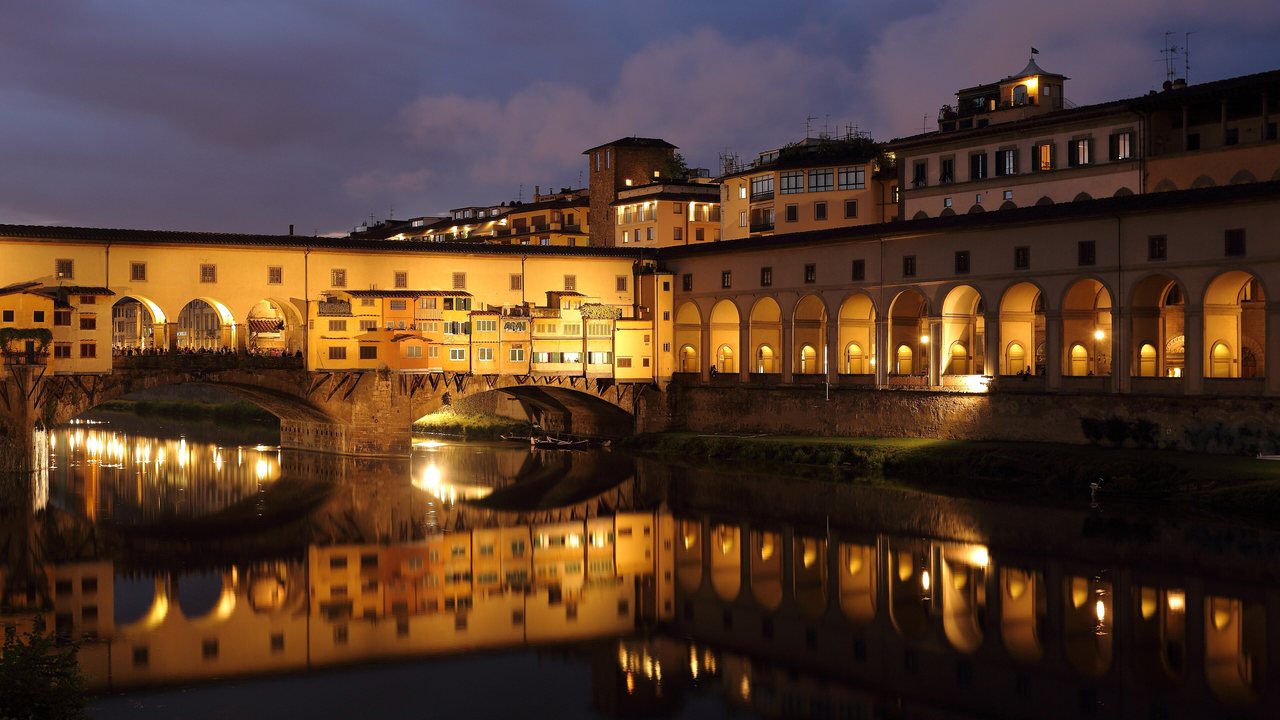
 Visit official site ↗
 Visit official site ↗
 Visit official site ↗
 Visit official site ↗
 Visit official site ↗
 Visit official site ↗
 Visit official site ↗
 Visit official site ↗
 Visit official site ↗
 Visit official site ↗
 Visit official site ↗
 Visit official site ↗
 Visit official site ↗
 Visit official site ↗
 Visit official site ↗
 Visit official site ↗
 Visit official site ↗
 Visit official site ↗
 Visit official site ↗
 Visit official site ↗
 Visit official site ↗
 Visit official site ↗
 Visit official site ↗
 Visit official site ↗
 Visit official site ↗
 Visit official site ↗
 Visit official site ↗
 Visit Instagram ↗
 Visit official site ↗
 Visit official site ↗
 Visit official site ↗
 Visit official site ↗
 Visit official site ↗
 Visit official site ↗
 Visit official site ↗
 Visit official site ↗
 Visit official site ↗
 Visit official site ↗
 Visit official site ↗
 Visit official site ↗
 Visit official site ↗
 Visit official site ↗
 Visit official site ↗
 Visit official site ↗
 Visit official site ↗
 Visit official site ↗
 Visit official site ↗
 Visit official site ↗
 Visit official site ↗
 Visit official site ↗
 Visit official site ↗
 Visit official site ↗
 Visit official site ↗
 Visit official site ↗
 Visit official site ↗
 Visit official site ↗
 Visit official site ↗
 Visit official site ↗
 Visit official site ↗
 Visit official site ↗
 Visit official site ↗
 Visit official site ↗
 Visit official site ↗
 Visit official site ↗
 Visit official site ↗
 Visit official site ↗
 Visit official site ↗
 Visit official site ↗
 Visit official site ↗
 Visit official site ↗
 Visit official site ↗
 Visit official site ↗
 Visit official site ↗
 Visit official site ↗
 Visit official site ↗
 Visit official site ↗
 Visit official site ↗
 Visit official site ↗
 Visit official site ↗
 Visit official site ↗
 Visit official site ↗
 Visit official site ↗
 Visit official site ↗
 Visit official site ↗
 Visit official site ↗
 Visit official site ↗
 Visit official site ↗
 Visit official site ↗
 Visit official site ↗
 Visit official site ↗
 Visit official site ↗
 Visit official site ↗
 Visit official site ↗
 Visit official site ↗
 Visit official site ↗
 Visit official site ↗
 Visit official site ↗
 Visit official site ↗
 Visit official site ↗
 Visit official site ↗
 Visit official site ↗
 Visit official site ↗
 Visit official site ↗
 Visit official site ↗