Trading since 1869 and on Ginza since 1925, Matsuya is the design-minded one of the great Tokyo stores — its Design Collection floor a pilgrimage, its depachika a museum of edible craft.
Best for The Ginza department store of design
Matsuya Ginza is a department store on Ginza 3-chome in Tokyo, opened on May 1, 1925, two years after the Great Kanto Earthquake. The company traces itself to 1869. That year Tokubei Furuya, born in Yamanashi Prefecture, founded the Tsuruya Kimono Store at Ishikawaguchi in Yokohama after his wife Masu found a ready market for scraps of cloth. In 1889 the firm acquired the Matsuya Kimono Store at Imagawabashi in Kanda and opened in Tokyo the following year. In 1907 it raised a three-storey Western building there. The Ginza store's Central Hall, now called the Space of Ginza, opened to the ceiling with circular stained glass and a floor of black and white marble. A Ryuko Fudoson shrine from Koyasan Ryukoin Temple in Wakayama still stands on the roof. The occupying forces requisitioned the building in 1945. The store reopened in 1953 after the requisition was lifted. A 1964 expansion took the store across a whole block, and a 2001 renewal changed its colour from blue to white. The seventh-floor Design Collection was renewed in 2011. In 2019 the company adopted the phrase Design no Matsuya and marked 150 years. Matsuya Ginza reached its centenary on the site in 2025, marked by an exhibition on 100 years of footprints.
Rei Kawakubo’s beautiful chaos — the concept store where Comme, streetwear and couture collide. Left Dover Street March 2016 after landlord tripled the rent. Haymarket store 31384 sq ft on five floors, three times the old unit. 17-18 Dover Street housed the ICA from 1950.
Best for Multi-brand fashion, streetwear and limited collaborations
Rei Kawakubo of Comme des Garçons and her husband Adrian Joffe opened Dover Street Market in London in 2004, naming it for its first address and organizing it around her phrase 'beautiful chaos': a multi-floor market where the world's most conceptual fashion — all Comme des Garçons lines, Sacai, Simone Rocha, streetwear installations, emerging names — shares space in artist-built environments that are demolished and rebuilt seasonally in the ritual of tachiagari. The London store later moved to Haymarket, and the market spread to New York, Tokyo, Singapore, Los Angeles, and Paris, each edition curated as an argument rather than an inventory. DSM functions as fashion's most influential retail edit: placement here anoints young designers. Go without a shopping list — the point is the collision of things, and the exclusive collaborations produced for the store are the collectors' quarry.
Visit early in a season drop for the store-exclusive pieces, and take the floors in order — the installations are sequenced, and rushing them misses the argument.
Kobayashi Glass has cut Edo Kiriko glassware in Tokyo since founder Kikuichiro Kobayashi apprenticed under a Meiji-era craftsman in 1908, now in its fourth generation with a jewelry line called tokoba. The family workshop sells from its Koto-ward flagship store, which requires an appointment, and through a dedicated online shop.
Best for Edo Kiriko cut glassware and the tokoba jewelry line
Spain’s sneaker of the people since 1915 — Gregorio named them for his wife in a Rioja village; vulcanized canvas that shod every Spanish summer since the seventies.
Best for Canvas inglesitas & espadrille-soled sneakers
Ginza Kimuraya traces its origin to 1869, when a former samurai left unemployed by the Meiji Restoration, Yasubei Kimura, met a baker who had trained under a Dutch resident of Nagasaki's Dejima trading post and opened a Western-style bread shop, first called Bun'eido and renamed Kimuraya the following year.
Best for The birthplace of anpan, baking in Ginza since 1869
Ginza Kimuraya traces its origin to 1869, when a former samurai left unemployed by the Meiji Restoration, Yasubei Kimura, met a baker who had trained under a Dutch resident of Nagasaki's Dejima trading post and opened a Western-style bread shop, first called Bun'eido and renamed Kimuraya the following year. In 1874, Kimura and his son Eizaburo adapted the sake-yeast starter used for a steamed bun called sakamanju to leaven bread in a way suited to Japanese palates — the company's own history dates the result, anpan, a bun filled with sweetened azuki bean paste, to that year.
The bun's reputation was made the following spring. On April 4, 1875, Kimura presented Emperor Meiji with a sakura anpan studded with a salted cherry blossom sourced from Yoshino, and the emperor and Empress Shoken reportedly asked that it continue to be served to them afterward — the same date is now marked in Japan as Anpan Day, and Kimuraya's own corporate history page recounts the audience and the flower detail directly.
The Ginza flagship still occupies a multi-floor building at 4-5-7 Ginza: a bakery on the ground floor, a café upstairs, and a Western-style grill above that, run today as a roughly 95-employee company making close to 130 products, some of them seasonal. By its own and outside accounts it remains Japan's oldest Western-style bakery still trading under a name it chose for itself in 1870.
'Kitchen Town' — where Japanese chefs buy their culinary equipment for over a century. Knives, ceramics, restaurant supplies, and plastic food replicas.
Best for Knives, ceramics, restaurant supplies, and plastic food replicas
Historic 12-floor stationery emporium founded in 1904. Fountain pens, washi paper, leather accessories, and art supplies from around the world. The 'Gift Lounge' offers same-day wrapping in exquisite.
Best for Fountain pens, washi paper, leather accessories
Contemporary craft shop reviving traditional Japanese techniques for modern life. Nara fukin (cotton cloths), hand towels, and household items that improve with use. Simple, functional beauty.
Best for Contemporary craft shop reviving traditional Japanese techniques for modern life
Sekaido has sold art materials in Shinjuku since 1940. The main store at 3-1-1 Shinjuku, Shinjuku-ku, Tokyo, fills five selling floors above the street. Stationery and paper give way to paints and modelling supplies, and the upper two floors are given over to frames. Twelve Sekaido shops trade in all, most of them in Tokyo.
Best for Five floors of art materials and framing at the Shinjuku main store
Sekaido opened in Shinjuku in 1940 as a shop selling picture frames and paintings. It was incorporated as a company in 1947, and through wartime shortages, including a cut-off supply of glass, it held to a motto of better goods at lower prices. Over the decades it widened its range to art materials and design supplies as well as stationery. The Shinjuku main store burned in 1990, and the company traded from a temporary shop nearby until a new headquarters and store building opened at Shinjuku 3-1-1 in 1994. That nine-storey building has sales floors on five levels and a gallery on the sixth. The first floor carries stationery and fountain pens, and the second holds papers and drafting tools alongside design and comic supplies. The third is given to paints and printmaking materials, with plaster casts and easels. Frames fill the fourth and fifth floors. Watercolour and photo frames sit below, and larger frames for hanging works and for oil paintings sit above. Canvas stretching and framing are done in house, and a branch opened at Ikebukuro Parco in 1969. Others followed in Nagoya and on two art school campuses, while the Shinjuku store remains the flagship.
Landmark design and cultural center with gallery spaces, a design shop, café, and restaurant. The attached Spiral Market carries curated homeware, stationery, and accessories. A hub for Tokyo's design. Established 1985.
Best for Landmark design and cultural center with gallery spaces, a design shop, café
Isetan Shinjuku combines a food hall and women's fashion departments with a separate building devoted to menswear. The main store opened in Shinjuku in 1933, following the company's earlier beginnings as a kimono business. Its departments also cover beauty products and household goods, while restaurants provide a break from shopping upstairs.
Best for Department-store fashion and food-hall shopping in Shinjuku
Isetan began as a kimono business in 1886, before opening its main store in Shinjuku in 1933. Those dates describe different stages of the business, rather than two competing accounts of the current shop. The official floor guide separates the main building from a dedicated men's building, giving each a distinct shopping role.
The main building brings women's clothing and accessories together with beauty counters and departments for the home. Its food hall offers another reason to visit without making a clothing purchase the purpose of the trip. Restaurants occupy an upper level, and the store also includes an art gallery and a roof garden.
The men's building gives more space to tailoring and footwear alongside designer clothing and leather goods. Made-to-measure services and alterations appear in its floor guide, separate from ready-to-wear departments. A shopper comparing a suit with casual clothing can therefore start in the relevant building instead of treating the complex as one undifferentiated store. Checking the floor guide before arrival helps narrow the visit to the departments that matter.
Nakaya was founded in 1999 by Toshiya Nakata, president of Platinum Pen Co., Ltd., who set out to preserve a craft Platinum's own mass production had left behind: hand-lacquered urushi fountain pens turned and finished one at a time.
Best for Made-to-order urushi-lacquer fountain pens hand-finished by veteran ex-Platinum craftsmen.
Nakaya was founded in 1999 by Toshiya Nakata, president of Platinum Pen Co., Ltd., who set out to preserve a craft Platinum's own mass production had left behind: hand-lacquered urushi fountain pens turned and finished one at a time. The trade name reaches further back still, to the Nakaya Manufacturing Company of 1924, Platinum's own predecessor — so the shop's name is not a borrowed flourish but the company's actual point of origin. Nakaya operates from Higashi-Ueno in Tokyo's Taito-ku, and by its own account began business together with veteran craftsmen who had already spent more than forty years working urushi at Platinum before the new company gave them a workshop built entirely around that skill.
The pens are built on ebonite bodies and finished in traditional Japanese lacquer techniques — maki-e gold and silver inlay, layered tame-nuri, raised takamaki-e relief, shell-inlaid raden, pear-skin-textured nashiji — each requiring repeated coats and weeks of curing before a barrel is considered finished. Nakaya makes pens to order rather than to stock: buyers choose ebonite or titanium construction, a lacquer finish, and a nib the company tunes against a study of the individual's own handwriting, with after-sales tuning available once the pen is in use.
There is no walk-in showroom in the Western retail sense — Nakaya sells through a network of authorized retailers listed on its own site — but the workshop's identity is unmistakable: a small group of lacquer specialists making pens the old way, at the address where Platinum's own pen-making lineage effectively continues under a different name.
Tokyo watchmaker known for Eco-Drive light-powered movements and Promaster tool watches, with collections spanning everyday, sport and professional-use timepieces.
Best for Eco-Drive solar, Promaster; Citizen, Bulova, FC, Alpina
Orient is Japan’s mechanical value king — the Bambino’s domed elegance and in-house movements under Epson. Production is associated with Japan, while the range centers on bambino, Ray, Mako.
Okinawan specialty shop with textiles, ceramics, food products, and craft spirits from Japan's southern islands. A taste of tropical Japan in the heart of Ginza. Their awamori selection is ou.
Best for Okinawan specialty shop with textiles, ceramics, food products, and craft spirit
Japan's great value shirtmaker — the Sciolto line is its one-piece collar family, from Tokyo Fit flannels to MTM bodies cut for the construction. Established 1993.
Best for Sciolto one-piece collars at honest prices.
Kama-Asa Shoten has specialized in Japanese kitchen knives, cast-iron pans and cookware from Tokyo's Kappabashi kitchenware district for generations, selling its own hammered ironware alongside brands like Konosuke. The shop runs a full international online store plus physical locations in Kappabashi, Paris and Brooklyn.
Best for Japanese kitchen knives, cast-iron pans and hammered ironware
Youth fashion department store with affordable Japanese brands targeting teens and young adults. It has a 'Gal Fit' section. Constantly rotating pop-up shops and trend events.
Best for Youth fashion department store with affordable Japanese brands targeting teens
Ameyoko is a market street beneath and around the railway tracks near Ueno, not a single shop. Its dense mix includes food stalls, cosmetics, shoes, clothing and discount traders.
Massive used record store with multiple specialized floors — jazz, rock, classical, and world music. A crate-digger's paradise with incredibly deep inventory.
Best for Used jazz, rock, classical and world-music records
Seven floors of Japanese lifestyle goods — stationery, homeware, beauty, and quirky gadgets. Known for exclusive collaborations and limited-edition collections.
Best for Stationery, homeware, beauty, and quirky gadgets
Shibuya LOFT is a large-format branch of Japan's household-goods specialist at 21-1 Udagawacho. LOFT traces its origins to the 1987 opening of the LOFT Annex at Seibu Shibuya, where the company developed an edited alternative to conventional supplies stores. Its "Showcase of Time" concept still explains the mix: practical objects appear beside trend-led discoveries, and browsing forms part of the store's stated purpose rather than simply a route to a predetermined purchase. The wider assortment spans stationery and planners. Writing tools form another category. Cosmetics and personal-care goods sit beside tableware and kitchenware, while interior accessories and travel goods widen the selection. Gifts extend it again. That breadth allows several everyday Japanese product categories to be compared under one roof. The company classifies Shibuya as a large store and has stated that the branch will continue after Seibu Shibuya's announced September 2026 closure. Shibuya LOFT therefore remains part of the retailer's original Shibuya story rather than an interchangeable location in the national chain.
One of Tokyo's largest bookstores with an impressive foreign language section. Seven floors of books including academic titles, art books, magazines, and Japanese literature. The architecture section.
Best for One of Tokyo's largest bookstores with an impressive foreign language section
Flower shop and tea house surrounded by living plants and fresh blooms. Light meals and tea served in a greenhouse atmosphere. The floral arrangements are as beautiful as the food.
Best for Flower shop and tea house surrounded by living plants and fresh blooms
Children of the Discordance was founded in Tokyo in 2011 by Hideaki Shikama after his tenure designing for SHIPS, reflecting a deliberate decision to work independently and on his own terms rather than accommodate seasonal commercial cycles.
Best for Bandana patchwork
Children of the Discordance was founded in Tokyo in 2011 by Hideaki Shikama after his tenure designing for SHIPS, reflecting a deliberate decision to work independently and on his own terms rather than accommodate seasonal commercial cycles. The brand's signature methodology transforms vintage textiles—particularly bandanas inherited from Shikama's childhood collections—into contemporary streetwear through patchwork construction and meticulous reweaving. Scarves, bandanas, and denim are disassembled and reconstructed into shirts, outerwear, and accessories, each piece unique and bearing the marks of its source material's previous life. The aesthetic draws from the Nippori neighborhood (downtown Tokyo), employing traditional Japanese techniques alongside contemporary tailoring. Shikama won the Tokyo Fashion Award in 2018, bringing international recognition to his work and establishing the brand within global fashion discourse. Collections utilize updated and upcycled materials sourced from Shikama's personal archive and worldwide vintage sourcing across his lifetime, drawing visual and cultural reference from 1990s onward fashion, music, and counterculture movements. Each piece reflects a philosophy that clothing should endure lifelong rather than cycle through seasons.
Nobuhiko Kitamura’s Tokyo institution since 1984 — rock-and-roll Americana filtered through Japanese streetwear obsession, printed, patched, and collected worldwide.
Neighborhood is a Tokyo label founded in 1994 in Harajuku. Its online store carries the main line alongside collaborations, with recent releases including NH x Out Stand In knitwear, NH x Gimme Five sweat hoodies and NH x Kuumba incense. The company trades as Neighborhood Co., Ltd. and answers customer inquiries by email in Japanese or English.
Best for Motorcycle-inspired Japanese streetwear and leather
Tokyo leather goods atelier — hand-stitched raw leather accessories and footwear that patina beautifully over time. The Japanese answer to artisanal leather craft.
Best for Raw leather accessories and footwear that age beautifully
And Wander’s backpacks use water-resistant X-Pac, reflective details and convertible pockets intended for trail access as well as commuting. Sizes run from daypacks to larger models with adjustable carrying systems for overnight loads.
Best for Trekking technical hiking; Contemporary outdoor, reflective
Naosuke Takei’s Japanese footwear label combines British-informed lasts, artisan shoemaking and Tokyo design, with specialist stockists including NUBIAN Tokyo.
Kyoto-based textile brand applying traditional Japanese patterns to modern clothing and accessories. Split-toe shoes, patterned garments, and fabric goods. The bold, graphic prints are instantly recognizable.
Best for Split-toe shoes and graphic-print garments applying traditional Japanese patterns
1LDK apartments. is a select shop in Nakameguro, across the street from the group's flagship and beside Taste AND Sense café. Men's and women's clothing share the space with home goods and smaller accessories, including tote bags and caps. The shop opened in 2012, adding a lifestyle-focused counterpart to the original 1LDK store rather than replacing it.
Best for Japanese casualwear, small accessories and home fragrance
Boutique paper and printing studio making original notebooks, cards, and letterpress items. Custom printing services for events and businesses. The tactile quality of their paper goods is exceptional.
Best for Boutique paper and printing studio making original notebooks, cards, and letterp
Tokyo label and retail concept founded by Takayuki Minami, pairing clean architectural silhouettes with carefully selected Japanese fabrics across shirts, trousers, outerwear and basics.
Best for Architectural Japanese polos; Architectural basics, quality
Cow Books is an independent bookshop that opened in September 2002 beside the Meguro river in Nakameguro. Its founders were book critic Yataro Matsuura and Setsumasa Kobayashi. The two thousand or so titles have no fixed genre and are chosen for what they stir in a reader, alongside vintage magazines and a small line of cow-logo goods. Coffee is served at a long wooden table under the statement Everything for the Freedom.
Best for Out-of-print books and vintage magazines, read over coffee by the Meguro river
Cow Books opened on 14 September 2002 beside the Meguro river in Nakameguro, Tokyo. Its founders were the book critic Yataro Matsuura and Setsumasa Kobayashi of the neighbouring label General Research. Matsuura selects the stock, more than two thousand titles at any time, and the staff add their own voices to the choice. The shop has no fixed genre. It is built instead around books that stir something in the reader, from Beat Generation writers and photography anthologies to vintage magazines such as old copies of Brutus. Since opening it has carried the statement Everything for the Freedom. Before the shop existed the founders ran a travelling bookstore from a truck, an idea that survives as the occasional Traveling Cowbooks. Inside there is a long wooden table where customers read over coffee. Outside, wooden benches line the front of the shop and the river. A small line of original goods carries the cow logo. The shop still trades from 1-14-11 Aobadai in Meguro-ku, in the neighbourhood the founders already called home when they opened.
Minimalist Japanese label known for impeccably cut basics in premium fabrics. The 'paper' concept references their clean, blank-canvas approach to design. Built to last and improve with wear.
Best for Minimalist Japanese label known for impeccably cut basics in premium fabrics
Studio Mule combines a curated record shop with a natural-wine bar in Nakameguro. Vinyl retail is genuine, but evening hospitality shapes the atmosphere and may influence opening hours.
Best for Vinyl records and natural wine in one Tokyo space
Postalco began in 2000 in Brooklyn and is now based in Tokyo. Its single Postalco Shop in Kyobashi carries the brand’s bags, wallets, key holders, stationery and clothing.
Best for Bags, wallets, stationery and everyday design tools
Eurobox is an independent multi-brand fountain-pen specialist on the fourth floor of Ginza’s Okuno Building, carrying Japanese and European pens, including vintage and collectible pieces.
Best for Vintage Pelikan and Montblanc pens, repairs and collectible Japanese pens
Eurobox, on the fourth floor of Ginza's Okuno Building at 1-9-8 Ginza, Chuo-ku, Tokyo, is a different kind of house: an independent, multi-brand specialist rather than a manufacturer's own outlet. Its own site, euro-box.com, lists opening hours of 12:00-17:30 and confirms it deals in Pelikan, Lamy, and Montblanc alongside Japanese-made pens, spanning both new stock and collectible pieces.
According to secondary Tokyo pen-shop guides (narratess.com, timeout.com), Eurobox is known particularly for vintage Pelikan and Montblanc, is run by an English-speaking proprietor identified as Eizo Fujii, and offers on-site repair — the kind of hands-on specialist trade that distinguishes a dedicated pen shop from a general stationer like Itoya. These are third-party accounts, not statements from the shop's own site, and are presented as such.
For overseas buyers, euro-box.com states shipping is handled by "EMS(Japan Post)" with rates tiered by package weight, and the site accepts credit cards, Amazon Pay, bank transfer, and convenience-store payment.
Marumizu-gumi is a working bookbindery in Itabashi-ku, Tokyo, dedicated to traditional Japanese bookbinding, or wahon — the thread-sewn, washi-paper binding styles that predate Western case binding in Japan.
Best for Hands-on lessons and custom-bound work in traditional Japanese wahon binding
Marumizu-gumi is a working bookbindery in Itabashi-ku, Tokyo, dedicated to traditional Japanese bookbinding, or wahon — the thread-sewn, washi-paper binding styles that predate Western case binding in Japan. The studio was established by bookbinder Nao Inoue and has operated under its current site since 2007, from a ground-floor space eight minutes on foot from Naka-itabashi station, open daily except Tuesdays and Wednesdays.
The studio runs on three legs: custom order-based binding work for clients, hands-on lessons in wahon technique explicitly open to beginners as well as experienced binders, and a shop selling Japanese binding papers, materials, and tools that the studio says it has "carefully examined/chosen." Its own published material walks through the varieties of Japanese bookbinding style and the traditional implements involved, functioning as both a working reference and a teaching aid for students who come through the door.
Wahon itself is a genuinely old craft lineage — the broader tradition of Japanese books bound by hand on washi paper traces back over a thousand years — and Marumizu-gumi is one of the few studios in Tokyo still practicing and teaching it as a hands-on, order-taking trade rather than a museum demonstration, with an online shop that keeps its materials available beyond the physical studio's limited opening hours.
Susumuya grew from a century-old Kagoshima tea-wholesaling family into a retail shop in 2012, adding a Tokyo Jiyugaoka café in 2016. It sells single-origin Chiran and Kirishima sencha sourced and roasted in-house, and runs its own tea school.
Best for In-house tea school
Susumuya opened its first retail shop in Kagoshima's Kamiueno-cho in 2012, founded by the fourth generation of a Kagoshima tea-wholesaling family whose business had already run for roughly a hundred years before the retail brand launched. That wholesale background shows in how the shop works: sourcing, roasting and blending are all handled in-house rather than bought pre-processed, with a focus on single-origin, single-farm teas from Chiran and Kirishima, two of Kagoshima Prefecture's best-known tea-growing districts, chosen to preserve the sweetness particular to the region's leaf. The shop expanded to Tokyo's Jiyugaoka in 2016, opening a second location that doubles as a café serving tea alongside Japanese sweets, and later added a store inside a Kagoshima shopping center. In 2015 the company launched a companion brand, Susumuya tea implements, designing brewing tools with an outside designer rather than selling only leaf. Susumuya also runs its own tea school, teaching proper brewing technique directly to customers rather than assuming it's already understood — a deliberate extension of a wholesaler's product knowledge into the retail side of the business, aimed at customers who want to actually taste the difference a single-origin, well-brewed Kagoshima sencha makes.
Tokyo leather artisans — punk-inspired hand-treated leather jackets with Japanese precision. Each piece is a wearable sculpture of rebellion and craft.
Hiroki Nakamura's artisanal label — hand-dyed indigo, natural materials, and footwear that costs as much as rent. The pinnacle of Japanese craft-driven fashion.
Chitose Abe's hybrid label — deconstructed tailoring, layered fabrics, and Nike collaborations that sell out instantly. The most wearable avant-garde in Japan.
Best for Hybrid deconstructed tailoring and Nike collaborations
Chitose Abe spent eight years inside Comme des Garçons — including Junya Watanabe's pattern room — before founding Sacai in 1999 at her Tokyo kitchen table, cutting while raising her daughter. The house idea arrived fully formed: hybridization. One garment is always two — the trench spliced with the MA-1, knitwear grafted onto shirting, a biker jacket dissolving into pleated chiffon at the back you didn't see coming.
"Elegance within the everyday" is her phrase, and it explains why Sacai became the most wearable avant-garde in Japan: the experiments resolve into clothes people actually live in. The collaborations amplified it globally — Nike's LDWaffle and VaporWaffle doubled swooshes and soles into instant sell-outs, and partnerships from Carhartt WIP to Cartier's Trinity confirmed the method travels.
Abe remains independent, Tokyo-based, showing in Paris — one of the few designers whose signature is a structural principle rather than a mood. You recognize a Sacai from across the street: it's the garment doing two things at once, both of them right.
Tokyo-based minimalist label built around refined fabrics and understated silhouettes. The emphasis is on textile development, precise cut and restraint rather than conspicuous branding.
Best for Minimalist Japanese polos; understated luxury basics and refined outerwear
Founded in Tokyo in 2013 by Shinsuke Kojima, former founding editor of Japan's Huge magazine, Kaptain Sunshine reworks vintage American military and workwear silhouettes through Japanese factories — denim from Okayama and Hiroshima, leather goods from Tokyo and Kamakura — anchored by its Aoyama flagship.
Hands Shibuya is a multi-level shop in Udagawacho, with a product-location tool to help visitors find items such as notebooks and pens. Its branch website lists cutting and processing services alongside personalisation, with separate reception times for these activities. Workshops and temporary displays add another reason to consult the store's programme before planning a visit.
Best for Stationery shopping and practical making services in Shibuya
Japanese vintage culture magazine — denim, leather, boots, Americana, and the publication that documents Japanese heritage fashion culture monthly.
Best for Vintage culture magazine, denim leather boots, monthly.
2nd (セカンド) is a long-running Japanese men's style magazine built around what it calls 'American trad' -- navy blazers, button-down oxford shirts, penny loafers -- read through the lens of vintage Americana and workwear culture rather than conventional prep. Aimed at men in their thirties and forties, it built a reputation over more than a decade as one of the two or three Japanese titles serious heritage-clothing and denim collectors actually trust, alongside its stablemate Lightning. In March 2018, its then-publisher, Ei Publishing, announced it would cease print publication with the May issue after an 11-year run and roughly 75,000 in circulation, citing a shift to digital; industry press reported the title returned to print within about a month under renewed backing. A dedicated spin-off mook, Bessatsu 2nd (Separate Volume 2nd), continues to run parallel deep dives into sneakers, leather shoes and denim specifically. The magazine's signature editorial device is 'denim trad' -- folding a fabric coded as rugged American workwear into the vocabulary of Ivy and trad dressing, styling raw denim against blazers and loafers rather than against other workwear. It remains in active circulation today, now issued under a different publishing imprint, with new issues still reaching Japanese newsstands and specialty import shelves internationally.
aIbn is a select shop in Nakameguro, Tokyo, carrying curated apparel from roughly 20 contemporary brands -- jackets, knitwear, shirts, trousers, shoes and accessories -- in materials including pure silk velvet, high-count wool, yak wool, merino wool and alpaca wool.
Ginza-born luxury skincare house since 1956 — the milk-first philosophy and hand-delivered counter service that made it a quiet giant of Japanese beauty.
Best for Japanese luxury skincare and the milk-first ritual.
New Zealand-born coffee roaster in a converted timber warehouse. Excellent flat whites and single-origin pour-vers in a spacious, industrial-chic setting.
Best for New Zealand-born coffee roaster in a converted timber warehouse
Ryota Iwai's quietly luxurious brand known for tactile fabrics and tasteful colors — pistachio poplin, cornflower cashmere. Simplicity and sophistication.
Best for Ryota Iwai's tactile pistachio poplin and cornflower cashmere in quiet, sophisticated colors
The Ivy League-obsessed sub-line of Beams — Japanese reinterpretation of mid-century American casual wear. Patchwork madras, chambray, and needlepoint belts.
Best for Ivy League polos, Japanese; Japanese Ivy League and vintage American reinterpretation
Katsuyuki Tanaka's Shimokitazawa espresso bar, open since 2009. His 'Angel Stain' shot is capped at ten cups a day, gone by 1pm.
Best for The 'Angel Stain' espresso, capped at 10 cups a day until 1pm.
Bear Pond Espresso opened in Shimokitazawa in 2009 under Katsuyuki Tanaka, a New York-trained barista who runs the machine himself — he doesn't let other hands near it, citing the risk of inconsistent shots. The shop's famous pour is the "Angel Stain," named for the drips left on the cup's side when Tanaka whips the portafilter mid-extraction, which he calls "a sign that came from God." It's rationed: a maximum of ten cups a day, served only until 1:00 p.m., after which regulars are out of luck until the next morning.
Tanaka, known by the nickname "Angelstain," appeared in the 2014 documentary "A Film About Coffee" and has been covered by Condé Nast Traveler and Japan's Asahi Shimbun. One well-known coffee blog reportedly declared the search for transcendent espresso in Tokyo over after visiting. The theatrics — the daily cap, the single pair of hands on the machine — read as gimmick until the shot arrives, thick and deliberately extracted, built around a technique Tanaka has spent over a decade refining in a shop the size of a closet.
Harajuku vintage-denim specialist with a deep selection of pre-1970s Levi’s and other American workwear, known for authenticated pieces that have influenced Japanese reproduction brands.
Best for Vintage Levi's, pre-1970s, authenticated, taught reproduction.
Blue Blue Japan is the indigo-focused label of Seilin & Co., founded in 1996 alongside its Daikanyama flagship store Okura, which opened three years earlier. Garments are hand-dyed with fermented sukumo indigo and finished with sashiko stitching and boro patchwork, made entirely in Japan.
Best for Pure indigo-dyed sashiko and boro-inspired Japanese clothing
Blue Blue Japan traces to 1996, when Seilin & Co. built the label around three commitments: handcraft, indigo dyeing, and clothing meant to feel warm and worn-in. The brand's spiritual home, OKURA, actually predates it by three years — the Daikanyama shop opened in 1993, built by staff from reclaimed driftwood and scrap metal, and still anchors the label's identity today.
The dyeing itself follows the traditional sukumo process: indigo leaves are grown, harvested, dried and fermented before being reduced into dye and applied by hand. Unlike synthetic indigo, sukumo-dyed fabric changes as it's worn — impurities fall away with use, and the color is said to deepen into a richer blue over time, a slow transformation the brand treats as part of the garment's design rather than a flaw to prevent.
Sashiko stitching and boro patchwork, both born from Japanese traditions of mending and reinforcing cloth out of necessity, appear throughout the line — on coats, shirts and denim — alongside the brand's core indigo dyeing. The result is a made-in-Japan collection built explicitly around artisan technique rather than seasonal trend.
Cult streetwear boutique known for graphic tees, accessories, and punk-influenced designs. A staple of Harajuku's street fashion scene since the late 1990s.
Best for Cult streetwear boutique known for graphic tees, accessories, and punk-influence
On a Ginza backstreet, Café de l'Ambre has served coffee and nothing else since 1948, when Ichiro Sekiguchi opened its doors in the lean years after the war.
Best for Vintage aged coffee, decade-cellared before roasting
On a Ginza backstreet, Café de l'Ambre has served coffee and nothing else since 1948, when Ichiro Sekiguchi opened its doors in the lean years after the war. Nearly eighty years on, the cafe still roasts on-site and pulls every cup through hand-sewn cloth drip filters, a method that predates the paper filter's dominance and gives its brews a texture regulars return for.
What sets the house apart is its practice of aging green beans, sometimes for a decade or more, before they ever touch a roaster. The custom traces to Sekiguchi himself: during the postwar bean shortages, he came across a batch of Sumatra Mandheling that had sat unroasted for ten years, roasted it anyway, and found the flavor had changed into something worth pursuing deliberately. What began as necessity became the cafe's signature, and 'vintage coffee' — beans cellared for years under controlled conditions before roasting — is now what Café de l'Ambre is known for among coffee travelers who seek it out specifically.
The menu has never expanded into food or lifestyle retail; it has stayed a coffee-only room for nearly eight decades, run on the same self-roasting, cloth-filter, aged-bean method since Sekiguchi's day. That narrowness of focus is itself the point — one of Tokyo's oldest surviving coffee houses, still doing the one thing it opened to do.
Immaculately curated design store showcasing Japanese and international contemporary design. Furniture, lighting, ceramics, and accessories in a gallery-like setting.
Best for Immaculately curated design store showcasing Japanese and international contempo
The luxury heritage quarterly — higher-end than Lightning, craftsmanship focus, factory visits, artisan profiles, and the Japanese magazine that treats denim as haute couture.
Best for Luxury heritage quarterly, craftsmanship, artisan profiles.
Tokyo-based technical outdoor-fashion label revived in 2009 by Harajuku vintage retailer Lost Hills from a 1915 Seattle bedding/down-quilt maker's name, blending vintage American mountaineering references with modern fabrics like eVent and Dyneema under designer Makoto Okuya.
Best for Japanese technical shells, utility trousers and outdoor packs
CMF (Comfy Outdoor Garment) is a Japanese technical outerwear label based in Shibuya, Tokyo, that traces its name to a 1915 Seattle company originally making bedding and down quilts. That name was revived in 2009 by Lost Hills, a Harajuku-based vintage clothing store, and rebuilt as a contemporary outdoor-fashion brand under designer Makoto Okuya. Rather than reproducing vintage American mountaineering gear directly, CMF reinterprets its aesthetics -- boxy silhouettes, utilitarian pocketing, mountain-parka shapes -- using modern technical textiles such as eVent waterproof-breathable fabric and Dyneema, combined with Japanese and Pacific Northwest streetwear influences. Garments typically feature multiple pockets, ventilation panels, sealed zippers and adjustable straps, positioning the brand within the broader 'gorpcore' movement that repurposes technical outdoor clothing as everyday fashion. Though the brand's name and founding story reference an American heritage company, CMF today operates as a Japanese label designed and based in Tokyo, distributed through its own e-commerce and a network of international specialty retailers carrying Japanese technical streetwear.
Comme des Garçons PLAY applies Filip Pagowski’s heart motif to T-shirts, polos, knitwear and Converse collaborations. It is an accessible diffusion line, with sizing and seasonal colour varying across retailers.
Best for Red-heart polos and COMME des GARÇONS PLAY basics
Fishing-inspired technical wear meets Tokyo street style. Functional pockets, technical fabrics, and a utilitarian aesthetic that works on the street and the pier.
Tokyo menswear label DEVOA, founded in 2006 by designer and former athlete Daisuke Nishida, builds three-dimensional 'anatomical' patterns modeled on muscle, skin and vein movement; garments are made in Japan in limited runs.
Best for Anatomical cutting, avant-garde
DEVOA is a Tokyo-based menswear label founded in 2006 by designer Daisuke Nishida, a former athlete and medical/anatomy instructor whose training informs the brand's central design method. Rather than conventional flat pattern-cutting, Nishida builds three-dimensional patterns informed by the movement of skin, muscle, nerves and veins - an approach the brand frames under the concept 'Destruction and Construction.' The 16th-century anatomist Andreas Vesalius is cited as a significant influence. Collections include jackets, knitwear and other ready-to-wear pieces, produced in Japan using fabrics developed with Japanese and Italian textile manufacturers, made in intentionally limited quantities.
Japanese discount retailer for food, cosmetics, electronics, household goods, souvenirs and everyday necessities, with dense multi-floor stores and late-night shopping at many locations.
Dynamic Audio has traded in Akihabara since March 1965, when Tokyo's first postwar audio boom was still building, and the flagship store known as 5555 sits a few minutes' walk from the Electric Town exit at 3-1-18 Sotokanda.
Best for Seven floors of listening rooms in Akihabara
Dynamic Audio has traded in Akihabara since March 1965, when Tokyo's first postwar audio boom was still building, and the flagship store known as 5555 sits a few minutes' walk from the Electric Town exit at 3-1-18 Sotokanda. The company marked its 60th anniversary in March 2025 without moving from the district that made its name, and it now runs alongside a separate Trade Center store nearby that handles used and vintage gear across four more floors.
The 5555 building is organized vertically by listening intent rather than by department-store logic: the ground floor covers headphones, accessories and media software, the second floor is built as an introduction to the hobby, and floors three through seven are given over to high-end two-channel audio, with multiple dedicated listening rooms where staff will let a customer bring their own reference recording rather than pipe in a demo track. The stock spans both Japanese and imported manufacturers, new and used, at every price tier the seven floors imply.
Dynamic Audio describes its own house method as a three-step sequence, "experience" to "impression" to "sales" — listening comes before buying, not after. For a city famous for component shops that treat a turntable as one line item among many, 5555's floor-by-floor structure and six-decade continuity in the same neighborhood make it a genuine anchor of Akihabara's audio culture rather than an electronics generalist that happens to stock speakers.
EAD RECORD sells used vinyl across LP, 12-inch, 10-inch and 7-inch formats in jazz, reggae, electronic, funk, soul and experimental genres, along with audio accessories such as styli, cartridges and slip mats, plus CDs, tapes and branded apparel. The shop notes that its products are also sold in person at its physical store.
Hiromi Nakauchi's poetic minimalism — architectural silhouettes, monochromatic palettes, and the Japanese womenswear brand that treats clothing as sculpture.
Best for Architectural silhouettes, monochromatic, and clothing as sculpture.
Tokyo label F/CE. turns country-based seasonal research into functional city wear. Technical daypacks, waterproof shells and travel-minded details connect each theme to equipment that can be used beyond the concept behind it.
Tokyo denim label FDMTL, founded in 2005 by designer Gaku Tsuyoshi, applies traditional boro patchwork and sashiko stitching to jeans and outerwear made start-to-finish in Japan; its Meguro flagship opened in 2009.
Sneaker brand founded in 2015 by Tokyo-born Keisuke Ota and Beijing-born Yang Chao, who met at Japan's Fuji Rock Festival; blends Japanese trekking-boot design with manufacturing by Italian shoemaker Falc S.p.A.
Best for Hybrid trail sneakers
Flower Mountain was founded in 2015 by Keisuke Ota, born in Tokyo, and Yang Chao, born in Beijing, who met at Japan's Fuji Rock Festival. Working with Federica Wang, the pair developed a shoe concept fusing the rugged construction of trekking boots with traditional Japanese textile and design references. Flower Mountain partnered with Italian manufacturer Falc S.p.A. starting in 2016, giving the brand its Italian-made, Japanese-designed identity. The visual identity draws on the image of a dandelion field on Mount Fuji.
California-inspired general store with home goods, natural skincare, and simple accessories. Emphasizes sustainable, well-made products from small producers.
Best for California-inspired general store with home goods, natural skincare, and simple
Kimono house with hand-painted and embroidered formal wear. Exclusive designs by master craftspeople using centuries-old techniques. The second floor features a gallery of textile art.
Best for Kimono house with hand-painted and embroidered formal wear
Makes Edo Kiriko hand-cut glassware, including rocks glasses, tumblers, sake sets, wine and beer glasses and flower vases, cut from highly transparent domestic crystal glass in both traditional and newly designed patterns, by a studio of eight certified craftspeople.
Japanese jewelry atelier for handcrafted feather pendants and leather accessories. Worn by rock stars and collectors worldwide. Pieces are only available in-store and buying involves.
Best for Japanese jewelry atelier for handcrafted feather pendants and leather accessories
Harajuku's sharpest select shop — Kubo Mitsuhiro's two floors inside Laforet where Vetements and Chrome Hearts hang beside unknown Tokyo graduates he bets on first. The taste-making door through which new Japanese streetwear reaches the world.
Best for Tomorrow's Tokyo names, stocked before anyone else believes.
Climbing-gear label started in 1982 by Stonemasters climber Mike Graham ('Gramicci') in a Ventura, California garage; known for the gusseted G-Pant and shorts, later revived and expanded commercially through a Japanese licensee.
Best for Climbing pants The climber's pant since 1982
Gramicci grew out of Yosemite's 'Stonemasters' climbing scene of the 1970s. Mike Graham, one of that group, began designing his own woven climbing shorts around 1980 and founded the Gramicci brand in a Ventura, California garage in 1982. His nickname came from an earlier stunt: some Stonemasters had attempted the first all-Italian-style ascent of Yosemite's Half Dome despite none of them being Italian, and adopted Italianate nicknames - Graham became 'Gramicci.' The brand's signature detail is a diamond-shaped gusset at the crotch, borrowed from kung-fu trouser construction. In more recent decades the label has had a strong second life in Japan, where licensed production has kept the archive-inspired silhouette in regular rotation.
Founded 2006 as Fast Retailing's budget sister brand to Uniqlo; the name puns on the Japanese word jiyū (freedom). Expanded to Shanghai in 2013 and opened its first US store in 2022.
Best for Affordable trendy basics
GU was founded in 2006 as a low-cost sister brand to Uniqlo, under Uniqlo's parent company Fast Retailing. The name is a pun on the Japanese word jiyū (自由), meaning 'freedom,' reflecting the brand's positioning as an escape from higher-priced fashion — its stated ethos is 'Making fashion freer.' GU relies on Uniqlo's supply chain and manufacturing infrastructure to hit lower price points while still turning over trend-driven pieces faster than Uniqlo's more basics-focused range, targeting a younger customer base with items including gender-neutral pieces. The brand expanded outside Japan for the first time in 2013, with a store in Shanghai, and reached the United States only in 2022, via a pop-up store in New York City. By 2022, GU's sales had reached roughly $1.9 billion, about 12% of Fast Retailing's total group revenue, making it a significant earner within the Uniqlo parent group rather than a minor side label.
THE GUNDAM BASE TOKYO is Bandai’s official Gunpla facility at DiverCity Tokyo Plaza. Its zones combine model-kit retail, building, displays and events.
Renovated 1950s apartment building turned cultural space with gallery, café, and guesthouse. The shop sells art books, local crafts, and design objects.
Best for Renovated 1950s apartment building turned cultural space with gallery, café
Hakuhinkan Toy Park is a four-floor toy specialty shop in Ginza stocking roughly 200,000 items across stuffed animals and character goods, games and dolls, and a dedicated racing/hobby floor with slot-car circuits. The store dates back over a century as one of Ginza's original toy retailers.
Best for 200,000 toys, character goods, dolls and slot-car racing
Laforet Harajuku is a fashion shopping complex in Tokyo with a history tied to the neighbourhood's youth culture. Opened in 1978, it brings multiple labels and retailers into one building rather than presenting a single house collection. Its changing shops and creative programmes make the tenant list a useful starting point for planning a visit.
Best for Multi-label fashion shopping in Harajuku
Laforet Harajuku is a multi-floor fashion complex in Harajuku built around both permanent shops and temporary retail. Its directory separates womenswear and menswear from unisex fashion and accessories as well as beauty, while cafés occupy another part of the building. Pop-up spaces operate beside that permanent mix, and listings identify temporary projects by floor and date. Some programmes use entrance or container spaces rather than conventional shop units, allowing the complex to change without remaking its entire tenant plan. A museum adds an exhibition surface to the retail floors. This combination gives Laforet a role in Harajuku fashion beyond property management. Permanent labels provide continuity, while pop-ups and campaigns create room for smaller or time-bounded projects. The floor map makes those layers legible as one vertical programme. Fashion categories can be compared within the building, yet each tenant retains its own identity and product policy. The defining facts are architectural and editorial: several floors of specialist fashion, a museum, and a rotating system of dated pop-ups that lets the complex respond to new labels and subcultures.
Minimalist lifestyle boutique focusing on Japanese-made home goods, skincare, and wellness products. A calm, beautifully designed space that feels worlds away from Shibuya's chaos. mindful.
Best for Minimalist lifestyle boutique focusing on Japanese-made home goods, skincare
Horiguchi Coffee is a specialty coffee roastery and cafe business founded in May 1990 by Toshihide Horiguchi, distributing green coffee to micro roasters as well as roasting, retailing and wholesaling its own coffee. Its cafes serve drip coffee made in a traditional Japanese style, espresso drinks and food, with locations in Setagaya, Komae, Uehara, Otemachi and Yokohama.
Delightful multi-brand store with reproduction and modern labels — Camber, Chamula, Engineered Garments, and Needles. Great vintage southwestern jewelry.
Best for Delightful multi-brand store with reproduction and modern labels
Curated lifestyle store in the JP Tower with Japanese design objects, stationery, and home goods. Emphasises products that tell a story of Japanese craftsmanship.
Best for Curated lifestyle store in the JP Tower with Japanese design objects, stationery
Japanese womenswear label IJIIT, launched in 2003 by designer Keiji Itakura, who opened the flagship store in Tokyo's Omotesando in 2004. Rebranded IJIIT and Co. for spring/summer 2021 around a 'timeless and comfortable' concept of relaxed, washable pieces.
Best for Minimalist menswear
IJIIT is a Japanese fashion label launched in 2003 by designer Keiji Itakura, who had earlier won the Tokyo New Creators Collection Grand Prize twice, in 1993 and 1995. Itakura opened the brand's flagship in Tokyo's Omotesando district in 2004. Japanese fashion press describes IJIIT as a womenswear line, originally built around applying menswear pattern-cutting techniques to women's clothing with an emphasis on three-dimensional construction. For spring/summer 2021 the brand rebranded as IJIIT and Co. around a timeless and comfortable concept, moving toward relaxed silhouettes and washable, easy-care materials. Itakura separately runs a menswear-focused line called The Keiji, launched in 2016.
Tokyo streetwear label founded in 2001 by DJ and designer Tomoo Kinoshita, blending music, art, and traditional Japanese sensibility into oversized, graphic-driven pieces; also runs a linked music imprint, ISNESS MUSIC.
Best for Bold graphics, spiritual streetwear
Is-ness was founded in 2001 by Tomoo Kinoshita, a Tokyo-based designer who had worked as a DJ since the 1990s. is-ness describes itself as a design group fusing tradition with a modern sensibility across the keywords contemporary, technology, art, music, and fashion. The clothing itself is built around oversized silhouettes and bold, colorful graphics, including the balancing-circle motifs the brand has become known for. Alongside apparel, is-ness runs ISNESS MUSIC, a linked project fusing the label's music-industry ties with its fashion output.
The master of pleats and technological fabric innovation. From Bao Bao bags to Pleats Please — Japanese fashion as wearable architecture.
Best for Pleats Please and Bao Bao bags
Issey Miyake treated clothing as a technology problem with a poet's deadline. From 1970 in Tokyo his studio pursued one idea — "a piece of cloth," the garment born from a single plane — through innovations the industry is still metabolizing: Pleats Please (1993), garments pleated after cutting so they spring eternally back to shape, pack like paper and never wrinkle; A-POC ("A Piece Of Cloth"), clothes engineered as continuous tubes of fabric the wearer cuts free.
The Bao Bao bag put the research in every train carriage — a mesh of rigid triangles that collapses and reforms like origami architecture. Steve Jobs' black turtleneck was Miyake's; the designer made him roughly a hundred.
Miyake died in 2022, but the house was always built as a studio rather than a signature — the Miyake Design Studio's teams carry the lines forward, and the Reality Lab keeps prototyping. Japanese fashion's great optimist: where his peers wielded black, Miyake pleated joy.
Japan Traditional Crafts Aoyama Square is a gallery and shop presenting Japanese traditional crafts, including 33 types of pottery and porcelain such as Imari-Arita ware and Bizen ware, alongside textiles, lacquerware, and wood and bamboo crafts. It has featured artist Sachi Yamashita in an exhibition of Mino-yaki ceramics, and is located in Akasaka, Minato-ku, Tokyo.
Compact community department store with an excellent food hall and lifestyle floors. The basement features artisanal Japanese sweets and prepared foods.
Best for Compact community department store with an excellent food hall and lifestyle flo
Junya Watanabe is Comme des Garçons' technical poet — Rei Kawakubo's protégé, given his own label under the CdG umbrella in 1992 and a menswear line in 2001, and long since a master in his own right.
Best for Patchwork Levi's and technical tailoring.
Junya Watanabe is Comme des Garçons' technical poet — Rei Kawakubo's protégé, given his own label under the CdG umbrella in 1992 and a menswear line in 2001, and long since a master in his own right. His method is reconstruction as reverence: garments you know completely — the Levi's 501, the MA-1 bomber, the Barbour jacket — taken apart and rebuilt into something that honors the original by exceeding it.
The patchwork denim pieces are the signature: workwear archaeology, indigo panels quilted into new geographies, boro tradition run through Paris pattern-cutting. The womenswear operates at another altitude entirely — honeycomb-cut techno-fabric collections that fold flat like paper lanterns, tailoring computed as much as sewn.
His collaborations are fashion's most intelligent — The North Face, Carhartt, New Balance, Brooks Brothers — because they're conversations, not logo swaps. Watanabe rarely gives interviews and lets the seams argue for him: the quietest radical in the Comme family, and possibly its finest craftsman.
Kagure is a Tokyo lifestyle brand built around organic cotton clothing and natural-material homeware, with its original flagship store, Kagure Omotesando, opened in December 2008 inside a building finished in solid white oak, cedar and plaster. The brand now runs additional stores at Tokyu Plaza Ginza and Yokohama Joinus alongside its online shop.
Best for Organic cotton clothing, natural lifestyle goods, cosmetics
A stationery shop in Kuramae selling fountain, rollerball, dip and glass-nib pens, inks, notebooks and letter papers, with a custom notebook binding and refill service and a bespoke ink-blending counter for made-to-order ink.
Kamata Hakenshasha is a Japanese knife store with more than 800 types in stock, including blades in 33-layer VG10 Damascus steel and single-piece hand-forged knives. Founded in 1923 in Asakusa by Kosuke Kamata after the Great Kanto Earthquake, it has passed through four generations to descendants Masao, Seiichi and Yosuke, and marked its 100th anniversary; the shop is in the Kappabashi area of Taito-ku, Tokyo.
Kapital's most extreme line — the Century Denim programme, natural indigo, mud dye, boro patchwork, and the Koenji/Daikanyama shops where denim becomes art. Each piece is unique; no two are alike.
Best for Century Denim, mud dye, boro patchwork, unique pieces.
Kayaba Bakery makes natural-yeast breads and seasonal pastries in a restored Yanaka townhouse. The counter suits take-away food shopping, while coffee and seating add a small hospitality element.
Best for Natural-yeast breads and pastries in a restored machiya townhouse
ASICS now publishes life-cycle carbon figures for selected shoes, breaking emissions into materials, manufacturing, transport and use. Its Runkeeper app adds guided workouts and adaptable training plans beyond the physical footwear purchase.
Youth fashion department store with affordable Japanese brands targeting teens1
The Australian skincare brand's Tokyo outpost on the Meguro River1
Curated apparel and knitwear1
ORBIS city intelligence
Tokyo rewards concentration. The city’s depth is so great that a general checklist quickly becomes shallow; one category, one district cluster and one half-day of serious comparison reveal more than a race between famous names.
Choose knives, paper, denim, records, ceramics, brushes, tea, cameras, shoes, incense, pens or department-store food—and the city will unfold around that subject with astonishing depth. The great Tokyo shopping experience is not "finding everything." It is discovering how many decisions exist inside a category you previously considered simple.
That depth is civic infrastructure. Kappabashi's main road and side streets contain roughly 160 kitchenware shops, according to Tokyo's official tourism guide. Itoya has been refining stationery retail in Ginza since 1904. Mitsukoshi traces its first store to 1673 and Isetan to 1886, both beginning as kimono shops. These are not curiosities attached to a modern consumer city. They are the machinery of the city's specialization.
The pleasure is not in clearing a list. Tokyo's pleasure lies in allowing one exact specialist to improve the questions asked at the next.
The city in one decision
Come for: specialists whose depth approaches obsession: stationery, knives, denim, records, books, ceramics, tools, food and fashion.
Best small purchase: a pen, notebook, kitchen tool, record, cup or food item chosen through expert comparison.
Plan a serious purchase around: a knife, denim, watch or craft object only after maker, material, use, maintenance and current access are understood.
Move through the city: Choose one category and one district cluster per half-day; Tokyo punishes the general shopping checklist.
Walk away when: you are buying the most famous version without asking the specialist what fits your actual use.
Begin with the use
Tokyo shops often become easier when you can describe what you need the object to do.
Do not ask for "the best Japanese knife." Explain what you cut, how often you sharpen, whether you prefer stainless or reactive carbon steel, your hand size and how the knife will travel home. Do not ask for "a nice pen." Say whether you write small, press hard, sketch, sign documents or use absorbent paper. Do not ask for "Japanese ceramics." Say whether the vessel is for rice, tea, sake, noodles, flowers or an empty shelf.
The use gives the specialist permission to be specific.
Is Kappabashi worth visiting for kitchenware?
Yes—especially for knives, tableware, baking equipment and professional kitchen tools—but visit with one practical need. Compare several shops before buying, then ask about sharpening, seasoning, care, replacement parts and transport. Kappabashi is most valuable as a district of comparison; it is least useful when a beautiful specialist tool becomes an unmaintainable souvenir.
Kappabashi is often marketed through plastic food samples and chef knives, but its deeper value is comparison. Professional stoves, lacquerware, tableware, baking equipment, signage, pans, uniforms and tiny tools sit within one district. Most shops are open to the public, which means a traveler can inspect the equipment of restaurant work without pretending to be a chef.
The danger is buying a tool whose maintenance you do not understand. Ask about sharpening, seasoning, dishwasher use, replacement parts and export restrictions. A beautiful object becomes a poor souvenir when it creates a permanent household problem.
At Kappabashi Dougu Street, follow one need across several stores before purchasing. Tokyo's density makes comparison part of the pleasure.
What is Ginza best for shopping?
Ginza is best for concentrated specialist retail: stationery at Itoya, department-store service and food halls, formal luxury, craft exhibitions and vertically organized fashion. Read each building by floor rather than racing between street-level flagships. It works particularly well when you want to compare several levels of quality without crossing Tokyo.
Ginza rewards a different skill: reading floors.
At Itoya Ginza, stationery is organized as a sequence of creative needs rather than one crowded counter. The company began in 1904 when Katsutaro Ito opened a stationery store in a then-emerging Ginza, introducing new tools and working habits. The present experience remains future-facing: pens, paper, notebooks, travel tools and services are presented as ways to improve creative time.
At Mitsukoshi Ginza, Wako Ginza, Matsuya and other institutions, the basement, street floor and upper levels serve different missions. Food halls can be as exacting as jewelry counters. Craft exhibitions may appear temporarily. A department store in Tokyo is not merely a container of brands; at its best it is an editorial system with service, wrapping and seasonal intelligence.
Dover Street Market Ginza turns the vertical store into an argument about fashion. It is useful even without a purchase because it shows how unrelated designers can be made to speak through space.
The everyday object is the serious object
Tokyo's most durable purchases are often small improvements to daily life.
A kitchen tool that fits the hand. A notebook with the right grid. A tray sized for a particular table. A brush that makes cleaning easier. A tea caddy that seals correctly. A pair of scissors that can be serviced. A handkerchief with a better weave. A ceramic bowl whose weight makes breakfast feel intentional.
Nakagawa Masashichi Shoten is valuable because it connects traditional techniques to modern domestic use. Sekaido lets artists compare materials across price levels. Spiral Aoyama places design objects in a cultural context rather than treating them as isolated merchandise.
Tokyo does not require the traveler to buy "heritage." It asks whether the object has been thought through.
Where should you shop for fashion in Tokyo?
Choose the district by the fashion question. Isetan Shinjuku offers a current multi-brand edit; Ginza provides houses and formal service; Aoyama, Daikanyama and Nakameguro reward design-led browsing; Harajuku and Koenji serve different subcultures and vintage interests. Limit the geography—an overambitious store list quickly becomes a railway itinerary.
The city's fashion strength is not one look. It is the coexistence of subcultures, technical clothing, conservative excellence, global luxury, small labels, vintage and exacting service.
Use Isetan Shinjuku to understand the current edit across Japanese and international fashion. Use Ginza for houses, service and formal polish. Use Aoyama and neighborhoods such as Daikanyama, Nakameguro, Harajuku and Koenji according to the kind of fashion question you are asking. Do not cross Tokyo simply because a social-media list said five stores are "must visits." Geographic ambition is the fastest way to turn a shopping day into a railway exercise.
For bespoke footwear, Yohei Fukuda represents the opposite of speed. The object begins with measurement, conversation and time. Tokyo is compelling because the same city can perfect instantaneous convenience and months-long making without treating either as a contradiction.
How should you buy Japanese knives, ceramics and craft?
Buy by intended use and verified provenance. For knives, learn the steel, bevel, sharpening and maintenance. For ceramics, ask about food safety, crazing, microwave and dishwasher use. For lacquer and textiles, confirm care and origin. "Japanese" can describe design, brand, material or manufacture; ask which claim applies to the object.
Identify who made the object and where. "Japanese" may describe brand identity, material origin, design, manufacture or retail location. These are different claims.
For ceramics, ask whether the piece is dishwasher or microwave safe, whether crazing is expected, and whether the glaze is suitable for food. For knives, learn the steel, bevel, sharpening method and maintenance. For lacquer, ask how it should be cleaned and whether prolonged soaking is harmful. For textiles, look for fiber content and care instructions instead of assuming every beautiful cloth is locally woven.
Packaging is excellent in Tokyo, but packaging is not provenance.
Are Tokyo department-store basements worth visiting?
Yes. Tokyo's department-store basements are serious shopping destinations for confectionery, tea, pickles, prepared food and seasonal gifts. Their strength is specialization, service and packaging designed around freshness and transport. Confirm how long an item keeps and whether it needs refrigeration; the best edible purchase is the one that reaches home intact.
A depachika food hall can teach the same lesson as a tool district: specialization through repetition. Confectionery, pickles, tea, prepared food and seasonal gifts are organized with intense attention to freshness, presentation and transport. Buy with your travel time in mind. Ask how long an item will keep and whether it must be refrigerated.
The best edible purchase is the one that arrives in good condition—not the one with the most impressive wrapping.
The Tokyo rule
Choose one obsession per half day. Give it a district, a budget and a practical question. Let the shops complicate your understanding before they simplify your purchase.
What the research adds
The research behind this page confirms the city's structure rather than decorating it. Kappabashi's roughly 160 kitchenware shops — the official tourism guide's own count — is why one practical need can be compared across a whole district in an afternoon. Ginza's retail culture is organized vertically, floor by floor, which is why the district rewards reading buildings instead of racing between doors. And the craft-and-domestic-object practice documented at shops like Nakagawa Masashichi Shoten is current production, not preserved heritage — which is why "who makes this now, and how is it maintained" gets a real answer in Tokyo more often than almost anywhere else.
Questions that open better doors
What is this tool or object designed to do?
How does this version differ from the next one?
Who made it and how is it maintained?
Can the shop support it after purchase?
In a city of specialists, these four questions are how you let the specialist actually work.
What deserves the journey home
A good first purchase is a pen, notebook, kitchen tool, record, cup or food item chosen through expert comparison. Each enters a daily routine, which is where Tokyo's retail intelligence actually lives.
The considered purchase is a knife, denim, watch or craft object only after maker, material, use, maintenance and current access are understood. Let the specialist slow you down — the sharpening plan, the fitting record and the transport rules are part of the object. The point is not to buy the most prestigious object in Tokyo; it is to buy the version whose maker, use and future care you can still explain once you are home.
Stay longer than the transaction
Build breathing room around Itoya Ginza, Mitsukoshi Ginza, Wako Ginza, Dover Street Market Ginza. A tool district, food hall, museum or stationery floor can turn a desirable object into a legible system. Leave with a stronger sense of Tokyo, even when the best decision is not to buy.
Next, place the city beside Naples, Osaka, Milan. Compare how density, service culture and domestic use reshape related categories across these cities.
For the buying method behind the object, move into Shoemakers of Tokyo. The city page maps the specialists; the craft guide teaches the fitting and construction behind the address.
In Tokyo, save the specialists that answer precisely, verify their current official pages and revisit the city guide after each stop. Use the atlas as a record of changing judgment, not as a list to finish.
The object is often a service interface
At Itoya Ginza, the useful purchase may begin with nib width, paper behaviour, grip, ink and maintenance rather than brand. At Wako Ginza, watch repair, after-sales advice and made-to-order services show how a department store can operate as a service institution rather than a display of prestige. At Yohei Fukuda, the value lies in fit, construction and the ongoing relationship around shoes.
Tokyo's retail precision is not magical intuition. It is a system of product knowledge, patient comparison, packaging and records. The visitor gets more from it by arriving with a use case and measurements.
Department stores are comparison machines
Mitsukoshi Ginza and Isetan Shinjuku are useful because they allow categories to be compared across brands, regions and price levels while offering tax, delivery and gift services. The buyer should still ask who made the object, where and by which process. A department-store counter can be a maker's own concession, an authorised distributor or an edited multi-brand selection; those roles affect service and returns.
Depachika food halls add another discipline. Shelf life, refrigeration, allergens, destination restrictions and the time until consumption matter more than packaging beauty. Ask staff which items can survive the actual journey.
Kappabashi is professional infrastructure
Kappabashi is strongest when approached with one kitchen task. Knife shops, ceramic specialists, packaging suppliers and equipment dealers keep different hours, and many close on Sundays or national holidays. Take dimensions, photographs of the tool being replaced and a clear budget.
For a knife, ask steel type, hardness if stated, bevel, handedness, edge geometry, maintenance, sharpening and whether the seller will service it later. For ceramics, ask intended food use, microwave or dishwasher guidance where relevant and how replacement pieces can be identified. Professional-looking equipment can still be wrong for a domestic kitchen.
Japanese craft labels require translation, not projection
At Nakagawa Masashichi Shoten or Spiral Aoyama, distinguish the designer, producer, region, material and the retailer's curatorial role. “Made in Japan” is useful but incomplete. A brand may develop products with workshops across the country; an edited store may bring many producers into Tokyo without claiming Tokyo manufacture.
Retain labels and photograph care instructions before gift wrapping. Ask for an English explanation when the material or use matters. The goal is not to decode every cultural reference, but to keep the practical identity of the object intact.
Tax-free is an export procedure
Eligible visitors may use tax-free purchasing at participating stores, but the rules attach to the goods and export. Consumables can be sealed or handled differently from general goods, and returns may be complicated after tax processing. Keep passport and receipts available, confirm whether goods may be used before departure and do not let the refund determine the purchase.
Tokyo's unique editorial argument is not perfection. It is the dignity given to specification. The city makes small decisions visible, and therefore makes careless buying feel avoidable.
Where the city's crafts actually live
Ginza: vertical specialists and service floors
Ginza rewards reading buildings floor by floor instead of racing between street-level flagships. Start with Itoya Ginza when the brief is pens or paper, since the same house covers notebooks and travel tools with equal seriousness across its creative sequence. The shop opened in 1904 and still treats stationery as a sequence of creative needs rather than one crowded counter 2. Ask for nib width and paper behaviour first. Then ask about grip and ink. Then ask about maintenance before you ask for a brand name that photographs well. Nakaya sits in the same specialist orbit for fountain pens when the brief is nib craft rather than a full stationery floor.
Mitsukoshi Ginza and Wako Ginza sit a short walk apart and teach different service models under the same Ginza pressure. Mitsukoshi's line runs from the 1673 Echigoya kimono shop into a modern department store where food halls sit beside craft exhibitions while gift services support both 3. Wako's retail company dates to 1947 as the successor to K. Hattori's watch shop. The Ginza clock-tower building completed in 1932 still anchors the 4-chome corner, with watches and jewelry sharing floors with after-sales advice 4. Nearby watch counters such as Seiko, Citizen, Orient, and Casio help you compare Japanese watchmaking language before you ask Wako what it can repair after the sale. Casio G-Shock is useful when the brief is tool-watch toughness rather than dress dials.
Matsuya Ginza adds a design-led department-store reading of the same street for shoppers who want that editorial angle. Dover Street Market Ginza opened in March 2012 inside the renovated Ginza Komatsu building and turns the vertical store into an argument about fashion through space rather than through a single house look 5, 5. Ginza Six is a later complex useful for multi-brand floors under one roof; treat it as a container rather than as the city's craft proof when you are weighing what Tokyo uniquely teaches. For tea leaves with a clear tasting path, Lupicia Ginza sits inside the Ginza gift economy. For ceramics and washable domestic ware, Ginza Washita is a quieter comparison stop than a tourist kitchen shelf. Kamakura Shirts belongs to the Ginza and near-Ginza shirting conversation when the question is collar construction rather than a logo.
Ginza works when you want several levels of quality without crossing Tokyo on multiple trains in a single morning. It fails when you race street-level flagships and skip basements, and it also fails when you skip repair desks while temporary craft rooms go unseen beside permanent counters.
Kappabashi: professional kitchen infrastructure
Between Asakusa and Ueno, Kappabashi Dougu Street is the tool district the tourism office itself counts at roughly 160 shops 1. Plastic food samples draw cameras for good reason, yet the deeper value is comparison across knives, with lacquerware close enough to inspect in the same walk as tableware plus baking equipment. Pans fill whole rooms while uniforms and signage share side streets with tiny tools inside one walkable grid open to the public. You can inspect restaurant equipment without pretending to be a chef on payroll, which is part of why the district works for travelers who arrive with a domestic brief.
Kama-Asa Shoten is one named knife and ironware door inside that cluster and should be read as a comparison stop rather than a trophy stop. Follow one kitchen task across several stores before you buy. Ask steel type and bevel first. Ask handedness next. Ask the sharpening plan. Ask seasoning. Ask replacement parts. Ask whether the seller will service the blade later. A beautiful tool becomes a poor souvenir when it creates a permanent household problem that you cannot solve at home without specialist help you never arranged. Ueno-side youth floors such as Abab Ueno are useful for cheap fashion errands after the tool street, not as a substitute for knife comparison. Ameyoko market energy around Ameyoko can fill snack bags; it should not decide a professional blade without a care plan.
Shinjuku: edit floors and art materials
Isetan Shinjuku is the current multi-brand fashion edit for many travelers who want Japanese houses beside international houses under one roof, while the basement food hall obeys the same freshness rules as Ginza depachika counters 3. Use it to understand the present edit across labels and price levels. Do not use it only to finish a celebrated-name list that ignores fit and fabric once the photograph is done.
Sekaido Art Supplies sits in Shinjuku as a multi-floor art and stationery emporium dating to 1940, with student-grade stock stacked beside professional materials across the floors 6. Compare price levels with a real project in mind, whether that brief is watercolor work, manga tools, a frame size, or a paper-weight need for a studio already waiting. The store is strongest when you arrive with a use case rather than a souvenir urge that has no project attached to it after the flight home.
Record hunters can start at Disk Union Shinjuku when the half-day is vinyl rather than cloth. Tower floors such as Tower Records Shibuya belong to the Shibuya side of the same music brief when you want a larger current catalogue. For home and desk odds under one roof after the specialist stop, LOFT Shibuya is logistics rather than craft proof. Book floors at Maruzen Junkudo Bookstore reward readers who want Japanese and foreign titles in one planned stop instead of a scavenger hunt across wards.
Aoyama and the design spine
Aoyama holds design-led rooms rather than a single craft street with one dominant trade. Spiral Aoyama is Fumihiko Maki's 1985 cultural complex with gallery spaces, and the design shop places objects in a cultural frame rather than as isolated merchandise on a white plinth 7. Nakagawa Masashichi Shoten connects traditional techniques to modern domestic use after beginning in 1716 in Nara as a Nara-sarashi linen merchant; it now works with hundreds of artisans on household goods still meant for daily life rather than display cases 8. Aoyama Flower Market Tea House pairs floral retail with tea service when the brief is domestic atmosphere rather than a hard tool. Incense houses such as Nippon Kodo belong to the same quiet domestic register when scent is the object rather than clothing.
Harajuku and Jingumae densify fashion questions that Aoyama frames more calmly. A Bathing Ape (BAPE) still anchors a streetwear lineage that exports Japanese hype culture. Denim and workwear rooms repay comparison across Full Count Harajuku, Iron Heart, Edwin, At Last & Co, and Children of the Discordance when the question is fabric weight and cut rather than a logo. Hysteric Glamour and Neighborhood teach different subcultural edits on nearby streets. Leather and bag work from Hender Scheme rewards shoppers who ask about tannage and construction before the photograph. Outdoor-leaning pieces at and Wander fit travelers who need garments that survive weather, not only a night out.
Yohei Fukuda represents the opposite of speed, because hand-welted bespoke shoes begin with measurement, then conversation, then time on the last before leather is committed 9. Pair that appointment logic with the Shoemakers of Tokyo craft guide when the purchase is footwear rather than a walk-in bag bought in ten minutes without a fitting record. Ready-to-wear shoe stops such as Foot the Coacher and Sou-Sou Roppongi belong to different briefs: one for contemporary footwear, one for textile and tabi-adjacent design language.
What the map should not do
Harajuku rewards fashion questions that belong to subculture work, while Koenji rewards vintage hunting and Daikanyama with Nakameguro reward design-led browsing at a quieter pace. Limit the geography on any single day so the specialist can actually work. An overambitious store list quickly becomes a railway exercise that burns the half-day before comparison begins. Prefer one cluster per half-day, as the live hub already argues in its concentration rule for Tokyo shopping that still holds.
In Daikanyama and Nakameguro, calm concept rooms such as 1LDK Apartments, paper and print stops such as Papier Labo. and Graphpaper, and bookish corners such as Cow Books repay slower browsing than a Harajuku checklist. Traveler's Factory suits notebook systems for people who already keep a travel journal. Daikanyama as a place name marks the cluster, not a single miracle door. Koenji denim and workwear culture continues at rooms such as Graphpaper Koenji when the day is fabric rather than gift stationery. Record and listening rooms including Pianola Records and Studio Mule belong on music half-days, not as detours between unrelated knife and pen errands. Desk and postal goods from Postalco and binding or paper work around Eurobox and Marumizu-gumi Bookbinding Studio fit buyers who want tools for writing life after Tokyo rather than a single souvenir pad. Tea counters such as Susumuya reward tasting questions the same way knife counters reward steel questions. Leather and streetwear adjacency continues through Blackmeans when the brief is darker construction rather than heritage denim alone. Glass craft at Edo Kiriko Kobayashi belongs on a Ginza-or-specialty half-day when cut glass is the object rather than a watch. Concept fashion rooms associated with houses such as Kapital, Visvim, Sacai, Comoli, Auralee, and KAPTAIN SUNSHINE repay comparison when the day is Japanese menswear and womenswear editing rather than a souvenir hunt. Tokyu Hands remains useful as a multi-category logistics floor after a specialist stop, not as a substitute for one.
What to buy here and nowhere else
Buy objects with a use, and skip brands that offer only a reputation without a maintenance path you can name.
A fountain pen or notebook chosen by nib feel and paper behaviour. At Itoya Ginza, the useful purchase often begins with how you write, whether the hand is small, the press is hard, the work is sketching or signing, or the paper is absorbent 2. Nakaya is the stop when the brief is a crafted nib rather than a full stationery floor. Leave with a tool you can refill and service after the trip, not only photograph in the bag. Notebook systems from Traveler's Factory or desk goods from Postalco fit the same rule when paper must survive daily carry.
A kitchen knife or iron pan specified by steel and maintenance. On Kappabashi Dougu Street, compare several shops before you commit 1. At Kama-Asa Shoten, ask for bevel and handedness, then for the sharpening plan, then for travel rules for the blade you intend to carry home. Carbon steel and stainless behave differently at home, so the right answer is the one you will maintain after the trip ends and the excitement fades.
Tableware and lacquer sized for actual meals. Ceramic bowls earn their keep when the meal is named, and chopsticks need the same honesty before the case closes. Lacquer trays from the tool street or from Nakagawa Masashichi Shoten earn their keep when you know whether the piece is for rice or tea, for sake or noodles, or for an empty shelf that only needs weight 8. Ginza Washita helps when the brief is washable domestic ware rather than display ceramics. Ask about food safety and crazing, then about microwave rules and dishwasher guidance where those rules matter for your kitchen at home.
Domestic craft that still ships as current production. Nakagawa's brief is techniques adapted for modern households rather than museum replicas sold as nostalgia 8. A tea caddy that seals beats a generic heritage label with no care sheet, and scissors that can be serviced beat the same empty label, as does a handkerchief with a named weave you can describe later. Tea leaves from Lupicia Ginza or Susumuya should be chosen by tasting notes and travel storage, not by gift wrap alone. Incense from Nippon Kodo belongs in the same domestic register when scent is part of the household kit.
Art materials matched to a project.Sekaido Art Supplies lets you compare student grades against professional grades in one building without guessing from a tourist shelf 6. Buy the paper weight you will use and the pigment you will use, and skip the largest set on the shelf if it has no project waiting at home after unpacking. Paper rooms such as Papier Labo. and Graphpaper extend the same logic into notebooks and print culture.
A watch or jewelry piece with after-sales in view.Wako Ginza still operates as a service institution for watches and crafted objects inside the 1932 clock-tower building 4. Compare dial language across Seiko, Citizen, Orient, and Casio before you ask what the counter can repair and what it can record after the sale, because service is part of the object in this house.
Bespoke shoes measured in Tokyo.Yohei Fukuda builds hand-welted pairs through a personal last, with a trial fitting following and time built into the process on purpose 9. The object begins before leather is cut, which is exactly why the city can hold both convenience retail and months-long making without treating either as a contradiction. Leather goods from Hender Scheme are a different brief: walk-in construction questions rather than a lasting appointment.
Depachika food that survives the journey. Basement halls at Mitsukoshi Ginza and Isetan Shinjuku specialize in confectionery, with tea under the same freshness discipline as pickles plus seasonal gifts 3. Confirm shelf life and refrigeration before you pay, because packaging beauty is not provenance and is also not transport proof for a long flight with connections.
Records and listening culture.Disk Union Shinjuku, Tower Records Shibuya, Pianola Records, and Studio Mule each repay a music half-day when the brief is vinyl or listening rather than clothing. Treat them as category rooms, not as filler between unrelated errands.
How to use the city without wasting the day
Pick one obsession per half-day. Choose knives or stationery, denim or records, ceramics or food, then write the practical question on paper before you leave the hotel room for the station.
Assign one district cluster. Use Ginza for vertical specialists and service, Kappabashi for kitchen tools, Shinjuku for edit floors and art supplies, and Aoyama for design work and bespoke footwear, following the Tokyo route for a sequenced walk when you want geography already drawn.
Compare before you buy. On Kappabashi, walk three knife counters before you pay; at Itoya, test nib and paper pairs side by side; in a depachika, ask which box survives your flight home with the schedule you actually hold.
Bring the four specialist prompts. Name the job the object must do, how this version differs from the next one on the counter, who made it, how it is maintained, and whether the shop can support it after purchase once you are no longer in the room.
Use the buyers' guide for method. The Tokyo buyers' guide holds the buying logic behind the object, while the city page maps specialists and the craft pages teach fitting work plus construction detail behind the address you saved.
Walk away when fame is the whole argument. If you are buying the celebrated version without asking what fits your actual use, stop where you stand, since Tokyo's depth makes careless buying optional for anyone willing to ask a specialist a real question about use.
Tax-free purchasing at participating stores is an export procedure with rules that attach to the goods rather than to the mood of the refund. Consumables may be sealed differently from general goods, so keep passport and receipts available through the exit process. Do not let the refund decide the purchase on its own without a use case you can still defend at home.
Questions a shopper asks
Is Kappabashi worth a half-day if I only need one knife?
Yes, if you treat the street as a comparison district rather than a single trophy counter. Tokyo's official tourism guide places roughly 160 kitchenware shops on the main road and side streets 1. Visit Kappabashi Dougu Street with one practical need, compare several counters, and ask about sharpening plus seasoning before money moves, then about parts and transport. Kama-Asa Shoten is one named door inside that grid. The street is least useful when a specialist tool becomes an unmaintainable souvenir that sits unused after the holiday ends.
What is Ginza best for?
Ginza is strongest for concentrated specialist retail: stationery at Itoya Ginza, department-store service and food halls at Mitsukoshi Ginza and nearby houses, watches with repair culture at Wako Ginza, and vertical fashion argument at Dover Street Market Ginza2345, 5. Read each building by floor. Add Matsuya Ginza for a design-led department-store angle and Ginza Six when you need multi-brand logistics under one roof. Ginza works when you want several quality levels without crossing the city on multiple trains in a single morning of scattered stops.
Where should I shop for fashion without turning the day into a railway map?
Choose the district by the fashion question rather than by a social-media list of five doors. Isetan Shinjuku covers a current multi-brand edit 3. Ginza covers houses and formal service. Aoyama covers design-led browsing at rooms such as Spiral Aoyama and 1LDK Apartments, while Daikanyama and Nakameguro cover quieter design rooms, and Harajuku with Koenji cover subcultures and vintage through doors such as Full Count Harajuku, Neighborhood, and Graphpaper Koenji. Limit the geography. Five celebrated stores across opposite wards is how a shopping day becomes a transfer schedule with little learned about cloth or cut.
How do I buy Japanese knives, ceramics, or craft without guessing?
Buy by intended use and verified provenance rather than by the word "Japanese" alone. For knives, learn steel first and bevel next, then sharpening plus maintenance, before you pay. For ceramics, ask about food safety and crazing, then microwave use and dishwasher use where those rules apply. For lacquer, confirm care; for textiles, confirm origin and fiber rather than assuming local weave from the shop address. "Japanese" can mean design, brand, material, manufacture, or retail location, so ask which claim applies to the object in hand. Packaging is excellent in Tokyo, yet packaging is not provenance for the maker claim you will need later. Domestic craft at Nakagawa Masashichi Shoten and washable ware at Ginza Washita both reward those questions.
Are department-store basements worth the suitcase space?
Yes, when you buy for travel time rather than for wrapping theatre. Depachika halls at Mitsukoshi Ginza and Isetan Shinjuku organize confectionery around freshness and transport, with tea, pickles, plus seasonal gifts in the same discipline 3. Ask how long an item keeps and whether it needs refrigeration before the bag is sealed. The edible purchase that arrives intact beats the box with the grandest wrap and a ruined center after a long connection.
What should a first-time buyer take home?
A pen or notebook works as a first serious purchase, as does a kitchen tool, a record, a cup, or a food item chosen through expert comparison that enters a daily routine. Save the knife, denim, watch, or craft object until the maker is clear and material is clear, with use, maintenance, plus current access clear too. Nakagawa Masashichi Shoten is strong for small domestic objects that still reward comparison, while Sekaido Art Supplies is strong for studio objects that still reward comparison across grades 68. A first record from Disk Union Shinjuku or a first notebook from Traveler's Factory can be equally serious if the use is named.
How does bespoke footwear work here?
At Yohei Fukuda, the value lies in fit and construction, with the ongoing relationship around shoes mattering after the first pair leaves the last 9. Measurement comes first and conversation comes next, because speed is not the point of hand-welted work. Use Shoemakers of Tokyo for the fitting method and for construction detail behind the address you intend to keep. Ready-to-wear options at Foot the Coacher answer a different day when you need shoes without an appointment calendar.
What does "Made in Japan" actually mean on a craft label?
It can name the designer, the producer, the region, the material, or only the retailer's edit, and those roles are not interchangeable. At Nakagawa Masashichi Shoten you should distinguish them; at Spiral Aoyama you should do the same work before gift wrap hides the care sheet 78. A brand may develop products with workshops across the country, while an edited store may bring many producers into Tokyo without claiming Tokyo manufacture as the making site. Retain labels after purchase and photograph care instructions before gift wrapping hides them for good. Leather pieces from Hender Scheme deserve the same label-reading discipline as linen and paper goods.
What is useful but does not define the city
Large fashion complexes will sell you a Tokyo bag with less friction than a specialist street, and airport malls plus national chains will do the same under brighter lights. They are useful for logistics, tax-free counters, and rainy-day coverage when the tool street is closed. They do not explain why this city shops the way it does under its own rules of specialization.
Ginza Six and similar complexes gather brands efficiently and should be treated as containers rather than as proof of craft continuity. LOFT Shibuya and Abab Ueno solve errands; they do not replace Kappabashi Dougu Street or Itoya Ginza as teachers of specification. The city's argument still sits in tool streets and stationery floors, in depachika discipline, and with makers who will discuss maintenance without rushing the sale toward a photograph.
Electronics districts can fill a suitcase, and discount towers can fill a suitcase, yet neither is the craft thesis of Tokyo as a city of specification. Plastic food-sample shops on Kappabashi are worth a look for the craft of display, but they are not the reason to buy a knife without a sharpening plan already named before payment. Market energy around Ameyoko is the same category of useful noise. Soft shoe browsing at Victoria is another logistics-friendly option that should not replace a fitting conversation at a bespoke last.
Department stores define service culture when used as comparison machines across brands and price levels. They do not define Tokyo when treated as prestige theatres for photographs alone. Mitsukoshi Ginza and Isetan Shinjuku earn their place through floors and food halls, while Wako Ginza earns its place through after-sales and Matsuya Ginza through design floors rather than through skyline photography 34.
Markets-as-events and seasonal pop-ups can be delightful when the stall is honest about what it is. Confirm whether the stall is a recurring merchant or only a one-weekend booth before you treat it as a city craft address with lasting service after you leave.
Houses without a clear Tokyo address should not be promoted as anchors, and duplicate listings should not be promoted as anchors either when the address is thin. Houses listed under Tokyo without a clear city address still need confirmation, as do shared URLs across multiple listings. Confirm the door still opens before you spend a half-day on it. Vintage culture print such as 2nd can document heritage fashion without becoming a store itinerary by itself.
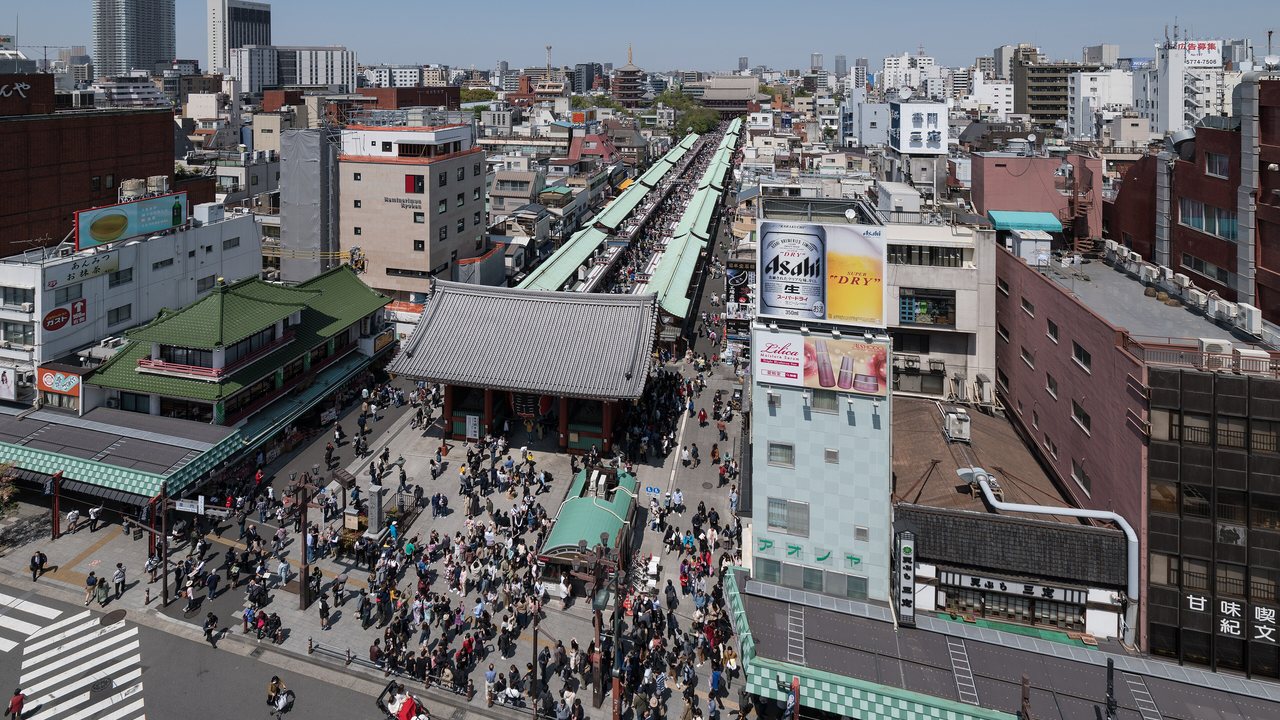
 Visit official site ↗
 Visit official site ↗
 Visit official site ↗
 Visit official site ↗
 Visit official site ↗
 Visit official site ↗
 Visit official site ↗
 Visit official site ↗
 Visit official site ↗
 Visit official site ↗
 Visit official site ↗
 Visit official site ↗
 Visit official site ↗
 Visit official site ↗
 Visit official site ↗
 Visit official site ↗
 Visit official site ↗
 Visit official site ↗
 Visit official site ↗
 Visit official site ↗
 Visit official site ↗
 Visit official site ↗
 Visit official site ↗
 Visit official site ↗
 Visit official site ↗
 Visit official site ↗
 Visit official site ↗
 Visit official site ↗
 Visit official site ↗
 Visit official site ↗
 Visit official site ↗
 Visit official site ↗
 Visit official site ↗
 Visit official site ↗
 Visit official site ↗
 Visit official site ↗
 Visit official site ↗
 Visit official site ↗
 Visit official site ↗
 Visit official site ↗
 Visit official site ↗
 Visit official site ↗
 Visit official site ↗
 Visit official site ↗
 Visit Instagram ↗
 Visit official site ↗
 Visit official site ↗
 Visit official site ↗
 Open city/visitor reference ↗
 Visit official site ↗
 Visit official site ↗
 Visit official site ↗
 Visit official site ↗
 Visit official site ↗
 Visit official site ↗
 Visit official site ↗
 Visit official site ↗
 Visit official site ↗
 Visit official site ↗
 Visit official site ↗
 Visit official site ↗
 Visit official site ↗
 Visit official site ↗
 Visit official site ↗
 Visit official site ↗
 Visit official site ↗
 Visit official site ↗
 Visit official site ↗
 Visit official site ↗
 Visit official site ↗
 Visit official site ↗
 Visit official site ↗
 Visit official site ↗
 Visit official site ↗
 Visit official site ↗
 Visit official site ↗
 Visit official site ↗
 Visit official site ↗
 Visit official site ↗
 Visit official site ↗
 Visit official site ↗
 Visit official site ↗
 Visit official site ↗
 Visit official site ↗
 Visit official site ↗
 Visit official site ↗
 Visit official site ↗
 Visit official site ↗
 Visit official site ↗
 Visit official site ↗
 Visit official site ↗
 Visit official site ↗
 Visit official site ↗
 Visit official site ↗
 Visit official site ↗
 Visit official site ↗
 Visit official site ↗
 Visit official site ↗
 Visit official site ↗
 Visit official site ↗
 Visit official site ↗
 Visit official site ↗
 Visit official site ↗
 Visit official site ↗
 Visit official site ↗
 Visit official site ↗
 Visit official site ↗
 Visit official site ↗
 Visit official site ↗
 Visit official site ↗
 Visit official site ↗
 Visit official site ↗
 Visit official site ↗
 Visit official site ↗
 Visit official site ↗
 Visit official site ↗
 Visit official site ↗
 Visit official site ↗