Dominique Ansel trained eight years at Fauchon before becoming pastry chef at Daniel Boulud's Daniel in New York in 2006. On May 10, 2013, at his own Soho bakery he introduced the Cronut, a laminated dough proofed then fried in grapeseed oil; TIME named it one of that year's 25 best inventions.
Best for The original Cronut, invented here in Soho on May 10, 2013.
Dominique Ansel was born in 1978 in Beauvais, north of Paris, and started working in a restaurant kitchen at 16 to help support his family. He spent eight years at the Paris pâtisserie Fauchon before moving to New York in 2006 to become pastry chef at Daniel, Daniel Boulud's flagship restaurant.
On May 10, 2013 — Mother's Day — Ansel introduced the Cronut at his own bakery in SoHo: a croissant-doughnut hybrid built from a proprietary laminated dough that's proofed, then fried in grapeseed oil. It took him two months of development to land on the recipe, and the pastry went viral almost immediately, drawing lines around the block. TIME named it one of the year's 25 best inventions of 2013.
Ansel has since built a small network of NYC concepts around the original SoHo bakery, including the Dominique Ansel Workshop croissant café in Flatiron and Papa d'Amour, a newer shop built around Asian bread culture; he has also been named World's Best Pastry Chef by the World's 50 Best Restaurants organization.
A New York perfumery founded in 2006 by Fabrice Penot and Eddie Roschi; each fragrance is hand-blended and freshly labeled in-store. Its Santal 33, developed by perfumer Frank Voelkl, launched in 2011 after debuting as a 2006 candle and room spray.
Best for Santal 33 and lab minimalism.
Le Labo opened in a deliberately raw space in Manhattan's Nolita in 2006 with a pharmacy-counter conceit: fragrances mixed to order at the lab bench, hand-labeled with the client's name and date, in bottles styled like laboratory supplies. The names are formulas — Santal 33, Rose 31, Bergamote 22 — counting the ingredients in each composition. Santal 33 became a genuine cultural phenomenon, the scent of a certain creative-class decade, recognizable in cities worldwide. The house grinds against perfumery's conventions on purpose: no celebrity campaigns, city-exclusive scents sold only in their home cities, interiors of reclaimed wood and exposed brick. The freshness ritual is real — bottles are compounded when ordered. Santal 33 is the famous door in; Another 13 and Thé Noir 29 are where regulars land. The personalized label remains the best souvenir in niche perfumery.
Ask for the personalized label even on a standard bottle — the compounding-to-order is genuine, and the dated label is the house's best ritual.
American clothier founded in 1818 and associated with the ready-made suit and the polo button-down collar. May 2025: house opened a 10,000 sq ft global flagship at 195 Broadway, returning downtown near the 1818 Catherine-and-Cherry origin after leaving 346 Madison.
Madison Avenue’s dandy since 1938 — the sharper, wittier cousin of Ivy; Phineas Cole upstairs for the brave. The NYC flagship has remained on the same Madison Avenue and 45th Street corner since the 7 March 1938 opening.
Fifth Avenue’s temple since 1901 — nine floors on the old Vanderbilt mansion plot; the shoe salon has its own zip code, the seventh-floor windows their own cult.
Best for American luxury at full altitude
Herman Bergdorf's tailoring shop, joined and soon led by Edwin Goodman, evolved into the store that has anchored the corner of Fifth Avenue and 58th Street since 1928, on the site of a Vanderbilt mansion — a single-location institution that never franchised its mystique. Bergdorf's is American luxury's editing room: the designer floors and the shoe salon are industry references, the seventh-floor home and gift floor a cabinet of curiosities, and the men's store across the avenue a complete world of its own. The violet-grey boxes and the windows — especially the holiday windows, an annual Manhattan pilgrimage — carry the store's identity. BG Restaurant overlooks Central Park from the seventh floor through Kelly Wearstler interiors. It remains the American department store most worth visiting purely for point of view: one corner, one store, total conviction.
See the holiday windows at night when the avenue empties, and take tea at BG overlooking the park — the seventh floor is the store's best-kept ritual.
New York’s blue-box jeweler since 1837 — the Tiffany Setting, Elsa Peretti and Schlumberger under LVMH stewardship. The Fifth Avenue store, open on this corner since 1940, reopened in April 2023 as The Landmark after the LVMH-era renovation.
Best for Blue-box classics.
The blue box precedes the jewelry. Charles Lewis Tiffany opened his New York store in 1837 and spent the century turning American retail into theater: the first retail catalogue, the acquisition of the French Crown Jewels in 1887 that earned him the nickname "King of Diamonds," and the six-prong Tiffany Setting of 1886, which lifted the diamond off the band and became the default grammar of the engagement ring worldwide.
The house's design history is unusually deep for a jeweler its size — Jean Schlumberger's enameled fantasies (Jackie Kennedy's bracelets), Elsa Peretti's Bone cuff and Open Heart, Paloma Picasso's graffiti. Audrey Hepburn at the Fifth Avenue window in 1961 fixed the brand in cinema permanently.
Under LVMH since 2021, the maison has been polished hard — the Landmark flagship on Fifth Avenue rebuilt as a ten-floor museum of itself. The robin's-egg blue, trademarked as a color, remains the point: no other house is identified that completely by a shade.
Family-run sporting goods store founded 1908 by Philip Blank near Union Square at 867 Broadway; now run by the fourth generation, stocking gear across skiing, fishing, hunting, baseball, and more.
Best for NYC sporting goods institution
Paragon Sports was founded in 1908 by Philip Blank as a general sporting goods store in Manhattan; it remains at 867 Broadway, just north of Union Square. After World War II, Blank's three sons joined the business and expanded it into new categories based on their own interests, adding fishing, hunting, skiing, golf, baseball, and basketball departments over time. The store has stayed family-owned through four generations and is now run by Blank's descendants, having outlasted major department store closures and the growth of online sporting-goods retail. In 2026 it was voted the nation's top sporting goods retailer in the USA Today Sports Readers' Choice Awards.
Brooklyn's jewel box since 2004 — Rony Vardi's Bedford Avenue shop turned American fine jewelry inside out: tiny stacking rings, first-piercing ceremonies, solid gold made in its own Brooklyn studio from recycled metal. The whisper-thin Threadbare ring launched a thousand imitators.
Best for Delicate solid-gold stacking pieces from the Brooklyn original.
New York denim label founded in 2003 by Andrew Chen and Johan Lam; introduced its first jeans, the SL-100x, in 2008 using custom 14.5oz selvedge fabric woven by Kuroki Mills in Okayama, Japan. Flagship store in Nolita.
Best for Exclusive Kuroki, limited, experimental, premium tier.
3sixteen was founded in New York in 2003 by Andrew Chen and Johan Lam, who started out screen-printing graphic T-shirts and pitching mock-ups to the city's streetwear shops before shifting toward a minimal, utilitarian direction. Their denim line began in earnest in 2008 with the SL-100x, cut from a 14.5oz selvedge fabric the pair developed with Kuroki Mills in Okayama, Japan — a partnership that has continued through later releases. The brand's name references the Bible verse John 3:16, and Chen and Lam have described their guiding idea as making garments meant to age and wear in rather than be replaced. Two decades in, 3sixteen still operates as an independent, founder-run label, running its flagship out of Nolita and continuing to work directly with Japanese mills for its raw denim rather than relying on domestic or import fabric jobbers.
New York menswear label founded 2016 by Emily Adams Bode (now Bode Aujla), built around one-of-a-kind garments made from antique quilts, vintage bed linens and grain sacks; first woman to show at New York Fashion Week: Men's, 2018.
Best for Vintage patchwork, quilts
Bode was launched in New York in 2016 by Atlanta-born designer Emily Adams Bode, a Parsons/Eugene Lang graduate in menswear design and philosophy. The label is defined by its use of globally sourced antique textiles - New England quilts, 1920s French bed linens, southeastern-U.S. grain sacks - reworked using historical techniques such as quilting, mending, patchwork, sashiko, boro and applique. In 2018 Bode became the first female designer to present at New York Fashion Week: Men's; in June 2019 she staged her first runway show at Paris Fashion Week Men's. The brand sells direct-to-consumer and through roughly 30 brick-and-mortar retailers worldwide, and launched a womenswear line in 2023.
Sarah McNally opened the original Prince Street shop in December 2004. Five stores later, it still runs its own publishing imprint, McNally Editions.
Best for Books and staff recommendations at the SoHo branch
Sarah McNally opened the first McNally Jackson Books on Prince Street in SoHo in December 2004, building the store around curated, staff-driven selection rather than a big-box inventory model — the kind of shop where a "Staff Picks" shelf carries real weight in what sells. The approach scaled further than most independent bookstores manage: McNally Jackson now runs five locations across the city — SoHo, Williamsburg, Seaport, Downtown Brooklyn, and Rockefeller Center — each keeping its own curated sections rather than a single centralized buying list.
The store also publishes under its own imprint, McNally Editions, putting the bookstore on the other side of the business it's spent two decades curating for. Signed copies, a Reader Rewards program, and dedicated kids' and YA sections round out a format built less around volume than around the idea that a bookstore's judgment — what it chooses to stock and promote — is itself the product.
The Museum of Modern Art's design store is the reference point for the whole category — objects vetted by curators, from Eames to the newest Japanese stationery. Design retail as an extension of the collection.
A food hall and shopping destination in a former Nabisco factory — the birthplace of the Oreo, now home to vendors, restaurants, and the Food Network studios.
Best for Food hall browsing, artisan vendors, and the historic factory setting.
Denim brand founded in Brooklyn in 1998 by Christian McCann; opened its first storefront in 2013 in a former Ridgewood, Queens sweater factory; makes 100%-American-made selvedge denim from US, Japanese and Italian fabric.
Best for NYC workwear, Cone Mills
Left Field NYC was created by Christian McCann, who grew up in Philadelphia developing an interest in American vintage through flea markets and thrift stores before working briefly at Anthropologie and then moving to Brooklyn. He founded the brand there in 1998, building it initially as a design and production operation without a retail storefront. Fifteen years later, in 2013, McCann opened Left Field's first physical shop in an old sweater factory in Ridgewood, Queens. The label is known for raw selvedge denim and workwear made entirely in the United States: McCann keeps manufacturing domestic and sources fabric from mills in the US, Japan and Italy rather than importing finished goods. It is frequently cited in menswear and denim press as one of the earlier independent labels in the American-made denim revival that took hold in the 2000s and 2010s.
New York denim label founded in 2008 by husband-and-wife team Faisal and Maliha Ahmed. A family-owned, vertically integrated operation built around its patented XFIT Lycra stretch fabric, with a stated focus on reduced-water-use production and named a Fast Company Most Innovative Company in 2023.
Best for Waterless-production denim with 360-stretch engineering from a New York family mill
DL1961 was founded in New York in 2008 by Faisal and Maliha Ahmed. The company describes itself as family-owned and vertically integrated. Its core technical claim is XFIT Lycra, a patented stretch-denim fabric developed to help jeans hold their shape and fit over time; the brand has also promoted lower-water-use manufacturing processes. DL1961 sells womenswear, menswear and kids' denim. In 2023, Fast Company named DL1961 one of its Most Innovative Companies.
USA-made line through Huckberry featuring the 10-Year Hoodie guarantee, heavyweight fleece sweatshirts, and waxed truckers with American manufacturing.
Best for USA-made basics, denim
Flint and Tinder is Huckberry's USA-made collection, launched in 2016, offering durable everyday clothing built to last. The flagship product is the 10-Year Hoodie, a heavyweight 13.45-ounce fleece sweatshirt based on Champion's century-old design, guaranteed for ten years of wear. The design features a center-stitched hood with drawstring, kangaroo pocket, ribbed side panels, and elastic cuffs and waist. Recent updates include the 10-Year Pullover Hoodie 2.0, which features a boxier shoulder and wider fit in the body. The line also includes full-zip hoodie options, waxed truckers, and other everyday essentials, all manufactured in the United States. Products are available in standard and tall sizes with various color options.
New York–British hybrid fashion since 2002—rag & bone merges Manhattan directness with inherited British tailoring and craftsman-sourced manufacturing.
Best for Denim, tailored; British-NY fusion; Premium basics
rag & bone was founded in New York in 2002, positioning itself at the intersection of British sartorial heritage and American directness. The brand distinguishes itself through a design philosophy that draws on New York's cultural pulse while honouring the tailoring traditions embedded in its name. rag & bone's approach emphasizes timeless, inherently wearable garments that escape fashion-cycle pressure—combining classic proportions with an understated, edgy aesthetic that reflects downtown New York sensibility. The label has earned significant industry recognition: in 2007, it won the Swarovski Award for emerging talent in menswear, and in 2010, the Council of Fashion Designers of America (CFDA) named it Menswear Designer of the Year. The brand commits to working with skilled local manufacturers at some of the oldest factories in the United States, reflecting a deliberate choice to maintain domestic production relationships and access established craft. rag & bone operates 35 stores globally, with ten located in New York City and international presence in London, Tokyo, Bangkok, Taipei, and Hong Kong, positioning itself as a bridge between American innovation and inherited European tailoring practice.
16A Orchard Street, Lower East Side, New York / Online
Founded by Karl Bradl and Robert Gerstner in New York’s West Village in 1995, Aedes was created as a perfumery dedicated to exclusive, artisanal scents and became an early destination for hard-to-find niche fragrance. Since 2018 it has operated at 16A Orchard Street on the Lower East Side, carrying perfume, incense, candles, home fragrance and body products.
Best for Niche perfume, incense, candles, and specialist home fragrance
Catherine Holstein founded Khaite in New York in 2016 and named it from the Greek for "long, flowing hair" — a hint that the minimalism would be sensual, not severe.
Best for Catherine Holstein's cashmere bras, sculptural denim, and quiet-luxury pieces
Catherine Holstein founded Khaite in New York in 2016 and named it from the Greek for "long, flowing hair" — a hint that the minimalism would be sensual, not severe. The breakthrough was a cashmere bra: Katie Holmes photographed on a SoHo curb in Khaite's bra-and-cardigan set in 2019 crashed the website and announced a new American proposition — quiet luxury with an undertow.
The house built out from that tension: sculptural denim with 1970s hips, leather trenches, the Danielle jean, and hardware-heavy bags — the Elena, the Olivia — that furnish the look without shouting. Holstein's references run to American photographers and 90s minimalists, cut with an appetite the originals rationed.
The CFDA named her American Womenswear Designer of the Year twice running (2022, 2023), and the Mercer Street flagship gave the brand a home as considered as the clothes — travertine, oak, gallery light. Khaite is New York's current answer to The Row's whisper: minimalism, but with blood in it.
New York fashion label founded in 2002 by Parsons classmates Jack McCollough and Lazaro Hernandez, who combined their mothers' maiden names for the brand and sold their senior thesis collection to Barneys before opening a Madison Avenue store in 2012.
Best for The PS1 satchel and downtown intellectual polish from New York's art-fashion duo
Jack McCollough and Lazaro Hernandez met at Parsons, merged their senior thesis into one collection, and sold it entire to Barneys — the founding legend of Proenza Schouler, named for their mothers' maiden names, launched 2002 and crowned almost immediately: inaugural winners of the CFDA/Vogue Fashion Fund in 2004. They became New York fashion's definitive art-school success: the PS1 satchel (2008) was the it-bag American design had been waiting for — the Madison Avenue flagship followed in 2012 — and the mainline's printed silks, sculpted knits and gallery-adjacent references made them the Whitney crowd's house label.
For two decades the duo carried downtown's flag — CFDA awards in multiples, a White House state-dinner dress for Dr. Biden, collections that treated Ellsworth Kelly and Judd as moodboard peers. In January 2025 they stepped down from their own label, and by April were installed as creative directors of Loewe, succeeding Jonathan Anderson — the biggest European posting ever handed to American designers of their generation.
Proenza Schouler continues under new creative leadership with the founders' codes intact: intellectual polish, prints with provenance, New York arguing it belongs in Paris.
American luxury designer — grunge meets glamour, the Snapshot bag, and a career that defined 1990s fashion. The most influential American designer of his generation.
Best for Snapshot bags and American grunge-glamour
New York menswear artisans — soft-shoulder chore coats, chinos, custom suiting and factory-direct trouser programs.
Best for Knit polos, trousers, jackets
Epaulet Brand is a New York-based menswear specialist focused on tailored and artisanal clothing construction. The brand operates primarily as an e-commerce retailer offering both ready-to-wear in-stock items—chore coats, chinos, jeans, shirts, pants, bags and accessories—and custom clothing services for suits, sportcoats, trousers, overcoats and custom shirts produced through partnerships with manufacturers in the United States and Europe. Epaulet is particularly known for soft-shoulder construction techniques and use of premium cloth from suppliers like Loro Piana. The brand emphasizes quality craftsmanship and offers direct purchasing programs allowing customers to commission custom trousers and other tailored pieces. Epaulet positions itself within the contemporary menswear movement prioritizing construction quality and material selection over mass production.
NYC Soho pioneer 1994 — curated menswear and womenswear, reverse-seam signature shirt, first US carrier of Acne and Maison Kitsuné.
Best for Refined shirting, casual
Steven Alan opened his namesake store in Manhattan's Soho neighborhood in 1994, becoming known for an exceptional curatorial eye that identified emerging fashion talent. In 1999, Alan launched his first collection, anchored by the 'Reverse Seam Shirt', which became a cult signature piece distinguished by twisted plackets and external seams—details reflecting Alan's obsessive approach to fabric and construction. The brand expanded through a dedicated showroom opened in 1996 and built a loyal following through tailored basics for both men and women grounded in idiosyncratic design choices. Steven Alan was the first US retailer to carry Acne Studios, Maison Kitsuné, Engineered Garments and Mansur Gavriel, establishing the store as a discovery point for refined international design. The company's multi-brand approach and commitment to quality essentials positioned it as a pioneer of the Soho retail scene during the 1990s indie retail expansion.
New York streetwear label founded in 2006/2007 by childhood friends Micah Belamarich and Julian Goldstein; built its identity around NYC Parks Department iconography and later became an official apparel partner to NYC Parks, Sanitation and the MTA.
Best for Minimal street polos
Only NY was founded at the close of 2006 by Micah Belamarich, then a graphic design student at the Fashion Institute of Technology, and his high-school friend Julian Goldstein. Digging through New York City's graphic archives, the pair gravitated toward the Parks Department's iconography, and have released seasonal NYC Parks capsule collections ever since. The brand opened a flagship store on the Lower East Side and grew from an independent streetwear-adjacent label into an official design partner for New York City agencies, producing apparel for the Department of Parks and Recreation, the Department of Sanitation and the MTA.
John Derian Company has made decoupage by hand in New York since 1989, pasting 18th and 19th century prints onto glass plates and trays. The first shop opened in 1995 on East 2nd Street in the East Village, where three stores now stand. Collaborations include Astier de Villatte ceramics and Designers Guild fabrics.
Best for Vintage prints and botanical illustrations
John Derian Company was established in 1989, a few years after John Derian began a one-man decoupage business in Boston. He moved to New York in the early 1990s and hired a team of artisans as orders grew. His first shop opened in 1995 on East 2nd Street in the East Village. That quiet block became his creative hub. The company now runs three shops there at numbers 6, 8 and 10, with a seasonal store in Provincetown, Massachusetts. The decoupage is still made by hand in the New York studio by a small staff of artisans. They cut and paste imagery from Derian's collection of 18th and 19th century prints and lithographs onto glass plates and trays, with bowls and paperweights. In 2009 he added postcards, gift tags and tote bags to complement the decoupage line. Since 2011 his imagery has appeared on the white tableware of Astier de Villatte, and since 2018 on fabrics and wallpapers made with Designers Guild. A collaboration with Target began in 2010. One with Artisan Papergoods in 2020 brought puzzles and notebooks, with notepads. A candle with LAFCO New York followed in 2018. The shops also carry holiday objects from Ino Schaller, a German family business founded in 1894. A wall calendar marks each month with blooms from the print archive.
Proper Cloth covers shirts, casual trousers and tailoring under its fit guarantee. If the first result is wrong, customers can request a free remake in another size, fabric or style rather than settle for alterations alone.
American custom shirtmaker — online configurator with one-piece collar as a standard option. Made-to-measure and custom fits.
Best for American custom one-piece collar shirts
Blank Label was founded in Boston in 2008 by Danny Wong, Zeeshan Sheikh and Fan Bi, then a Babson College student who left school in 2009 to build the company full time. It launched as an online-only custom-shirt maker, letting customers configure fit, fabric and details, collar style, plackets, monograms, through a web-based tool rather than a traditional made-to-measure appointment. The founders initially pitched the brand at a young, style-forward customer, but usage data showed their actual buyers skewed toward white-collar professionals in their late thirties, and the company repositioned around that clientele.
To address the limits of a purely digital fitting process, Blank Label opened its first physical "pattern room" in Boston in 2013, giving customers an in-person fitting that fed back into their saved online pattern for future orders. The company later expanded from shirts into custom suits and other made-to-order menswear, continuing to operate primarily through its online configurator backed by physical fitting locations.
In January 2024, Blank Label's run as an independent brand ended: it merged with Black Lapel and Ratio Clothing, folding into the Black Lapel brand as part of a stated combination of "over 50 years of collective expertise" in custom clothing. Former Blank Label customer accounts were migrated to Black Lapel's platform.
Kent Wang is a menswear brand that began with hand-sewn pocket squares in 2007. The collection has expanded to suits and accessories, including sunglasses and cufflinks. Its direct-to-customer approach centres on classic designs without visible branding, making the website a starting point for comparing the range.
Best for Classic menswear and accessories without prominent branding
Kent Wang is a company of three people making classic menswear at reasonable prices. The founder is candid about how it started. In 2007 he could not find the hand-sewn pocket squares he wanted in any local shop, so he made them himself.
It has since expanded into every corner of menswear, from suits to sunglasses, on the same principle he began with, which is to make the things he would want to wear himself.
The pricing policy is the part worth knowing before you buy. There are no sales and no discounts. The argument is that one low price for everyone at all times is more honest than inflating a retail figure so it can be marked down later.
There are no limited editions and no limited-time offers either, so a good product stays available and can still be bought years afterwards. The same plainness runs through the catalogue. Nothing carries an invented colour name, and a captoe balmoral is called a captoe balmoral on the reasoning that it tells a buyer more than a street name would.
Ivy League clothier founded in 1902 near Yale's campus by Jacobi Press, credited with popularizing the natural-shoulder 'sack suit' and Shaggy Dog shetland sweater. NYC flagship sits by the Yale Club at 51 E 44th St; second shop at 501 Madison Ave.
Best for True Ivy oxford shirts.
J. Press was founded in 1902 in New Haven, Connecticut, by Jacobi Press, a Latvian immigrant who partnered with local tailor Herman Goldbaum to open a shop serving Yale's undergraduates. The company became closely associated with the 'Ivy League look' - natural-shoulder, undarted sack suits, Harris Tweed jackets, flap-pocket oxford shirts, and reversible balmacaan coats. By the 1920s the shop's reputation extended to cultural figures including Cary Grant and Duke Ellington. J. Press also built a second life in Japan: its clothing appeared in the 1965 photo book 'Take Ivy,' fueling a decades-long 'Ametora' fashion obsession there. In New York, the brand's flagship operates at 51 East 44th Street, across from Grand Central Terminal, with a second shop at 501 Madison Avenue.
Wythe makes menswear drawing on American sportswear, including oxford shirts and denim shirts with pearl-snap fastenings. Peter Middleton launched the label before its first physical shop opened on Orchard Street in 2023. Some overcoats use Donegal tweed and are made in New York, a product-specific statement rather than a collection-wide origin.
Best for Americana-inspired shirts and outerwear in New York
Wythe began with Peter Middleton's interest in familiar American garments, including oxford shirts and denim pearl snaps. The label's account describes looking back at older examples of those clothes while developing its own versions. Shirts and sweatshirts therefore provide a practical starting point for understanding the range beyond its general Americana references.
The business first traded online before opening a physical shop at 59 Orchard Street in 2023. That opening gave the label a New York retail address where its own collection could be presented together. Earlier reporting on the company concerns its launch period and the difficulties of building the business during that time.
Outerwear adds another strand to the collection, including overcoats made in New York's Garment District from custom Donegal tweeds. The weaving and garment-making locations describe different stages of production, rather than competing claims about one place. They also apply to those coats, not automatically to every shirt or accessory sold by the brand. A purchase should therefore be considered at the level of the particular garment and its stated construction.
B&H Photo Video has served photographers and filmmakers from its Manhattan SuperStore since 1973. The 9th Avenue store and its deep online catalog cover cameras, lenses, pro audio, lighting and computers.
Best for Camera store, electronics, photography, pro audio
Coming Soon mixes vintage furniture with contemporary pieces intended as future collectibles, plus smaller gifts for compact budgets. Same-day pickup is often possible, while furniture sales are final and sold as-is.
Best for Playful home objects, including vibrant glassware, quirky ceramics, sculptural candles and lighting
The Met Store sells jewelry, scarves, tableware, and custom prints inspired by the five-thousand-year collection spanning all of The Met's locations, including The Cloisters. Current collections include Black History Month exhibition tie-ins featuring artists like Jacob Lawrence and Faith Ringgold, alongside a dedicated kids' line.
American luxury since 1941 — leather goods, modern accessories, and lifestyle collections. The accessible entry point into American luxury craftsmanship.
Best for American leather goods and accessible luxury
American accessible luxury — jet-set style, the Hamilton bag, and a lifestyle brand that defined 2010s luxury democratization. From Project Runway to global empire.
Cole Haan combines dress-shoe shapes with lightweight cushioning and flexible soles borrowed from trainers. The wider range includes loafers, boots and casual footwear, so intended use matters when comparing models.
The rakish 2005-born line of Northampton shoemaker Barker (est. 1880) — benchmade Goodyear-welted English shoes with the 17th Lancers skull-and-crossbones brogued into the toe.
Best for Benchmade English shoes with a subversive streak.
Dickson's Farmstand Meats has operated a butcher counter inside Chelsea Market since Jake Dickson opened it in 2009, in the same shed as the High Line's tourist traffic but built on a much older discipline: nose-to-tail use of whole animals bought from small family farms in upstate New York.
Best for Whole-animal cuts and house-made charcuterie from a working nose-to-tail butcher
Dickson's Farmstand Meats has operated a butcher counter inside Chelsea Market since Jake Dickson opened it in 2009, in the same shed as the High Line's tourist traffic but built on a much older discipline: nose-to-tail use of whole animals bought from small family farms in upstate New York. The shop describes its own standard as sourcing beef, pork, lamb, and poultry raised without added hormones, prophylactic antibiotics, or feedlot systems, and states plainly that it strives to "use every part of every animal."
What sets Dickson's apart from a simple meat counter is that its charcuterie is not a side product bought in from elsewhere — the pates, sausages, and cured items sold at the case are made from the same carcasses the shop breaks down for its retail chops and steaks, so the charcuterie case and the meat case are two outputs of one whole-animal operation rather than two separate businesses under one roof. The counter itself is open to walk-in customers daily from 10am to 8:30pm, with a side entrance at 435 West 15th Street that locals use to skip the Chelsea Market crowds.
A restaurant and wine bar operate alongside the retail counter, and the shop runs its own butchery and sausage-making classes, but the core of the business remains a working meat counter selling cuts and house-made charcuterie to take home, not a menu built around a nose-to-tail concept. Best suited to travelers who want to see a genuine big-city whole-animal butcher in action rather than a boutique reproduction of one.
Sisters Haley and Lauren Fox opened Alice's Tea Cup on West 73rd Street in 2001, building an Alice in Wonderland-themed tea room around a menu of hundreds of tea varieties alongside scones and tea sandwiches.
Best for Alice in Wonderland-themed afternoon tea service with scones and tea
Sisters Haley and Lauren Fox opened Alice's Tea Cup on West 73rd Street in 2001, building an Alice in Wonderland-themed tea room around a menu of hundreds of tea varieties alongside scones and tea sandwiches. The whimsical framing — the shop's own marketing calls it "New York City's most whimsical tea house" — extends down to small touches like fairy dust on the scones, rather than being a costume dropped over a standard tea menu.
The original 73rd Street location, referred to on the site as "Chapter I," still anchors the business, which now also handles private events, catering, and online ordering alongside its dine-in tea service.
A quarter-century in, Alice's Tea Cup remains a sisters-run Upper West Side fixture built on the specific, sustained bit of Wonderland theming that set it apart from New York's more conventional tea rooms when it opened.
Named for Edgar Allan Poe, who lived nearby on West 84th Street in the 1840s. The Amsterdam Avenue café is the sole survivor after its original location closed in 2011.
Best for Upper West Side café fare near Edgar Allan Poe’s former neighborhood
Edgar's Cafe takes its name from Edgar Allan Poe, who lived on West 84th Street between March 1844 and August 1845 — a stretch of the block once informally known as Edgar Allan Poe Street. The café originally operated two locations at once: the primary shop at 255 West 84th Street and a second outpost on Amsterdam Avenue. The 84th Street original closed around 2011, reportedly a casualty of the lease, after roughly two decades in business.
The Amsterdam Avenue location survived and is now the only Edgar's left, carrying the Poe theme forward inside a gothic Italian-inspired room — high arched ceilings, dim lighting, a look that leans into the literary reference rather than treating it as a name only. It's a small, specific kind of neighborhood landmark: a café that outlived its own flagship and kept the theme intact, on a stretch of the Upper West Side where Poe himself once rented rooms.
Founded in 2004 by Ensar Gül as Oriscent in New York, Ensar Oud sources wild agarwood directly from forests in Burma, Borneo, Thailand, Malaysia, Vietnam and Cambodia, distilling it into pure oud oils, attars and wearable perfumes.
Best for Founded in 2004 by Ensar Gül as Oriscent in New York
Ensar Oud was founded in 2004 by Ensar Gül, who started the business in New York under the name Oriscent before building it into what's now widely regarded as one of the most exacting Western-run oud houses. Gül's approach was to go past the trading houses that supply most perfumers and follow agarwood into the forests themselves, working across Burma, Borneo, Thailand, Malaysia, Vietnam and Cambodia over two decades of fieldwork. That search has narrowed as wild oud has become harder to find — most of Indochina's old-growth agarwood has been harvested out — pushing sourcing toward the remaining wild stands in Assam, Borneo and Papua, where century-old trees still stand. The company distills and blends what it finds into pure oud oils, traditional attars, and a line of wearable perfumes (EO Perfumes), alongside oud wood and incense sold directly to customers who track distillation batches and origin much as whisky drinkers track cask numbers. The pitch is deliberately not about consistency — Ensar Oud says outright that what ends up in a given bottle won't be repeated — which runs against how most fragrance brands operate, but matches how genuinely wild, batch-variable agarwood behaves. It's a house built on a founder's personal fieldwork rather than a fixed formula, with oud oils, attars, and rare aged agarwood as its core business.
A New York hat store, open since 1911, JJ Hat Center sells fedoras, flat caps, Panamas and beanies from its Fifth Avenue shop. Heritage brands like Borsalino and Stetson sit alongside its own JJ Hats line, with worldwide shipping through the online store.
Common Projects is known for minimalist leather sneakers marked with small gold serial numbers. The Achilles Low remains the reference model, while colour, leather and sole variation distinguish seasonal releases.
At 812 Broadway in Manhattan, Flight Club's flagship store has been a hub for sneaker collectors since 2005, dealing in rare and exclusive releases from Air Jordan, Nike, and Adidas. The shop also runs a consignment desk with its own daily hours for sellers looking to trade in pairs.
New York retailer and label founded by Ronnie Fieg, combining sneakers, streetwear, in-house collections and frequent collaborations across fashion, footwear and lifestyle.
Best for Sneakers, streetwear, collaborations, and Kith’s own collections
New York menswear built around made-in-USA production, USA-grown fabrics and an in-house tailor shop, linking American materials with local cutting and finishing.
Corridor is the independent New York label Dan Snyder started in 2013 while sewing in the Garment District. It makes original textiles and clothing shaped by folk Americana, produced with family-run workshops, and covers shirts, knitwear, outerwear, footwear. Four shops trade in New York, including 245 Elizabeth Street in Nolita, with three more in Los Angeles. Design stays in Brooklyn, where the brand is based.
Best for Original textiles, shirts and knitwear designed in Brooklyn
Corridor began in 2013, when Dan Snyder was sewing in the Garment District and working out of a walk-up apartment in the East Village. The name comes from the Northeast Corridor bus line he rode at the time. The label describes itself as Brooklyn based and independent, drawing on folk Americana, and it makes original textiles rather than buying finished cloth. Production runs through family-run workshops in several countries, which the brand names as a deliberate choice rather than a sourcing note. The collection covers shirts, knitwear, outerwear, sweats, trousers, footwear. Accessories and a small homeware line sit alongside. Corridor also keeps a bookshelf section, which reads as an extension of the same interests in art and music. Seven shops are listed. Four sit in New York, at 245 Elizabeth Street in Nolita, 165 Dekalb Avenue in Fort Greene, 322 Bleecker Street in the West Village and 145 Wythe Avenue in Williamsburg. Three more are in Los Angeles, on North Larchmont Boulevard, California Avenue in Venice and Echo Park Avenue. Appointments can be booked at each address, and the brand still lists its design work as happening in Brooklyn.
Ernest Alexander makes canvas and leather bags, briefcases and small accessories with understated American styling. Construction and material are central to the appeal, though current manufacturing claims should be checked by product.
Toronto-founded (1985) menswear-and-womenswear brand later owned by Ralph Lauren (1999-2021); sold to private-equity firm Regent LP in 2021. Known for a Fifth Avenue New York flagship among its multi-country store network.
Best for Modern essentials, tailored
Club Monaco was founded in Toronto in 1985 by Joe Mimran and Alfred Sung, building a reputation for pared-back, minimalist basics - cotton knits, tailored trousers, cashmere - at a step below full luxury pricing. Ralph Lauren Corporation acquired the brand in 1999 and expanded it into the United States, Europe and Asia, opening a flagship on Fifth Avenue in New York that for years combined clothing with a Strand Books outpost and a cafe. In May 2021, Ralph Lauren sold Club Monaco to Los Angeles private-equity firm Regent LP; the brand brought on a new creative director in September 2022 as part of a relaunch focused on returning to its original quality-and-simplicity positioning. Club Monaco now operates as a standalone company under Regent, with stores across North America and licensed operations elsewhere.
Founded 1981 in New York by Caracas-born designer Carolina Herrera; known for eveningwear and the Good Girl fragrance line; acquired by Spain's Puig in 2011, still headquartered in New York.
Best for Polished eveningwear and the Good Girl fragrance.
Carolina Herrera was born Maria Carolina Josefina Pacanins y Nino in Caracas, Venezuela, in 1939, into a family with ties to the city's civic elite. After early work as a publicist for Emilio Pucci in Caracas and a period of social prominence in Venezuelan and later New York circles, she moved to New York in 1980 at age forty and, encouraged by Vogue's Diana Vreeland, launched her own collection in 1981, debuting at Manhattan's Metropolitan Club. A Park Avenue boutique, Martha's, put her clothes in its windows, and the house built its reputation on structured eveningwear and bridal design - Carolina Herrera personally designed Caroline Kennedy's 1986 wedding dress. The company later expanded into fragrance, most recognizably the Good Girl line, along with accessories and footwear. In 2011 the house was acquired by the Spanish beauty and fashion group Puig. The label remains headquartered in New York.
A Curry Hill landmark since 1944, Kalustyan's crams its Lexington Avenue shelves with spices, dried fruits, lentils, teas and hard-to-find ingredients from around the world. Chefs and home cooks shop in person or order the same rice, peppercorns and simmer sauces online.
A New York coffee institution — ethically sourced beans, expert baristas, and multiple locations serving the city's daily caffeine ritual.
Best for New York coffee, ethically sourced beans, and neighborhood cafés
Joe Coffee Company has been operating in New York for more than 20 years, according to its own site, growing from a single café in the West Village into a citywide chain spanning Flatiron, Brooklyn Heights, Dumbo, Long Island City, and a newer outpost inside the TWA Hotel at JFK Airport. The company roasts its own beans in Long Island City and describes its sourcing as built on "long-term partners" rather than spot-market buying.
Beyond retail, Joe runs a barista training program, wholesale and catering services, and a "Regular Coffee Club" subscription for beans delivered on a schedule. The company also frames part of its identity around a stated equity initiative it calls "Joe Humanity." Two decades on, the throughline from that first West Village café to the JFK terminal location is the same small-roaster model — one roastery in Queens supplying a growing map of neighborhood cafés — rather than a shift toward a single flagship or a nationally distributed retail bag.
La Colombe, "proudly roasted in Philadelphia," built its NYC cafés around the Draft Latte, its self-described "ridiculously frothy, coffee-forward" drink, now sold in seasonal versions like Pumpkin Spice and S'mores.
Best for Draft lattes and Rittenhouse-Square-rooted roasting in Manhattan's laptop-friendly cafes
La Colombe traces back to a friendship formed at a grunge concert in Seattle in the 1980s, between Todd Carmichael and JP Iberti, who bonded over a shared frustration with the quality of coffee available in the US at the time. That conversation eventually became a business: in 1994 the two opened their first La Colombe cafe in Philadelphia's Rittenhouse Square, built around premium roasting rather than the diner-style coffee dominant in America before the third-wave shift. The company grew from that single Philadelphia cafe into roughly thirty cafes and a large wholesale account base nationwide, expanding into New York and other cities while keeping its roasting operation Philadelphia-based. Its most visible innovation came in 2016, when Carmichael introduced a canned draft latte -- nitro-style, poured cold -- that became the company's signature retail product and one of the more widely copied formats in the ready-to-drink coffee category since. In 2015, Chobani founder Hamdi Ulukaya bought a stake in the company, and Chobani later acquired La Colombe outright for roughly $900 million, one of the larger acquisitions in the American specialty coffee industry. The Manhattan cafes carry that history forward: draft lattes on tap, sourced and roasted under the same Philadelphia operation Carmichael and Iberti started three decades ago.
Home of the six-ounce chocolate chip walnut cookie — a crispy exterior giving way to a molten, almost underbaked center that defines the NYC cookie obsession.
Best for Six-ounce chocolate chip walnut cookies with molten centers
Gallery 46 is the exhibition space of the nonprofit Arts Center Lake Placid on Main Street, mounting rotating shows of local and regional artists under the tagline 'Local Art. Local Artists.' Work on display is available for purchase, making it the town's dedicated outlet for homegrown visual art.
Best for Rotating exhibitions and sales of local artists' work
Leila Heller Gallery is a contemporary art gallery with a New York space on East 80th Street and a second location at Alserkal Avenue in Dubai, representing artists working across the Middle East, North Africa, and beyond. Its current program includes a Wassef Boutros-Ghali retrospective and shows by Kevork Mourad and Sultan Bin Fahad.
Best for Middle East and North Africa contemporary art, including a Wassef Boutros-Ghali retrospective
New York lingerie brand founded in 1977 by Gale Epstein and Lida Orzeck, first known for handkerchief-lace sets sold through Lord & Taylor; introduced its original stretch-lace thong in 1986 and remains women-owned today.
Best for New York's one-size stretch-lace thong in every shade, since 1977.
Hanky Panky was founded in New York in 1977 by designer Gale Epstein, a Parsons-trained designer known for repurposing vintage clothing, who made a handmade lingerie set for her friend Lida Orzeck out of embroidered vintage cotton handkerchiefs. The handkerchief-lace pieces caught the attention of retail buyers, and an initial wholesale order of 144 sets from a Lord & Taylor buyer gave the fledgling company its commercial start — and its name.
The brand's signature product came nearly a decade later: in 1986, Epstein, working as Hanky Panky's creative director, designed the original 4811 Rise thong in a stretch lace intended to be effectively imperceptible under clothing. The design became closely associated with the brand, and by 2004 the Wall Street Journal was describing its signature fabric as 'lace butter.'
Hanky Panky has stayed women-owned, with both founders still involved decades after the company's start, and operates a production and shipping facility in the Hollis neighborhood of Queens, New York. The brand now sells in more than 70 countries and has sold tens of millions of units of its thong style over its history.
Lemlem makes ready-to-wear clothing and swimwear that traditional weavers hand-weave in Ethiopia, and it also sells accessories. The brand is certified as a B Corporation for the way it works with its artisan communities.
Founded in 1977 and known locally for decades as the Candy Man, this chocolatier has been run since 1995 by Cortland Forrence, now working alongside his sons Matt and Nate, with a Lake Placid retail shop that opened in 1997 alongside the original Wilmington chocolate factory. They hand-dip pretzels, patties, turtles and nonpareils in small batches, pulling stock in summer when the heat turns against chocolate.
Best for Handmade small-batch chocolates and fudge
North Creek, Adirondacks (Lake George region), New York
Barkeater has made truffles, bark, and caramels by hand in small European-style batches since 2008, naming itself for the Mohawk term describing the Adirondack peaks around North Creek. The maker sells from its own factory store near Gore Mountain and ships its chocolates from the same Southern Adirondack kitchen.
An independent, locally owned and operated bookshop that has served Lake Placid for over 40 years, stocking an extensive run of Adirondack and regional titles alongside children's books and general fiction. It also carries art supplies, filling the town's only combined book-and-art-materials shop.
Best for Adirondack titles, general books and art supplies
Broadway, downtown Saratoga Springs, New York, USA
For around 40 years Impressions of Saratoga has anchored downtown Broadway with gifts and souvenirs, including its exclusive Saratoga Collection keepsakes. Its sister storefront, The Dark Horse Mercantile, carries horse-racing-themed apparel, gifts and home decor.
Best for Local souvenirs and Saratoga-branded gifts
Buffalo Distilling Company is a craft distillery making small-batch spirits in Buffalo, distilling and bottling its own whiskey and other liquors on site. The operation pairs production with a bar and tasting room where visitors sample the house range.
Beach Road has supplied bait, tackle, and fishing licenses out of its Route 9 shop for lake trout, salmon, and bass anglers working the southern basin. The independent shop rounds out its trade with hourly bike rentals and current fishing reports posted for visiting anglers.
Best for Bait, tackle, and fishing licenses for Lake George anglers
Aéropostale sells casual basics, denim, activewear and logo pieces aimed at teenagers and young adults. Frequent promotions and broad sizing make it a value-led mall chain rather than a specialist label.
Best for Teen fashion retail
Aeropostale was established in 1987 as a specialty retailer of casual apparel and accessories. The company identifies young women and men as its core audience. Denim and fashion essentials sit at the centre of the offer. Current navigation separates women's and men's jeans. Clothing and collections make the gendered assortment visible without narrowing the brand to one product. Hoodies and graphic T-shirts sit beside denim as recurring casual categories. The business presents value as part of its positioning, but that should be understood as the company's own market description rather than a quality verdict. Aeropostale now sits within Catalyst Brands, whose portfolio also includes Brooks Brothers, Eddie Bauer, Lucky Brand and Nautica. That ownership context is useful because it places the chain within a wider American apparel group while preserving its youth-focused identity. Aeropostale is a 1987 mall-era retailer built around accessible denim and casual dressing for younger customers, not a technical denim maker or designer-led fashion house.
Bonobos sells menswear through fit-focused trousers, shirts, suits and casual clothing, supported by showroom appointments. Guideshops emphasise trying sizes and ordering rather than carrying every item for immediate take-away.
New York-based fragrance house founded in 2011 by architect and historic preservationist Carlos Huber, who apprenticed under perfumer Rodrigo Flores-Roux. Each scent reconstructs a specific historical date, place and moment rather than a generic theme.
Best for Time-travel compositions.
Arquiste was founded in 2011 by Carlos Huber, an architect and historic preservationist based in New York who had trained and worked restoring historic buildings before turning to perfumery. Huber apprenticed under perfumer Rodrigo Flores-Roux, who was born and raised in Mexico City, studied biology before moving to France in 1989 to train at the ISIPCA perfumery school in Versailles, and interned under noted perfumer Jean-Claude Ellena. Flores-Roux had already built a career formulating mainstream fragrances, including Clinique Happy, before mentoring Huber and later working with him, alongside perfumer Yann Vasnier, to build Arquiste's early collection. The brand's defining idea is that each fragrance reconstructs a specific historical scene — a named date, city and moment — using Huber's architectural research into real places and events as the starting point for the scent's structure, rather than working from an abstract mood or ingredient story. Flores-Roux continues to work as a master perfumer for Arquiste while also serving as Senior Perfumer and Vice President of Fragrance Creation at Givaudan, one of the largest global fragrance and flavor houses. Arquiste's positioning — narrative, research-driven perfumery built around documented historical moments — has distinguished it within independent and niche fragrance retail since its founding.
Faherty is a clothing brand founded by twin brothers Mike and Alex Faherty, whose beach upbringing informs its casual style. The range includes shirts and knitwear alongside trousers and dresses, with accessories available for women and men. Its website also describes collaborations with Native designers, which should be distinguished from the wider clothing collection.
Best for Casual clothing and beach-influenced everyday layers
Faherty is a family-owned clothing brand established in 2013. Its official story presents the business through casual clothing for adults and children, supported by swim and accessories plus a home-goods line. Several programmes give the assortment a wider structure. Native Designed identifies collaborations with Native artists, while Second Wave Resale keeps existing Faherty pieces in circulation. The company also maintains partnership and sustainability alongside social-impact sections that sit beside its product catalogue. Clothing is organized around recurring wardrobe categories such as shirts and knitwear as well as trousers. Dresses and outerwear complete the wardrobe. Named groups including the Western Collection, Rugged Ivy Collection and Reserve Collection provide a more specific design direction within that everyday framework. Stretch Terry and movement-oriented shirts emphasize comfort and repeated wear rather than formal novelty. These facts make the brand's position legible: it builds a broad casual wardrobe, then uses partnerships and resale to add authorship and a second life to selected pieces. The family ownership and 2013 starting point provide the business context, while the named collections and programmes show how Faherty differentiates its clothing from a generic multi-category apparel offer.
FISH307 has stocked rods, reels, and terminal tackle from its Goggins Road storefront since 1992, growing to more than 40,000 items covering spinning, trolling, fly, and ice fishing. The shop employs about fifteen locals and fills orders through the store, phone line, and website alike.
Best for Fishing tackle, electronics, and trolling gear
Open since 1983 as Lake Placid's original outdoor and multisport store, it sells bikes, ski gear, paddling and camping equipment while running a rental fleet that swaps between road and mountain bikes in summer and alpine, nordic and fat bikes in winter. The shop also services race day for IRONMAN Lake Placid athletes and shuttles riders along the Adirondack Rail Trail.
Best for Bikes, ski and paddling gear, and rentals
New York label founded in 2019 by designer Thakoon Panichgul, reworking menswear staples — boxers, shirting, essentials — for women; runs a magazine alongside the brand and a Manhattan Chinatown store.
Best for Thakoon's borrowed-from-the-boys white shirts
Hommegirls is a New York-based fashion label founded in 2019 by Thai-American designer Thakoon Panichgul, best known for his eponymous womenswear line and past collaborations that included dressing former First Lady Michelle Obama. The label reworks classic menswear pieces - boxer shorts, crisp button-up shirting, undergarments and other essentials - for a female wardrobe, pairing tailored, masculine silhouettes with feminine detailing. Hommegirls operates as part fashion brand and part magazine, publishing content exploring how menswear has shaped women's style alongside its product line. Panichgul opened a brick-and-mortar Hommegirls outpost in Manhattan's Chinatown, housing the magazine, the shirting-and-essentials range, and the wider Hommegirls concept under one roof. The brand is also stocked at a small number of specialty retailers, including Mohawk General Store and Goodhood.
Intelligentsia's own site keeps its pitch blunt: direct trade, in-season, fresh coffees, nothing else claimed. The Chicago-born roaster's New York outpost pours inside the High Line Hotel in Chelsea.
Best for Direct trade coffee pioneered in 1995 Chicago
Intelligentsia was founded in Chicago in 1995 by Doug Zell and Emily Mange, who opened their first cafe in the then-emerging Lakeview neighborhood after moving from San Francisco and finding Chicago's coffee scene short on the freshly roasted, high-quality beans they'd grown used to on the West Coast. That gap became the company's founding premise, and Intelligentsia grew into one of the earliest and most influential proponents of Direct Trade in the United States -- buying green coffee either from top-tier importers or straight from growers, at prices set well above international fair trade minimums, with the guarantee paid directly to the farmer rather than through a broker chain. The approach helped define what became known as third-wave coffee, prioritizing traceable origin and grower relationships over blended, roaster-anonymous beans. The company expanded beyond Chicago over the following two decades, including into New York, where its Chelsea location runs the coffee bar inside the High Line Hotel. In 2015 Peet's Coffee & Tea, itself part of JAB Holding, acquired a majority stake in Intelligentsia -- a consolidation common across the specialty coffee sector in that period -- though the Direct Trade sourcing model the company pioneered in the 1990s remains its identifying practice today.
Los Angeles denim and ready-to-wear label founded in 2008 by Jeff Rudes, previously a co-founder of J Brand, blending Californian ease with Parisian tailoring; grew from a denim line into full womenswear.
Best for LA-Parisian blazers, silk blouses, and jeans
L'AGENCE was founded in Los Angeles in 2008 by Jeff Rudes, who had already built the cult denim label J Brand in 2005 after decades in the denim business. With L'AGENCE, Rudes set out to marry the relaxed ease associated with California style with a more polished, Parisian sensibility. The brand's early identity was rooted in Hollywood, quickly picking up a following among celebrities and stylists, largely on the strength of its denim. It has since expanded well beyond jeans into a full ready-to-wear collection and become a regular presence at New York Fashion Week.
This nonprofit has run the Courthouse Gallery in the village since 1978, mounting year-round exhibitions of emerging and established regional artists and selling members' work through its Collector's Club program. Beyond the gallery it stages the Jazz at the Lake festival and a summer Wednesday-night concert series.
Best for Regional contemporary art and gallery exhibitions
This lakeside boathouse in Bolton Landing sells and rents touring kayaks, canoes, and stand-up paddleboards, backed by a staff whose combined outdoor experience the shop measures in decades rather than years. Alongside boats it stocks paddling apparel, maps, and camping gear, and runs lessons and demo days straight off its own launch.
A specialty ski and snowboard shop on Main Street selling and servicing alpine equipment, apparel and accessories for the surrounding Whiteface and High Peaks terrain. It operates independently of the big-box rental counters, focusing on fitting and tuning gear for local skiers rather than volume tourist rentals.
This Finger Lakes maker hand-paints ceramics, enamelware and home decor, including its Courtly Check pattern. Its flagship store and workshops occupy a lakeside farmstead in the village of Aurora, where the grounds and studios are open for tours.
Best for Hand-painted ceramics, enamelware and whimsical home decor
Jennifer Appel and Allysa Torey opened Magnolia Bakery on Bleecker Street in the West Village in 1996, first baking cupcakes from leftover cake batter. A Sex and the City scene of Carrie and Miranda eating them nearby sparked the cupcake craze that made the shop famous.
Best for The original Bleecker Street cupcakes and banana pudding bar.
Jennifer Appel and Allysa Torey opened Magnolia Bakery on Bleecker Street, at the corner of West 11th, in the West Village in 1996. The shop's cupcakes started almost as a byproduct — baked from leftover cake batter — before becoming the draw in their own right.
The bakery's reputation shifted from neighborhood spot to landmark after an episode of Sex and the City showed Carrie Bradshaw and Miranda Hobbes eating Magnolia cupcakes on a bench outside; the scene is widely credited with helping spark the broader 1990s cupcake craze, and lines have wrapped the block ever since.
The bakery, now marking 30 years in business, has expanded well beyond cupcakes: banana pudding is a signature alongside a dedicated Banana Pudding Bar, and the company has published cookbooks including "The Magnolia Bakery Handbook of Icebox Desserts" by CEO Bobbie Lloyd. It also runs cupcake-decorating workshops teaching its signature swirl and icing techniques.
Mr. and Mrs. Chan, immigrants from Taishan, opened Mei Li Wah on Mott Street in 1968 after Mr. Chan trained at Gum Moon bakery; a 2008 health-code closure was followed by reopening. Its char siu roast pork buns and pineapple bun — a sweet crumb topping, no real pineapple — have drawn Chinatown lines for decades.
Best for Char siu roast pork buns and the pineapple-topped bo lo bao.
Mei Li Wah (also spelled Mei Lai Wah) was opened in 1968 by Mr. and Mrs. Chan, immigrants from Taishan, China. Mr. Chan had arrived in the US in 1943 and struggled to find work as a Chinese immigrant before landing a job at Gum Moon bakery, where he learned the baking trade; once he'd saved enough, he opened the Mott Street shop with a fellow Taishanese friend, using what he'd picked up on the job.
For decades the shop operated as an old-school coffee-shop hangout, where locals gathered over cheap dim sum, fresh buns, and strong coffee to trade gossip and argue politics. It closed briefly in 2008 after a health-department issue — prompting public outcry from a neighborhood that didn't want to lose it — before reopening.
Its char siu roast pork buns, available baked or steamed, remain the signature order, and the roast pork pineapple bun (char siu bo lo bao) — named for its sweet, crumbly topping rather than any actual pineapple — has drawn new lines of customers since the shop went viral on social media in recent years.
Murray’s Cheese offers a deep counter of artisan cheeses with monger guidance, accompaniments and cut-to-order service. Tastings and pairing advice help shoppers assemble boards by milk, style and intensity.
Best for Artisan cheese, monger-curated selections, and cheese bar tastings.
A slice of Britain on Hudson Street, Myers of Keswick bakes third-generation pork pies, sausage rolls and Cornish pasties in the West Village. Its shelves and online store carry imported British teas, sweets, jams and household staples.
Best for British grocery, specialty food, pies, imports
American nautical-prep label founded in New York in 1983 by David Chu; now owned by Authentic Brands Group, with G-III Apparel licensed for North American distribution since 2023.
Best for Nautical, preppy
Nautica was founded in New York City in 1983 by designer David Chu, who launched the label with six pieces of men's outerwear built around a nautical theme, drawing on Chu's interest in sailing and the sea - the name comes from the Latin nauticus. The brand was bought by the New York apparel company State-O-Maine in 1984, which renamed itself Nautica in 1994 as the label's identity overtook the parent company's. VF Corporation acquired Nautica in 2003, and Authentic Brands Group bought the brand from VF in a deal completed on April 30, 2018, subsequently repositioning it as an upper-mid-range label priced between brands like Izod and Tommy Hilfiger. In 2016 Nautica opened a flagship store at 101 Prince Street in SoHo, its first full-price flagship in New York. Since 2023, Authentic Brands Group has licensed North American distribution of Nautica to G-III Apparel Group. According to Nautica's own current brand materials, the label operates 72 stores in the United States and 291 stores internationally, plus more than 1,400 branded shop-in-shops worldwide.
Nina's has scooped frozen custard on Canada Street since 1956, still making its caramel corn from that year's original recipe and sourcing ice cream from Gifford's of Maine and Perry's of New York. It's Lake George's only frozen custard shop.
Best for Frozen custard and 1956-recipe caramel corn
Nina's has operated on Canada Street in Lake George since 1956, and its caramel corn is still made from the shop's original recipe from that year — a nearly seventy-year run without a recipe change, by the company's own account. Rather than making its own base ice cream, Nina's sources from two established regional creameries, describing itself as pairing "Gifford's of Maine & Perry's of New York — two legendary creameries, one legendary shop on Canada Street," which the shop turns into more than 35 daily flavors alongside frozen custard made fresh in-house. Frozen custard is a narrower category than soft-serve or hard ice cream, and Nina's states it is the only shop in Lake George offering it, distinguishing the counter from the town's other ice cream stops. The signature ice cream sandwich pairs two soft cookies with whipped cream and a dusting of cinnamon, with a strawberry version singled out as the shop's classic. Beyond frozen desserts, Nina's makes hand-cut fudge, truffles, and chocolates in small batches on-site, and pours espresso and bakes its own donuts and cookies — a wider bakery-and-confectionery operation built around the frozen custard and ice cream counter rather than a single-product stand. The shop states it has been "voted best ice cream in the village," a locally sourced distinction rather than a national award.
Northshire Bookstore anchors Broadway with a deep curated selection, staff picks and frequent author events, as a companion to the original Manchester, Vermont store. Gifts sit alongside the books on its shelves.
The Ovadia brothers' dark romance — slim silhouettes, black leather, and the New York brand that merges Orthodox Jewish tailoring with rock-and-roll edge.
Best for Dark romance, slim silhouettes, and Orthodox tailoring meets rock edge.
Peter Luger has grilled dry-aged USDA Prime steak at the foot of the Williamsburg Bridge since 1887, aging its beef on the premises. The cash-only steakhouse also runs a butcher shop selling its cuts and bacon.
Niche perfume, incense, candles, and specialist home fragrance1
Mediterranean Honeysuckle, Rose de Grasse — effortless luxury in pastel and gold.1
Teen fashion retail1
Teddy Santis’s Queens vision — 90s New York nostalgia elevated to New1
ORBIS city intelligence
Shopping in New York — Buy the Editor
New York rarely makes everything it sells, but it edits with unmatched intensity. The city’s best shops justify their margin through selection, fit, access, alteration, knowledge and the production relationships that make one version worth choosing over another.
The city does not manufacture every object that becomes important there. It finds, imports, alters, commissions, combines, presents and services. A Soho denim specialist can explain a Japanese fabric better than a generic store in Tokyo. A museum shop can turn design history into an edited shelf. A Brooklyn jeweller can connect studio, service and wearer. A downtown fashion label can transform archive material without pretending that the past arrived untouched.
The New York premium is often not origin.
It is the editor.
New York is a city of specialist edits
SoHo remains a dense comparison district for fashion, design and international brands, but density is both strength and trap. The cast-iron streets can make several stores feel culturally specific when their product range is nearly identical to other global flagships. Use SoHo for specialist retail, service and category comparison rather than address prestige.
Nolita and the Lower East Side carry a smaller-scale edit: independent books, jewellery, fashion and restaurants threaded through a neighbourhood rather than contained in one retail corridor. The Garment District offers another system entirely, where showrooms, workrooms, trim suppliers and Engineered Garments connect the finished garment to the city’s production infrastructure.
Williamsburg is strongest when the Brooklyn relationship is real. Catbird designs and manufactures jewellery in Brooklyn and operates its Williamsburg flagship with fitting, piercing and permanent-jewellery services. 3sixteen belongs to the city’s denim and menswear conversation, but the exact store location and current public hours should always be verified before routing.
Denim begins with fit
Blue in Green has sold Japanese selvedge denim from 8 Greene Street since 2006 and remains valuable because the staff can translate fabric, cut, shrinkage, hemming and wear into a practical choice. The romance of rope dye, shuttle looms and future fades is useful only after the rise, thigh, knee and hem work on your body.
Try the jeans with the shoes you will wear and sit down before deciding. The fabric’s sanforized, one-wash or shrink-to-fit status should be clear before hemming, along with whether alterations can be completed during the visit. A dramatic fade photograph is not a fitting service.
At 3sixteen, compare the brand’s own fit and fabric logic with the wider selection at a specialist retailer. New York’s advantage is the ability to move between maker and editor within the same category.
Bode studies personal narratives, historical techniques and old textiles, but the buyer should still read each product individually. A garment may be made from antique material, inspired by a vintage object, reproduced in new cloth or manufactured in Italy, India or the United States. “Archive” is not one production method.
The Hester Street menswear store and separate fine-tailoring appointments create different purchase paths. Ready-to-wear can be tried immediately; tailoring requires time, specification and follow-up.
Engineered Garments, designed in New York through Nepenthes America, reworks tailoring, workwear, military and outdoor forms. Production can vary by product. Read the exact label and buy the proportion, cloth and construction—not the assumption that a New York design identity guarantees New York manufacture.
The city rewards labels that reveal their edit. It punishes buyers who let the story replace the garment.
Service is the local value
At Leffot, the useful purchase is fit knowledge, last shape, construction, care and future resoling—not simply access to a prestigious shoemaker. Walk in the shoes, understand the break-in and ask who will service them after the trip. Explore the broader category through Shoemakers & Bootmakers.
At Catbird, the Brooklyn relationship extends from design and manufacture to fitting, permanent jewellery and aftercare. Confirm metal, stone, size, repair and removal before treating a welded bracelet as a spontaneous souvenir. Permanent jewellery is a service, not a claim of permanence.
McNally Jackson Books is an independent bookstore with multiple New York locations. The local value lies in bookselling, programming and selection, not in the assumption that every book has a New York origin.
MoMA Design Store connects museum research, classic design and current product selection. Its reimagined Soho location at 81 Spring Street includes museum publications, artist products, design objects and MoMA exclusives. Read the credit line. An object may be selected by MoMA, licensed from an artist, based on a collection work or designed specifically for the store. Museum context does not make every item an edition.
Food belongs to the day
Dominique Ansel Bakery, Economy Candy and Chelsea Market answer different food questions: immediate pastry, packaged nostalgia and multi-vendor browsing. Buy fresh food according to timing and market goods by the exact vendor.
A famous queue is not provenance. The product still needs to survive the distance between purchase and eating.
Make exclusivity specific
Exclusivity should be described exactly: geographic, temporary, colour-based, retailer-specific, artist-specific or simply promotional. A product available only at one New York location today may appear online tomorrow. The value may still lie in service, fitting or the encounter—but the claim should be exact.
The tag is not the final price
New York shelf prices generally exclude sales tax. The final total depends on product and location, and clothing exemptions are limited rather than universal. Compare on the out-the-door price, not the tag alone.
Where the New York premium fails
The New York premium collapses when the city’s identity belongs only to the address; when denim is bought for a future fade despite a poor present fit; when museum context is clearer than authorship; or when food will be worse by the time it is eaten.
It needs to show you why this version deserves to exist.
In New York, pay for the editor only when the edit is visible. Selection, fit, production knowledge and service should add value that survives the city’s speed.
Where the city's crafts actually live
SoHo: densest comparison, easiest trap
SoHo is useful when you arrive with a category question. It fails when you treat cast-iron prestige as proof. Denim teaching still starts at Blue in Green, where rise and thigh should be clear, with knee and hem named, plus shrink status, before you commit before romance about rope dye takes over 1. Compare maker logic at 3sixteen with editor logic at the same specialist counters. Continue the category through Left Field NYC, DL1961, Flint and Tinder and Rag when you need more fit experiments without leaving the wider downtown denim conversation.
Design and object editing at MoMA Design Store on Spring Street connects museum research to product shelves 4. Read the credit line. A museum context can clarify authorship or only decorate a generic object. Book intelligence nearby continues through McNally Jackson Books when selection and programming are what you are paying for 5. Fragrance rooms such as Le Labo, Aedes de Venustas and Scent Bar NYC repay blend and reorder questions when the counter still changes the choice.
Fashion labels with New York gravity including Bode, Engineered Garments, Khaite, Proenza Schouler, Alexander Wang and Marc Jacobs each require product-level reading. Archive stories, Italian manufacture, Indian embroidery and US workrooms can sit inside one brand. Ask which claim applies to the exact garment. Epaulet, Steven Alan and Only NY widen contemporary menswear and local graphic culture without pretending every piece is a museum object.
Nolita, Lower East Side, and smaller edits
Smaller streets repay independents when you refuse to turn every charming block into a checklist. Jewellery and studio logic at Catbird keeps Brooklyn making attached to fitting and aftercare 2. Candy nostalgia at Economy Candy is a food timing question dressed as retail history. Packaged goods travel; fresh claims do not. Vintage and object rooms such as John Derian ask you to separate selection intelligence from souvenir theatre.
Shirt and cloth experimenters including Proper Cloth, Blank Label, Kent Wang and Twillory belong to buyers who already know collar and cloth questions. They are not a substitute for a full bespoke calendar, but they can be honest when measurements and fabric choices stay on paper.
Garment District and production adjacency
The Garment District remains the city's reminder that clothes can still sit near workrooms and trims, with showrooms close enough to matter. Engineered Garments connects finished proportion to a design culture that knows production variation by product 3. Workwear and outdoor hybrids at Battenwear continue the same practical cloth conversation. Menswear institutions with longer American lineages such as Brooks Brothers, J. Press and Paul Stuart still matter when fit and cloth are discussed without costume drama. Wythe and O'Connell's extend American classics into different formality levels.
Photo and tool density at B&H Photo Video is not fashion craft, yet it shows another New York specialty: category depth with staff who can translate specifications. Use it as a reminder that the city rewards experts who change the purchase, whether the object is a lens or a last.
Brooklyn service relationships
Williamsburg earns the trip when the Brooklyn relationship is operational. Catbird remains the clearest jewellery example because design and manufacture stay linked to service 2. Denim and menswear conversations that include 3sixteen should still verify the exact door you intend before you cross the river for atmosphere alone. Food and chocolate side-doors across the wider New York packet, from Dominique Ansel Bakery to market halls, fail or succeed by the hours between purchase and eating.
Home and object edits such as Coming Soon repay design shoppers who want a tighter shelf than a department floor. Museum adjacency continues uptown and in park-edge shops such as The Met Cloisters Store when the object is tied to a collection story you can actually read.
Uptown halls, maisons, and soft luxury
Bergdorf Goodman compresses luxury comparison into a vertical machine. Use it after you know your brief. Maison and leather presence through Coach, Kate Spade, Michael Kors and Tiffany & Co explain how New York turned product stories into global retail. Beauty and apothecary lineage at C.O. Bigelow and scent culture at Le Labo keep replenishable goods in the service thesis when reorder names stay clear. Soft luxury and home fragrance adjacency through Aerin belongs to the same replenishable map when the formula is named.
Shoe knowledge at Leffot remains the teaching door for last shape and construction, plus care guidance and a future resoling path 6. Compare with ready footwear from Cole Haan or dress experiments at Barker Black only after you know what service you expect after the trip. Explore method through Shoemakers & Bootmakers.
Shirt cloth, beauty counters, and quiet specialists
Shirt specialists such as Proper Cloth, Blank Label, Kent Wang and Twillory help when you already know measurements and want cloth choice without a full ceremonial calendar. American classic rooms including Brooks Brothers, J. Press, Paul Stuart, Wythe and O'Connell's still repay shoulder and collar questions when the staff will talk construction rather than nostalgia alone.
Beauty and fragrance density continues beyond the headline doors. C.O. Bigelow keeps an apothecary counter logic alive. Le Labo, Aedes de Venustas, Scent Bar NYC and Ensar Oud each need clear questions about what is compounded and what is selected, plus how a bottle is reordered. Soft home fragrance adjacency at Aerin belongs on the replenishable list when the product name is exact.
Leather and bag maisons such as Coach, Kate Spade and Michael Kors are useful when aftercare and leather type are explicit. They are weak when the campaign image does more work than the construction talk. Jewellery scale at Tiffany & Co requires invoice clarity on metal and stone before romance. Fashion houses including Khaite, Proenza Schouler, Alexander Wang, Marc Jacobs, Epaulet, Steven Alan and Only NY widen the edit map when you already know if the purchase is a silhouette, a fabric story, or a local graphic culture object.
Photo and specification culture at B&H Photo Video is a reminder that New York specialty can be technical rather than fashionable. Staff who change a purchase through knowledge are the common pattern. The object may be a last, a jean rise, or a lens mount.
If two doors disagree about fit or production path, keep the disagreement as information. New York depth includes competing edits. Your job is to keep the edit that still works once tax is added and the first week of wear has tested it.
More downtown and Midtown doors that repay questions
Contemporary New York labels and cloth rooms continue past the first shortlist. Bode still needs product-level archive reading. Engineered Garments still needs manufacture-path reading 3. Add Khaite when womenswear cut is the brief. Add Proenza Schouler when New York sportswear-luxe history is the comparison. Add Alexander Wang and Marc Jacobs when you are testing how a local name became export language. Epaulet and Steven Alan keep quieter menswear edits available for buyers who want cloth talk without a full ceremonial frontage.
Denim adjacency beyond the first two doors matters when fit is stubborn. Left Field NYC, DL1961, Flint and Tinder, Rag and 3sixteen give you more rise and thigh experiments after Blue in Green teaches the method 1. Workwear hybrids at Battenwear answer outdoor cloth questions that fashion floors often skip.
Uptown and cross-town logistics remain useful when sequenced late. Bergdorf Goodman compresses luxury comparison. Tiffany & Co demands invoice clarity. Coach, Kate Spade and Michael Kors can be sound leather or bag purchases when aftercare is named. Cole Haan and Barker Black sit behind Leffot on the footwear map rather than replacing it 6.
Book and design intelligence should stay paired when possible. McNally Jackson Books changes reading lists. MoMA Design Store changes object lists when credit lines are read 45. Coming Soon and The Met Cloisters Store extend that selection habit into other neighbourhoods. John Derian asks you to separate object charm from souvenir theatre on the same walk.
Packing discipline is buying discipline. Hemmed jeans, a welded bracelet, three fragrance bottles and a museum object will not share one cabin bag peacefully. Decide the primary object before the second door. New York editing depth is real. Suitcase volume is also real. The better souvenir is often the smaller one with a reorder path or fit note still attached.
Hats, sneakers, spice counters, and further downtown edits
Hat service still belongs in the New York maintenance map. J.J. Hat Center keeps blocking and sizing talk available when headwear is the brief. Sneaker and street edits at Common Projects, Flight Club New York and Kith repay condition and size questions; treat them as comparison machines rather than as automatic craft proof. Menswear rooms such as Freemans Sporting Club, Corridor and Ernest Alexander widen cloth options for buyers who already know their measurements. Contemporary ready doors including Helmut Lang, Club Monaco, J.Crew and Carolina Herrera fill wardrobe gaps when fit is checked in person.
Pantry intelligence is another New York specialty when the counter still teaches. Kalustyan's turns spices and imported groceries into a selection conversation. Coffee stops such as Joe Coffee Company and La Colombe Coffee Roasters work when roast and brew notes change what you buy. Bakery timing continues at Levain Bakery and bagel culture at Ess-a-Bagel. Pizza slices at Joe's Pizza are for near eating, not for luggage. Market groceries at Fairway Market follow the same clock rule as Chelsea Market.
Gallery and object side-doors such as Gallery 46 and Leila Heller Gallery can be part of a browsing day without becoming the craft thesis. Soft goods at Hanky Panky and resort-leaning labels such as Lemlem belong in the useful layer when the specification is clear. Packet-listed denim variants that resolve to 3sixteen should be treated as that door rather than as separate half-days.
Rain, heat and subway time are practical constraints rather than atmosphere. Protect a denim fitting at Blue in Green or a shoe conversation at Leffot by refusing extra districts beforehand 16. If Brooklyn jewellery at Catbird is the point of the afternoon, start closer to that door instead of arriving depleted from Midtown halls 2.
Export questions belong beside the object. Hemming length, welded bracelets, soft cheeses and liquid fragrance each fail differently after a flight. Ask the counter how the object should travel. Ask whether a last can be stored for a later pair. Ask whether a fragrance name is written clearly enough to reorder from home. The institution is doing its job when those answers are boring and specific.
New York will offer more doors than you can enter well. The disciplined purchase is the one whose edit you can already describe after you leave the sidewalk: a fit note from a denim counter, a credit line from MoMA Design Store, a reorder code from Le Labo, a resoling path from Leffot or a serving time attached to food from Dominique Ansel Bakery or Kalustyan's46.
Compare the city's editing culture with Tokyo when production relationships are the question, and with London when service institutions are the question. The longer argument continues in the journal piece on buying the production relationship. For category method, keep Denim & Workwear, Shoemakers & Bootmakers and Jewellers & Silversmiths open beside the district walk.
If two editors disagree about fit or authorship, treat the disagreement as information rather than as a failure. New York depth includes competing answers. Keep the answer that still works after tax is added and after the first week of wear has tested it.
Morning light favors try-ons; evening crowds punish them. If denim at Blue in Green or shoes at Leffot matter, give them the clearer hours 16. Save Bergdorf Goodman compression and Chelsea Market browsing for later slots when patience is thinner. Book a fragrance or book stop at Le Labo or McNally Jackson Books as a softer close rather than as a rushed first errand 5.
The city does not need to have made the object. It needs to show why this version deserves the margin. Selection, fit, production knowledge and service should add value that survives New York speed. When those are missing, the cast-iron address is only scenery.
What the map should not do
Do not treat every SoHo flagship as a specialist. Do not buy denim for a future fade when present fit fails. Do not let museum context replace authorship on the credit line. Do not force Brooklyn, SoHo and uptown halls into one unbroken walk. Prefer the New York shopping route when geography starts to sprawl. Tax and tag prices are different numbers; compare on the out-the-door total.
Fast fashion and mall logic through doors such as Aeropostale will dress you quickly. They do not teach why this city still rewards editors who can change a purchase at the counter. Thin-address or upstate listings that only share a New York state tag should not be treated as Manhattan anchors. Confirm the door still answers for the edit before you spend a half-day on it.
What to buy here and nowhere else
Buy objects whose New York value is an edit you can still narrate.
Denim with a fit conversation. At Blue in Green, translate fabric and cut onto your body before fade romance 1. Compare 3sixteen, Left Field NYC and peer fits until rise and hem are honest.
Jewellery with studio and service attached.Catbird keeps Brooklyn making linked to fitting and aftercare 2. Confirm metal and size. Then confirm repair policy and removal before treating permanent jewellery as a spontaneous souvenir.
Shoes with a resoling path.Leffot teaches last shape and future service 6. Walk, ask about break-in and name who will service the pair later.
A garment that reveals its production path.Bode and Engineered Garments require product-level reading of material and make 3. Archive language is not one method.
Food that matches the day's clock. Pastry from Dominique Ansel Bakery for near-term eating. Packaged nostalgia from Economy Candy for travel. Market goods from Chelsea Market only when the vendor and timing are clear.
Spices or pantry goods with counter teaching.Kalustyan's earns a stop when selection talk changes the bag you leave with.
A hat that can be adjusted.J.J. Hat Center keeps sizing and blocking in the conversation.
Pick one system for the morning. SoHo category comparison, Brooklyn service relationship, Garment District adjacency or an uptown hall errand. Do not combine all four before lunch.
Start with a fit or service conversation. Denim at Blue in Green, shoes at Leffot or jewellery at Catbird teach more than three flagship photographs 126.
Read labels like invoices. At Bode or Engineered Garments, separate design identity from manufacture claim 3.
Walk away when exclusivity is vague. Geographic, temporary, retailer-specific and promotional claims are different. Ask which one you are paying for.
Transfers punish optimism. SoHo to Williamsburg to Midtown halls looks neat on a map and collapses in real time. If you must move, keep the second district adjacent. Export and suitcase questions belong in the same conversation as the object. Hemming, permanent jewellery removal and shoe break-in each fail differently after a flight.
Rain and heat are practical constraints, not atmosphere. Build spare minutes between try-ons. The city will offer more doors than you can enter well. The disciplined purchase is the one whose edit you can already describe: a fit note or credit line, with a reorder code, resoling path or serving time attached.
Questions a shopper asks
Is SoHo worth it if every brand also sells online?
Yes, if you use it for fit and comparison, plus service you cannot get from a product page. Blue in Green still changes denim choices through try-on discipline 1. MoMA Design Store still changes object choices when credit lines are read 4. No, if you only collect flagship photographs of goods already sitting in your cart.
How do I buy denim without buying a fade fantasy?
Sit down. Check rise and thigh. Confirm shrink status before hemming. Ask whether alterations finish during the visit. Blue in Green, 3sixteen and Left Field NYC should survive those questions 1. A dramatic fade photograph is not a fitting service. Continue through Denim & Workwear when you want method beyond a single door.
What makes Brooklyn jewellery different from a Midtown counter?
At Catbird, design and manufacture sit closer to fitting and aftercare 2. That does not make every Brooklyn door automatic proof. It makes the service relationship testable. Confirm metal and size. Then confirm repair policy and removal. Permanent jewellery is a service with consequences, not a synonym for forever.
Are museum shops worth a craft morning?
They are worth a selection hour when credit lines and research ties are clear. MoMA Design Store and The Met Cloisters Store can be excellent editors 4. They fail when museum glamour is clearer than authorship. Pair with McNally Jackson Books if reading is the second brief 5.
How should I handle tax and price comparison?
New York shelf prices generally exclude sales tax. Compare on the out-the-door total. Clothing exemptions are limited rather than universal. A lower tag can lose after tax. Do not treat the tag as the final number.
What should a first-time buyer take home?
A fitted denim decision from Blue in Green, a small jewellery piece with service notes from Catbird, a design object with a clear credit line from MoMA Design Store, or a fragrance reorder name from Le Labo124. Save complex tailoring calendars until specification time is real.
Where do American heritage clothiers fit?
They fit when fit and cloth are still discussable. Brooks Brothers, J. Press and Paul Stuart belong to that map. They do not replace a denim fitting or a shoe service conversation. Use them for shoulder and cloth questions you already know how to ask.
What does "archive" mean on a New York label?
It can mean antique material, a reproduction of a vintage object, a new cloth inspired by a past form or a marketing adjective. At Bode, ask which claim applies to the exact garment. At Engineered Garments, read the label for manufacture path 3. Story is useful only after construction is clear on the exact garment in hand.
Can I trust "exclusive" tags?
Only when the exclusivity is specified. Geographic, temporary, colourway, retailer-specific and promotional claims differ. A product exclusive to one New York door today may appear online tomorrow. The value may still be the fitting encounter. The claim should still be exact enough to survive a receipt check later.
How many specialist conversations fit in one day?
Two serious fit conversations and one small replenishable purchase already fill most traveler days. Denim at Blue in Green, shoes at Leffot and a fragrance reorder name from Le Labo will teach more than six flagship photographs 16. Add Brooklyn jewellery at Catbird only when the river crossing is protected by real calendar space 2.
What if I care more about contemporary fashion than denim?
Begin with editors and design-led labels. Bode, Engineered Garments, Khaite, Proenza Schouler and MoMA Design Store match that brief better than a forced heritage walk 34. Still apply the edit test: what was selected, what was made where, and what service follows.
How do I buy for someone else without guessing?
Choose replenishable goods with clear names: fragrance from Le Labo, a book path from McNally Jackson Books, candy from Economy Candy or a design object with a credit line from MoMA Design Store45. Avoid permanent jewellery and complex denim fits as gifts unless measures are known.
How should I sequence museum shops with fashion doors?
Do museum selection after a fit conversation or before dinner, not as a substitute for denim or shoe service. MoMA Design Store and The Met Cloisters Store reward credit-line reading 4. McNally Jackson Books rewards a reading list 5. Fashion doors such as Bode or Khaite still need garment-level questions that a museum shelf will not answer.
What role do photo and tool specialists play on a shopping day?
They prove the same New York pattern in another category. B&H Photo Video changes purchases through specification talk. Carry that habit back to jeans, shoes and jewellery. Expertise that alters the choice is the premium, whether the counter sells a lens or a last.
When should I use a department floor first?
Use Bergdorf Goodman first only when you need compressed orientation and already know you will return to a specialist. Otherwise start at Blue in Green, Leffot or Catbird and keep the hall for logistics 126.
How do spice shops and coffee counters fit the editor thesis?
They fit when selection talk changes the bag or brew you take home. Kalustyan's is a teaching pantry. Joe Coffee Company and La Colombe Coffee Roasters work when roast notes are specific. They fail when the interior is prettier than the guidance.
Are sneaker destinations part of craft shopping?
They are part of New York comparison culture when condition and size are checked honestly at doors such as Flight Club New York, Common Projects or Kith. They are not a substitute for lasting service at Leffot6. Keep the categories distinct.
What about classic American clothiers versus downtown designers?
Global sportswear and mall brands will move units faster than a denim fitting, and airport retail will too. Doors such as Aeropostale solve packing gaps. They do not explain New York editing.
Department and maison floors remain useful logistics. Bergdorf Goodman, Coach, Michael Kors and Tiffany & Co compress errands and gift pressure. Put them after specialist conversations rather than using them as a full substitute.
Upstate and regional listings such as chocolate houses or bait shops may be excellent in their own towns. They should not hijack a Manhattan or Brooklyn itinerary unless that geography is your actual trip. Seasonal pop-ups can be worth a look when the maker is present and the specification is clear. They are weak anchors for a first itinerary because addresses move. Prefer doors you can find again: Blue in Green, Catbird, Leffot, McNally Jackson Books and MoMA Design Store.
Showrooms such as Bonobos can solve wardrobe gaps when fit is still checked in person. They do not replace a denim specialist conversation. Contemporary essentials from Flint and Tinder or graphic local culture at Only NY belong in the useful layer when you already know the thesis you are testing.
Confirm them before treating them as city-core anchors.
Photo warehouses can be joys. Candy emporia and market halls can be joys too. B&H Photo Video, Economy Candy and Chelsea Market still answer to timing and specification rather than to vibes. Enjoy them as category tools when that is the errand.
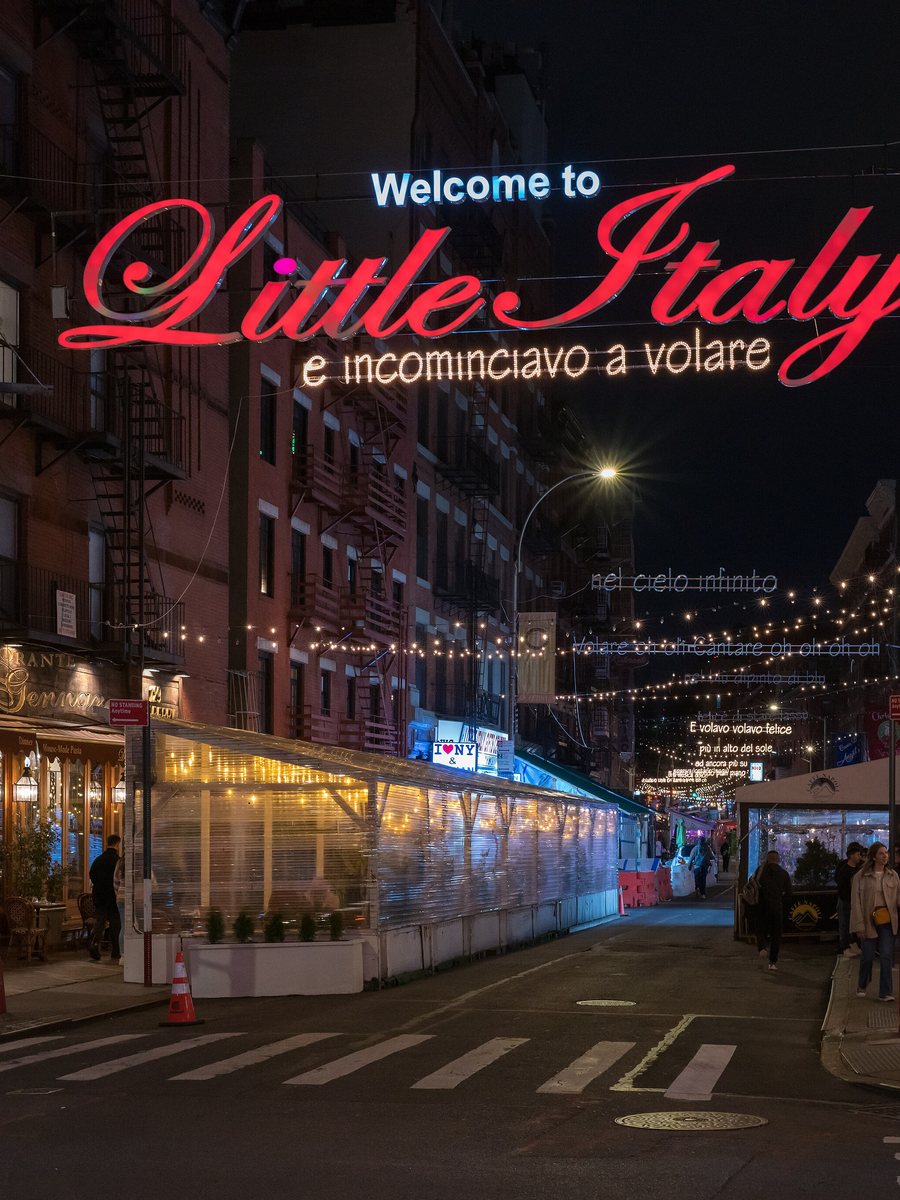
 Visit official site ↗
 Visit official site ↗
 Visit official site ↗
 Visit official site ↗
 Visit official site ↗
 Visit official site ↗
 Visit official site ↗
 Visit official site ↗
 Visit official site ↗
 Visit official site ↗
 Visit official site ↗
 Visit official site ↗
 Visit official site ↗
 Visit official site ↗
 Visit official site ↗
 Visit official site ↗
 Visit official site ↗
 Visit official site ↗
 Visit official site ↗
 Visit official site ↗
 Visit official site ↗
 Visit official site ↗
 Visit official site ↗
 Visit official site ↗
 Visit official site ↗
 Visit official site ↗
 Visit official site ↗
 Visit official site ↗
 Visit official site ↗
 Visit official site ↗
 Visit official site ↗
 Visit official site ↗
 Visit official site ↗
 Visit official site ↗
 Visit official site ↗
 Visit official site ↗
 Visit official site ↗
 Visit official site ↗
 Visit official site ↗
 Visit official site ↗
 Visit official site ↗
 Visit official site ↗
 Visit official site ↗
 Visit official site ↗
 Visit official site ↗
 Visit official site ↗
 Visit official site ↗
 Visit official site ↗
 Visit official site ↗
 Visit official site ↗
 Visit official site ↗
 Visit official site ↗
 Visit official site ↗
 Visit official site ↗
 Visit official site ↗
 Visit official site ↗
 Visit official site ↗
 Visit official site ↗
 Visit official site ↗
 Visit official site ↗
 Visit official site ↗
 Visit official site ↗
 Visit official site ↗
 Visit official site ↗
 Visit official site ↗
 Visit official site ↗
 Visit official site ↗
 Visit official site ↗
 Visit official site ↗
 Visit official site ↗
 Visit official site ↗
 Visit official site ↗
 Visit official site ↗
 Visit official site ↗
 Visit official site ↗
 Visit official site ↗
 Visit official site ↗
 Visit official site ↗
 Visit official site ↗
 Visit official site ↗
 Visit official site ↗
 Visit official site ↗
 Visit official site ↗
 Visit official site ↗
 Visit official site ↗
 Visit official site ↗
 Visit official site ↗
 Visit official site ↗
 Visit official site ↗
 Visit official site ↗
 Visit official site ↗
 Visit official site ↗
 Visit official site ↗
 Visit official site ↗
 Visit official site ↗
 Visit official site ↗
 Visit official site ↗
 Visit official site ↗
 Visit official site ↗
 Visit official site ↗
 Visit official site ↗
 Visit official site ↗
 Visit official site ↗
 Visit official site ↗
 Visit official site ↗
 Visit official site ↗
 Visit official site ↗
 Visit official site ↗
 Visit official site ↗